
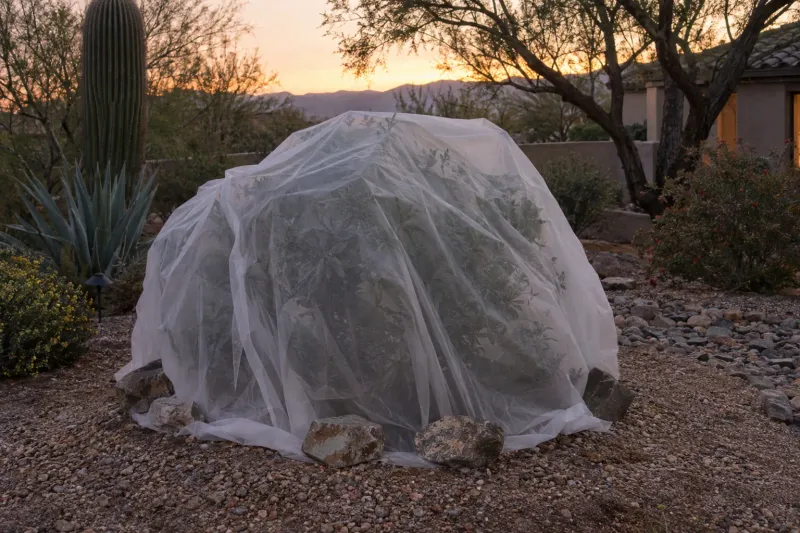
Fig trees love Texas heat, but one hard freeze can knock them back to the ground overnight. The good news is that a few easy chores in fall can make a big difference.
You do not need fancy tools or a greenhouse, just a little planning and a free weekend afternoon. Get these steps done now, and your tree has a much better shot at waking up strong and loaded with sweet figs next summer.
1. Stop Fertilizing by Late Summer
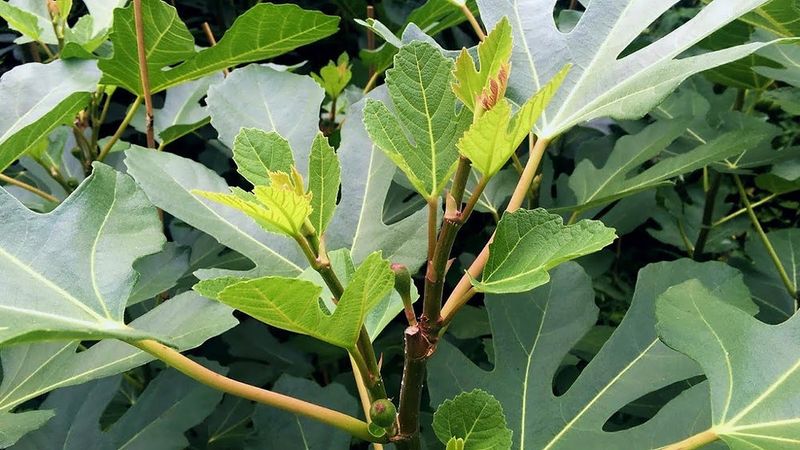
A fig tree fed in September is a bit like a kid given candy at bedtime. All that nitrogen pushes out tender new shoots right when the tree should be slowing down.
Those soft green stems are the first thing a freeze kills.
Most Texas gardeners do best by making the last feeding around midsummer. After that, let the tree coast.
It will naturally start hardening its wood as nights cool off in October.
If you already fed late this year, do not panic. Just skip any more fertilizer and avoid heavy pruning, which can also trigger fresh growth.
2. Water Deeply Before the Cold Arrives
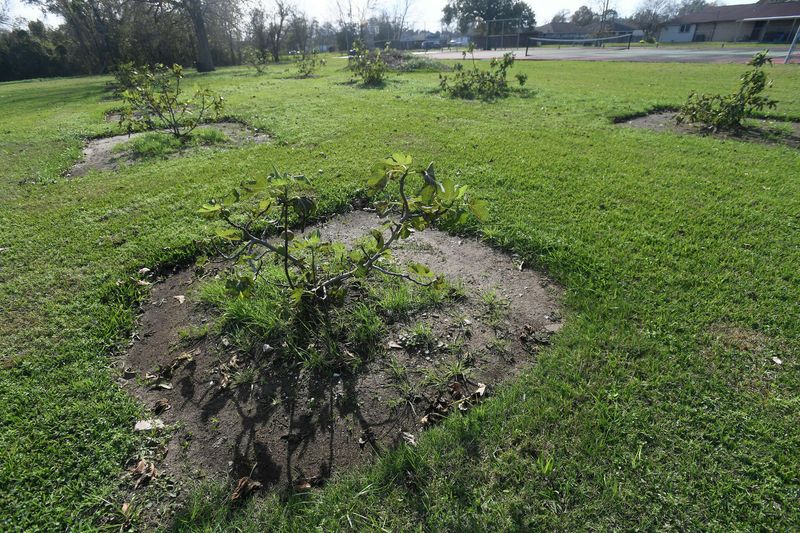
Here is something that surprises a lot of people: moist soil holds heat better than dry soil. Texas falls are often bone dry, and a thirsty fig heads into winter already stressed.
Give your tree a slow, deep soak a day or two before a forecast freeze. Let a hose trickle at the base for 30 minutes or so, letting water sink deep instead of running off.
Skip watering if the ground is already soggy from rain. Wet roots in cold, heavy clay can rot, so aim for evenly damp, not swampy.
3. Pile On a Thick Layer of Mulch
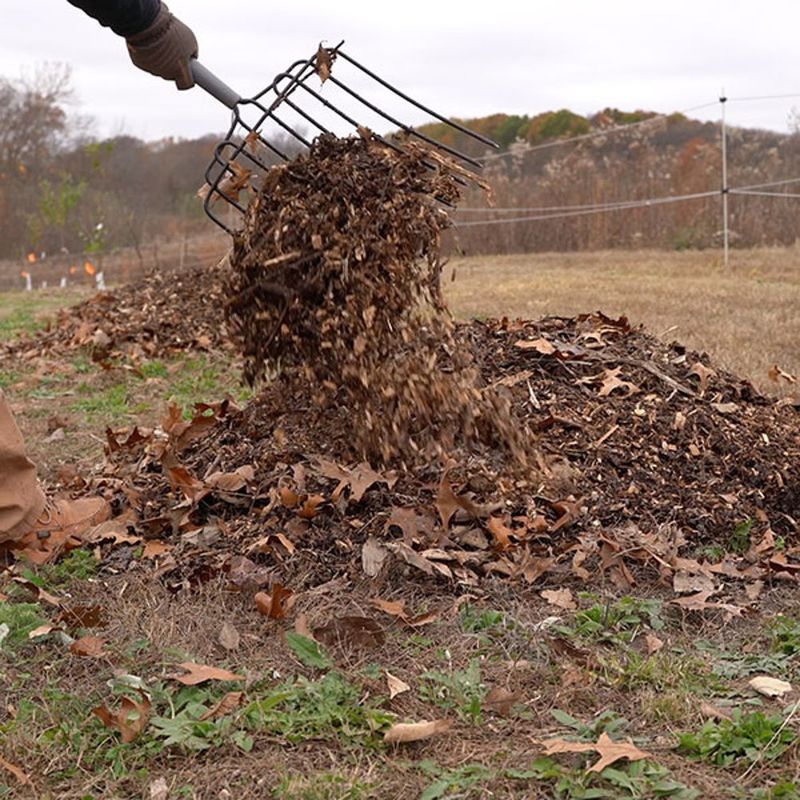
Think of mulch as a cozy blanket for the roots. Even if a freeze kills the top of a fig, healthy roots can push out new shoots in spring.
Protecting that root zone is your insurance policy.
Spread 4 to 6 inches of shredded bark, pine straw, or chopped leaves in a wide circle around the trunk. Fall leaves from your own yard work great and cost nothing.
Keep a few inches of space right around the trunk itself. Mulch packed against bark can hold moisture and invite pests or rot.
4. Hold Off on Major Pruning
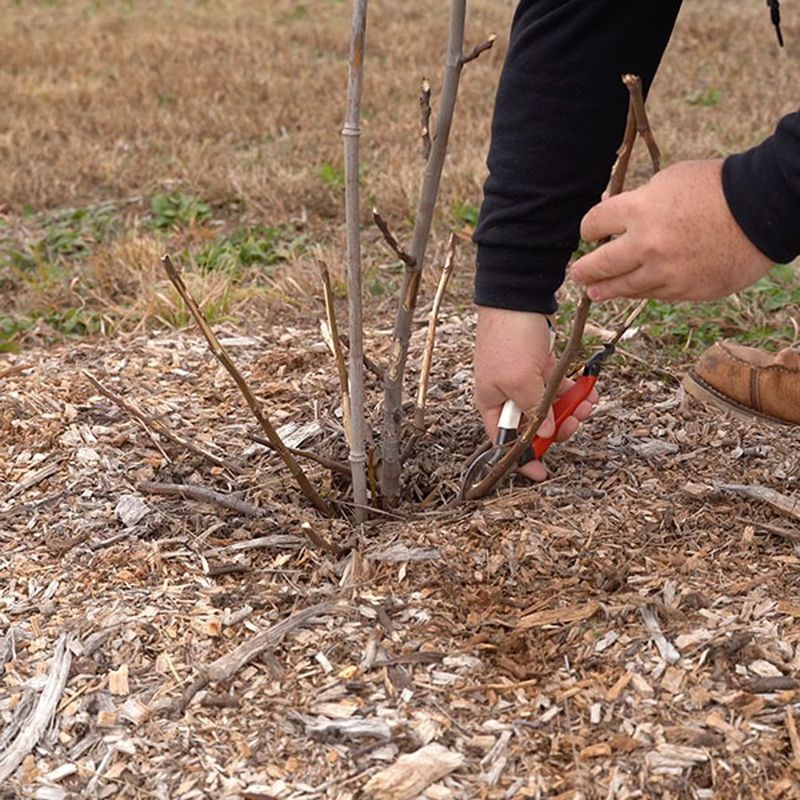
Grabbing the loppers in November feels productive. Resist the urge.
Fresh cuts can encourage new growth and leave open wounds just as cold weather rolls in.
Freeze damage also is not always clear until spring. Branches that look dead in January sometimes leaf out fine.
Wait until new buds swell in late February or March, then trim anything that stays brown and brittle.
The only fall cuts worth making are broken or diseased limbs. A quick snip there is fine.
5. Wrap or Cover Young Trees
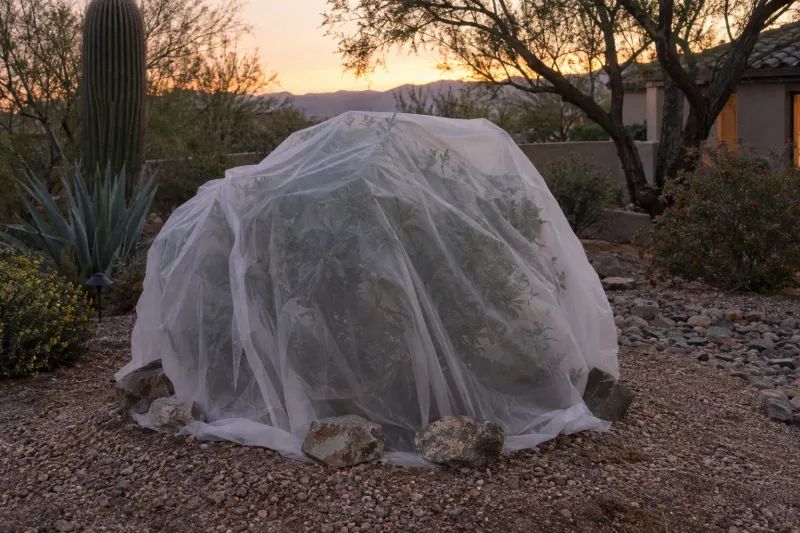
Picture a two-year-old fig in North Texas facing a night in the low 20s. Without help, it may die to the ground.
A simple cover can buy several degrees of protection.
Use frost cloth or an old bedsheet, draping it all the way to the soil so it traps heat rising from the ground. Weigh the edges with bricks.
Avoid plastic touching the leaves, since it can actually transfer cold.
For extra warmth, some gardeners place a string of old-style incandescent lights under the cover. Pull covers off once temperatures climb so the tree does not overheat.
6. Move Potted Figs to Shelter
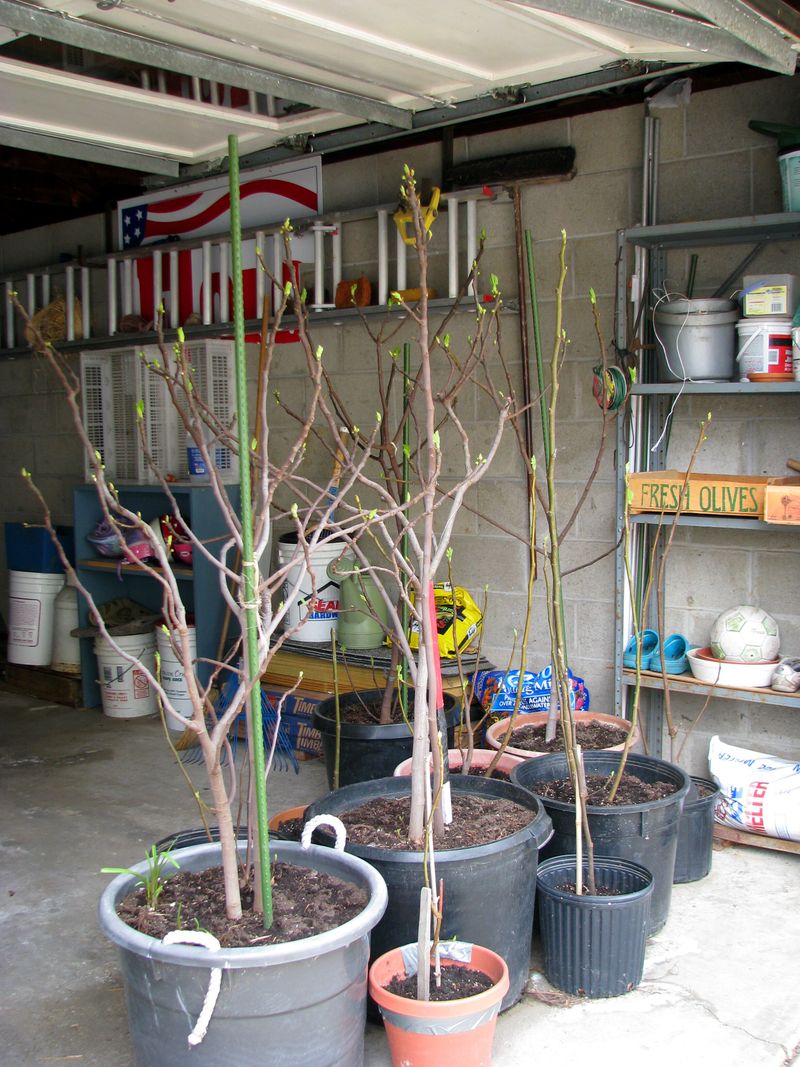
Container figs have it rough. Their roots sit above ground in a pot, so they freeze much faster than trees planted in soil.
When a hard freeze shows up in the forecast, roll pots into a garage, shed, or against a south-facing wall. A plant dolly makes heavy pots far easier to handle.
Dormant figs do not need light while stored, so a dark garage is fine for a few days or even weeks. Water lightly every couple of weeks to keep roots from drying out completely.
7. Clean Up Fallen Leaves and Fruit
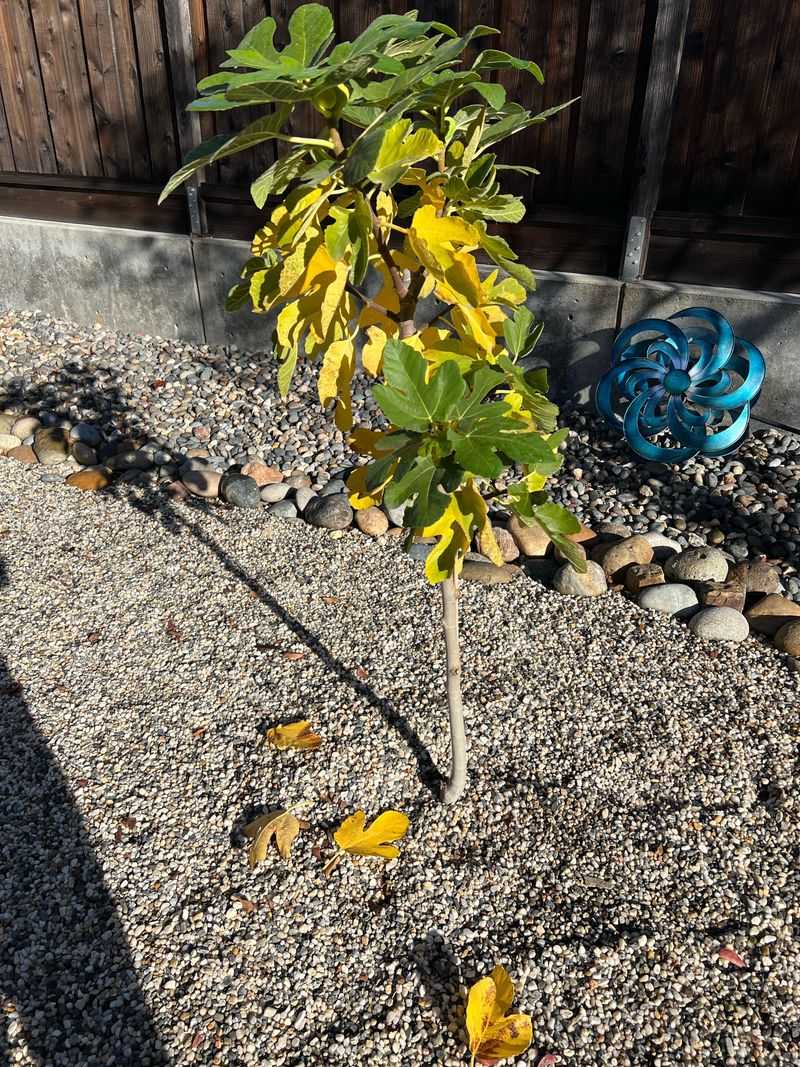
Fig rust, a common fungus across humid parts of Texas like Houston and the Gulf Coast, loves to hang out on dropped leaves. Leaving that mess under the tree may give it a head start next spring.
Rake up spotted leaves and any shriveled figs still on the ground or clinging to branches. Bag diseased leaves instead of adding them to mulch.
Healthy, clean leaves are fine to shred and reuse. It is a small chore that keeps critters and rot away too.
8. Know Your Variety and Your Zone
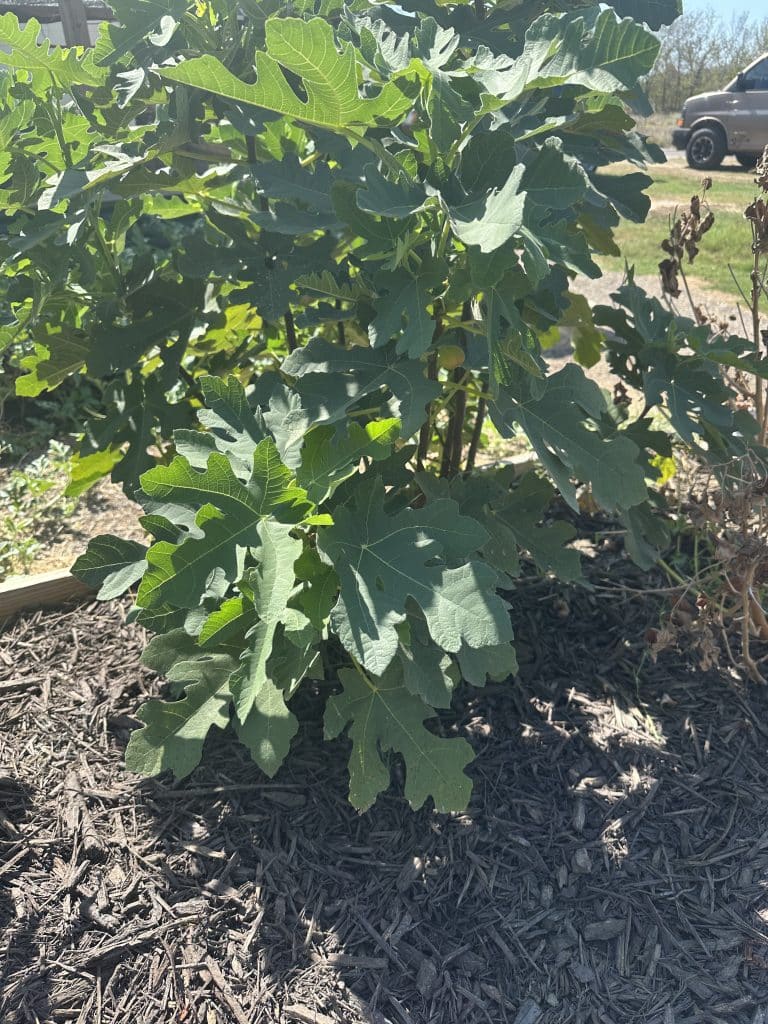
Not every fig handles cold the same way. Celeste, Texas Everbearing (often sold as Brown Turkey), and Alma are popular here because they bounce back well after freezes.
Your location matters just as much. A tree in Brownsville rarely faces the same winter as one in Amarillo or Dallas.
Check your zone and watch local forecasts, since Texas cold snaps can drop 40 degrees in a day.
Fun fact: Alma was developed by Texas A&M specifically for Texas growers. Knowing what you planted helps you decide how much protection your tree truly needs.