
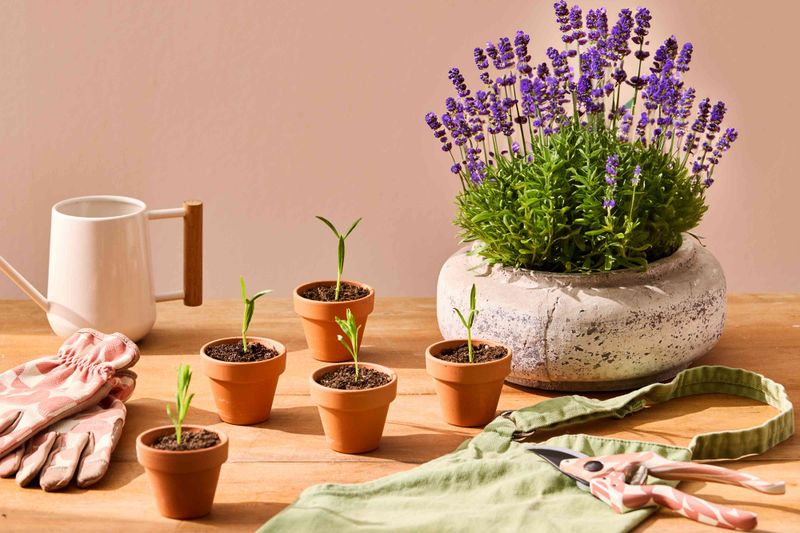
Every fall, California gardeners toss bags of perfectly good shrub clippings into the green bin. Many of those snips could have become brand new plants by spring, for free.
Our cool, rainy winters give cuttings a slow, steady start that summer heat never allows. Here are ten shrubs that tend to root well from fall prunings, plus simple tips to help them take hold.
1. Rosemary
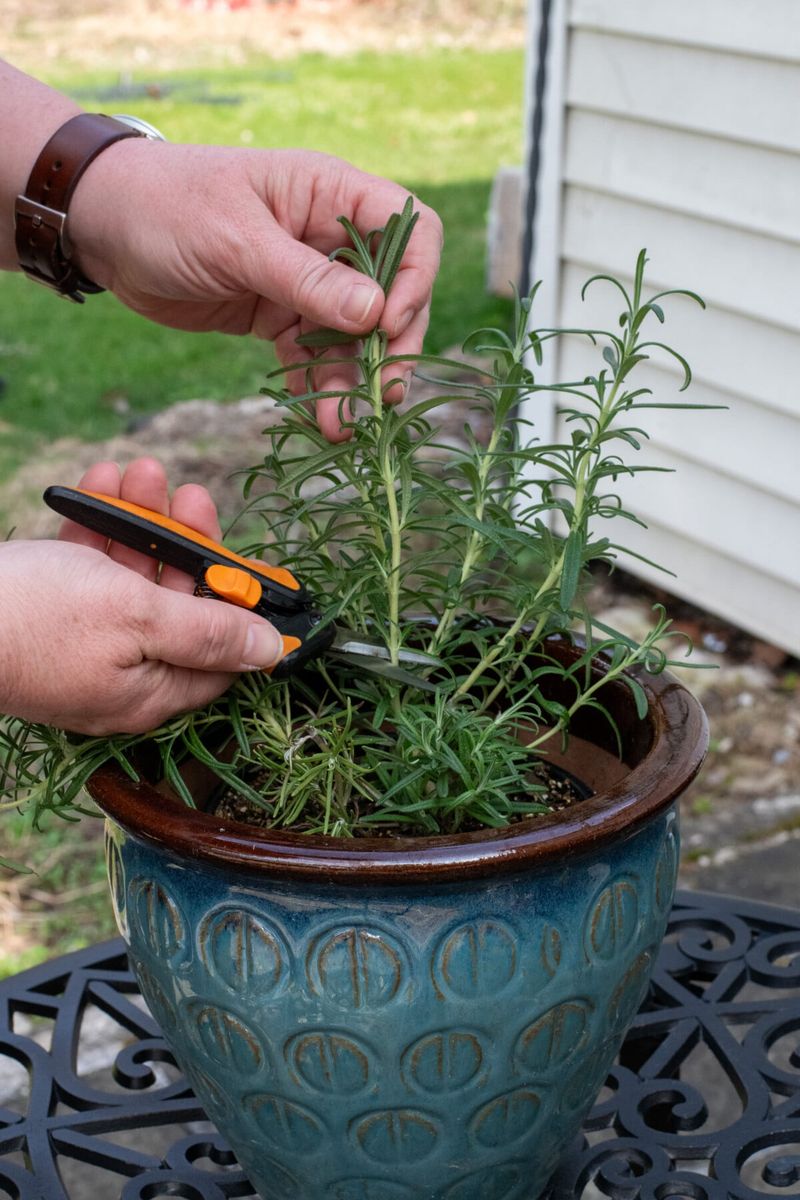
Prune a rosemary hedge in October and you will be holding dozens of future plants. The trimmed tips are already woody at the base and fragrant at the top, which is just the mix cuttings like.
Snip 4 to 6 inch pieces, strip the lower needles, and push them into a gritty mix of half perlite. Keep them in bright shade and water lightly, since soggy soil can rot them faster than drought.
Roots often show by late winter. Bees visit rosemary flowers in the cool months when little else blooms, so more plants can mean more early pollinator food in your yard.
2. Cleveland Sage
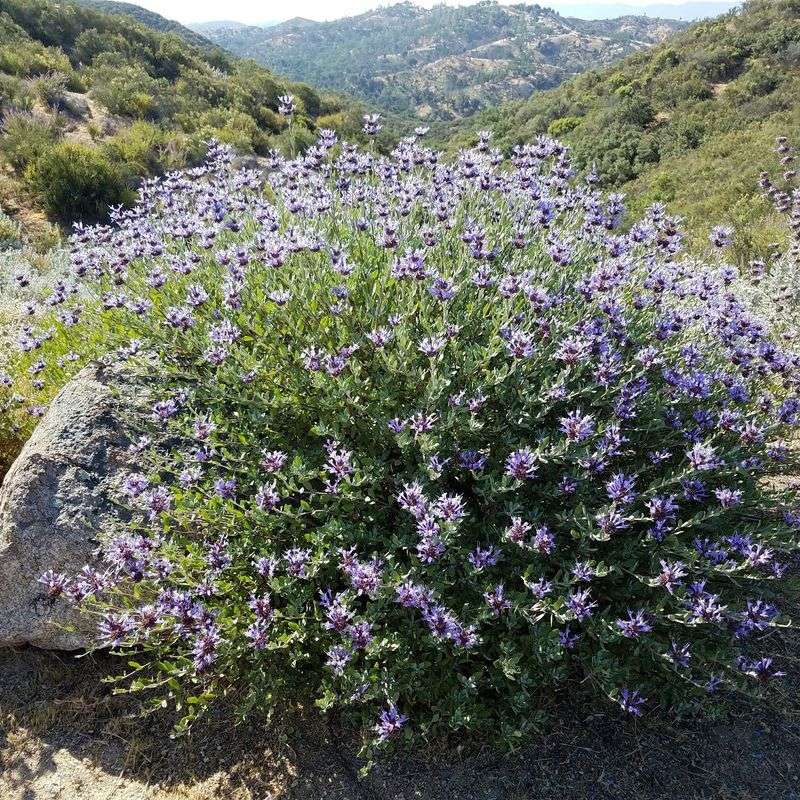
Brush past Cleveland sage and your hands smell like a hillside after rain. That scent travels with every cutting you take.
Fall is when most gardeners tidy this native, cutting back spent flower stalks and leggy growth. Pick soft green side shoots rather than old wood, and keep them out of harsh sun.
A clear plastic cover over the tray can hold humidity while roots form. Once established, the new plants may need little summer water and feed hummingbirds and native bees.
3. Manzanita
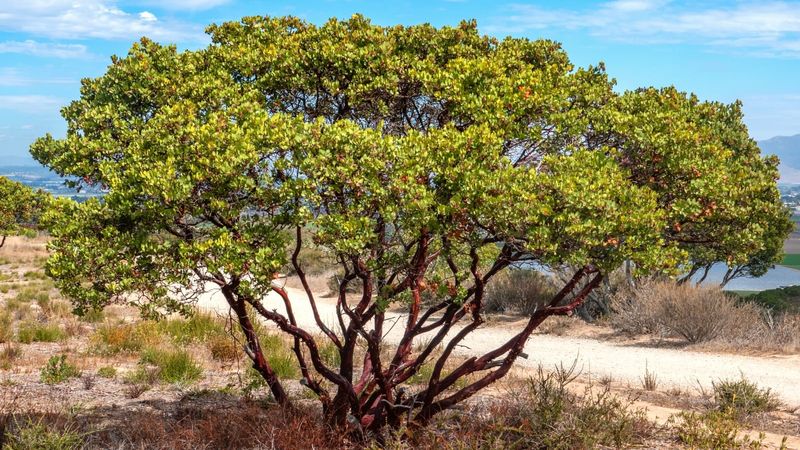
Honest warning first: manzanita is the toughest shrub on this list to root. Native plant nurseries still do it, and patient home gardeners can too.
Take firm, current season tips in late fall, wound the base slightly, and dip in rooting hormone. Bottom heat and steady moisture can raise success rates a lot.
Expect losses and start extra cuttings. Even a few rooted plants are worth it, given how pricey manzanitas are at the nursery and how much early nectar they give bees.
4. Coyote Brush

Few natives forgive mistakes like coyote brush. Gardeners in coastal and inland zones lean on it for slopes, and its cuttings root with very little fuss.
Cut 5 inch pieces from fall trimmings, plant in a simple sandy mix, and keep evenly damp. Winter rain often handles the watering if pots sit outdoors.
The low forms, like Pigeon Point, cover banks fast. Fall flowers on this shrub attract a surprising number of beneficial insects when little else is blooming.
5. California Lilac
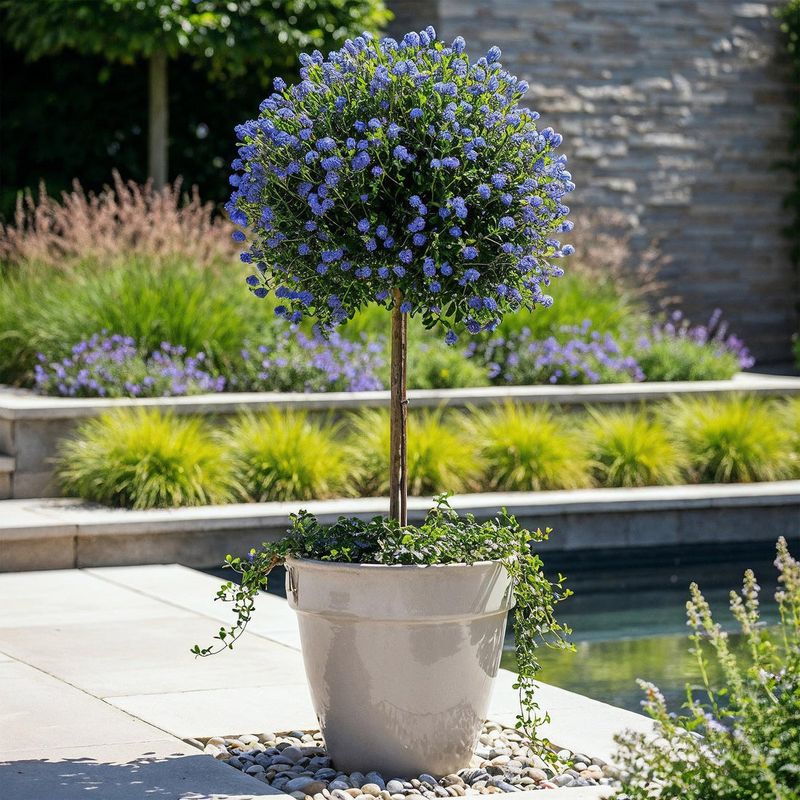
Picture a hedge of blue blooms buzzing with bees in March. Ceanothus makes that happen, and fall cuttings can get you there.
Choose semi-hardwood stems as thick as a pencil. Rooting hormone helps, and a fast-draining mix is a must because ceanothus hates wet feet.
Plants can be short-lived, often 10 to 15 years, so starting replacements from your own shrub is a smart backup plan. Keep young plants away from summer sprinklers once in the ground.
6. Toyon
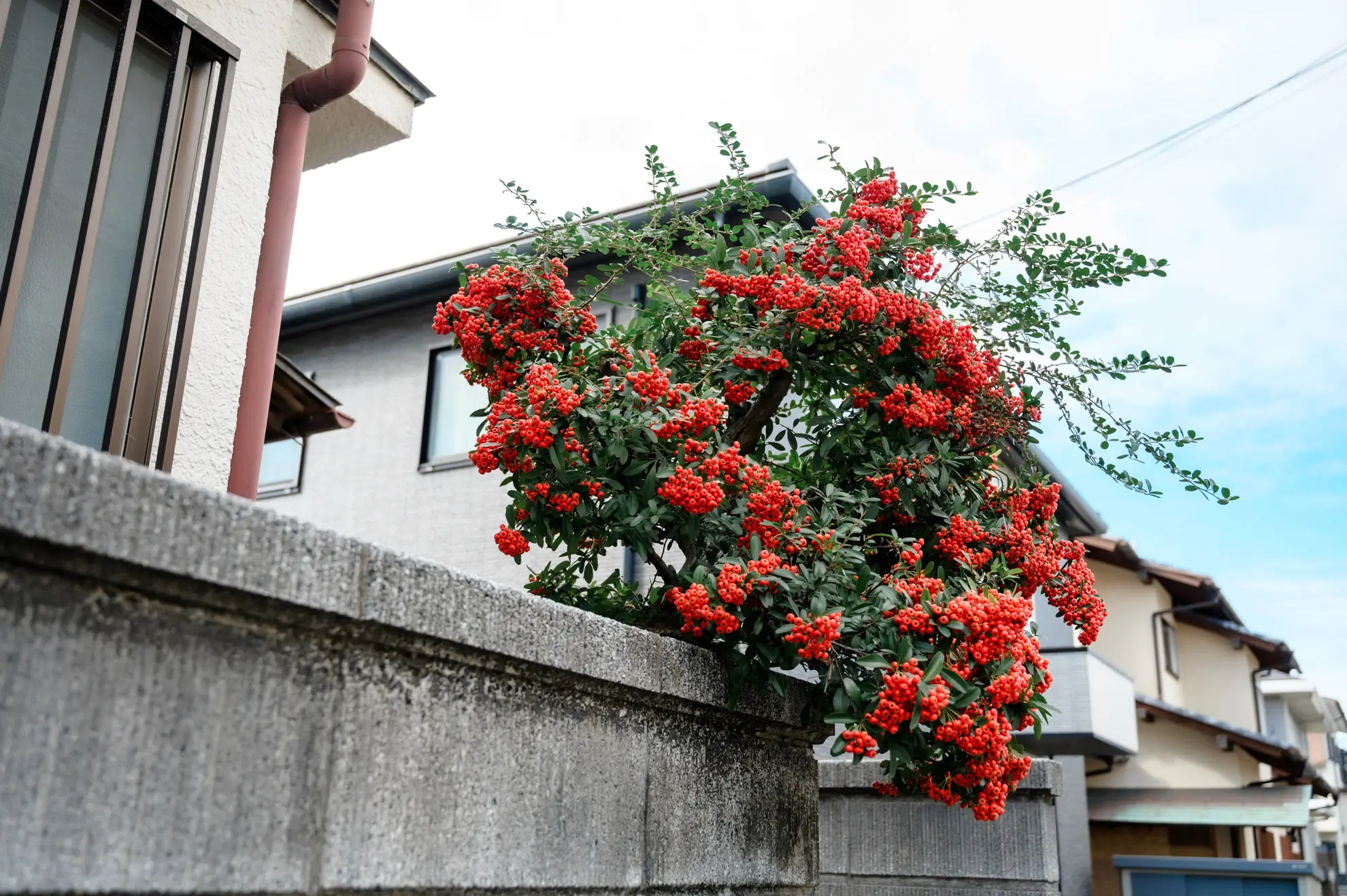
Hollywood got its name from this shrub, sometimes called California holly. Its red winter berries feed robins, cedar waxwings, and mockingbirds.
Toyon roots a bit slower than sages. Take semi-ripe cuttings in fall, use hormone, and give them a bright, sheltered spot.
Be patient, since some cuttings take months. Once rooted, toyon handles drought and makes a solid privacy screen that feeds birds through winter.
7. Lavender
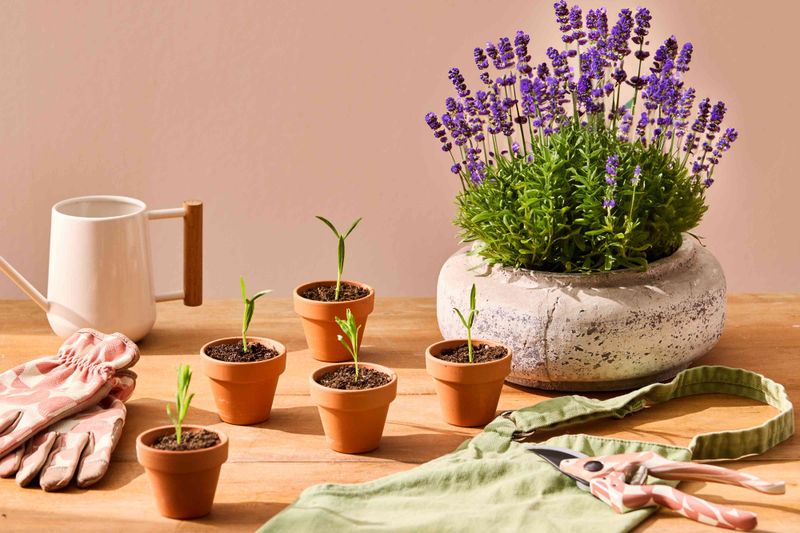
Lavender shrubs get woody and sprawly fast, so a fall haircut is good for them. Those leftover sprigs are your next border.
Pull side shoots off with a small heel of old wood attached, which often roots more reliably. Stick them in sandy soil and water sparingly.
Spanish and English types both work. A row of fresh lavender along a path can draw bees and need far less water than lawn.
8. Fuchsia-Flowered Gooseberry
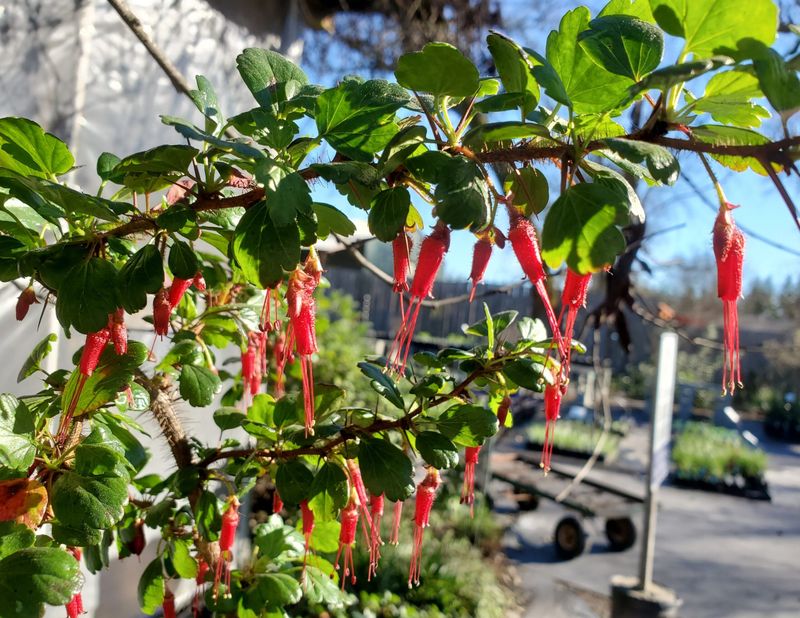
Anna’s hummingbirds stay in California year round, and this native gooseberry blooms right when they need it most, in winter.
Cuttings from fall growth root fairly readily in a moist, shady spot. It suits dry shade under oaks, a tough place for many plants.
Watch for the spines when you handle stems. Gloves help, and the hummingbird show is worth a few scratches.
9. Pineapple Sage
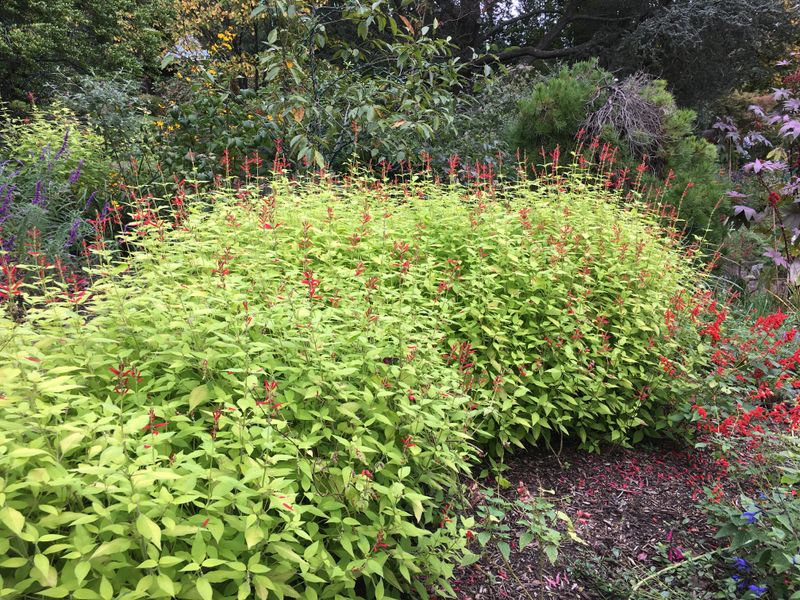
Kids love crushing a leaf and smelling fruit. Pineapple sage also roots so easily that a glass of water often does the job.
Soft stems from fall cutbacks can show roots within two weeks. Move them into soil once roots reach an inch.
It likes a bit more water than natives, so group it with veggies or herbs. Its red fall blooms are a favorite of migrating hummingbirds.
10. Westringia
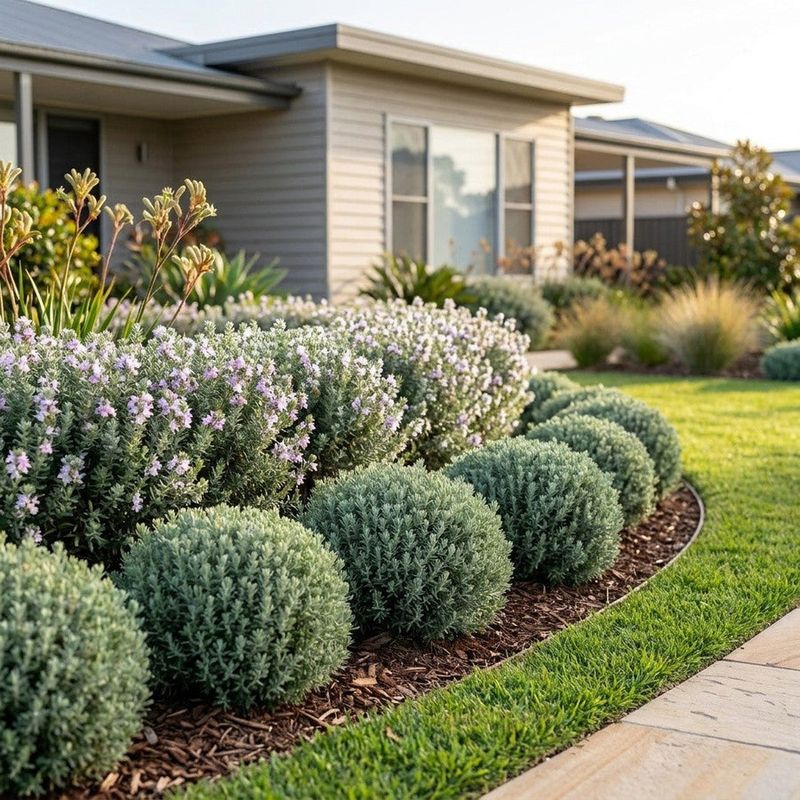
Looking for a tidy hedge that shrugs off drought and salty wind? Westringia, often called coastal rosemary, fits that role in many California yards.
Fall shearing yields plenty of semi-hardwood tips. They root steadily in a perlite mix and can be ready to plant by spring.
No plant is fireproof, but well-watered, low shrubs kept trimmed may fit defensible space plans better than dense, resinous ones. Check your local fire agency rules before planting near the house.