
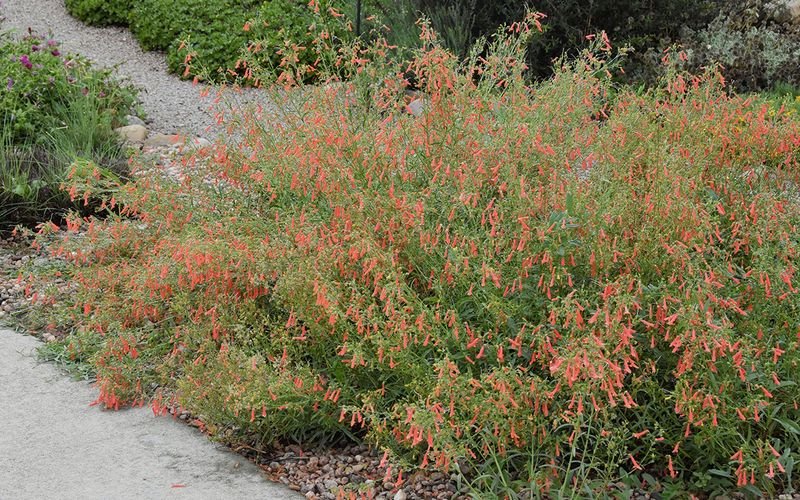
Plenty of California yards look tired and leggy by October, and many homeowners leave them alone because they worry cutting will hurt the plant. For a handful of tough, water-wise favorites, a smart fall trim is exactly what sparks thick, flower-packed growth once winter rains arrive.
Timing it right also leaves seeds and shelter for birds and bees when you plan ahead. Here are eight plants that reward a fall haircut, plus how much to cut so you help instead of harm.
1. Cleveland Sage
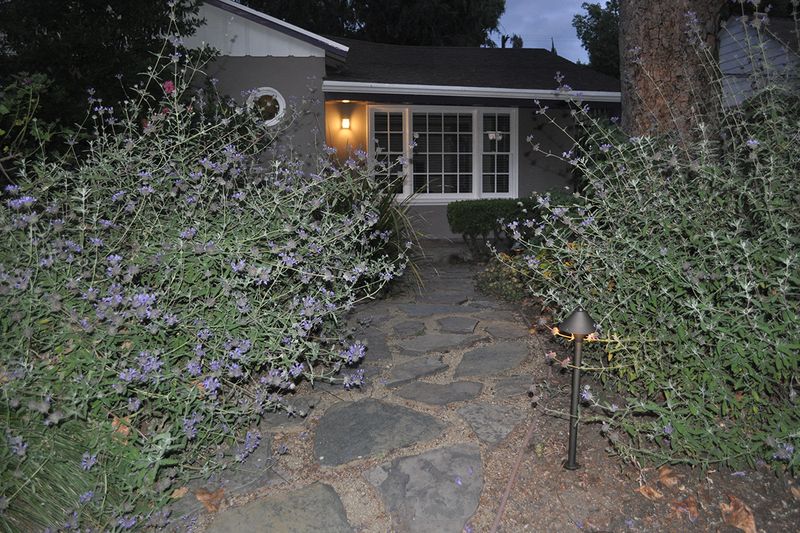
Brush your hand across Cleveland sage and the whole yard smells like a hillside after rain. That fragrance comes from a native shrub that can turn woody and floppy after a few summers without care.
Once the last blooms fade and goldfinches have picked through the seed heads, trim back about one third of the growth in fall. Cut just above healthy leaves, never into bare, old wood, since older stems may not resprout.
Winter rains then push dense new shoots, and spring brings more of those purple pom-pom flowers that hummingbirds and native bees adore. Skip summer water once established, and the plant stays happy.
2. California Fuchsia
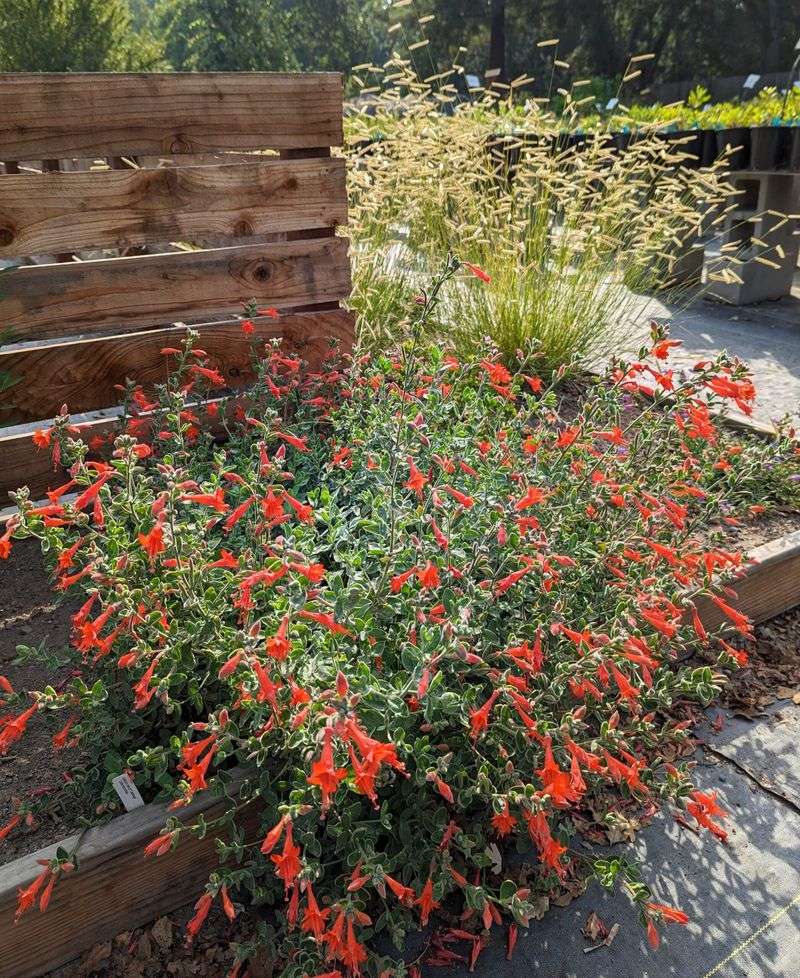
Hummingbirds treat California fuchsia like a late-season fuel stop, sipping its scarlet trumpets right when little else is blooming. By late fall, though, the plant looks scraggly and gray.
That is your cue. After flowering ends, cut stems down to just a few inches above the ground.
It sounds drastic, but this perennial spreads from roots and bounces back eagerly.
Fresh, compact stems emerge with spring warmth, building toward an even thicker show by late summer. Without the cut, you often get a tangle of dead stems mixed with weak new growth.
3. Deer Grass
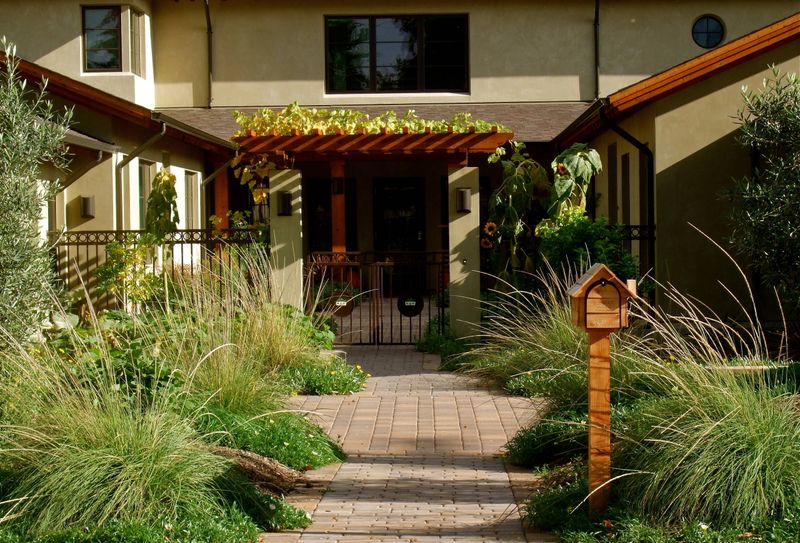
Native Californians once wove baskets from the flower stalks of deer grass, a sign of how sturdy and plentiful this bunchgrass can be. In home yards, it gives a soft, fountain-like look with almost no water.
Over time, dead blades pile up in the center and smother new growth. Every two or three years, cut the clump down to about 6 inches in late fall or early winter.
Rains wake it up, and fresh green blades fill in thick by spring. Leave a few clumps uncut each year so overwintering insects keep a place to hide.
4. Lavender
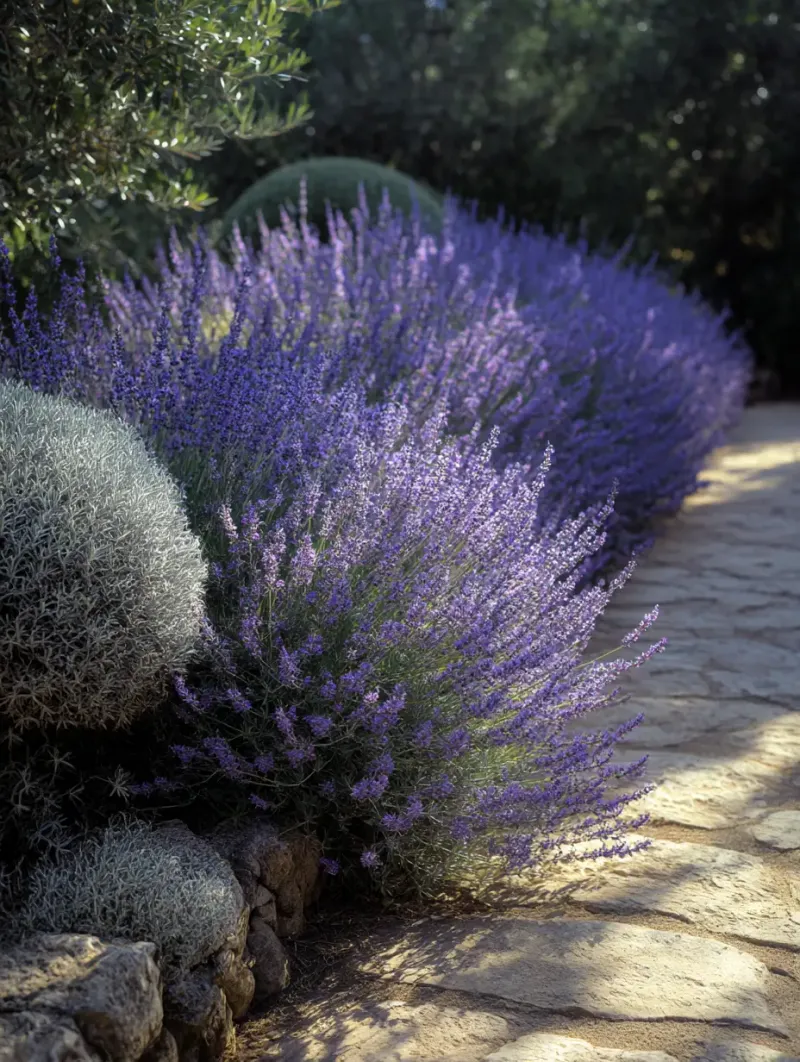
Ever watched a lavender plant split open in the middle and look like a bad comb-over? Leggy, woody lavender is one of the most common complaints in California gardens.
A light fall shaping helps prevent it. Trim spent flower stalks plus an inch or two of leafy growth, keeping a rounded mound, and stay above the woody base.
Mild coastal and valley winters let the plant settle in, then spring delivers a tight, bushy form loaded with buds. Bees will thank you, and your border looks tidy without extra water.
5. Salvia Greggii
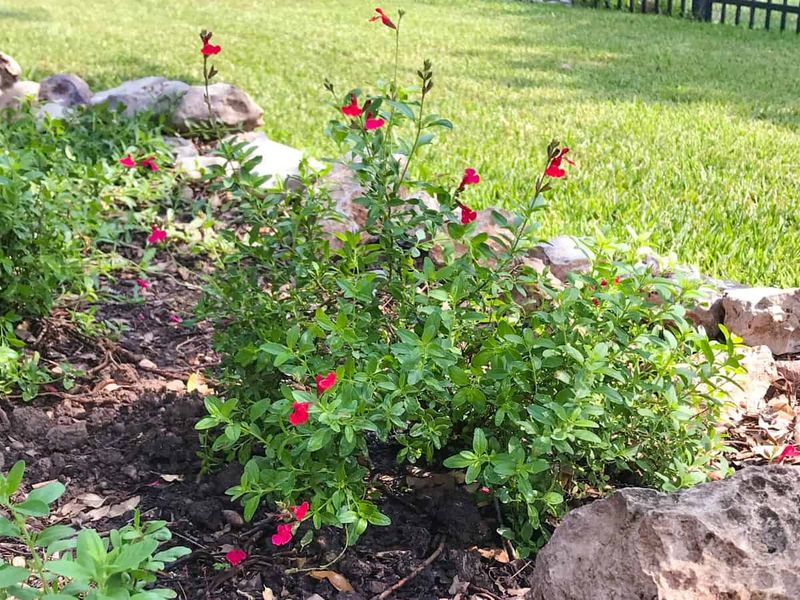
Autumn sage blooms off and on for months, which is great until stems start stretching and flowers thin out. A tough plant from the Southwest, it handles inland California heat with ease.
In mid to late fall, cut it back by about half. Some gardeners in hotter zones wait until late winter, and both approaches can work well.
The payoff is a denser shrub with more branch tips, and more tips means more flowers for hummingbirds next season.
6. Yarrow
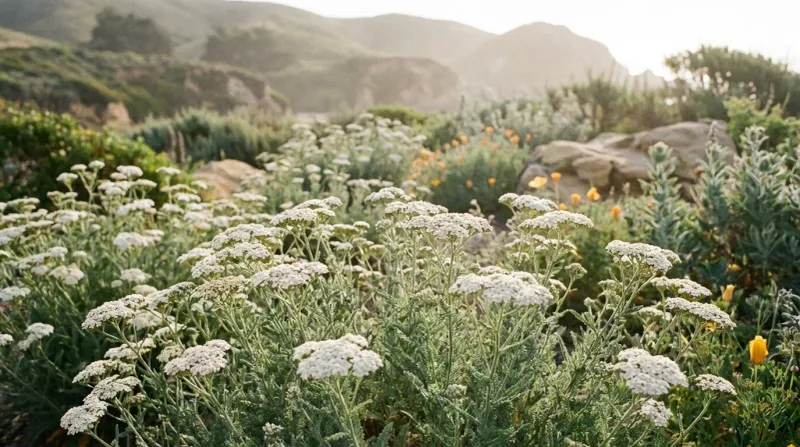
Swap a thirsty patch of lawn for native yarrow and you get feathery foliage plus flat flower clusters that pull in hoverflies and small native bees.
After summer bloom, mow or shear the plants down to the leafy base in fall. Old flower stalks go brown and messy, and cutting them lets the low green rosettes breathe.
With winter moisture, those rosettes spread into a thicker mat, and spring stalks come up more evenly. Water lightly in dry stretches only.
7. Penstemon
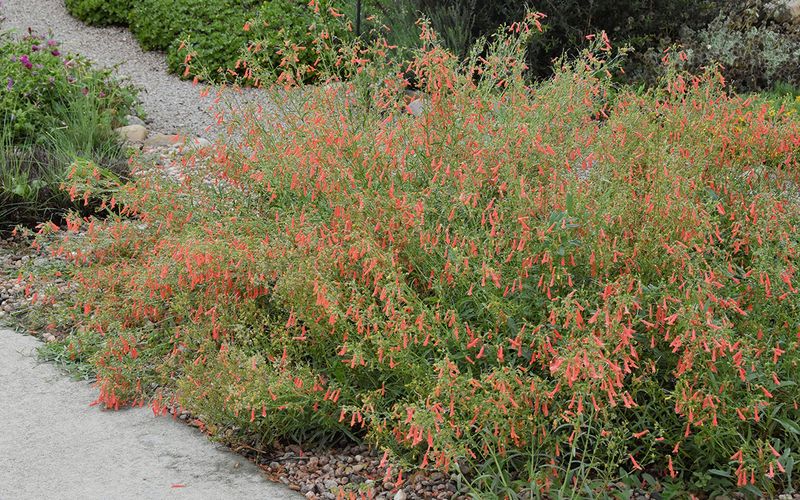
Picture tall spikes of tubular flowers swaying with hummingbirds bouncing between them. Penstemon brings that scene to sunny California beds, and natives like foothill penstemon fit right into water-wise plans.
Once blooms are done, cut spent flower stalks back to the basal leaves in fall. Leave that low foliage in place, since it feeds the plant through winter.
Cleaner crowns tend to send up more flower spikes in spring. Good drainage matters more than pruning, so avoid soggy soil.
8. Coyote Mint
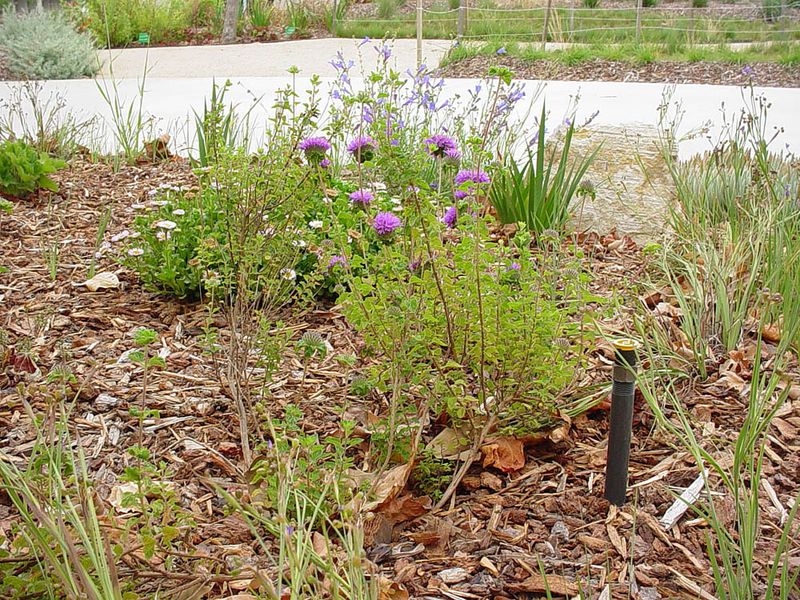
Butterflies seem to find coyote mint within hours of planting. This minty native forms small mounds topped with lavender pom-poms in summer.
By fall, it often looks sparse. Shear it back by about half after flowering, and it can stay compact for years instead of fading out.
Spring growth comes back fuller and more fragrant, ready for another round of pollinators. Give it lean soil, sun, and very little summer water.