
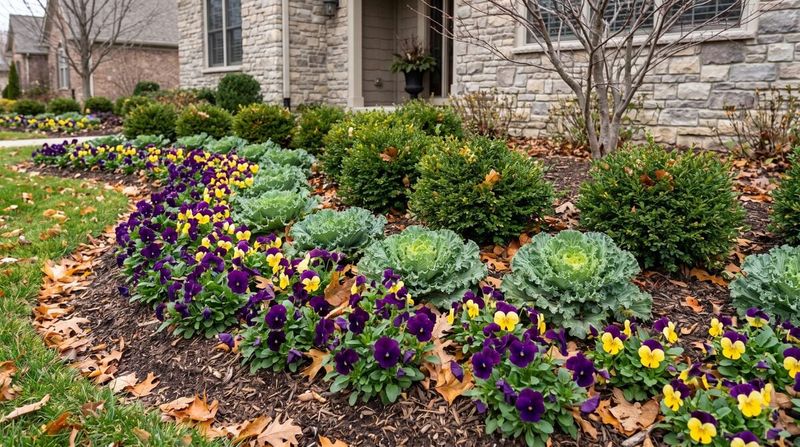
In most of California, winter is not a time to put the garden to bed. Our mild temperatures and winter rains make the cooler months one of the best times to plant flowers, and many of them will bloom right through to spring.
The right picks can also feed bees and hummingbirds when little else is flowering, and they need far less watering than summer annuals. Here are ten cool-season flowers you can still plant this month for color that lasts all winter long.
1. Pansies
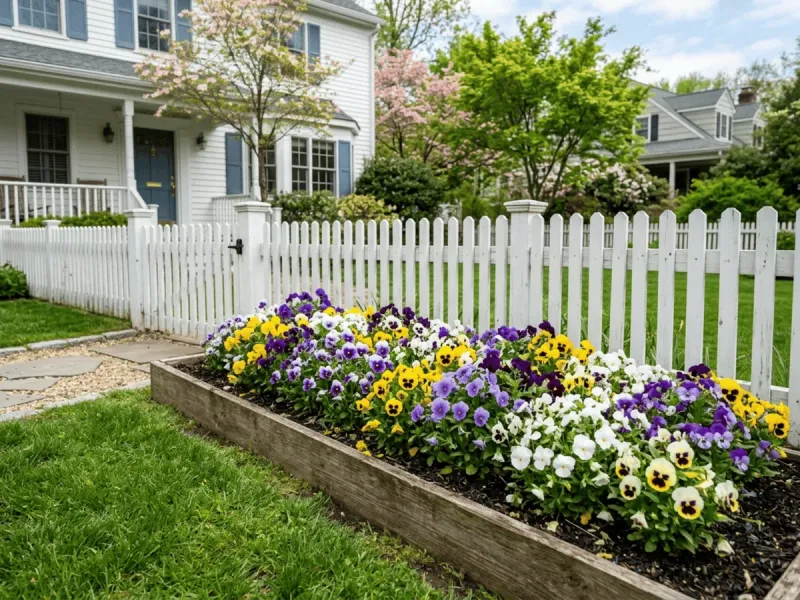
Few flowers shrug off a chilly California morning quite like a pansy. Their cheerful little faces seem to grin at frost, and they keep pumping out blooms from late fall into spring in most of the state.
Pansies do best in full sun along the coast and in light afternoon shade in hotter inland valleys. Tuck them into front borders, porch pots, or along a walkway where you will see them every day.
Pinch off faded flowers every week or so to keep new buds coming. Winter rain often handles much of the watering, so you may only need to water during dry spells between storms.
2. Calendula
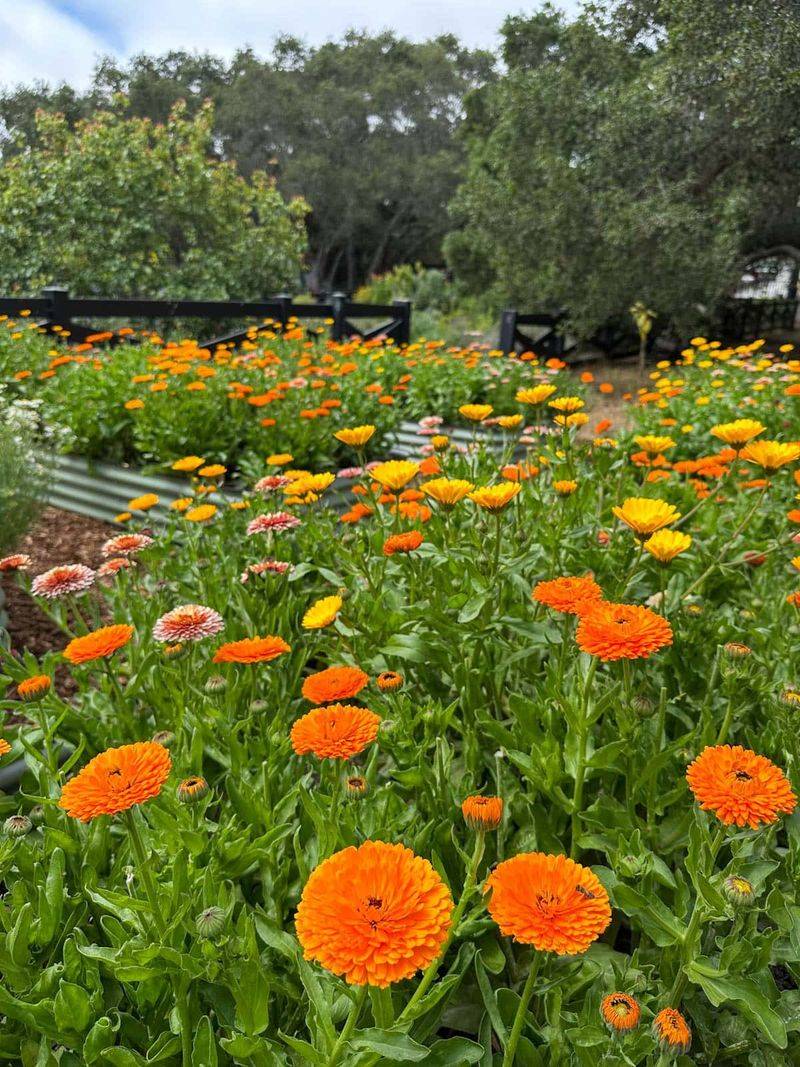
Gardeners have grown calendula for centuries, once using its golden petals to color butter and cheese. Today it earns its spot as one of the toughest, sunniest winter flowers you can plant in California.
Calendula handles cool weather, poor soil, and light frost with ease. It blooms in shades of orange and yellow that can glow even on gray January days.
Bees and hoverflies often visit the open flowers, which can make calendula a helpful companion near winter vegetables. Let a few flowers go to seed in spring, and you may find volunteer seedlings next fall.
3. California Poppy
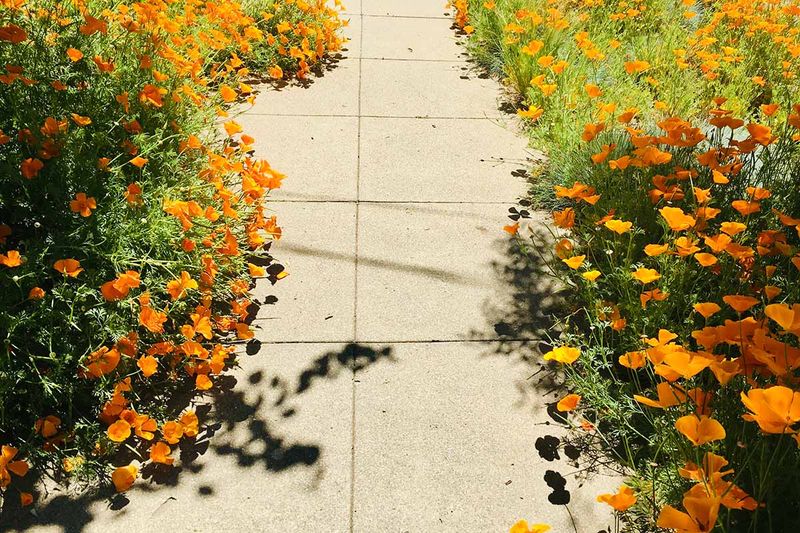
Want the official state flower glowing in your yard by spring? Now is the moment to scatter seeds, because California poppies sprout with the winter rains just as they do on wild hillsides.
Sow seeds directly where you want them to grow, since poppies dislike being moved. Rake the soil lightly, press seeds onto the surface, and let the rain do the rest.
Once established, poppies need very little extra water, making them a smart choice for water-wise yards. Native bees often visit the silky blossoms, so you get color and wildlife support in one easy step.
4. Sweet Peas
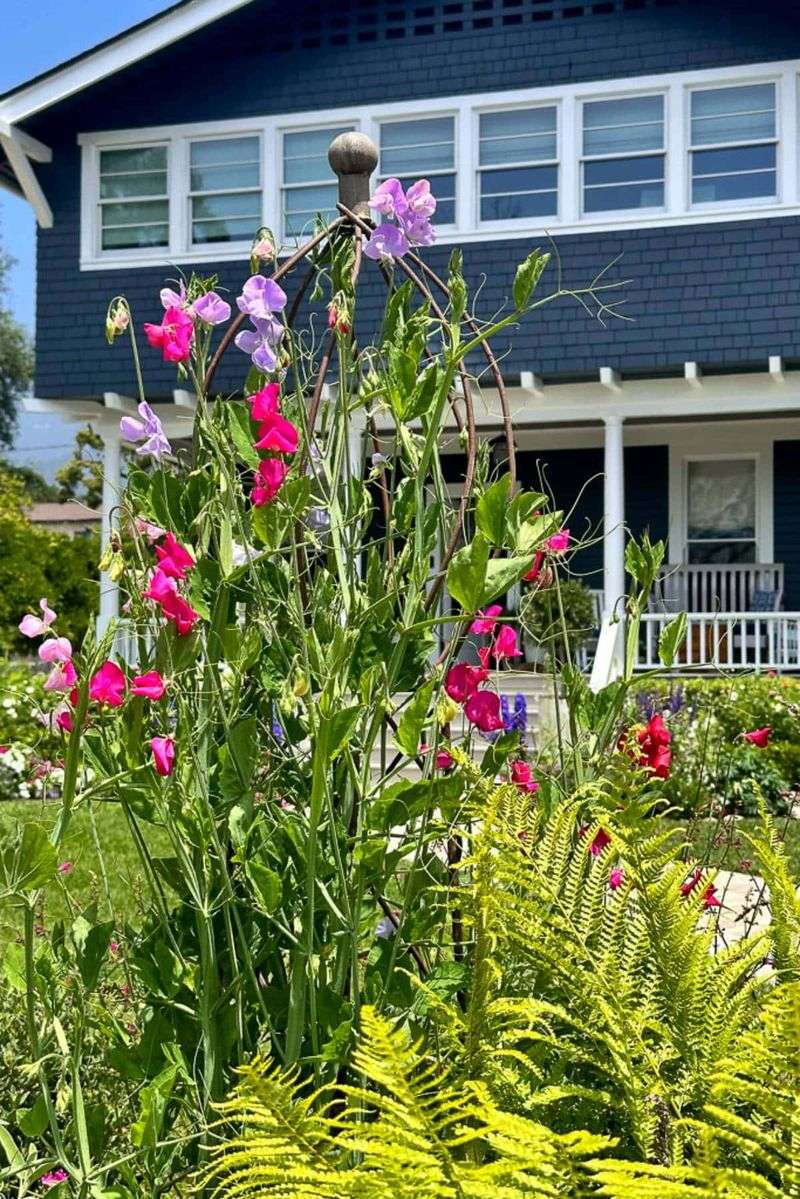
Grandma’s garden probably had a fence covered in sweet peas, and one whiff explains why. Their ruffled flowers carry a soft, honey-like scent that can fill a whole patio.
In California, fall and early winter planting gives sweet peas time to build strong roots before blooming in late winter and spring. Give them a trellis, fence, or obelisk to climb in full sun.
Soak seeds overnight before planting to help them sprout faster. Cut flowers often for bouquets, since picking encourages the vines to keep blooming longer.
5. Snapdragons
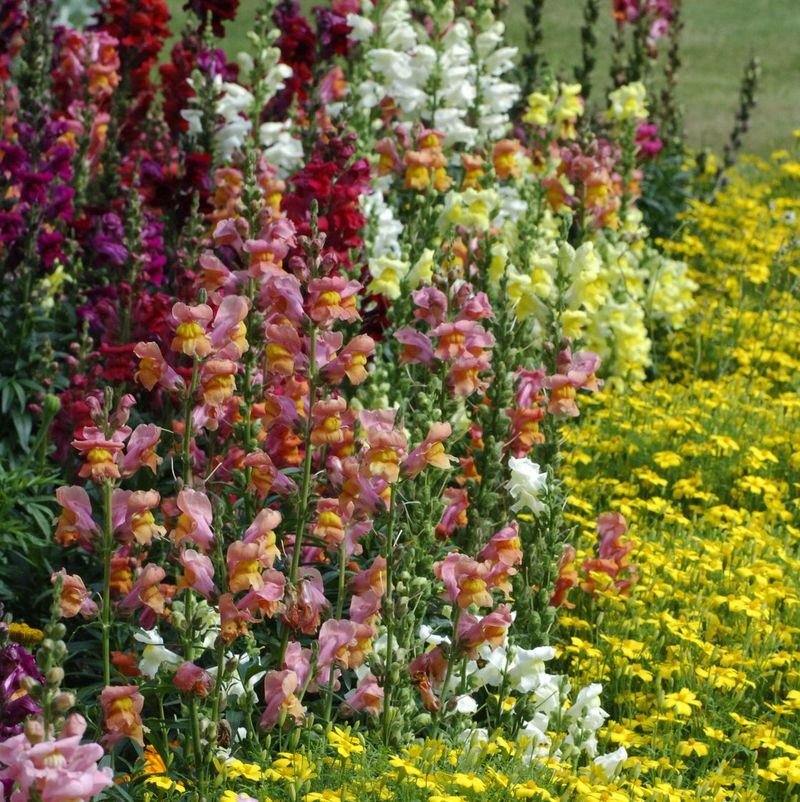
Squeeze the side of a snapdragon bloom and it opens like a tiny dragon’s mouth, a trick kids never get tired of. Beyond the fun, these upright spikes add height and color to winter beds.
Snapdragons love the cool nights and mild days of a California winter. Plant them in full sun, and taller types may need a stake if winter winds are strong in your area.
Bumblebees are among the few insects strong enough to push open the flowers, so watch for them on warm afternoons. Cutting the main spike after it fades often triggers a second flush of side blooms.
6. Iceland Poppies
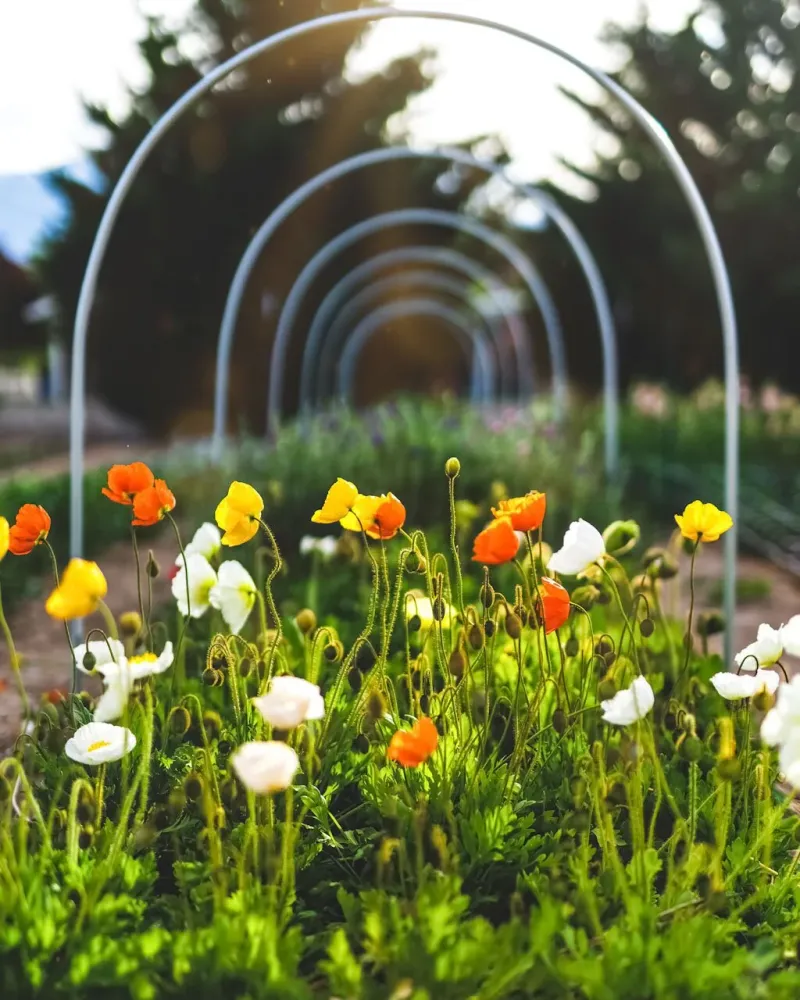
Picture tissue-paper petals in peach, coral, and cream, floating on thin wiry stems. Iceland poppies bring an airy, almost magical look to a winter garden.
They thrive in cool weather and full sun, and they look especially lovely in porch containers where you can admire them up close. Buy transplants now for blooms that can last until the weather warms in spring.
Water at the soil level instead of over the top, since soggy crowns can rot. For longer-lasting cut flowers, pick them just as the buds begin to crack open.
7. Stock
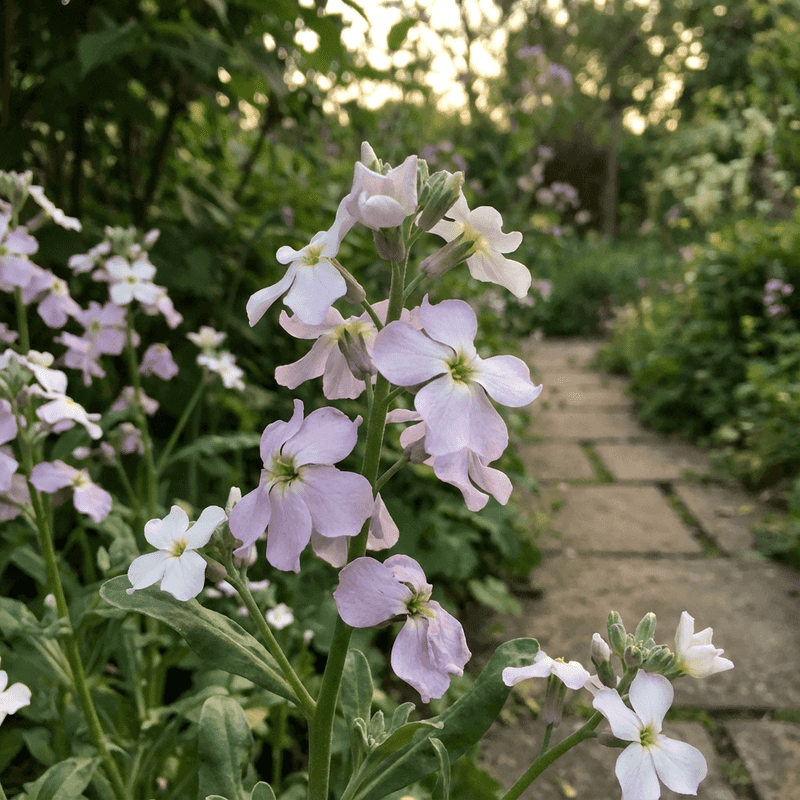
Step outside on a winter evening near a bed of stock, and the spicy, clove-like perfume will stop you in your tracks. The scent tends to get even stronger as the sun goes down.
Stock grows dense spikes of flowers in white, pink, purple, and apricot. It prefers cool temperatures, so it can fade quickly once summer heat arrives, which makes now the ideal planting window.
Plant it near doorways, patios, or open windows to enjoy that fragrance. Full sun and well-drained soil help keep stems sturdy and blooms plentiful.
8. Violas
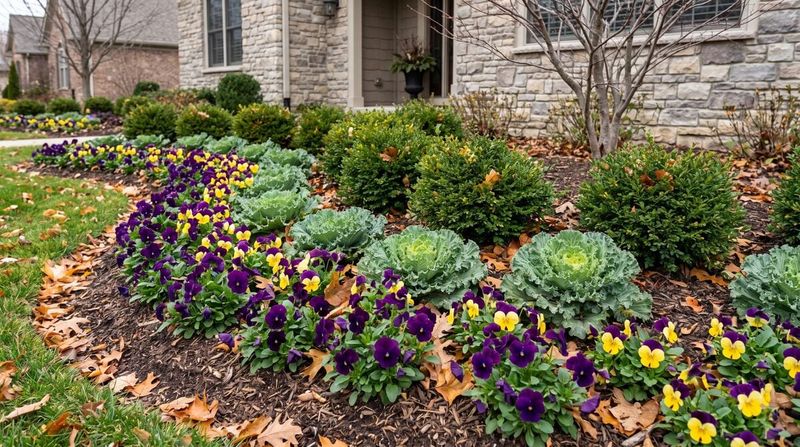
Small but mighty, violas pack more blooms per plant than their bigger pansy cousins. They also tend to handle rain and wind with less flopping.
Use them to edge beds, fill gaps between succulents, or brighten window boxes. Their petals are edible too, so they can add a pretty touch to salads and desserts.
Violas often reseed in friendly ways, popping up in odd corners next winter. Light, regular moisture and a sunny spot are all they really ask for.
9. Nemophila (Baby Blue Eyes)
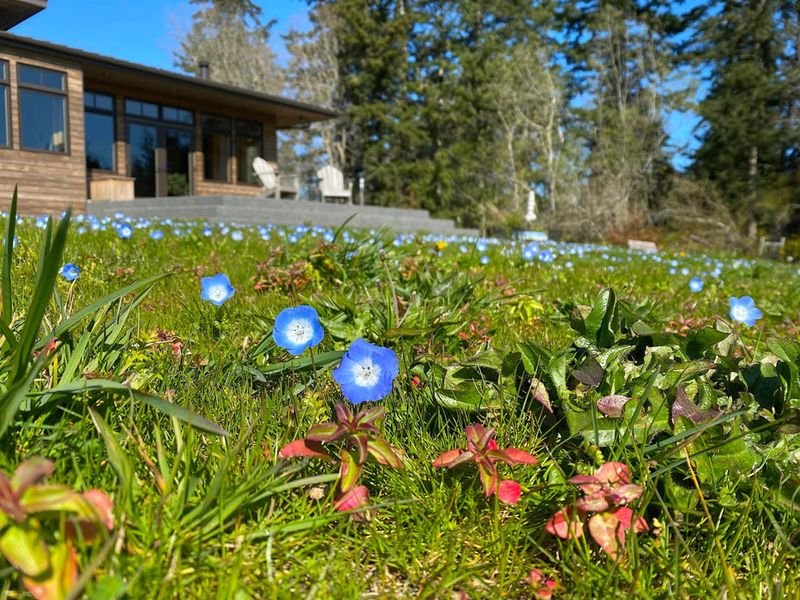
Native to California, baby blue eyes form low carpets of sky-blue flowers with crisp white centers. It is hard not to smile at a patch of them under a tree.
Scatter seeds now in sun or partial shade, and winter rain can carry them through to bloom in late winter and spring. They work beautifully under deciduous trees or mixed with California poppies.
Native bees and other small pollinators can benefit from these early blooms. Because they come from local wild places, they usually need little or no extra water once rains are steady.
10. Primrose
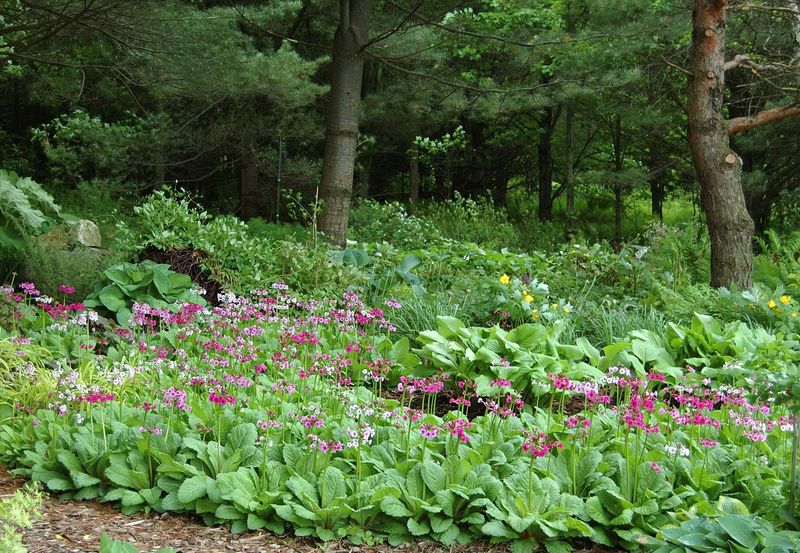
Got a shady porch that feels gloomy all winter? Primroses are made for exactly that spot, bringing jewel-bright color where many flowers struggle.
English primroses and fairy primroses both enjoy cool, moist conditions and bright shade. They pair well with ferns or under trees along the coast and in milder inland areas.
Keep the soil evenly damp but not soggy, and watch for snails and slugs after rainy nights. Hand-picking pests or using a wildlife-safer bait can protect the blooms without harming birds or beneficial insects.