
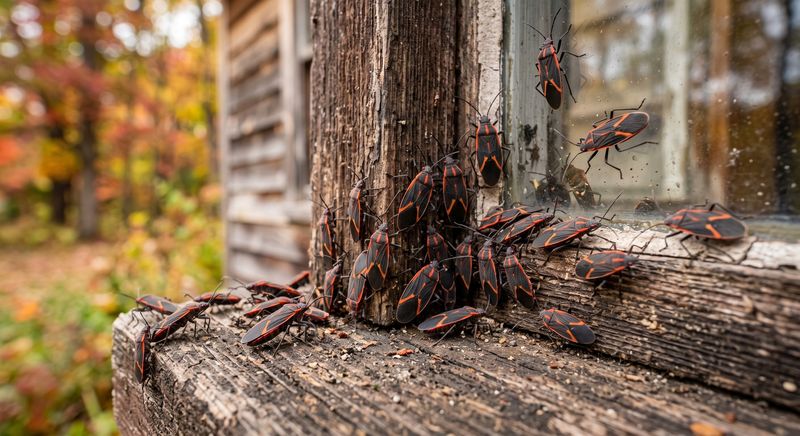
Warm fall afternoons in North Carolina can bring dozens of black and red bugs to the sunny side of your house. They are boxelder bugs, and they are looking for a snug place to spend the winter.
They do not harm your home, but they can turn into an indoor nuisance. A few smart steps now can cut down on how many find their way inside.
Why boxelder bugs gather on sunny walls in fall
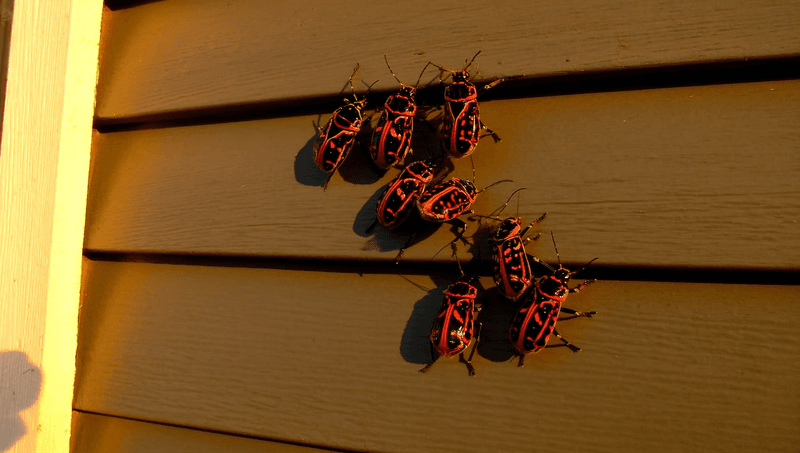
Sunlight on a south or west wall acts like a heater for boxelder bugs. As fall temperatures drop, adults leave the trees where they fed and gather on warm surfaces while they look for protected places to spend the winter.
The pile you see on your siding is a shelter-seeking crowd, not a scouting party.
That difference matters. The sources describe seasonal movement toward shelter, and none of them show that a big cluster predicts a worse invasion next year.
Boxelder bug numbers rise and fall from year to year, so a busy wall this October is not a forecast. Treat it as a cue to act on the things you can control.
Fall clustering is not unique to one place. An older North Carolina Cooperative Extension newsletter notes that the bugs congregate in fall, that host trees play a role, and that vacuuming helps.
Because that item dates to 2003, it supports the general idea that this happens in our state. It is not a current treatment calendar, and you should not read it as one.
The same pattern shows up in Virginia Cooperative Extension guidance, which treats the bugs mainly as a nuisance. Whether you live in the mountains, the Piedmont, or the coastal plain, the plan is similar.
Understand the behavior, then focus on keeping bugs from getting indoors.
Why some bugs appear indoors later
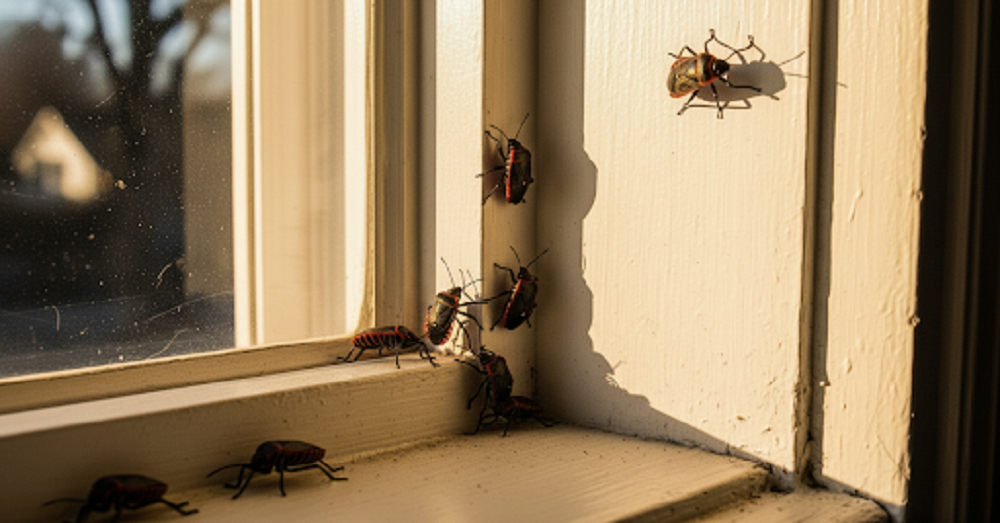
Picture the bugs’ timeline. In fall, adults slip into cracks and gaps and settle into sheltered spaces such as wall voids, attics, and other protected corners.
They stay put through the cold months, often unseen.
Then a mild winter day arrives. Colorado State Extension explains that overwintering adults can become active on warm days, and some wander out of the walls into living spaces.
A bug on your windowsill in January or April almost certainly got in the previous fall.
Here is a useful clue for sorting out what you are seeing. These insects do not breed indoors, so a few stragglers are not a growing colony.
Virginia Cooperative Extension describes them as a nuisance rather than a threat to the building. They do not chew wood or damage the structure.
In spring, the survivors try to head back outdoors to feed and lay eggs on host plants. Minnesota Extension guidance describes this same cycle.
Bugs that are confused by indoor light often end up at windows, which is why you notice them there. If you find one or two, simply remove them.
A steady stream, though, points to an open entry route worth finding.
Seal suitable gaps to reduce indoor entry
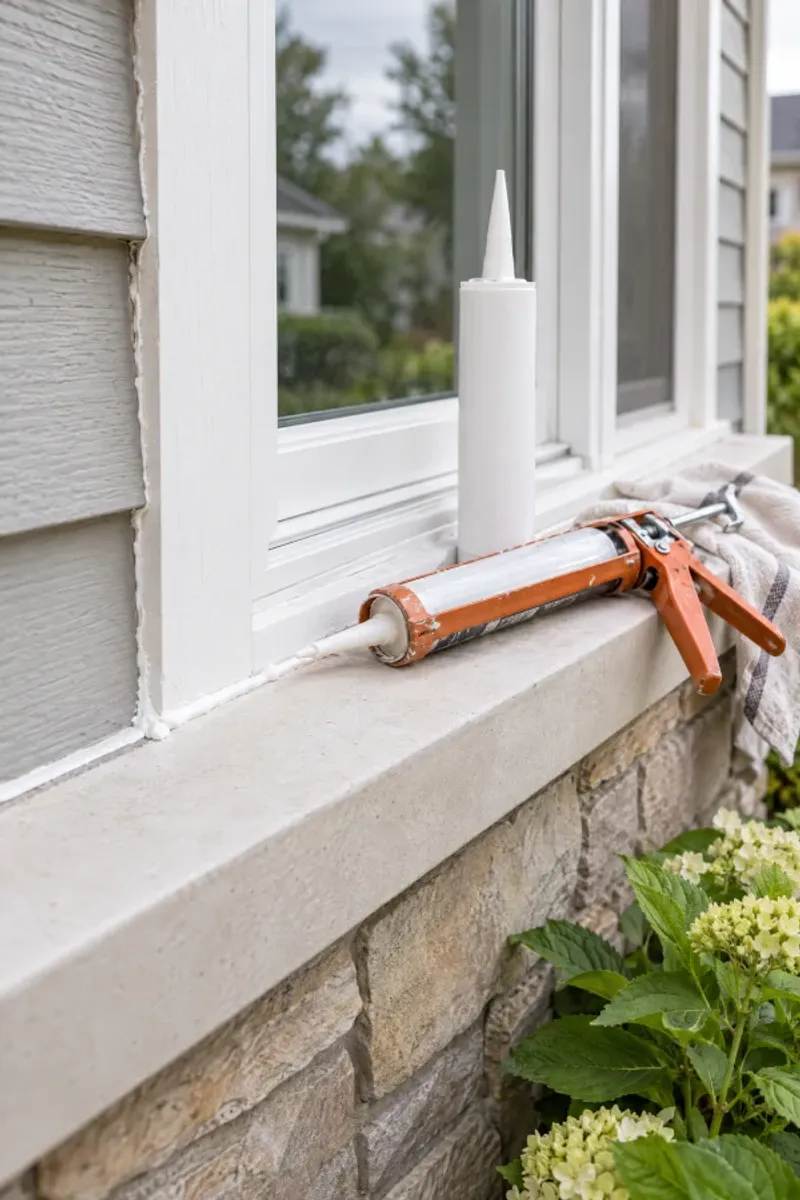
Exclusion is the most practical home measure, and early fall is a good time to do it. Walk around the house with a flashlight and a tube of exterior-grade caulk.
Start on the sunny sides, since that is where bugs gather first.
Check window and door frames, the gaps where siding meets trim, utility openings, and the foundation line. Virginia Cooperative Extension recommends repairing damaged screens and weatherstripping and sealing suitable cracks and gaps.
Replace worn door sweeps too, because a quarter-inch gap under a door is plenty for a small bug.
Vents deserve a careful look. Attic, soffit, and crawl space vents often need screening, but they must keep airflow.
Appropriate ventilation plugs can be used where they fit, though you should never block an opening your house needs to breathe.
Do not seal masonry weep holes. On brick homes, those small gaps near the base let moisture escape from behind the wall.
Plugging them can trap water and cause real damage, so leave them open.
Guidance such as the Minnesota Extension publication also stresses exclusion before bugs move in. Sealing can reduce how many get indoors.
It cannot promise that bugs will vanish from your yard or stay away in future seasons, and some may still find a way in. Think of it as lowering the odds rather than closing the door for good.
Treat nearby trees and seeds as clues, not a cure
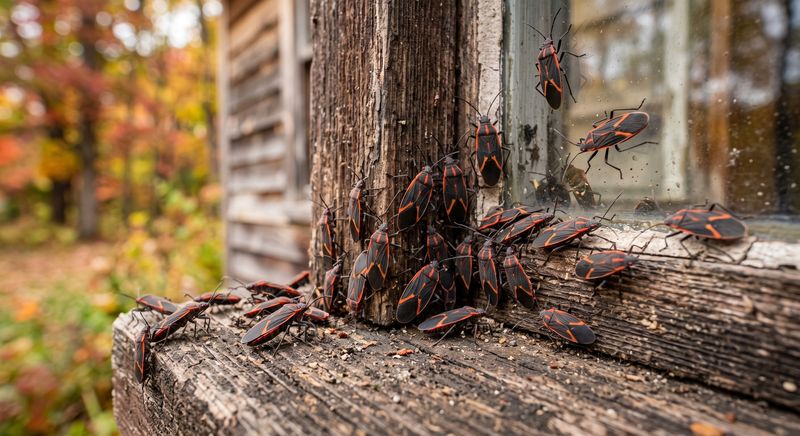
Look at the trees around your home for a clue about where the bugs come from. Female boxelder trees, the ones that drop clusters of winged seeds, are especially attractive hosts.
Purdue Extension describes how the bugs feed on those seeds.
A boxelder nearby does not tell the whole story, though. The bugs can also use other maples and ash, and adults can fly in from a neighbor’s yard or a wooded edge.
Your house may draw bugs even if you have no boxelder at all.
Seed cleanup is a reasonable chore. Sweeping or vacuuming fallen seeds from driveways, patios, and walkways takes away some food.
University of California IPM lists this kind of cleanup as a helpful step. It is not proven to prevent bugs from entering your house on its own.
Cutting down trees is where people often go too far. Extension guidance says removal is generally not necessary.
Consider it only for a single female boxelder that is a persistent, confirmed source, and only if you are comfortable losing the tree.
Even then, removal may not solve the problem if neighboring trees keep supplying bugs. Shade, wildlife habitat, and yard value are worth weighing before anyone picks up a saw.
Clear clusters and indoor stragglers
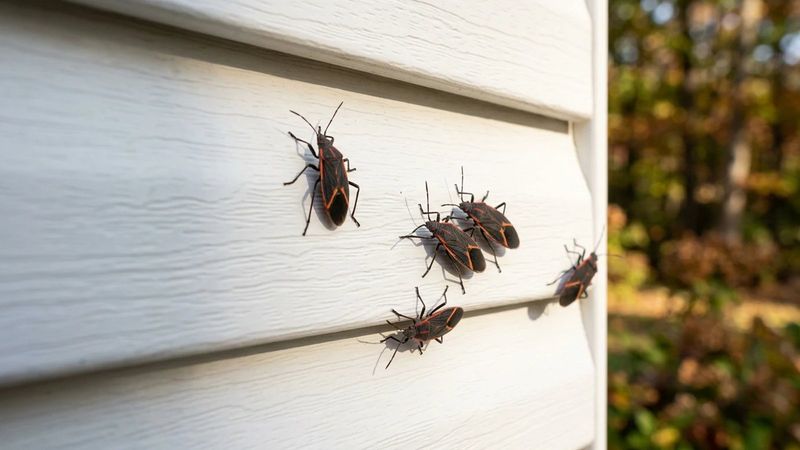
When bugs are already piled up, a garden hose is your easiest tool. A firm spray knocks a cluster off the siding and sends the bugs to the ground.
Virginia Cooperative Extension lists a hose as a way to dislodge them. Aim away from windows and door gaps so you are not pushing water or bugs toward openings.
Indoors, grab a vacuum with a hose attachment. Sweep or suck up the stragglers on windowsills and floors, then empty the vacuum canister or bag promptly.
Left sitting, the bugs can crawl out again, and crushed ones may leave stains and an odor.
Fallen seeds on hard surfaces are optional cleanup. A quick pass with a broom or outdoor vacuum along the patio or driveway, as UC IPM notes, removes a potential food source near the house.
All of this handles the nuisance in front of you. Hosing and vacuuming do not stop the next group from arriving, so keep sealing gaps on your to-do list.
A weekend of caulk and a few minutes with the vacuum make a good pair.
Use pesticides cautiously, if at all
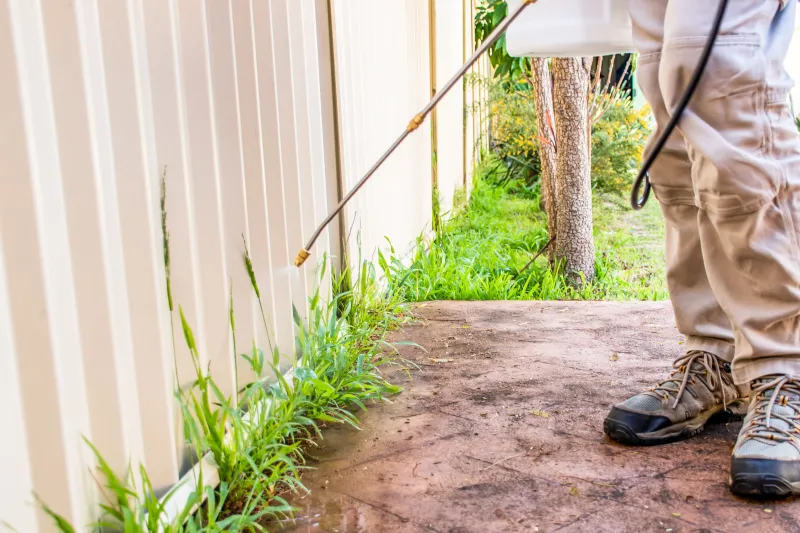
Sprays belong at the bottom of the list, behind sealing and cleanup. If you decide to consider an exterior treatment, timing matters.
A preventive perimeter treatment has to go on before the bugs show up.
Virginia Cooperative Extension points to mid-to-late August for its region. That is not a date for every North Carolina county.
Timing shifts with local weather and the year, so mountain, Piedmont, and coastal homes may not match.
The product label is your rulebook. One EPA-registered label lists boxelder bugs on certain exterior surfaces, prohibits indoor use, and warns against runoff into storm drains and water.
A product that is right for one surface may be wrong for another.
Skip homemade mixtures and broad spraying across the yard. UC IPM also advises care with products, and sprays that hit bees or wash into water can cause harm beyond the bugs.
Never spray inside unless the label clearly allows it.
If clusters keep coming despite your efforts, a licensed pest professional can read the situation and the label requirements. Bugs on the wall are an annoyance, and the calmest fixes usually work best.