
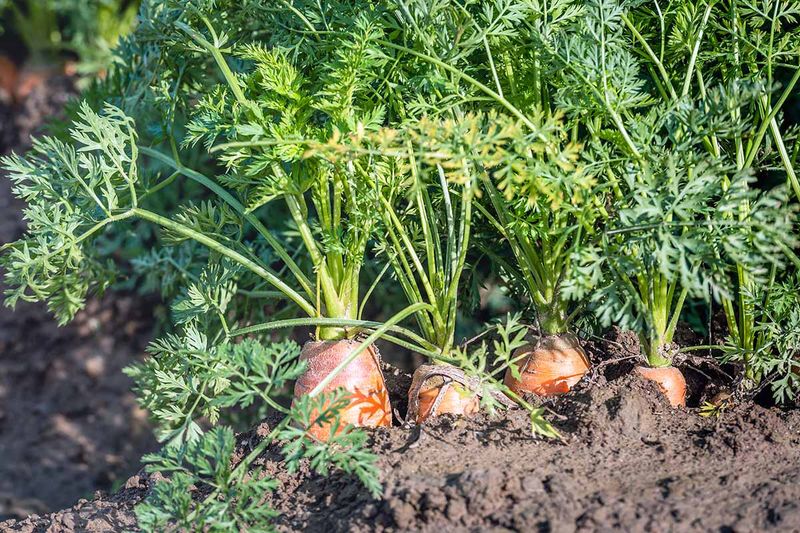
Pull back the foliage on a fall carrot row and you may spot a patch of green on the upper part of a root. That color comes from sunlight hitting the carrot where it should have been covered by soil.
In Texas and Florida beds, a few minutes of checking can help you head it off before harvest. Here is how it happens, what to do about it, and when to plant.
An exposed root shoulder can turn green
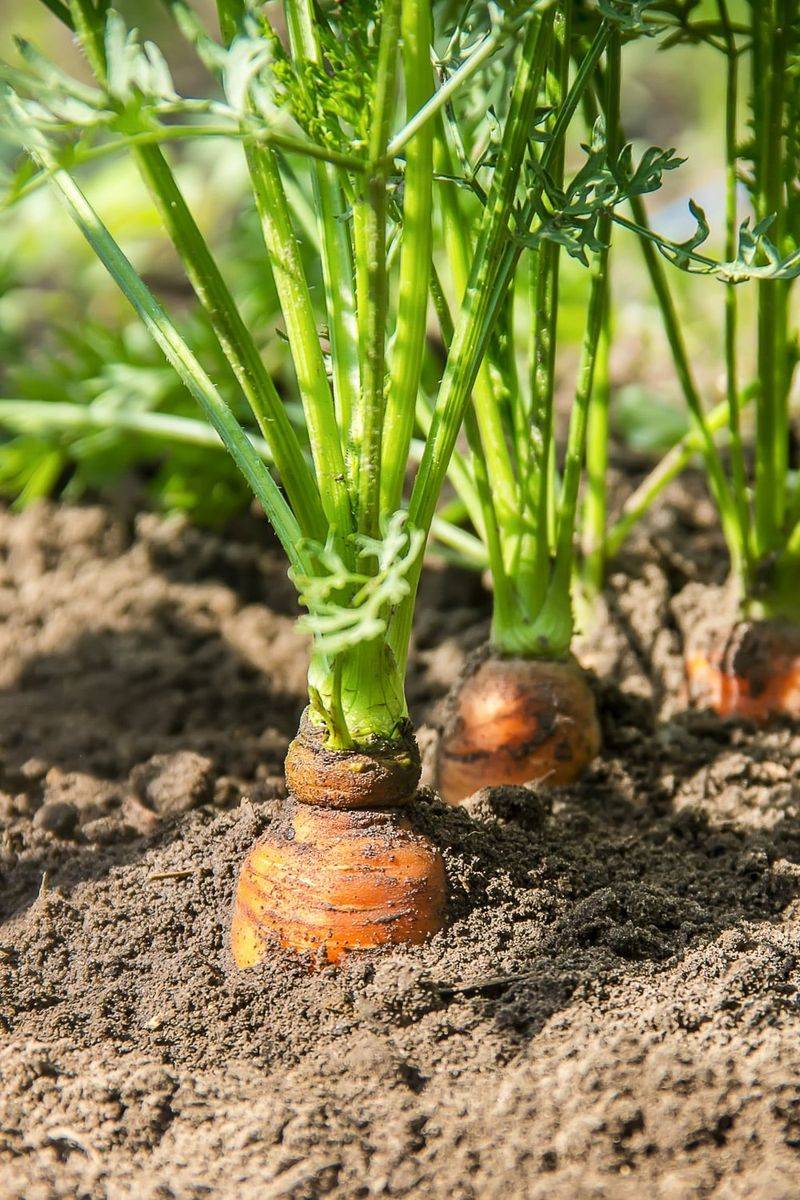
Look at the top of a carrot root, right where the leafy stems begin. That wide upper part is the shoulder, and when sunlight reaches it, it can turn green.
The color is easy to spot against the orange below.
According to Illinois Extension carrot guidance, an exposed shoulder can turn green and the green area may taste off. The word to hold onto is may.
The off-flavor is tied to the green portion, so the rest of the root is not automatically bitter. Greening also is not the only reason a carrot can taste bitter, and later sections cover the other causes.
Here is the distinction that matters most for your bed. Covering a shoulder with loose soil blocks further light, so it works as prevention.
Nothing in the sources reviewed shows that covering turns an already-green shoulder orange or brings back its flavor. Think of soil as a shield for shoulders that are still orange, not as a repair for green ones.
Also note what is exposed. Carrot leaves are supposed to grow above ground.
The concern is the root shoulder, not the foliage.
Growing roots and heavy rain can expose shoulders
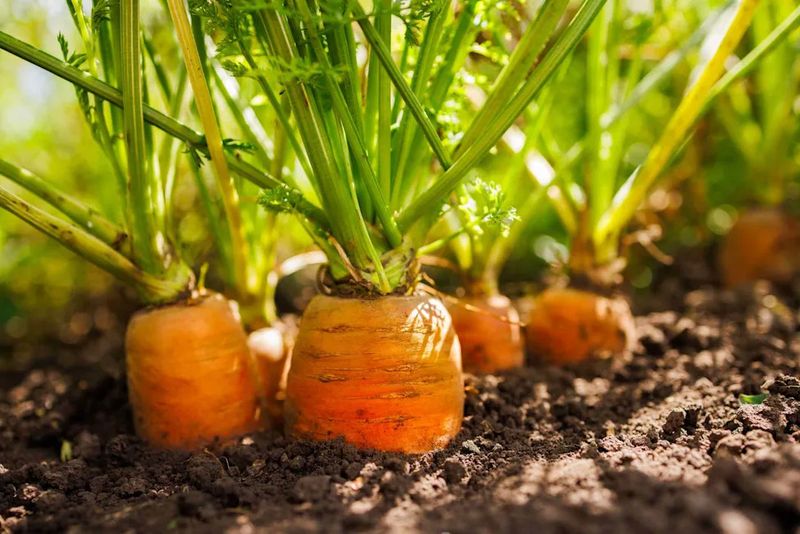
Carrots do not stay put as they grow. Roots swell, and as they thicken they can push their upper shoulders up toward the surface.
A row that looked well covered a few weeks ago may now have orange crowns showing.
Rain is the other culprit. Illinois Extension’s carrot growing advice notes that heavy rain can wash soil away from the roots.
Fall storms and tropical downpours in Texas and Florida can strip loose, sandy bed soil quickly, especially on a slope or at the edge of a raised bed.
That gives you a simple routine. Walk the row as the roots size up, and look again after any hard rain.
Part the foliage with your fingers and check the base of each plant. Shoulders that are bare or just barely visible are the ones to watch.
Catching them while they are still orange is the whole point, since that is when covering helps most.
Draw loose soil over exposed shoulders
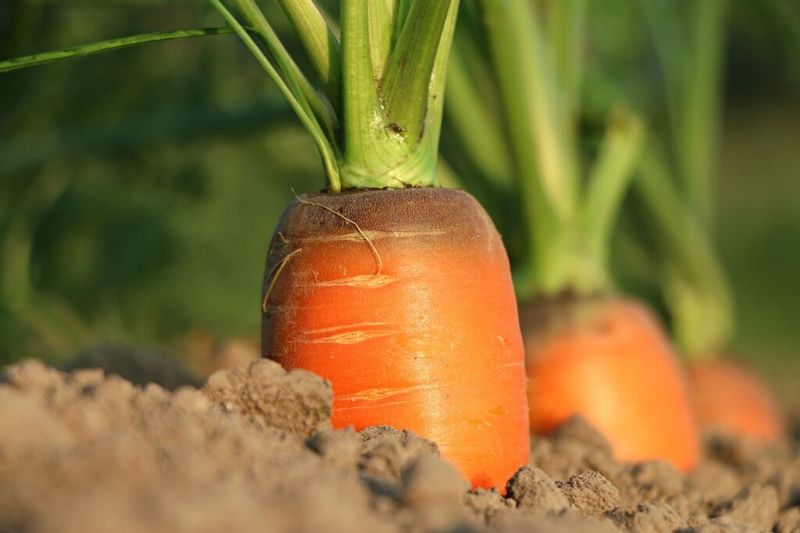
Start by inspecting the bed. Crouch down and look along each row for roots whose upper shoulders are showing.
Check the soil too, since crusted or washed-out spots are where exposure tends to happen.
Next, gently pull loose soil from beside the row over each exposed shoulder. A hand or a small trowel works fine.
Use crumbly soil and go easy so you do not tug or bend the root. Cover only the shoulder, and keep the leafy tops uncovered so the plant can keep making food from light.
Finish with a recheck after heavy rain. Because Illinois Extension notes that rain can wash soil away, a shoulder you covered on Monday may be bare again by Friday.
Add soil as needed.
What does this accomplish? It blocks further light from reaching the shoulder.
That may help prevent greening, though it cannot be guaranteed. It is not a treatment for shoulders that are already green, which will likely stay that way.
Use mulch lightly if you choose it
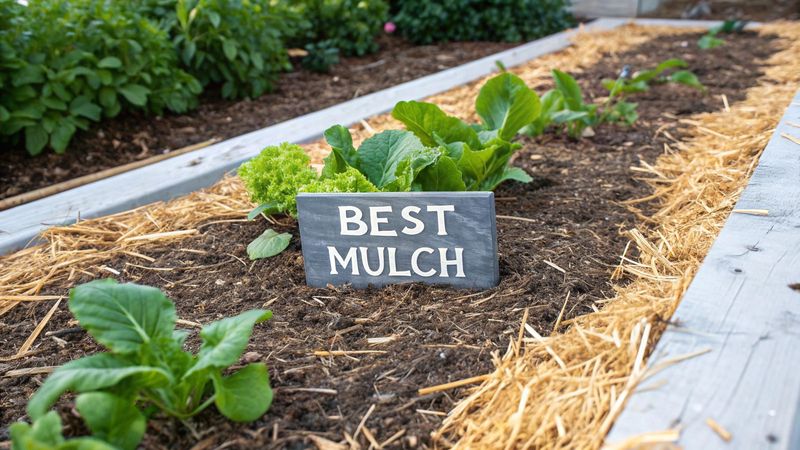
Mulch can shade a bare shoulder, so it is a fair option if loose soil is hard to come by. Still, it is not the main fix.
The Illinois carrot guidance specifically recommends drawing loose soil over exposed shoulders, so start there.
If you go with mulch, keep it modest. UF/IFAS gardening guidance on mulches suggests about 1 inch around small vegetables.
Choose something light and loose, such as shredded leaves or straw, and rake it into place around the plants rather than piling it high.
The reason to go light is airflow and water. Mulch that mats down into a dense layer can impede water and air from reaching the soil, which is the last thing a thirsty carrot bed needs in a warm fall.
Treat any mulch mound as a shade measure, not a guaranteed fix. It will not undo green color that has already formed.
Trim an unpleasant green portion at harvest
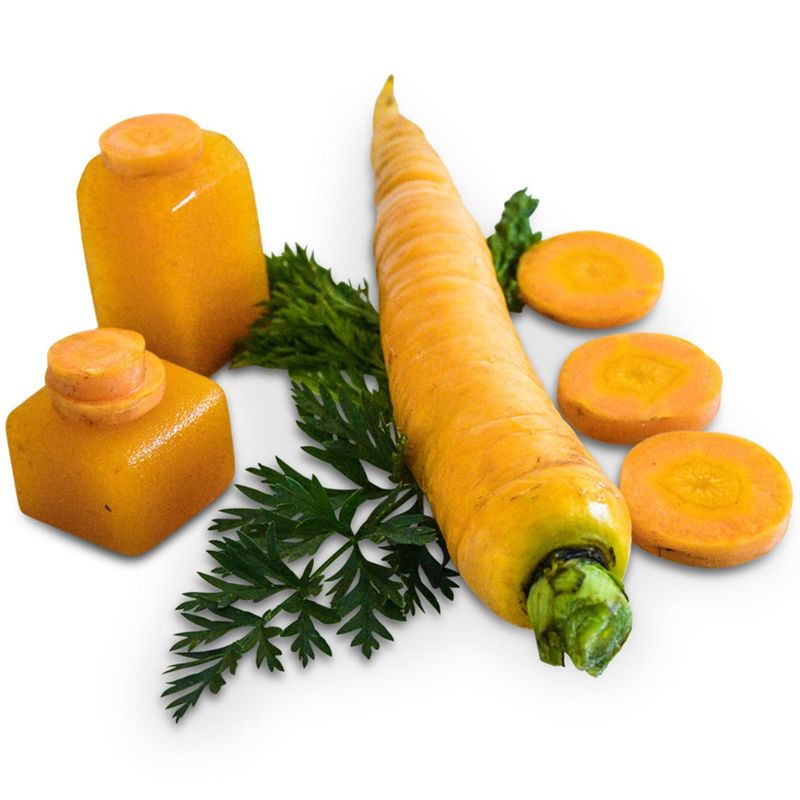
Harvest is where prevention gives way to practical cleanup. If a carrot came up with a green shoulder, Illinois Extension advises cutting away the green portion if it tastes unpleasant and using the rest of the root.
The sources reviewed describe a color and flavor issue, not a food-safety alarm.
Green is not the only route to a bitter carrot, so do not assume it explains every harsh bite. Utah State Extension points to heat and other growing stress as possible causes.
Roots stored near ripening fruit can also pick up bitterness from ethylene, as UC Davis postharvest information explains.
Aster yellows is another possible cause. Yellowing leaves and lots of hairy roots are signs associated with it, but they are clues, not a diagnosis made from bitterness alone.
So taste a trimmed piece. If the orange part is sweet, you have lost only a little.
Choose a fall planting window for your part of the region
Texas and Florida are big states with very different growing seasons, so one calendar will not fit everyone. Pick the window that matches where you live.
For Texas, Texas A&M AgriLife Extension advises August planting for a fall crop in many parts of the state. South Texas gets a much longer run, July through February.
Florida splits too. UF/IFAS lists August through March for North and Central Florida, and September through March for South Florida.
If you are near a boundary, such as the Rio Grande Valley edge or central Florida’s southern counties, call your county Extension office to confirm local timing.
Whatever your date, the shoulder habit stays the same. Sow, thin, and then keep an eye on the tops of the roots as they bulk up.
A carrot that stays tucked in soil is one that stays orange.