
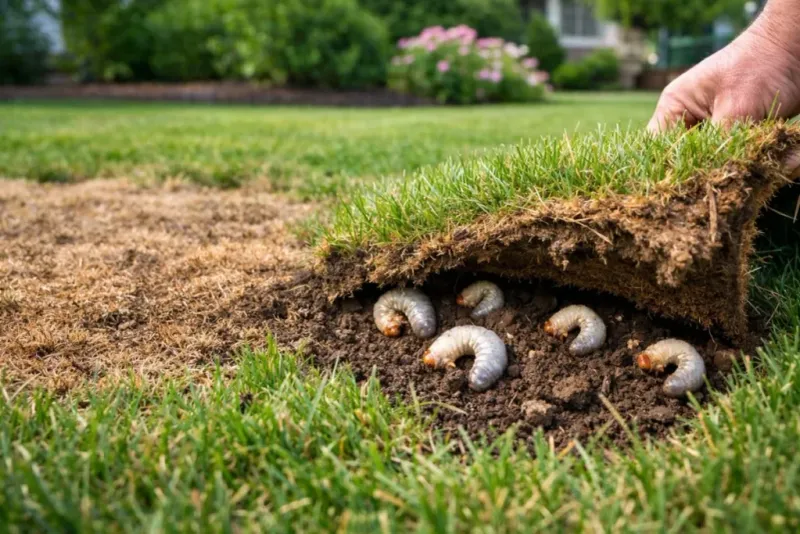
Japanese beetles chew up roses and beans all summer, so it is easy to want a fall fix for next year. Many North Carolina homeowners hear that one lawn treatment in November will shrink next summer’s swarm.
That idea does not hold up well, and it could cost you money for little payoff. Here is what to check in your lawn, and when grub control actually makes sense.
November Is Usually Too Late for Japanese Beetle Grub Control
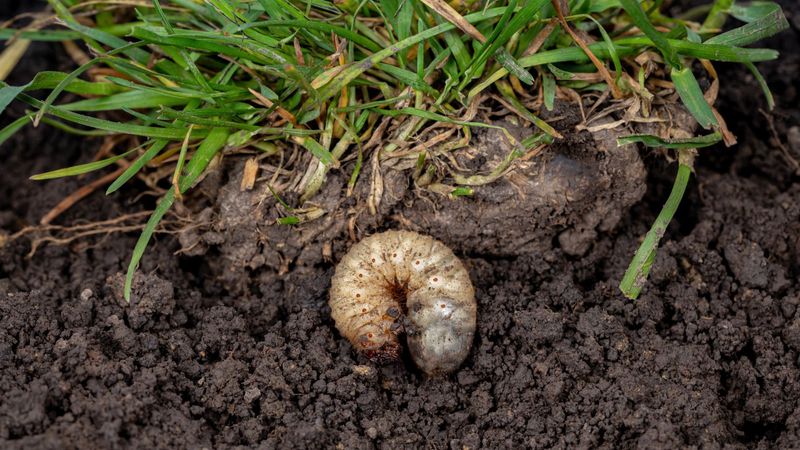
A November lawn treatment is generally too late to be a reliable rescue for Japanese beetle grubs, and it does not decide how many beetles show up next summer. NC State Extension’s Japanese beetle guidance explains that the grubs stop feeding as autumn cools and burrow deeper into the soil to overwinter.
Once that happens, they are no longer munching roots near the surface where most products can reach them.
The timing matches the state’s turf recommendations. NC State’s guide to arthropod pests of turf places Japanese beetle grub control from June through October.
November falls outside that window for most lawns, so a fresh application is a long shot.
Regional differences matter too. Activity tends to run later in the mountains than in eastern North Carolina, so there is no single date that fits every yard from Asheville to Wilmington.
Even so, a blanket claim that grubs are feeding everywhere in November does not match what NC State reports.
The headline idea that you must finish one lawn job now or beetles return worse also falls apart. Adult beetles fly, and they can arrive from yards and fields you never treated.
A treatment in your lawn mostly protects your turf, not your rose bushes.
So skip the fear-driven purchase. If you saw dying turf this fall, the smart move is to inspect the lawn first and learn what is actually going on in the soil.
The next section shows you how.
Check the Turf Before You Consider Treatment

Brown grass is a poor reason to blame grubs. Drought, disease, dog spots, and heat stress can all leave patches that look much the same.
The only way to know is to look under the turf.
Grab a spade or a sturdy knife and cut a small section of sod on three sides, then fold it back. Check the roots and the top few inches of soil for grubs.
NC State’s turf pest guide recommends sampling several areas of the lawn, because grubs can be concentrated in one spot and missing from another.
Look for the clues that point to real feeding. Roots may look chewed or cut short, and the turf may lift easily, almost like a loose carpet.
If the roots are firm and the sod stays anchored, grubs are probably not your problem.
Try a few spots at the edge of a damaged patch, since that is where active feeding often shows up. Sample a couple of healthy areas too, so you can compare.
Write down what you find and where.
NC State advises using controls only when pest numbers pass a treatment threshold or damage is considerable. The guidance does not set one simple grub-per-square-foot number for every North Carolina lawn, so be wary of a magic count borrowed from another state.
A lawn with healthy roots and a few grubs is in a different spot than one with large patches peeling away.
White Grubs Do Not All Follow the Same Calendar
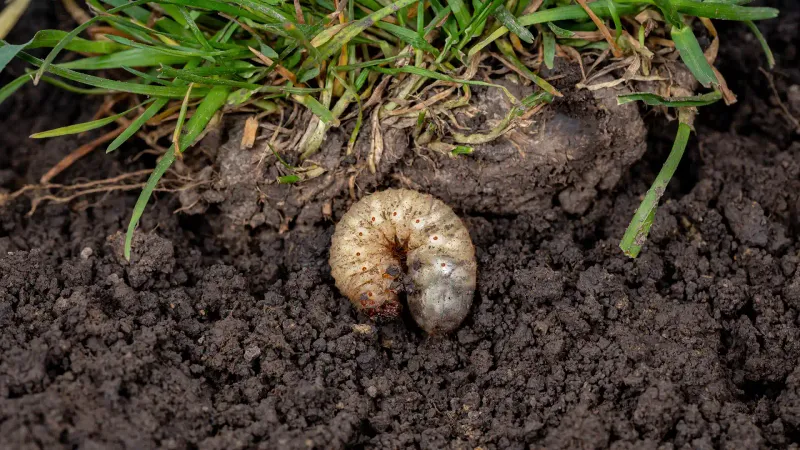
Pull up a grub and you may be holding a Japanese beetle larva, or you may not. “White grub” is a catch-all name for the larvae of several beetle species. NC State’s white grub publication notes that species and location affect when grubs feed and when control makes sense.
That means advice for one kind of grub should not be pasted onto all of them. A tip aimed at another species, or another state, may not fit the grubs in your soil.
If you are unsure what you found, a local Cooperative Extension office can help identify it.
Here is a scoped example. NC State’s cool-season home lawn calendar says early-fall curative applications may control some white grubs in tall fescue, hard and fine fescue, and Kentucky bluegrass lawns.
Results depend on grub size, and smaller grubs are the easier target. That is an early-fall note for those grasses, not an endorsement of November treatment, and it does not cover every lawn in the state.
Geography shifts the picture as well. As NC State’s Japanese beetle page points out, activity can run later in the mountains than in the eastern part of the state.
Instead of chasing a date, match your plan to the grubs you confirm and the stage they are in.
Plan Future Grub Control Around the Grub’s Stage

Grub products fall into two broad camps, and the difference is timing. Preventive treatments are meant to be in place around peak adult flight and egg laying.
Curative treatments are for confirmed infestations, when grubs are actively feeding near the surface.
NC State’s turf guide frames preventive timing around the adult season, not around November. Curative products can work when grubs are young and feeding, but NC State’s white grub information makes clear that results vary with timing and grub size.
Nobody can promise a fix no matter when you apply.
For next year, a simple plan beats a panic purchase. Note when beetles show up in your yard, check for damage in late summer, and sample the turf before you decide anything.
If you confirm grubs and live in a spot where damage keeps returning, you will know what to ask your county Extension office.
You may also hear about milky spore, a bacteria product sold for Japanese beetle grubs. An older NC State publication describes it, but University of Minnesota Extension says modern university trials have not shown a benefit from commercial applications.
Treat it as an uncertain option, not a dependable or long-lasting solution.
Treating Your Lawn Cannot Keep Flying Beetles Out of the Garden

Picture your lawn as one small patch in a large neighborhood. Adult Japanese beetles are strong fliers, and they roam well beyond the yard where they grew up.
That is why a grub treatment on your grass cannot reliably shrink the crowd that lands on your roses next July.
Iowa State Extension addresses this question directly: beetles can fly in from untreated areas, so treating grubs mainly protects the turf. Think of lawn treatment and plant protection as two separate jobs with two separate plans.
Traps are a good example of mixing those jobs up. NC State’s turf guide describes traps as a way to monitor adult flight, which can help you time grub control.
That is a different thing from hanging one next to your favorite plants.
In fact, NC State’s homeowner guidance warns that Japanese beetle traps may attract beetles toward plants. If you use one for monitoring, place it away from the plants you care about.
Do not count on a trap as dependable protection.
Follow the Pesticide Label and Protect Pollinators
If you confirm a grub problem and decide to use a pesticide, the label is your rulebook. Read the current version for the approved site, timing, application method, watering instructions, and safety precautions.
Labels change, so an old bottle or a neighbor’s advice is not enough.
This is more than good manners. The EPA states that using a pesticide contrary to its label is illegal.
The label tells you where the product may be used and how, so skipping it can put you on the wrong side of the law.
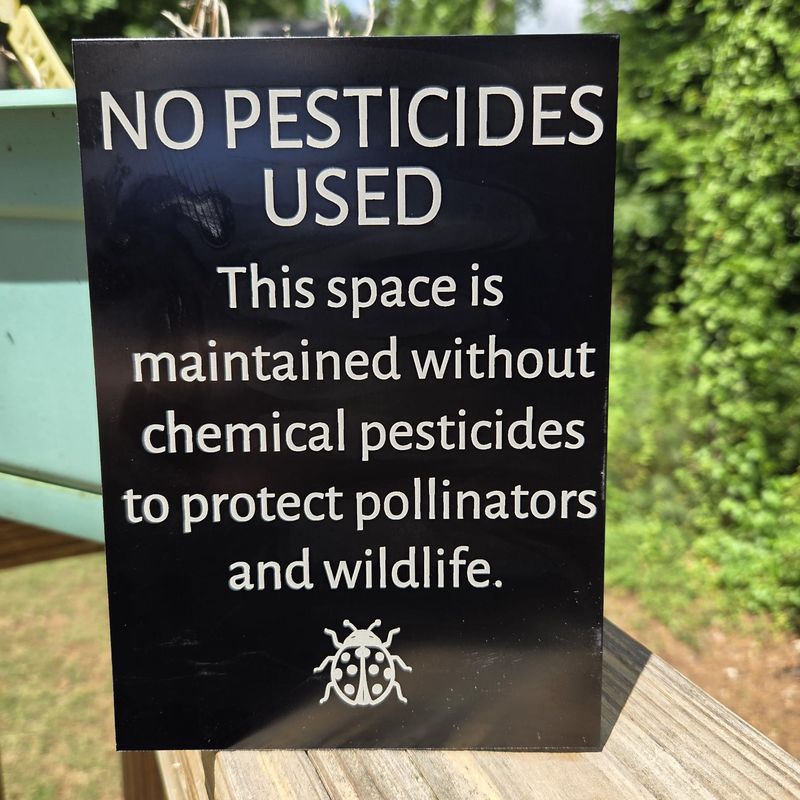
Pollinators deserve a thought as well. EPA’s wildlife tips note that most insecticides are toxic to bees.
Lawns often have clover or dandelions blooming, and nearby beds may be full of flowers, so check the label for bee precautions before you apply.
Keep the label’s cautions about wind, rain, pets, and children in mind too. Skip any product that is not labeled for your lawn and your pest.
When in doubt, call your county Extension office before you buy.
Use November to Verify the Problem, Not Chase a Beetle Swarm

Seeing a lot of beetles on your plants this summer is not a reason to spray the lawn this month. Adult numbers on shrubs and vines tell you little about what is happening in the soil.
As Iowa State Extension explains, grub treatment mainly protects turf.
If you have thin or peeling patches, lift a few small sections of sod and look at the roots, following NC State’s sampling advice. Jot down what you find so next season’s decisions rest on real evidence.
Plan any future control around confirmed grubs and the right seasonal window for your part of the state.
A shovel and ten minutes tell you more than any bag of product ever will.