
Those boxwoods and azaleas hugging your house may be drinking far more water than California summers can spare. Native shrubs can fill the same spots along your walls, walkways, and windows while feeding bees, birds, and butterflies.
Fall is the best time to plant them, because winter rains water their roots for free. Here are ten natives that can look sharper than your old hedge and ask for much less in return.
1. Howard McMinn Manzanita
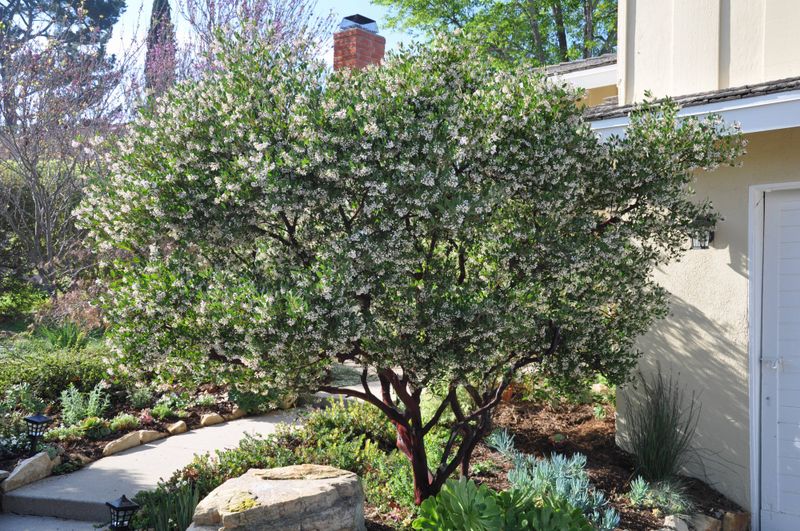
Picture smooth, cinnamon-red bark that looks almost polished, topped with tiny pink bells in late winter. Of all the manzanitas, Howard McMinn is often called the easiest for regular garden beds, which makes it a natural swap for a tired boxwood row.
It usually grows about 4 to 6 feet tall and wide, with a tidy mounded shape that suits spots under windows. Early native bees and Anna’s hummingbirds visit the flowers when little else is blooming.
Plant it in fall with good drainage and keep it a few feet from walls for airflow. Once settled, it may need only occasional deep summer water, and many inland gardens can skip it entirely after year two.
2. Ray Hartman Ceanothus
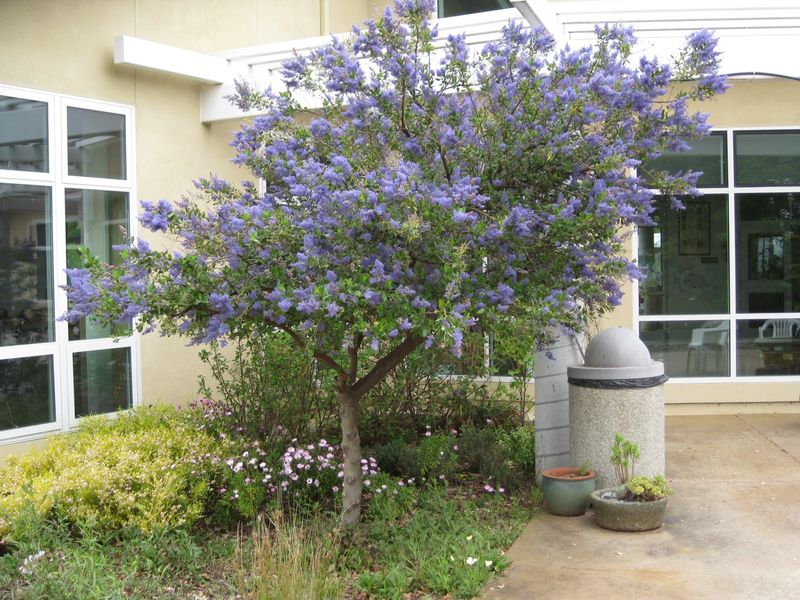
Bees hum so loudly around this California lilac in spring that you can hear it from the driveway. Clouds of sky-blue flowers cover glossy green leaves, turning a plain corner of the house into the most talked-about spot on the block.
Ray Hartman grows larger than many ceanothus, often 10 to 15 feet, so use it at house corners or to screen a blank wall rather than under low windows. You can also limb it up into a small tree.
Ceanothus can be short-lived when overwatered in summer, so go light once it is established. Fall planting lets winter rain do the heavy lifting.
3. Toyon
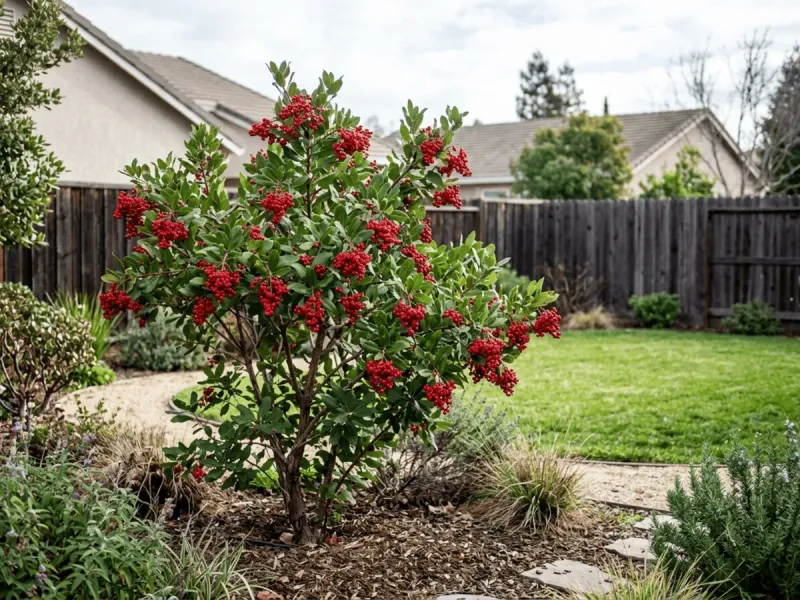
Hollywood got its name from this shrub, sometimes called California holly. Its bright red berries arrive in late fall and winter, just when gardens start looking bare.
Robins, cedar waxwings, and mockingbirds flock to the fruit, so your foundation planting becomes a bird buffet. Summer brings white flower clusters that pull in pollinators too.
Toyon handles clay, sun, and partial shade, and it takes pruning well if you want a hedge shape. It can reach 8 to 15 feet but stays smaller with a yearly trim.
4. Coffeeberry
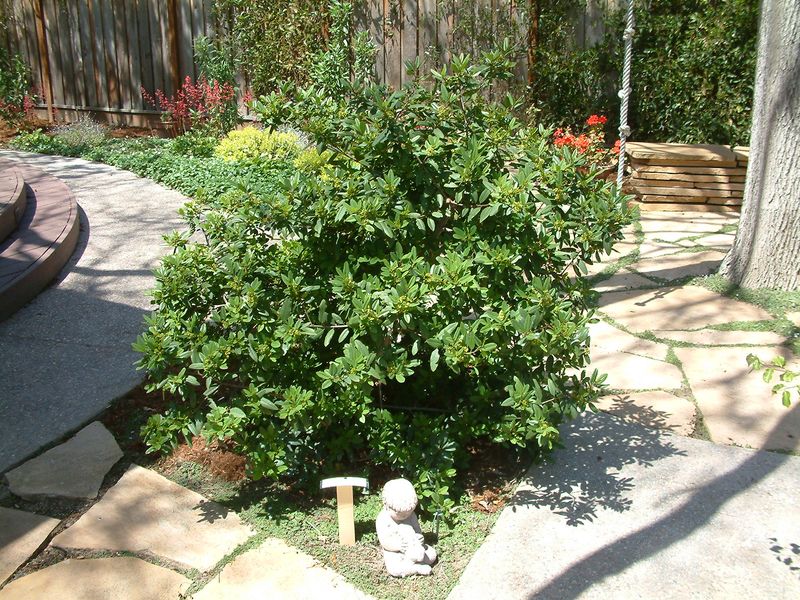
If you want something that reads as classic and clean, coffeeberry is your shrub. The dark green leaves look a lot like traditional hedge plants, so neighbors may never guess it is a drought-tolerant native.
Compact varieties like Eve Case stay around 4 to 8 feet and fit nicely along walkways. Berries shift from green to red to nearly black, and birds tend to pick them clean.
It grows in sun or shade, coastal or inland, which makes it one of the most forgiving picks here. A good choice if your yard has a shady north side.
5. Lemonade Berry
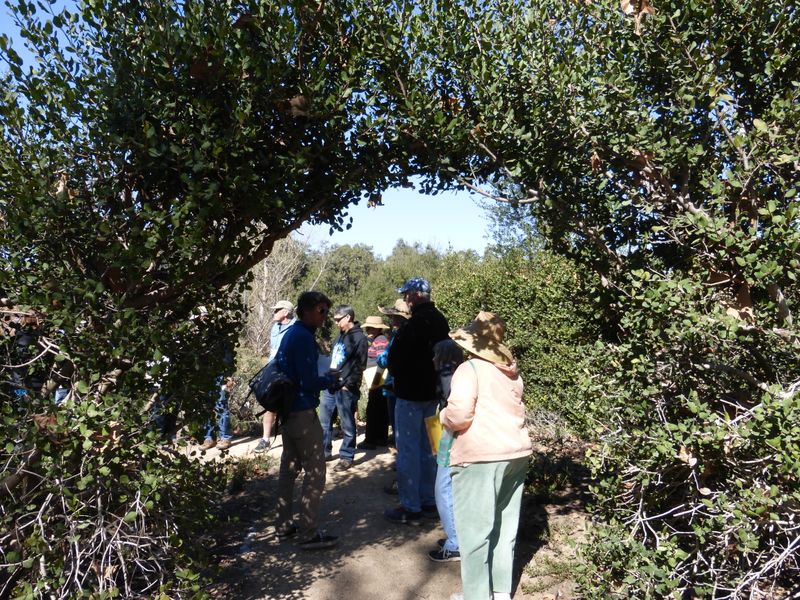
Early Californians soaked its sticky, tart fruit in water for a lemony drink, hence the cheerful name. Today, it is better known as a tough, glossy evergreen that shrugs off salty air and heat.
Leathery leaves stay green through summer, and pinkish flowers in late winter feed early bees. It works well as a hedge along Southern California property lines.
Give it room, since it can spread wide. Its thick leaves may hold moisture better than many dry shrubs, but keep any plant trimmed and spaced near homes in fire-prone areas.
6. Island Bush Snapdragon
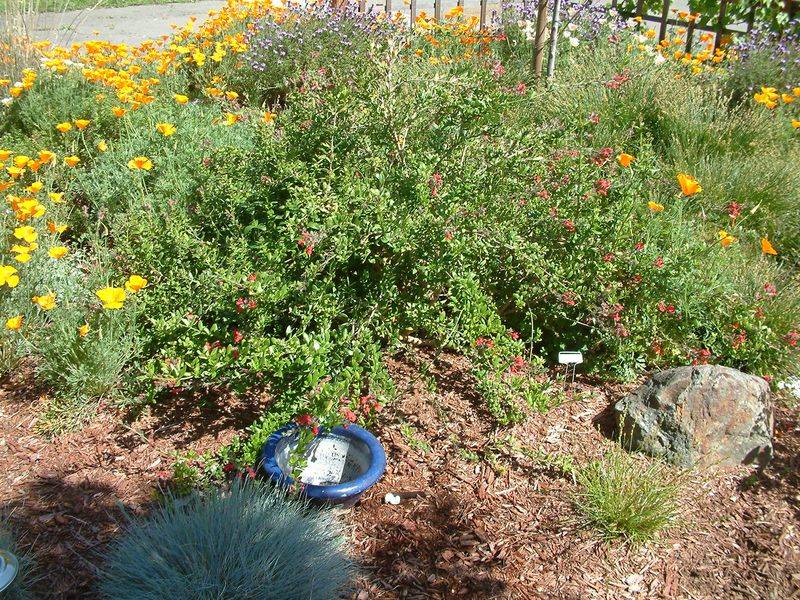
Dry shade is the spot where most foundation shrubs give up. Island bush snapdragon actually likes it, which is why it earns a place on this list.
Bright yellow tubular blooms show up for months, and hummingbirds treat them like a fuel stop. The plant stays about 3 to 4 feet tall, perfect under eaves or beneath trees.
It comes from the Channel Islands, so it handles drought well once rooted. A light trim after blooming keeps it full.
7. Cleveland Sage
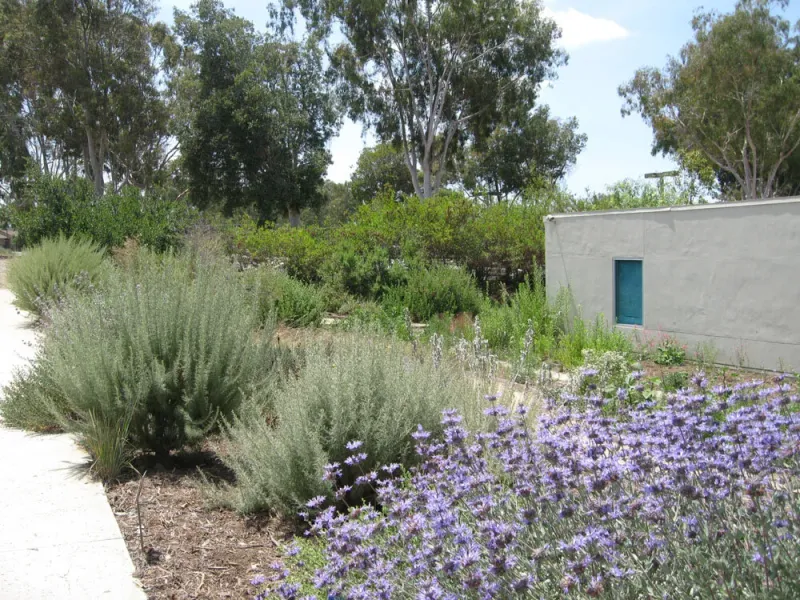
Brush past one and the whole porch smells like a hillside after rain. Cleveland sage has gray-green leaves and purple flower whorls stacked up its stems in late spring.
Butterflies, bees, and hummingbirds all visit. At about 3 to 5 feet, it fits nicely under sunny windows where you can enjoy the scent through the screen.
Full sun and fast drainage are must-haves. Skip summer water once established, and cut spent stems in fall to keep it compact.
8. Pacific Wax Myrtle
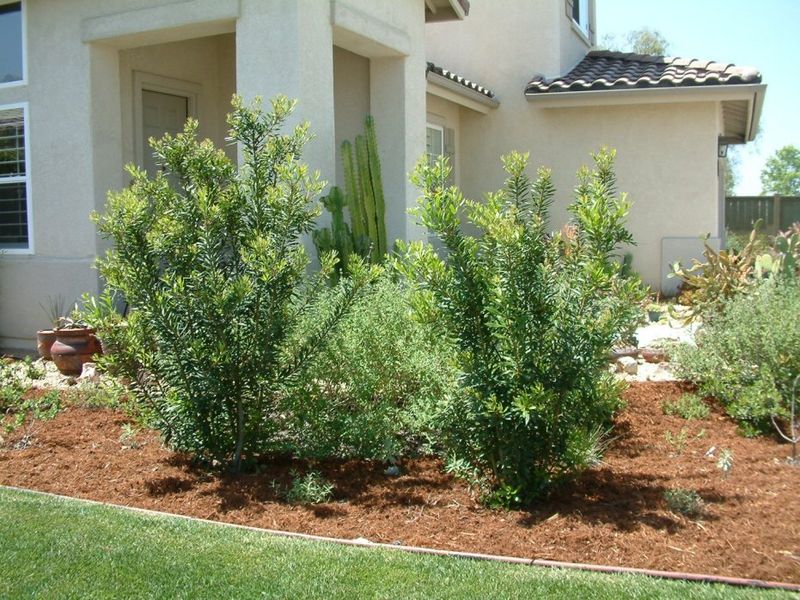
Need a formal hedge without the thirst? Pacific wax myrtle may be the closest native match to a clipped privet.
Its narrow, glossy leaves take shearing well, so it can be kept at 4 feet or allowed to grow tall for privacy. Birds nest in its dense branches and eat the small waxy berries.
It does best in coastal and mild inland areas and likes a little more water than most natives. Even so, it often needs less than a typical lawn-side hedge.
9. Fuchsia-Flowered Gooseberry
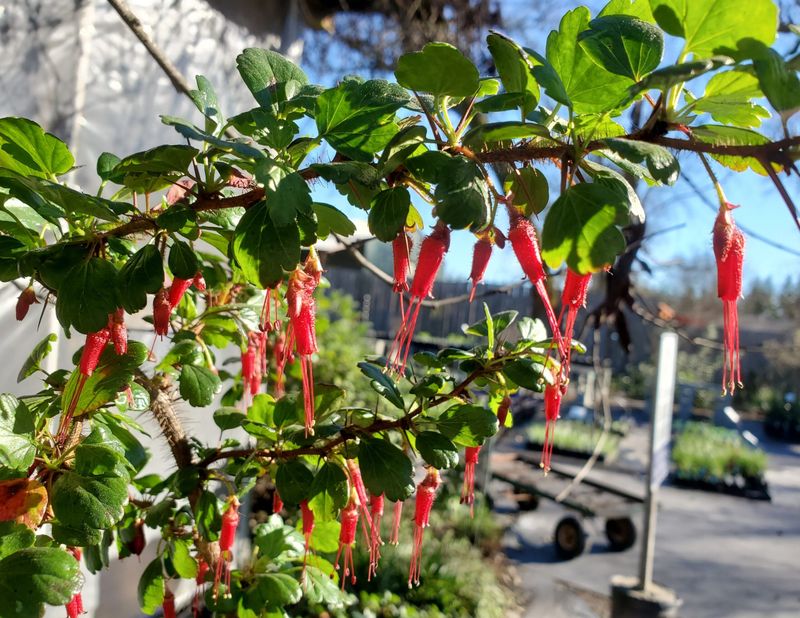
Hanging red flowers that look like tiny lanterns appear in winter, right when hummingbirds need food most. Fuchsia-flowered gooseberry is a showstopper near a front door.
Plants often grow 3 to 6 feet and handle partial shade. They may drop leaves in late summer drought, which is normal rest, not a sign of trouble.
Watch for spines when weeding around it. Fall planting gives it a strong start before its winter bloom.
10. Bush Anemone
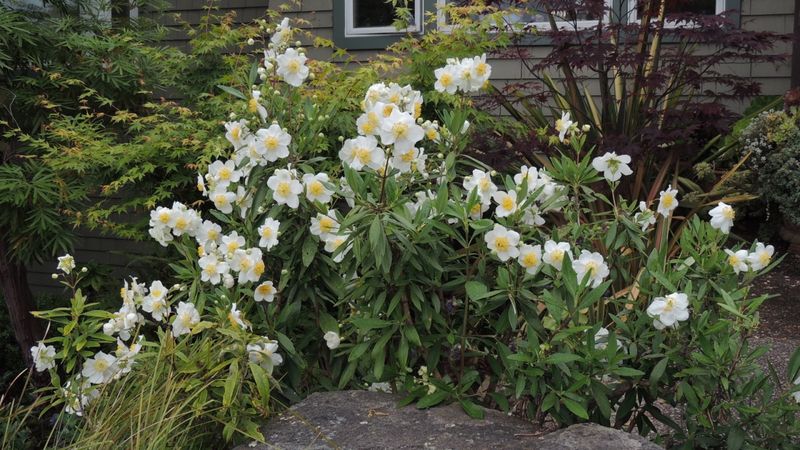
Big white flowers with sunny yellow centers make bush anemone look like it belongs in a fancy garden catalog. Yet it is a rare native found in only a few places in the Sierra foothills.
In the garden, it grows 4 to 8 feet and blooms in late spring into summer. Its leaves stay green year-round, giving foundation beds steady structure.
Plant it in afternoon shade, especially inland, and water deeply now and then in summer. Once you pull out those thirsty shrubs and get natives in before winter rain, your yard can look better while saving water and helping wildlife.