
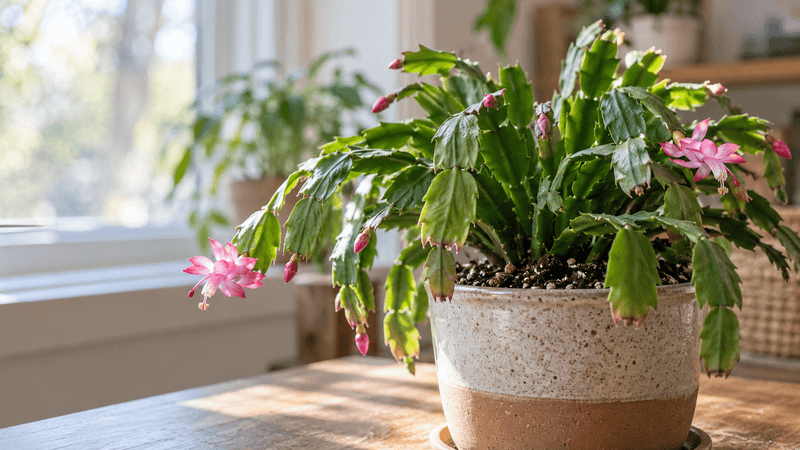
A limp, wrinkled Christmas cactus can make you worry that the holidays are lost. A homemade potting mix gets a lot of credit for fixing these plants, but it only helps with one possible problem.
Limp stems can come from too little water, too much water, or damaged roots. A few quick checks will show you which one you are dealing with.
Check the soil before treating limp stems
Limp or shriveled stems look the same whether a plant is thirsty or sitting in soggy mix. That is why the plant’s appearance alone cannot tell you what it needs.
University of Connecticut Extension notes that wilting can follow either too little water or too much.
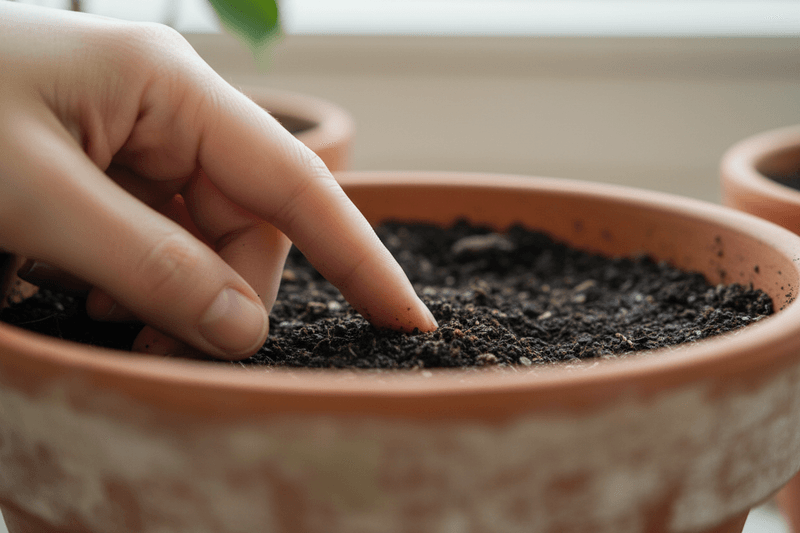
Start by pushing a finger an inch or two into the mix. Dry and crumbly media points toward thirst.
Wet, heavy, or sour-smelling media points toward overwatering and possible root trouble, which Illinois Extension also describes.
Next, lift the pot and look at the bottom. Are there open drainage holes, and is water trapped in a saucer or decorative outer pot?
UC ANR guidance on wilting treats soil moisture and drainage as the first things to diagnose.
Hold off on watering or repotting until you know what you found. What you see in the pot decides your next move.
Use a mix that drains without drying out completely
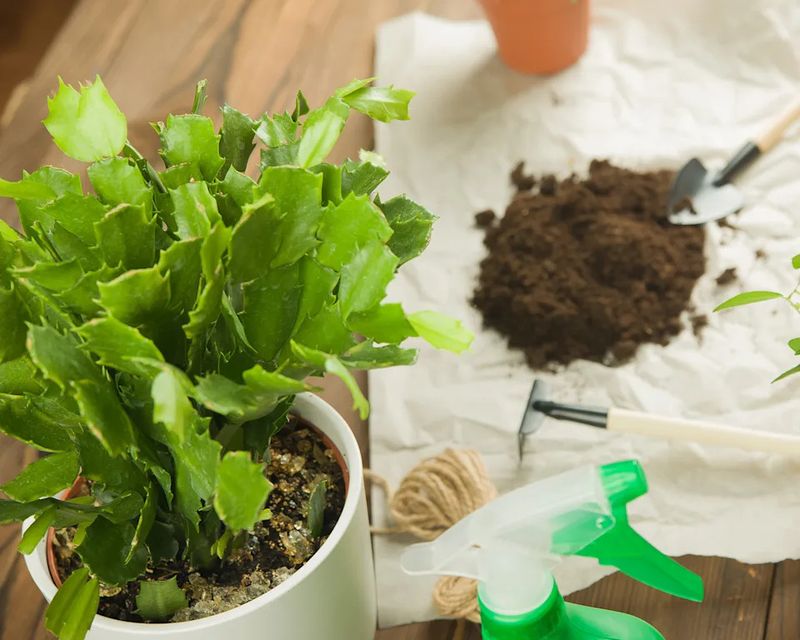
If your cactus is sitting in mix that stays wet, a lighter blend may help. UF/IFAS suggests mixing two parts peat moss with one part perlite.
The peat adds organic matter, while the perlite opens up the mix so air and water can move through.
Think of this as one workable option, not a magic rescue formula. It can improve drainage and aeration, but it will not fix thirst, low light, or roots that are already badly damaged.
Holiday cacti are rainforest epiphytes, not desert plants. In nature they perch on trees, so they like a mix that drains fast but they should not be kept bone-dry.
You also do not need a special cactus blend. Iowa State Extension says ordinary potting soil works if it drains well.
Repot only when the plant needs it
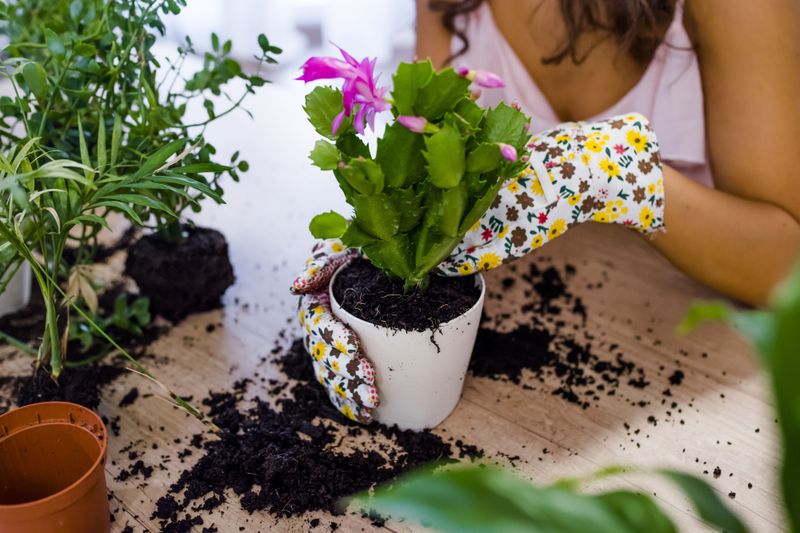
Persistently wet or poorly draining mix is a fair reason to change the soil. But that is a response to a diagnosed problem, not a routine step for every sagging plant.
Repotting is generally best after flowering, in spring or early summer, according to Iowa State Extension. Holiday cacti also tend to bloom well when a little pot-bound, so they do not need frequent moves, as Penn State Extension explains.
Picture two plants. One sits in dense, soggy mix with a pot that will not drain, so a fresh mix makes sense.
The other has dry soil and a snug pot, so a repot solves nothing.
Repotting also will not force flowers. A disruptive change while buds are forming can even raise the risk of bud drop, so a late-season move in hopes of holiday blooms is a gamble.
Water according to soil condition
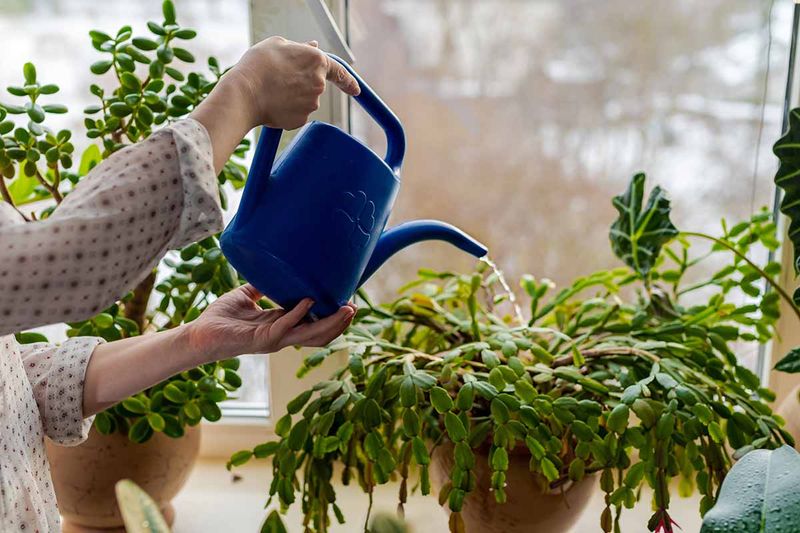
A calendar cannot tell you when this plant is thirsty, but the top of the soil can. UF/IFAS advises watering when the top inch feels dry, then letting the excess drain away.
Use a pot with open drainage holes. After watering, empty the saucer or decorative outer pot so the roots are not left standing in water.
If the mix is dry and the plant is wilted, water carefully. UConn Extension suggests smaller, more frequent drinks for a previously underwatered plant rather than one sudden flood, as noted in its holiday cactus fact sheet.
If the mix is soggy, do the opposite and hold off on more water. Let it dry down, keep the drainage clear, and watch whether the stems firm up.
A soil mix cannot schedule holiday blooms
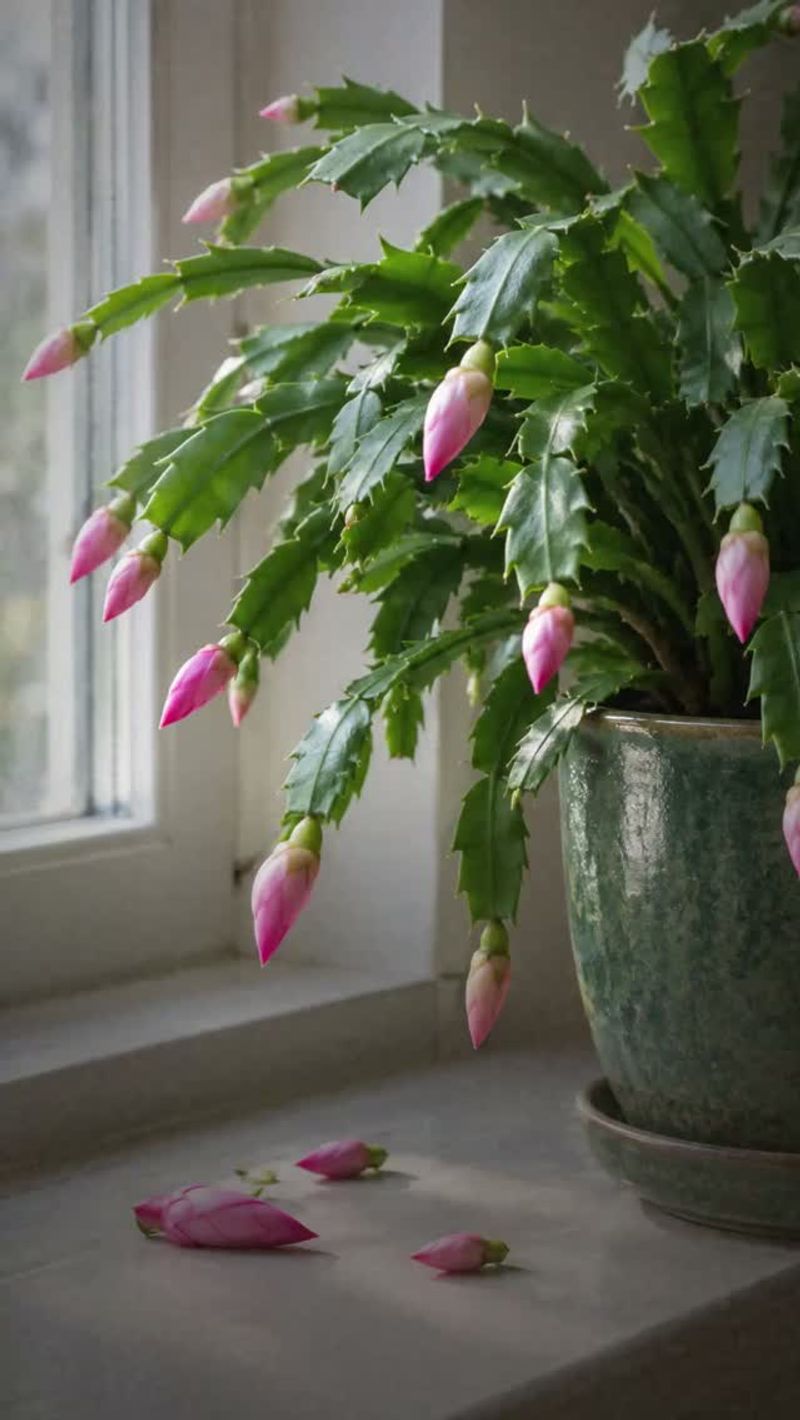
Healthy roots and good drainage keep the plant in good shape, but they do not tell it when to flower. Bloom formation depends mainly on light and temperature, and a new potting mix does not change that.
As one example, UF/IFAS describes about six weeks of short days, followed by roughly ten weeks to bloom. Starting around October 14 would aim for flowers near December 23, though timing varies and nothing is guaranteed.
Names add another wrinkle. Many plants sold as Christmas cactus are really other holiday cacti, such as Thanksgiving cactus, which may flower earlier, as Iowa State Extension points out.
So an early or late flush of color may say more about which plant you own than how well you mixed the soil.
Choose the next step from what you find
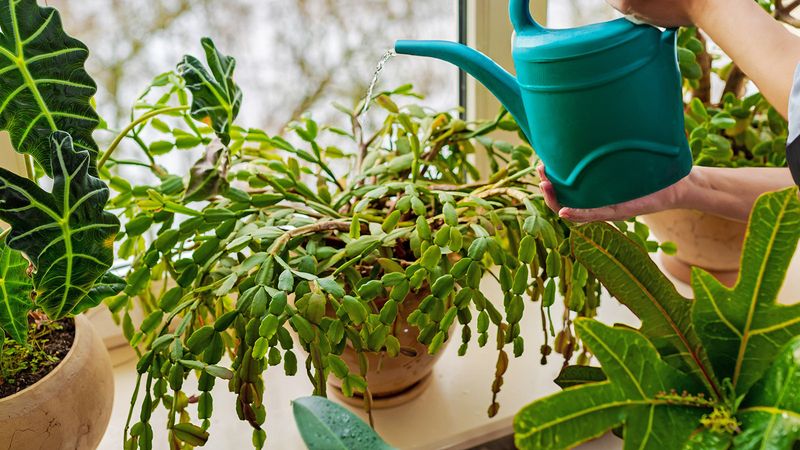
Start with the pot: feel the mix and check the drainage. If it is dry, water carefully using the approach in UConn’s guidance.
If it is soggy, stop watering, empty any standing water, and consider a freer-draining mix.
Skip the late repot meant to guarantee flowers. For bloom timing, the light and temperature steps in UF/IFAS advice matter far more than the soil.
A peat and perlite blend can help when poor drainage is the culprit, but it promises neither recovery nor flowers by a set date. A limp plant is giving you a clue, so read it before you reach for the watering can.