
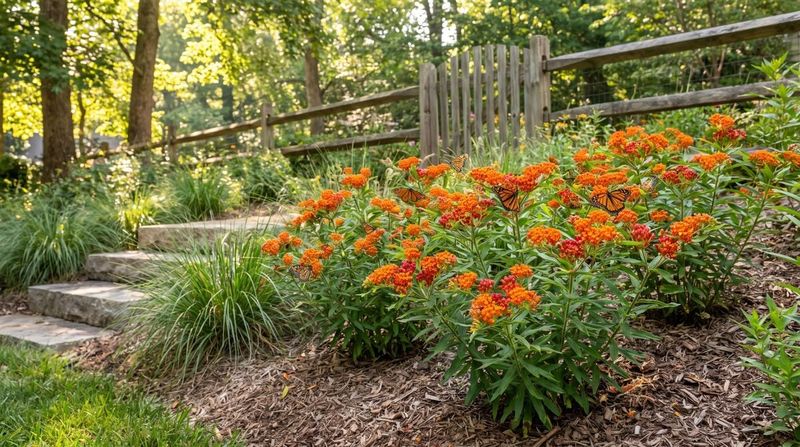
Butterfly weed is one of the brightest native flowers in North Carolina yards, and then it simply vanishes for the winter. That empty patch of soil is easy to forget, and easy to dig into by mistake.
A simple marker placed beside the plant can help you remember where it lives. Here is how to do it, and when.
Butterfly weed normally disappears for winter
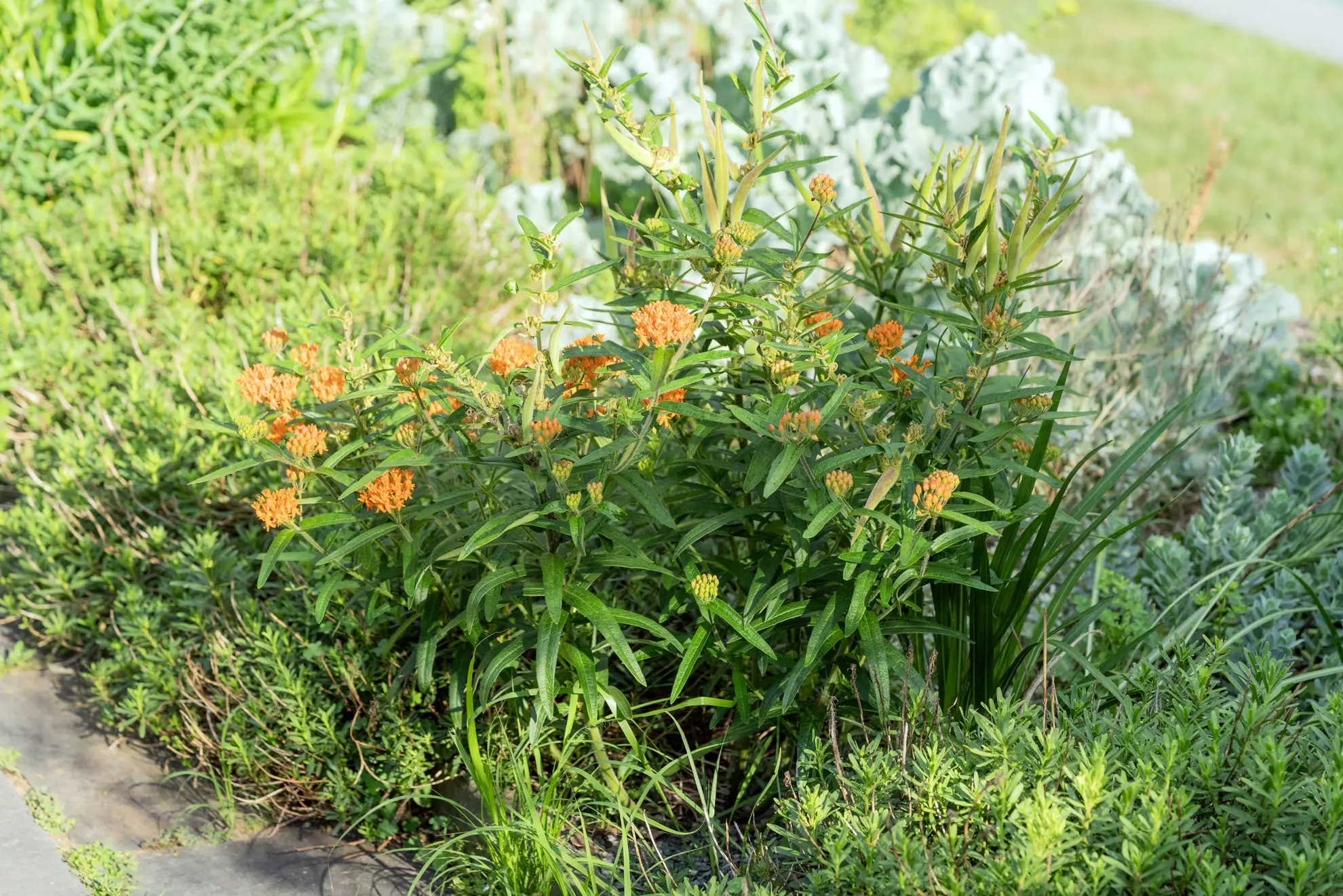
Butterfly weed (Asclepias tuberosa) is a native perennial in North Carolina, and NC State Extension lists it as native to the Mountains, Piedmont, and Coastal Plain. Like many perennials, it dies back above ground in cold weather and grows again from its roots.
That is its normal seasonal pattern, not a sign that something went wrong.
Spring brings its own twist. According to UF/IFAS, butterfly weed emerges late in the season, so the bed can look empty well after neighboring plants have leafed out.
A healthy plant can sit quietly underground for weeks while you wonder what happened to it.
That gap is the real problem. When the stems are gone and nothing is growing, a living plant looks just like bare dirt.
It is easy to plan a new planting, spread compost, or push a shovel into that exact spot.
NC State’s Plant Toolbox describes a plant that likes full sun and well-drained soil, the kind of spot you may have picked on purpose. Finding it again in winter and early spring is the part that takes a little planning.
Cold weather does not create a special chore here. The task is simply remembering where the plant is.
Mark the location before the foliage fades
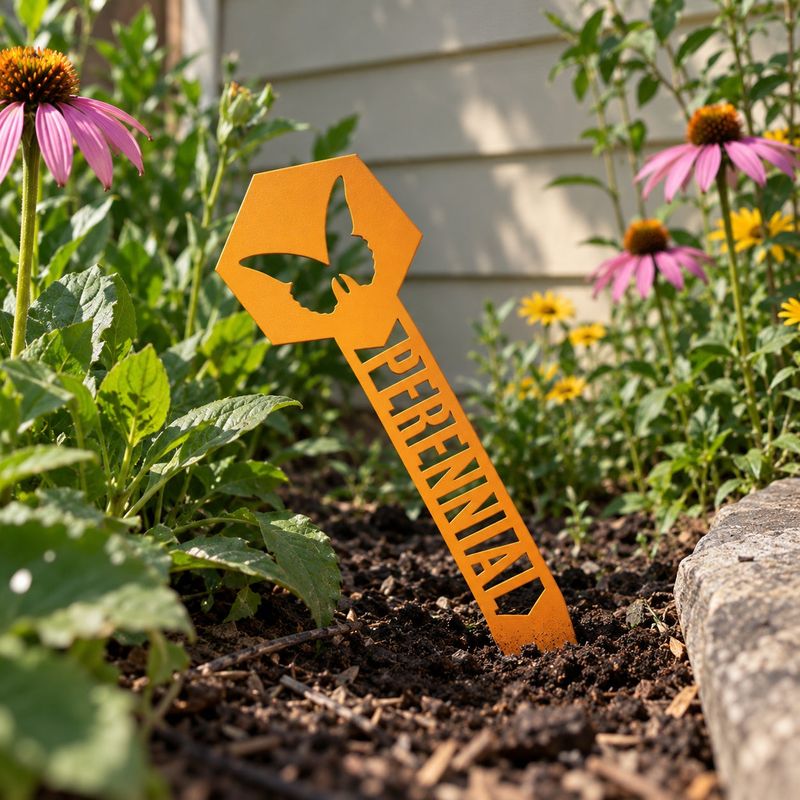
Grab a sturdy plant label, a small stake, or a painted rock, and set it right beside your butterfly weed. Do it while the stems and leaves are still easy to see.
UF/IFAS recommends marking the location to protect the dormant crown, which is easily injured.
Choose something that can handle rain, mud, and a few months outdoors. Paper tags fade quickly, and thin markers can get knocked over by leaf blowers or curious dogs.
Writing the plant name in permanent marker on a metal or plastic label helps, and a second marker on the far side of the plant can give you a backup.
Keep the marker close to the plant but not on top of the crown. A few inches away is plenty.
You want a clear signal to anyone working in the bed, including family members and yard helpers who may not know what is growing there.
Remember what the marker does and does not do. It helps you find the spot and steer tools around it.
It does not change how the plant grows, and it cannot promise the plant will return.
Timing depends on what you see in your own yard. Mark it once the foliage starts to yellow or when it begins to get hard to spot among other plants, whichever comes first.
Protect the dormant crown from accidental damage
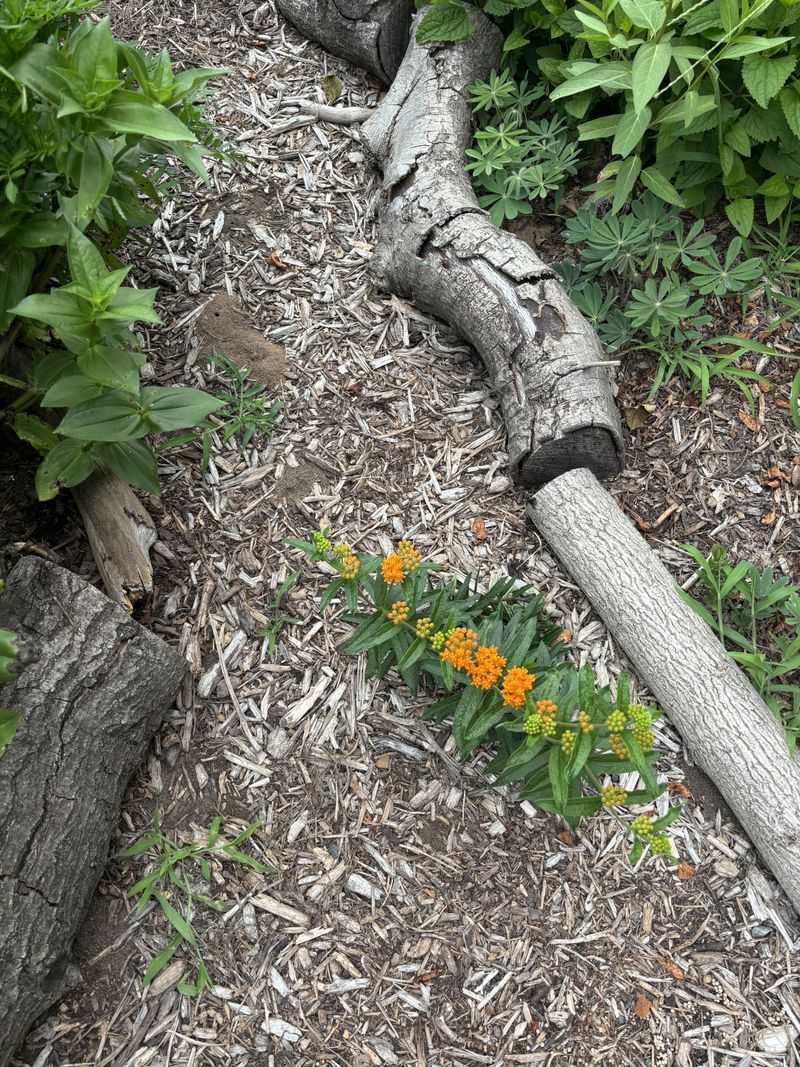
The crown is the spot where the plant’s roots meet the base of its stems, and that is where new growth starts in spring. In winter it sits just under the soil surface with nothing above it.
UF/IFAS notes that the dormant crown is easily injured, which is why a visible marker matters.
Everyday garden jobs are the usual risk. Digging a new planting hole, edging a bed, turning the soil to add compost, or setting a stake can all land on a crown you forgot about.
Not every poke will kill a plant, but there is no reason to take the chance.
Moving an established plant is a poor fix. Butterfly weed grows a deep taproot, and that makes transplanting difficult.
If you are redesigning a bed, plan around the plant rather than lifting it.
Soil matters too. The NC State Plant Toolbox says it grows best in well-drained soil, and wet, poorly drained ground can lead to crown rot.
If water tends to puddle where your plant lives, that is something to think about when you reshape the bed. It is not a pre-freeze chore.
Use local conditions, not one statewide freeze date
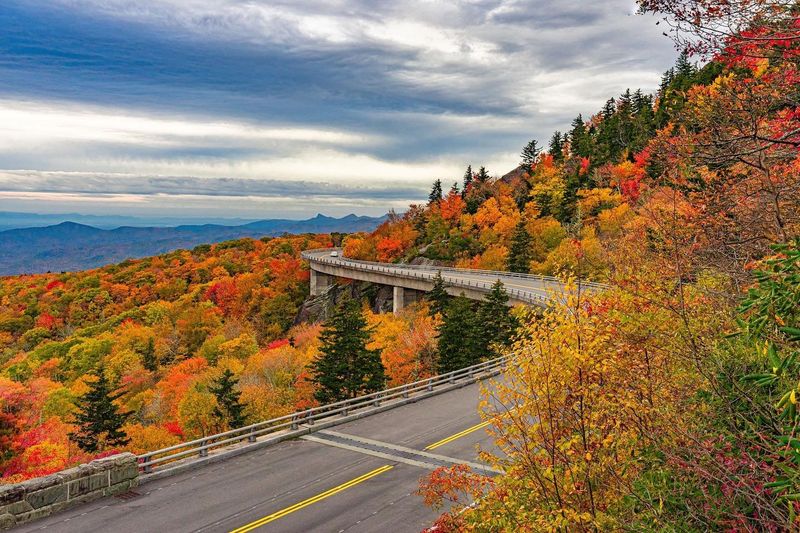
North Carolina stretches from the mountains to the coast, and cold weather does not arrive on the same day everywhere. NC State’s station table lists average first fall freezes as early as October 1 to 7 at some mountain stations, while some coastal stations do not see theirs until November.
Those are averages, and any single year can run earlier or later.
So skip the calendar date and watch your plant instead. Mark it when the leaves start turning yellow, when stems begin to look ragged, or when other plants are crowding in and hiding it.
If a cold snap is in your forecast and you have not marked it yet, do it that day.
Words matter here, too. The NC State Climate Office Freeze Explorer defines a freeze as a temperature at or below 32 degrees F at standard measurement height, and notes that a killing freeze is a separate, more damaging event.
A first freeze, a freeze, and a killing freeze are not the same thing.
Check your local forecast and your own yard’s conditions. Low spots, open fields, and sheltered corners can all feel different from the nearest weather station.
Do not confuse marking with winter protection
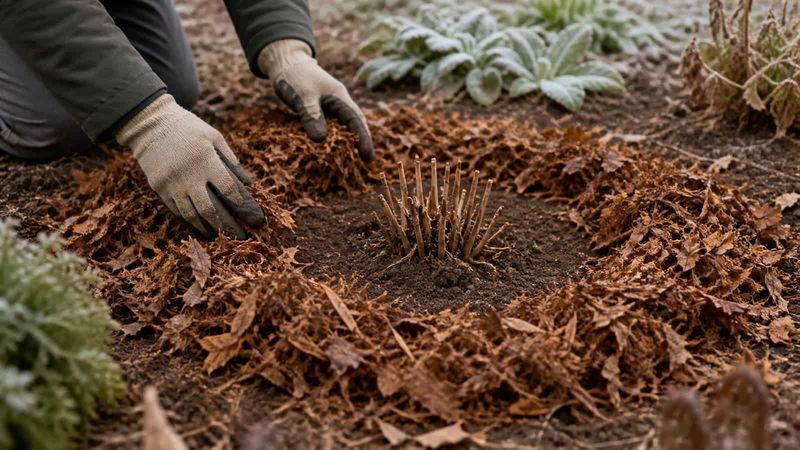
Marking is not the same as protecting. An established butterfly weed planted in the ground does not need a blanket, burlap, or special watering on a cold night to come back.
Its normal pattern is to go dormant and then resprout, as UF/IFAS describes it.
Containers are a different story. NC State Extension notes that container-grown plants get less insulation from soil than plants in the ground.
A butterfly weed in a pot, or one planted only recently, may need more protection, so consider moving a pot to a sheltered spot and watching a new transplant more closely.
Mulch is another place to be careful. NC State’s herbaceous ornamentals chapter warns that covering perennial crowns can encourage rot.
If you use mulch elsewhere in the bed, keep it off the crown. Butterfly weed does not specifically require it.
Think of the marker as a reminder, not a shield. It tells you where to avoid digging.
It does nothing for a pot on a cold porch or a plant that went in this fall.
Treat stem cleanup as a separate choice
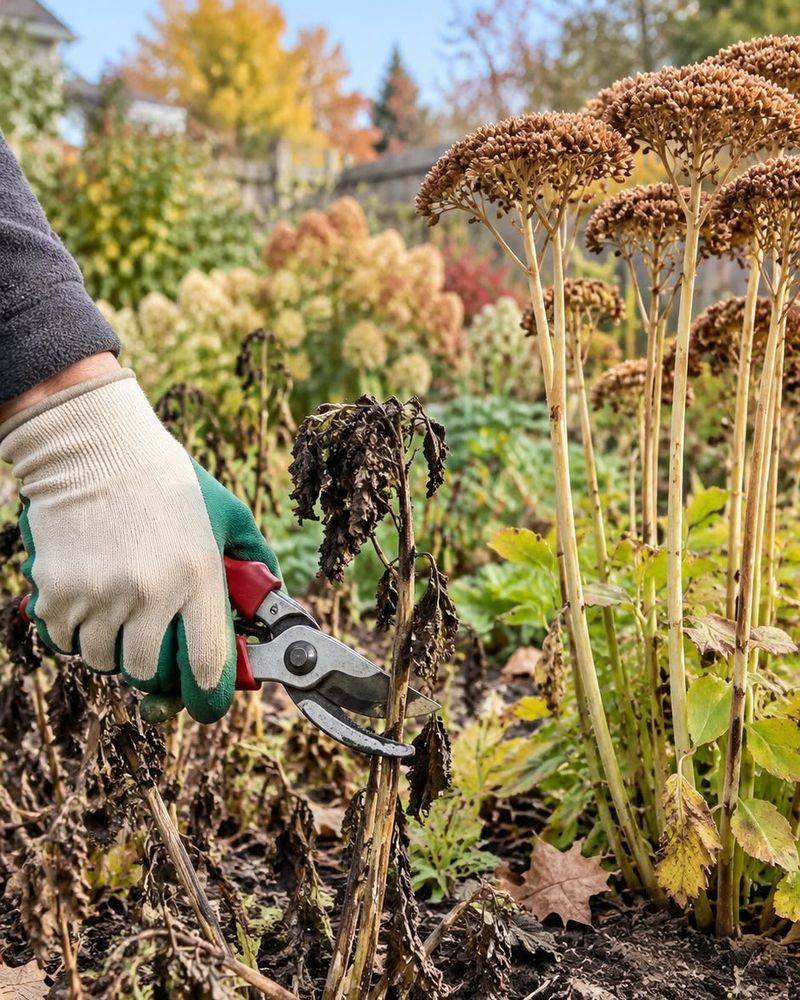
Cleanup advice for butterfly weed is not uniform. Illinois Extension recommends cutting it back in spring.
NC State’s guidance on perennial stems generally supports trimming in winter and leaving 12 to 24 inches of stem for pollinator habitat.
That NC State advice covers perennials in general. It is not a butterfly-weed rule, and it does not say that cutting on a certain date decides whether the plant returns.
The main risk to spring regrowth is still a damaged crown, so whichever route you pick, keep your tools away from the base.
The stem research is about nesting and overwintering native bees. It does not show that standing stems protect monarchs.
According to the U.S. Fish and Wildlife Service, most eastern monarchs migrate to wintering sites in Mexico, though butterfly weed is still a useful host plant during the growing season.
If you cut or handle the plant, wear gloves. NC State advises gloves because the sap may cause contact dermatitis.
Keep trimmings away from pets and children who might chew on them.
Keep the marker in place through winter
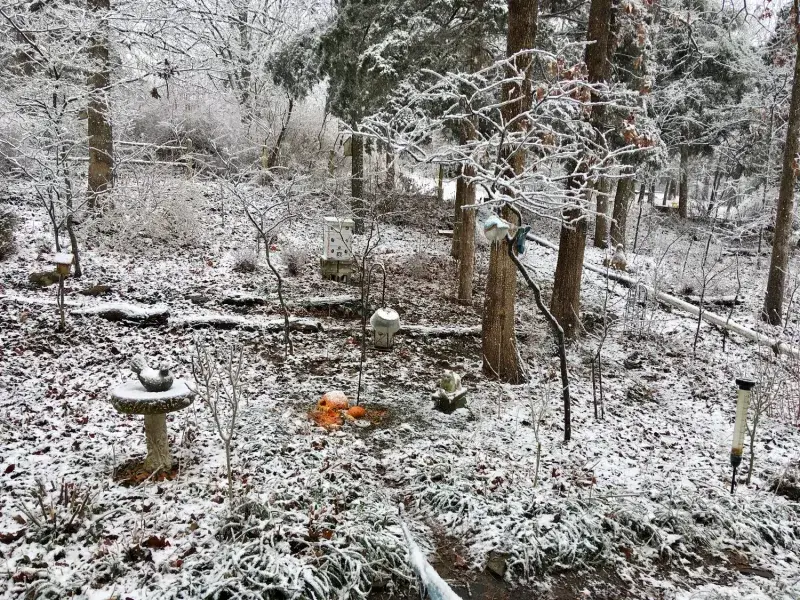
Mark the plant while you can still see it, leave the crown alone, and let the label guide you when you look for new shoots in late spring. Remember that UF/IFAS notes butterfly weed emerges late, so give it time before assuming the worst.
A marker can help prevent accidental damage, but it cannot guarantee survival. Potted plants and new transplants may need the extra care NC State describes for containers.
A small label in bare soil is a quiet promise to your future self.