
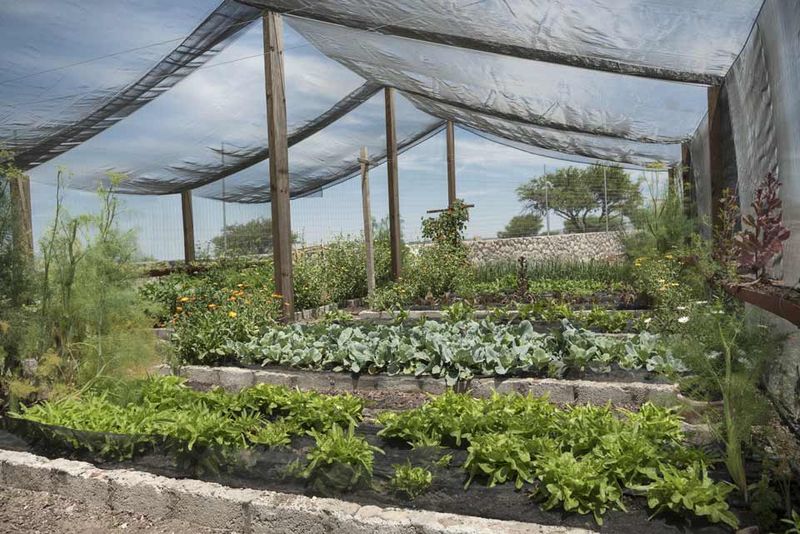
You walk out to your fall lettuce bed and something looks off. Maybe the plants are tall and spindly, or a leaf tastes sharp enough to make you wince.
A warm spell can play a part, but it is not always the culprit. Here is how to figure out what is going on and what to try next in Texas and Florida gardens.
Check whether the plant is bolting or stretching for light
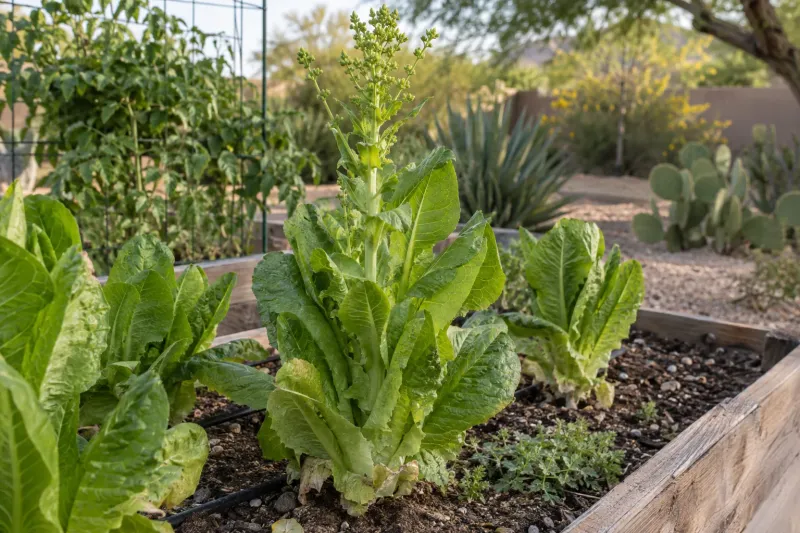
Crouch down and look at the plant before you reach for any remedy. Bolting means the plant has shifted toward flowering, and the clear sign is a flower stalk rising from the center of the head.
The stem thickens, the leaves along it get smaller, and the plant looks like it is leaving leaf production behind.
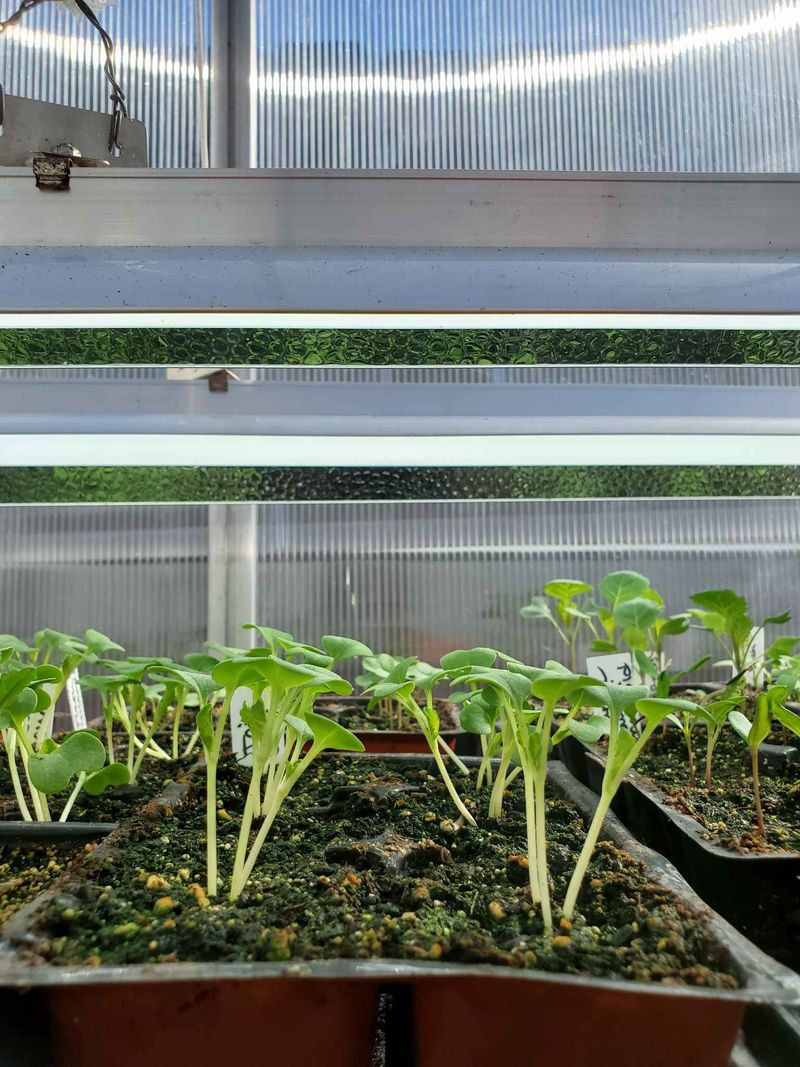
A thin, pale, elongated seedling is a different problem. Utah State Extension lists low light as a cause of stretched lettuce, and e-GRO seedling guidance points the same way.
Those seedlings reach for light, so the stems get long and weak without any flower stalk.
That difference matters for your next step. Shade cloth is not a fix for stretched seedlings, and too much shade can make the stretching worse.
Move trays or beds toward brighter spots first, then judge whether heat is really involved.
Sustained heat can increase the risk of bitter leaves and bolting
Lettuce is a cool-season crop, so long stretches of warmth push it toward flowering and can bring out bitter flavor. One warm afternoon is rarely the trigger.
What counts is how many days in a row the plants sit in heat.
Sources give different numbers. University of Minnesota Extension says multiple days above 75 degrees F can cause flowering.
University of Maryland’s vegetable recommendations treat above 85 degrees F for several days as a bolting risk.
Treat both as general guidance, not hard cutoffs. Variety, plant age, and local conditions all shift the picture.
A mid-November warm snap in Texas or Florida is worth watching, but a single warm day does not doom your bed. If highs stay up for several days, that is your cue to check plants more often.
Shade cloth may help, but it cannot guarantee sweet lettuce
Shade cloth can lower leaf temperatures and create a cooler pocket around the plants. That may help when heat is what is stressing them.
UF/IFAS suggests afternoon shade or shade cloth when temperatures exceed 85 degrees F, and warns that heat can cause premature bolting and bitter leaves.
Shade percentages depend on the setting. NC State Extension gives 30 to 50 percent as a general midsummer range, with about 47 percent for lettuce in hot areas and 30 percent in northern or coastal climates.
Your bed may call for something different.
Results are mixed. In University of Delaware spring trials, 30 percent black cloth reduced bitterness.
A later summer trial found smaller plants and no drop in bitterness, and variety mattered most.
So shade cloth is a tool worth trying, not a promise. It may reduce heat stress under some conditions, but it will not guarantee sweet leaves or stop bolting.
Suspend the cloth and leave the bed open to airflow
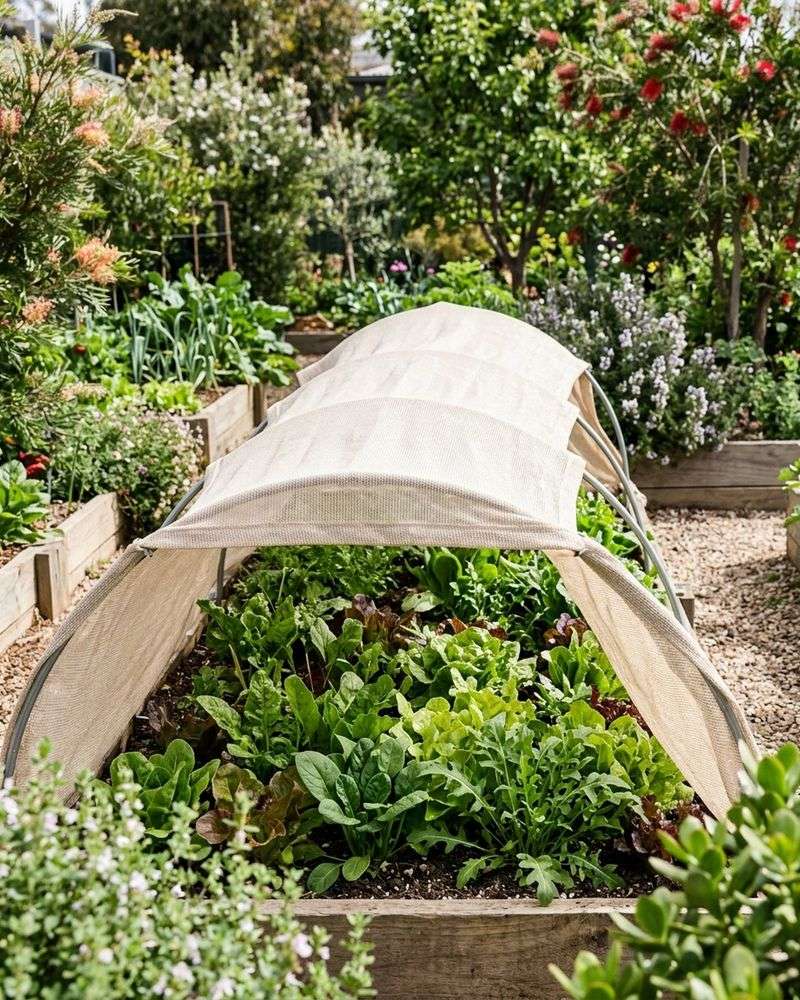
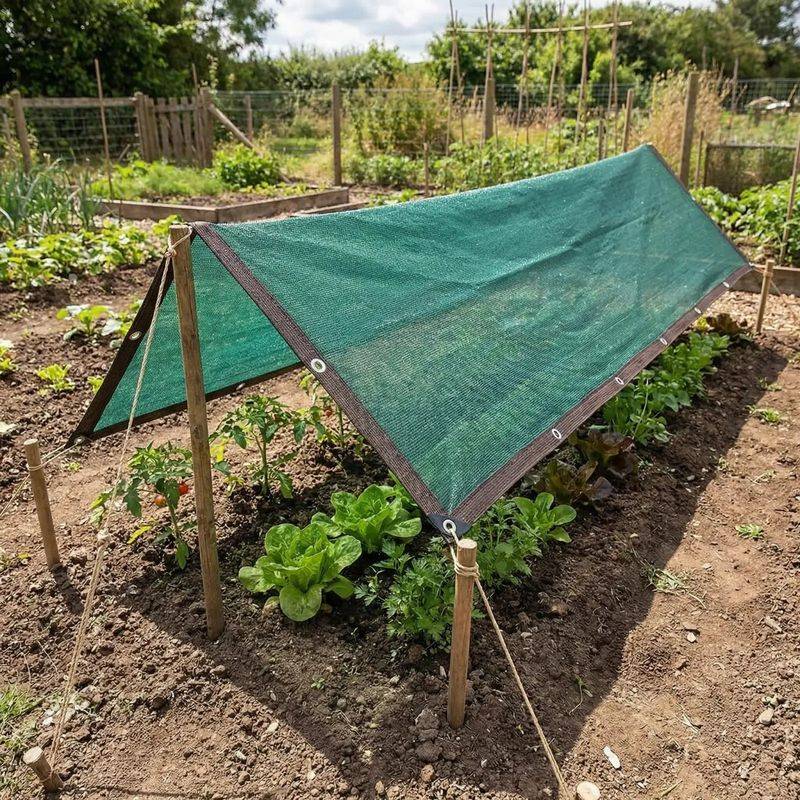
Setup makes a big difference. Use hoops or stakes to hold the cloth above the plants, and secure it so wind does not pull it loose.
K-State Extension recommends this approach and keeping the sides open.
Skip laying the cloth right on the leaves, since it traps warmth against them. Also avoid wrapping the bed so tightly that heat or humidity builds up.
Open sides let air move through, which matters on a still, muggy fall afternoon in Florida.
Know which cover you are using. Shade cloth is meant to cut sunlight and heat.
Frost cloth and row cover serve cold protection, as University of New Hampshire Extension explains for row covers. They are not interchangeable.
Put shade up when a run of hot days arrives, and take it down when cooler weather returns so plants still get enough light.
Manage moisture and harvest before lettuce gets overmature
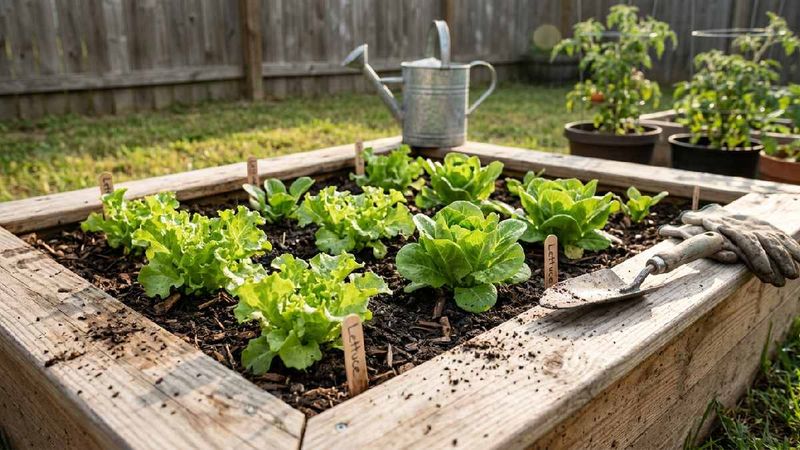
Shade works best alongside good care. Water stress can lead to tough or bitter leaves, so aim for evenly moist soil.
Utah State Extension’s lettuce guide stresses steady watering for this reason.
Swings between dry and wet soil, along with other stress, can also contribute to tipburn, the brown edge on inner leaves, according to Utah State’s physiological problems page. Mulch and a regular watering routine help smooth those swings, especially in sandy Florida soils or fast-drying Texas beds.
Timing matters too. Utah State’s harvest guidance notes that overmature lettuce can turn bitter and tough.
Pick looseleaf types as soon as the leaves are a good size, and harvest outer leaves often.
These steps will not reverse bolting once a stalk has formed. They simply keep healthy plants from picking up avoidable problems.
Match varieties and planting dates to your region
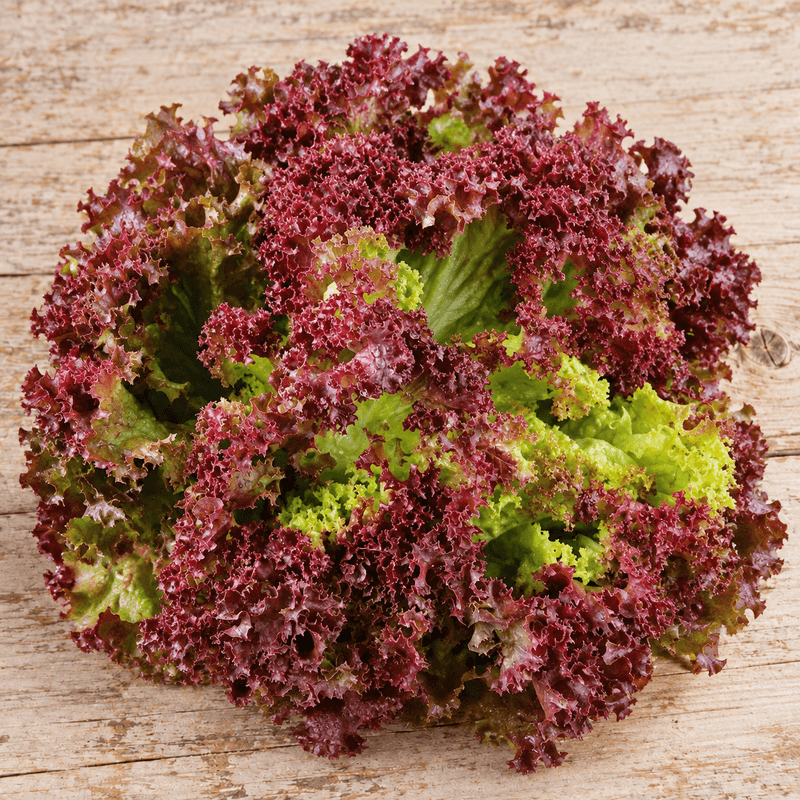
Variety and timing shape how much heat risk your lettuce faces. In the Delaware work, variety was the strongest factor for bolting and bitterness, so look for heat-tolerant, slow-bolting types and read seed packet notes.
Dates differ across regions. Texas A&M lists September planting and November harvest for looseleaf lettuce in Central Texas.
The UF/IFAS Florida guide gives September through February for Central and South Florida, but February through March for North Florida.
Those are regional examples, not statewide schedules. Check your local extension office for dates that fit your area.
When plants look off, work through a simple order. First, look for a flower stalk.
Next, ask whether heat has lasted several days. Then use ventilated shade only if heat seems to be the stressor.
Lettuce forgives a lot when you read the plant first and fix the right problem.