
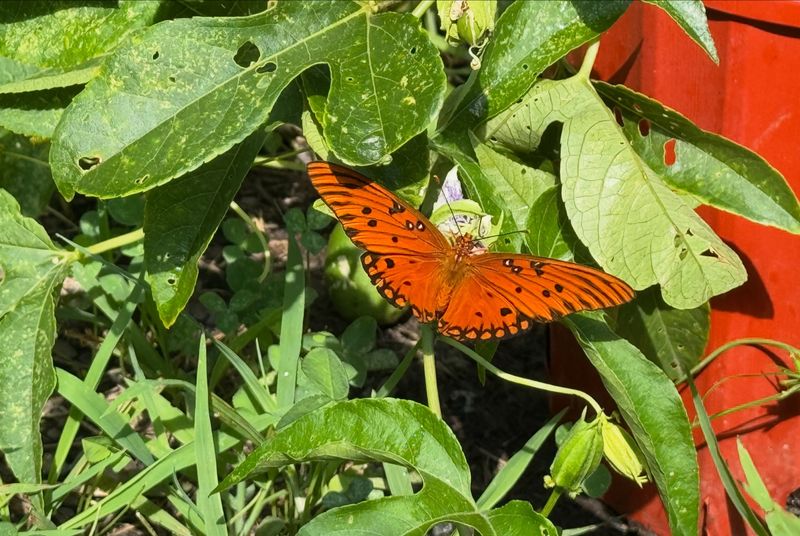
A bare Central Texas fence can become a place where butterflies lay eggs and caterpillars feed. One native vine, purple passionflower, is a documented host for Gulf fritillary caterpillars.
Cool-season months give many gardeners time to plan and plant. Here is what to know before you put one in the ground, including what it can and cannot promise.
Choose maypop, not just any passionflower
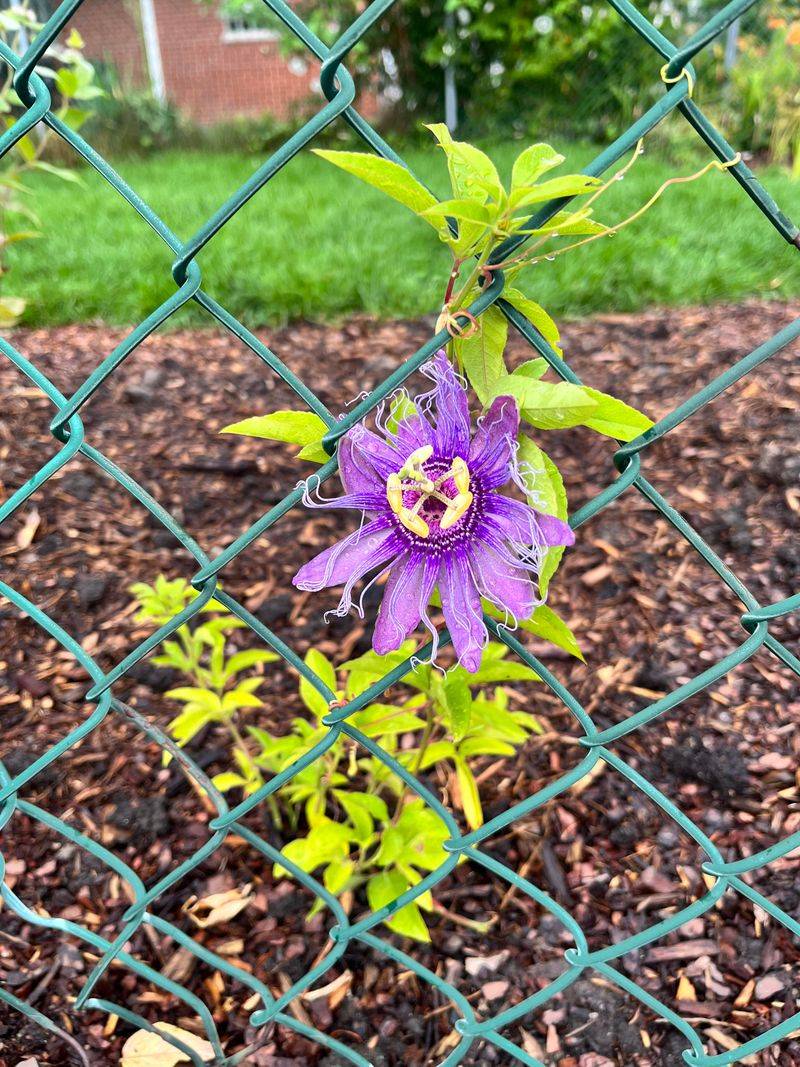
Passionflower is a big family, and the plants sold under that name are not all the same. The one to look for is Passiflora incarnata, called purple passionflower or maypop.
Texas-native status and growing habits belong to this species, so they should not be assumed for every passionflower on a nursery table.
According to the Texas Parks and Wildlife Wildscapes plant list, maypop is a vine with pink-purple flowers, dormant winter foliage, and a link to Gulf fritillary butterflies. Its listed Texas range is the eastern third of the state.
That makes it a good match for many eastern and central parts of Texas, though you should still confirm it suits your own area.
The Native Plant Society of Texas profile lists the plant in several Central and East Texas ecoregions. Before you buy, check the tag for the full scientific name.
If the label only says passionflower, ask the nursery staff which species it is.
Starting with a correctly identified plant saves trouble later. It tells you what to expect from the vine’s flowers, its winter behavior, and its role as habitat.
A fence is a fine place to begin, as long as the plant on it is the right one.
Is winter a workable time to plant?
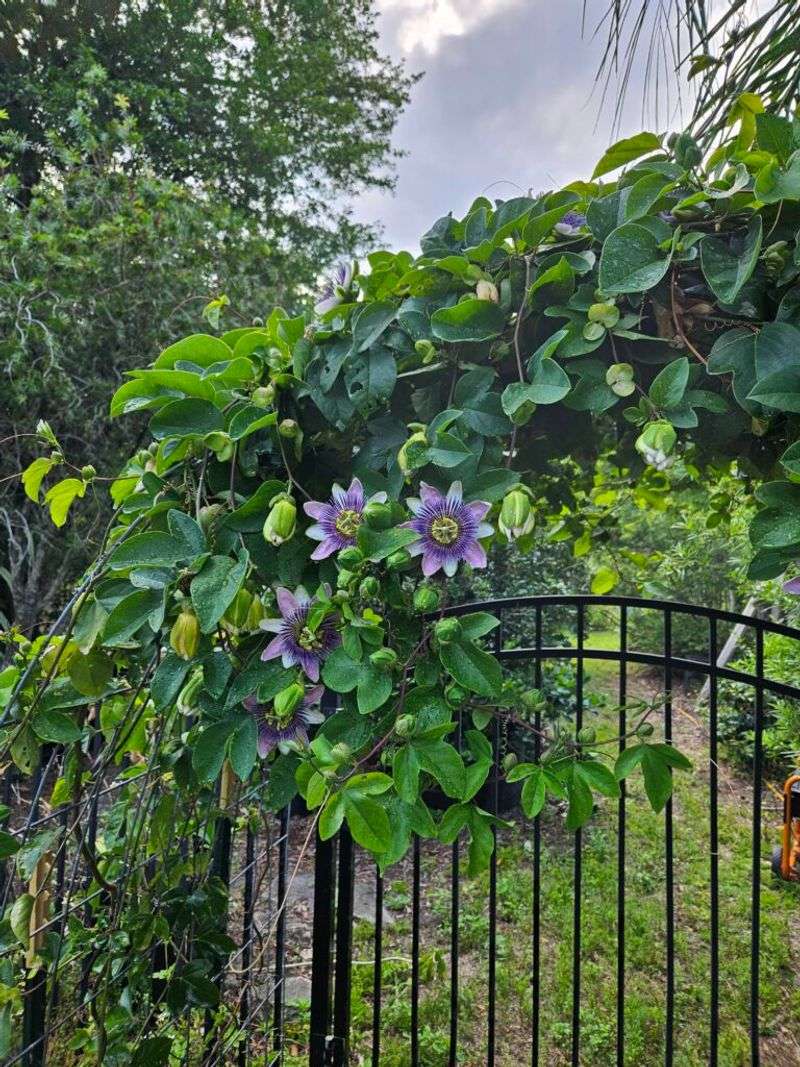
Cool months are often a comfortable time to work in a Central Texas yard. The Bell County Master Gardeners monthly checklist names October as a general planting season for perennials.
That is a hint, not a rule written for maypop.
Winter is a different story. Texas A&M AgriLife’s December 2025 gardening tips talk about planting trees and shrubs, not this vine.
So no source says winter is the best time for maypop. Think of fall or winter as a practical opening if you have the time and the space, and not a recipe for a certain summer result.
The site basics are simple. Texas Parks and Wildlife lists full sun to part shade and well-drained soil, and the Native Plant Society of Texas lists sun or part shade with a range of soil types.
Walk your fence line and notice where sun lands and where water drains after a rain. A spot that stays soggy is a poor choice.
Pick the sunniest, best-drained stretch you have.
Give the vine a fence—and room beyond it
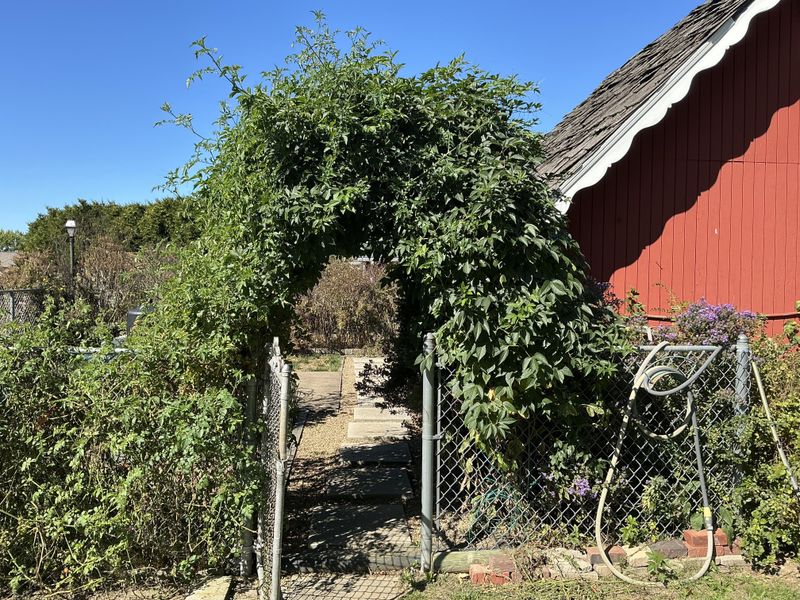
Maypop climbs by tendrils, thin curling stems that grab onto wire, lattice, or slats. A fence gives it something to hold, and you can train stems onto the support.
UF/IFAS Gardening Solutions describes passion flower vines as vigorous climbers that do well on fences and trellises.
The fence will not hold the plant in place, though. The Native Plant Society of Texas says maypop spreads by root suckers, can take over small yards, and may spread more on Blackland Prairie soils.
New shoots can pop up some distance from the original plant.
Plan for a little upkeep. Sprouts that show up where you do not want them can be pulled or mowed.
A fence beside a mowed lawn is easier to manage than one running through a tight flower bed.
Do not count on quick coverage either. No source promises that one new vine will blanket a fence in a single season.
Choose a spot with elbow room, and treat any fast growth as a bonus.
What the vine offers Gulf fritillaries
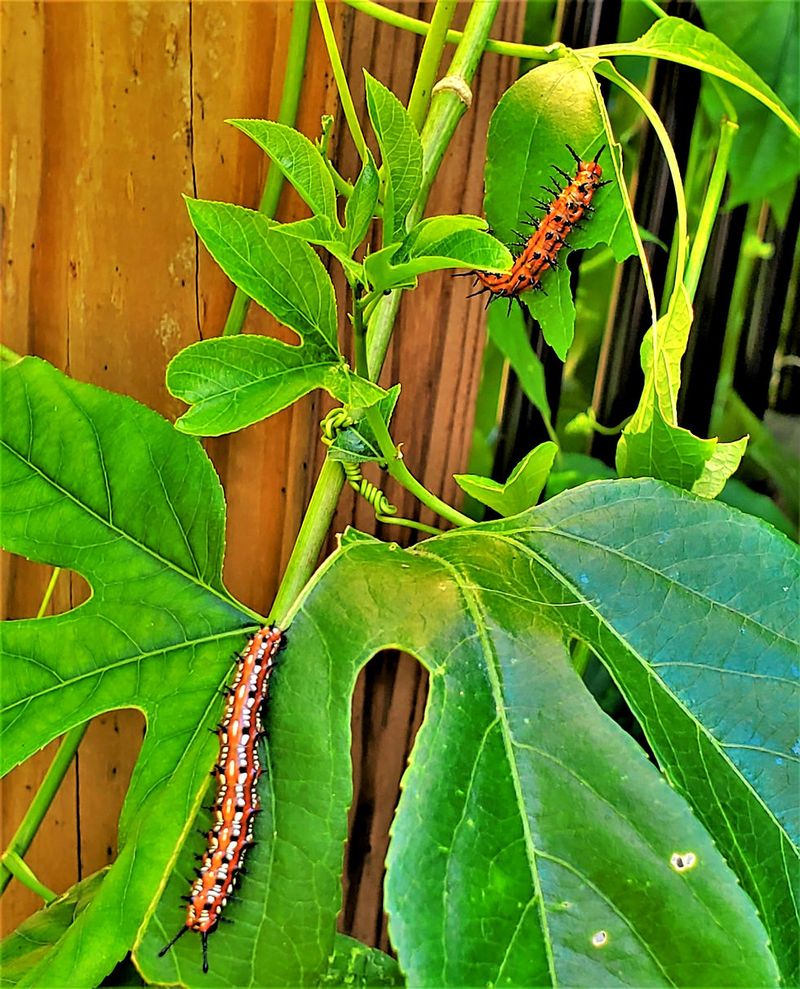
Gulf fritillaries are bright orange butterflies, and their young depend on passion vines. According to UF/IFAS Extension, females lay eggs on or near host plants, and the caterpillars feed on the leaves.
Several Passiflora species serve as hosts, and Passiflora incarnata is one of them.
The butterflies are known locally, too. The University of Texas at Austin Biodiversity Center reports that Gulf fritillaries are common in Austin and use passion vines as host plants.
Host value is not the same as nectar. A maypop feeds caterpillars, but it does not supply everything adult butterflies need.
If you want adults to linger, pair the vine with other flowers that bloom through the warm months.
The vine also does not guarantee visitors. Butterfly numbers and timing change from yard to yard and year to year.
Planting maypop adds a food source for the next generation. It cannot promise when butterflies will arrive or how many will come.
Young vines may lose leaves to hungry caterpillars
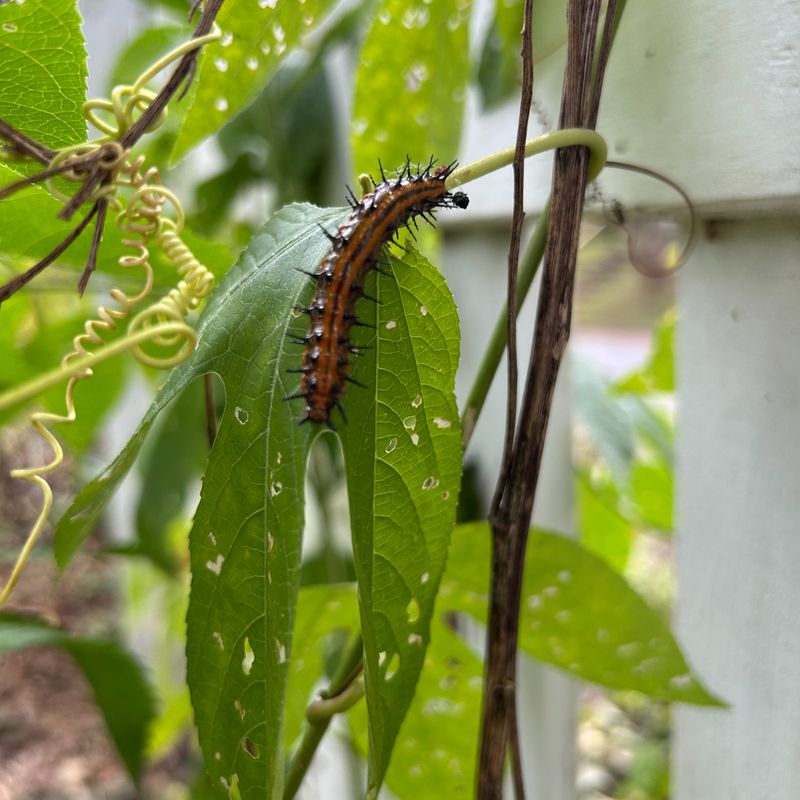
Caterpillars can be hard on a small plant. Central Texas Gardener cautions that they can overwhelm a very young passion vine, while an older plant can rebound.
A thin, newly planted vine has few leaves to spare.
Chewed leaves do not always mean the plant has failed. They are a sign that the vine is doing its job as a host.
Even so, heavy feeding is not always minor, and it may slow growth on a young plant.
If your vine is tiny, watch it often. Look for chewed leaves and small orange caterpillars with spines.
Decide ahead of time how you feel about sharing, because the plant may look ragged for a stretch.
An older, established vine tends to bounce back better. Still, a rebound is not a promise, and a damaged vine may take time to fill in.
That is why fence coverage should be treated as a hope and not a schedule.
Winter dormancy is part of the vine’s cycle
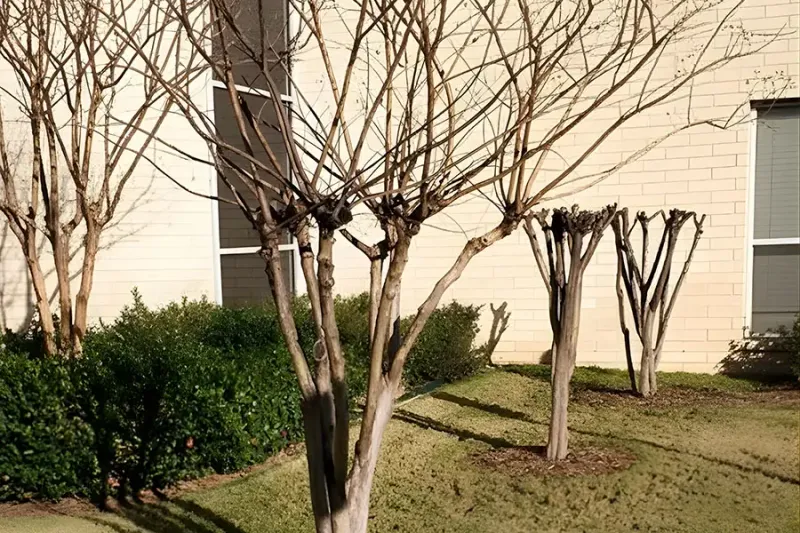
Come cold weather, maypop looks like it has given up. Texas Parks and Wildlife describes it as dormant in winter, and the Native Plant Society of Texas lists it as a deciduous perennial.
Leaves drop and stems can disappear above ground.
That bare look is not proof the plant is dead. Before you pull anything out, give it time, because a dormant vine can return from its roots when warm weather arrives.
A new vine you planted in winter may look like nothing at all for a while, which is normal for this kind of plant.
Bloom timing varies by source. The Native Plant Society of Texas gives March through November, while the older Texas Parks and Wildlife guide gives April through September.
Neither is a precise forecast. Sun, soil, and weather in your own yard can shift when flowers open.
Treat those dates as a rough warm-season window. Keep an eye on the fence as spring warms up, and be patient.
Plan for habitat, not a guaranteed butterfly count
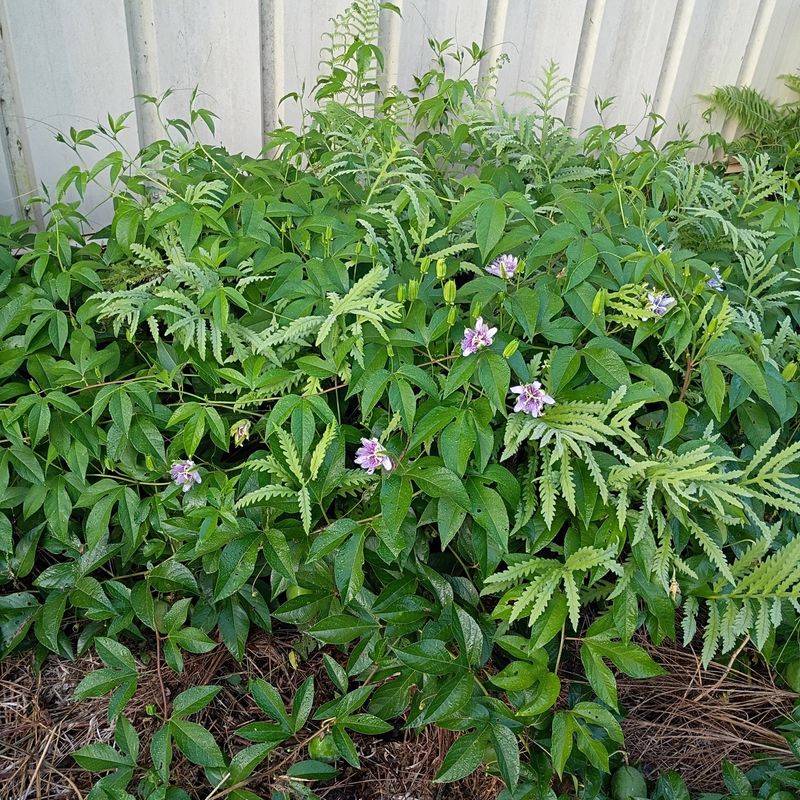
A correctly identified maypop on a sunny, well-drained fence line can add a Gulf fritillary host plant to your yard. UF/IFAS Extension confirms the caterpillars feed on passion vines, and UT Austin notes the butterflies are common in Austin.
Leave room for spread, accept winter dieback, and expect some chewed leaves. Next summer’s fence may be full, half full, or still filling in.
The vine plants the invitation. The butterflies decide whether to answer.