
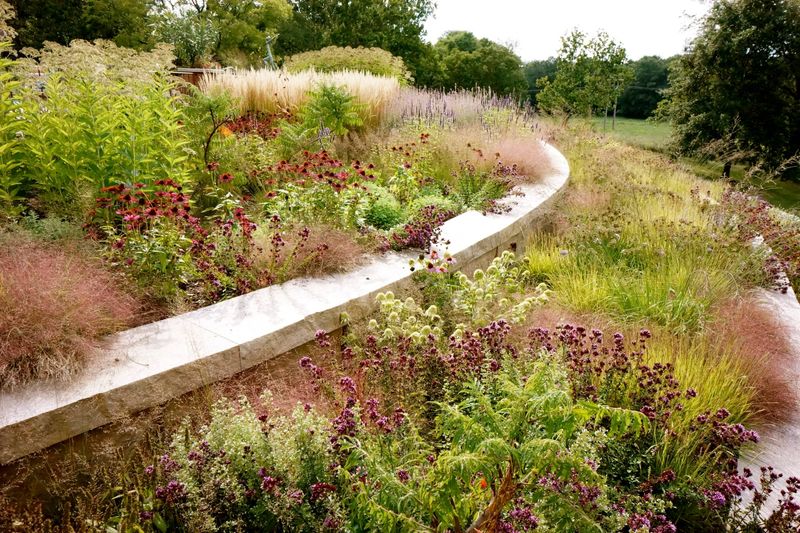
After a long, hot summer, most North Carolina garden beds are worn out, packed down, and low on food for next year’s plants. A layer of mulch can cover bare dirt, but it just sits there while living roots keep working all winter long.
Native cover crops grow through the cool months, break up hard clay, feed soil life, and even give birds and pollinators a hand. Late September through October is the sweet spot to sow them, so here are seven native picks that can turn tired ground into rich, crumbly soil by spring.
1. Partridge Pea
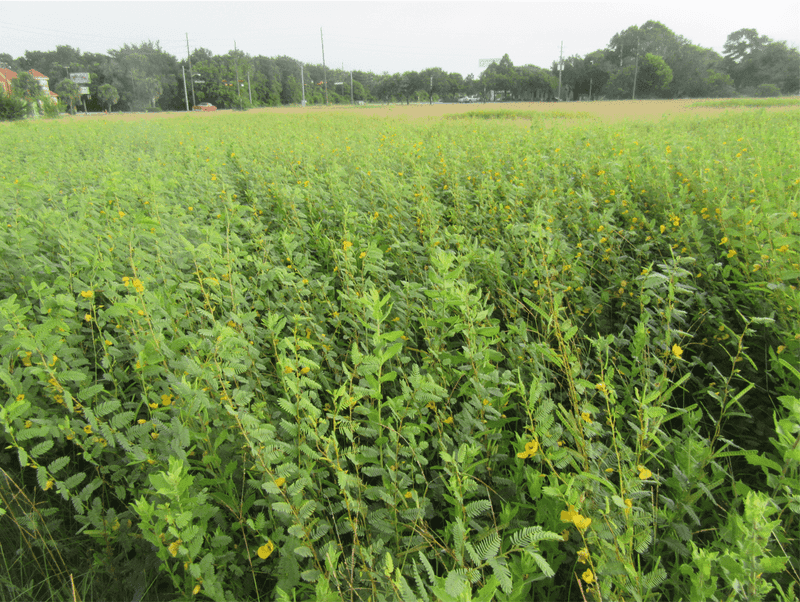
Bumblebees treat a patch of partridge pea like a roadside diner, and your soil gets a meal too. As a native legume, it partners with root bacteria that pull nitrogen from the air and tuck it into the ground.
Partridge pea is a warm-season annual, so the trick is timing. Sow it in late summer where you can, let it bloom, then leave the dead stems standing over winter as a natural soil blanket that also drops seeds bobwhite quail and songbirds love.
It handles sandy coastal plain soil and lean Piedmont clay without fuss. Cut it down in early spring, and the nitrogen-rich residue may help give tomatoes and peppers a stronger start than a bag of bark mulch ever could.
2. Virginia Wild Rye
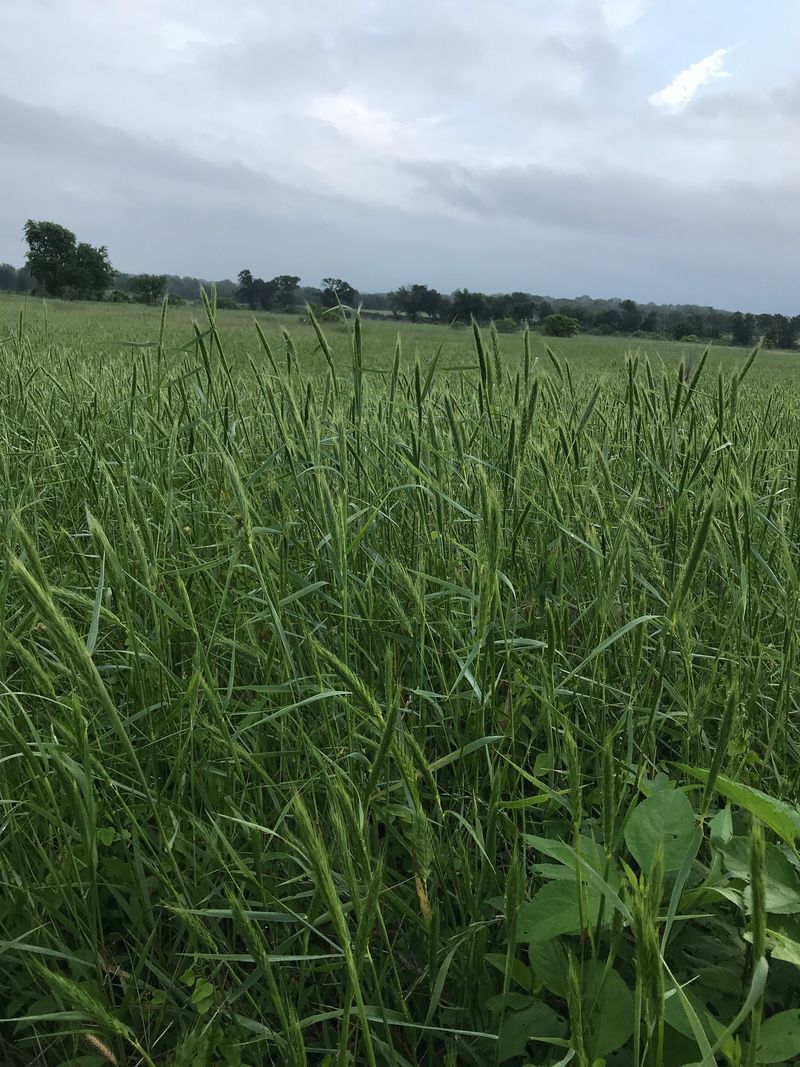
Picture a grass that stays green when everything else in the yard turns brown. Virginia wild rye is a cool-season native bunchgrass that grows actively from fall into spring, right when most beds sit empty.
Its fibrous roots grab loose soil and hold it in place during heavy winter rains, which can reduce runoff on sloped mountain and Piedmont lots. Those roots also leave behind tiny channels as they die back, helping water and air move through compacted ground.
Sow seed in late September through October across most of the state, a little earlier in the mountains. It tolerates shade better than many grasses, so it fits beds near tree lines where other cover crops struggle.
3. Canada Wild Rye
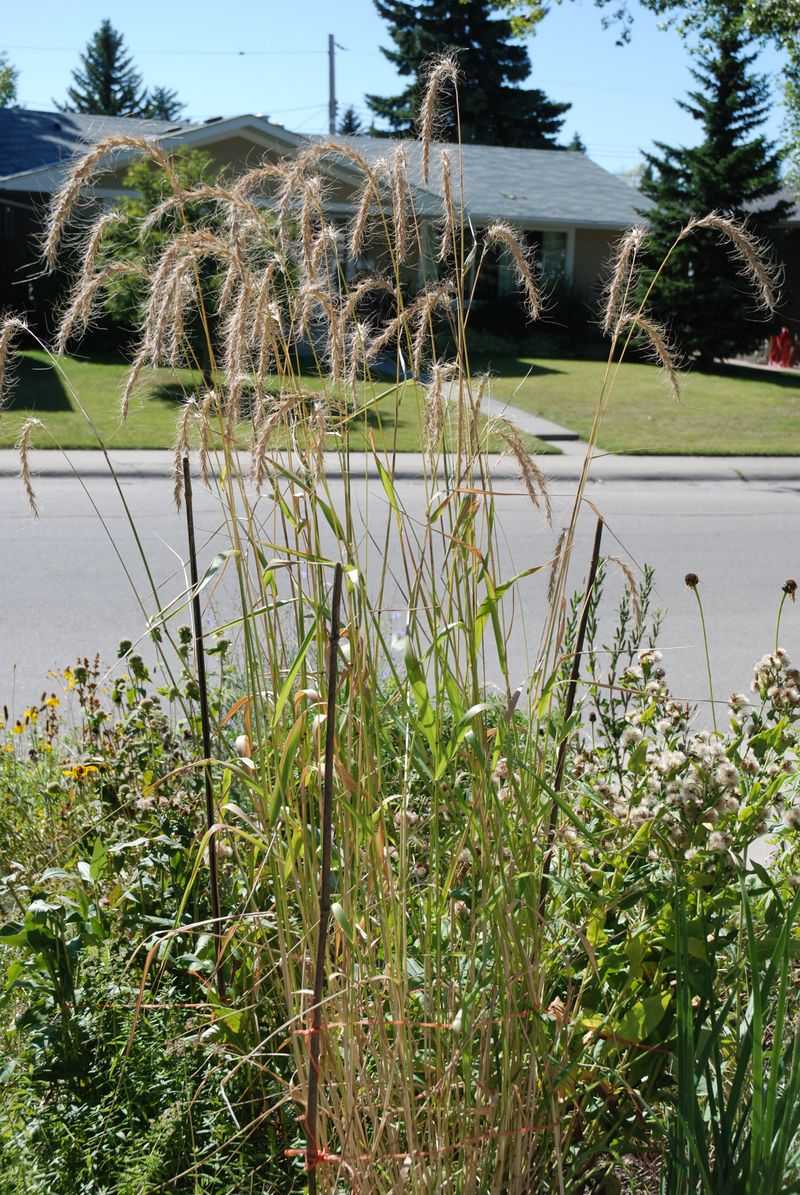
Gardeners in the high country, this one is for you. Canada wild rye shrugs off cold that would stall other cover crops, making it a smart fit for Boone, Asheville, and other mountain gardens where first frosts often arrive in early to mid October.
It establishes fast once seeded and builds a dense root mass that adds organic matter as it ages. Fine roots feed fungi and earthworms, the quiet crew that turns hard dirt into crumbly loam.
Prefer full sun for this cousin of Virginia wild rye. Mix the two if your yard has both sunny and shady spots, and you get coverage across the whole bed.
4. Hairy Bush Clover
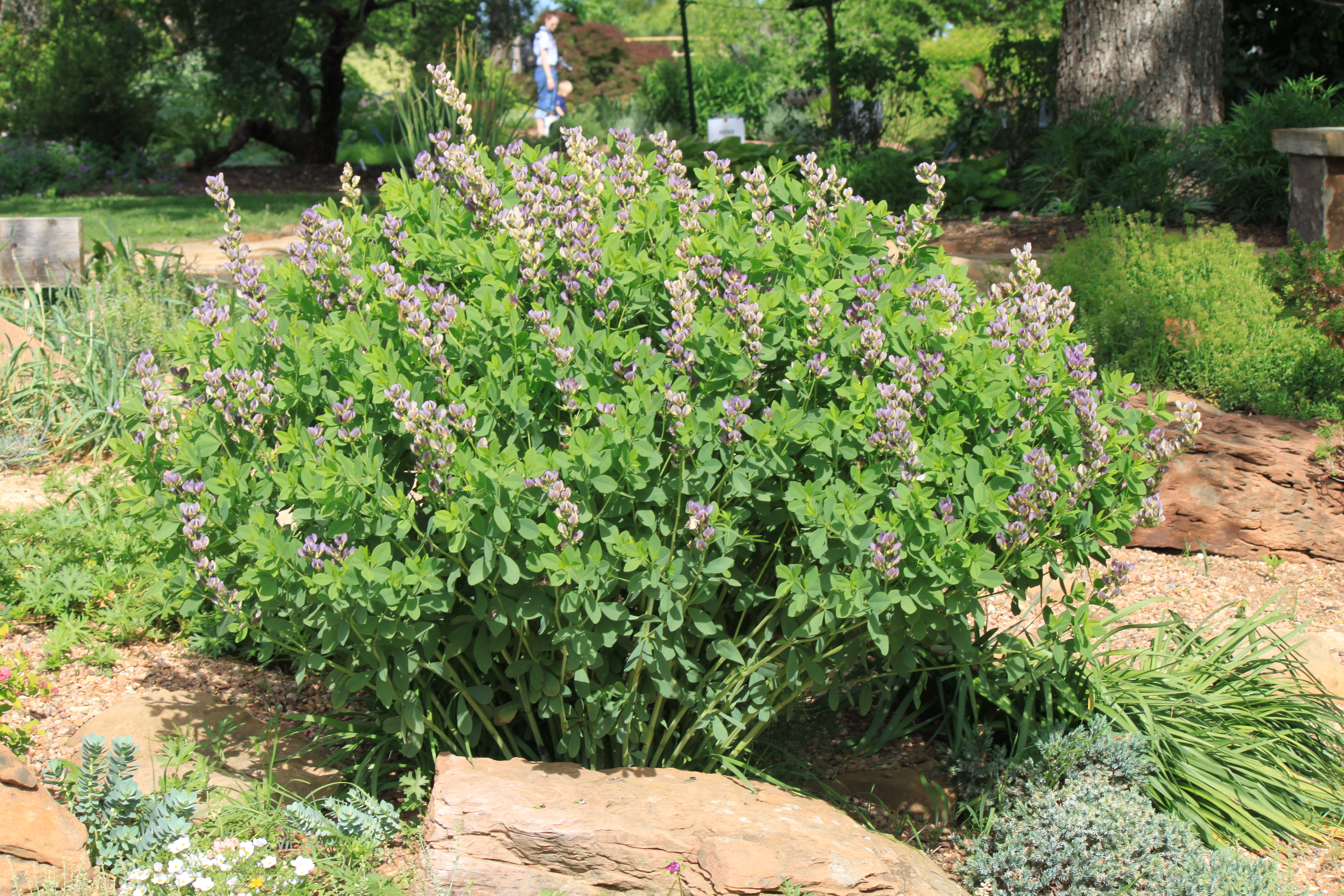
Not every lespedeza is a troublemaker. While the imported sericea lespedeza is invasive and best avoided, the native hairy bush clover is a well-behaved legume that belongs in NC landscapes.
Like other legumes, it can help add nitrogen back into worn-out soil. Its deep taproot reaches below the topsoil, pulling up minerals and loosening clay layers that shovels rarely reach.
Hairy bush clover works best in a permanent border or a rested bed you plan to leave alone for a season. Seeds provide winter food for birds, so you are feeding wildlife and your soil at the same time.
5. Little Bluestem
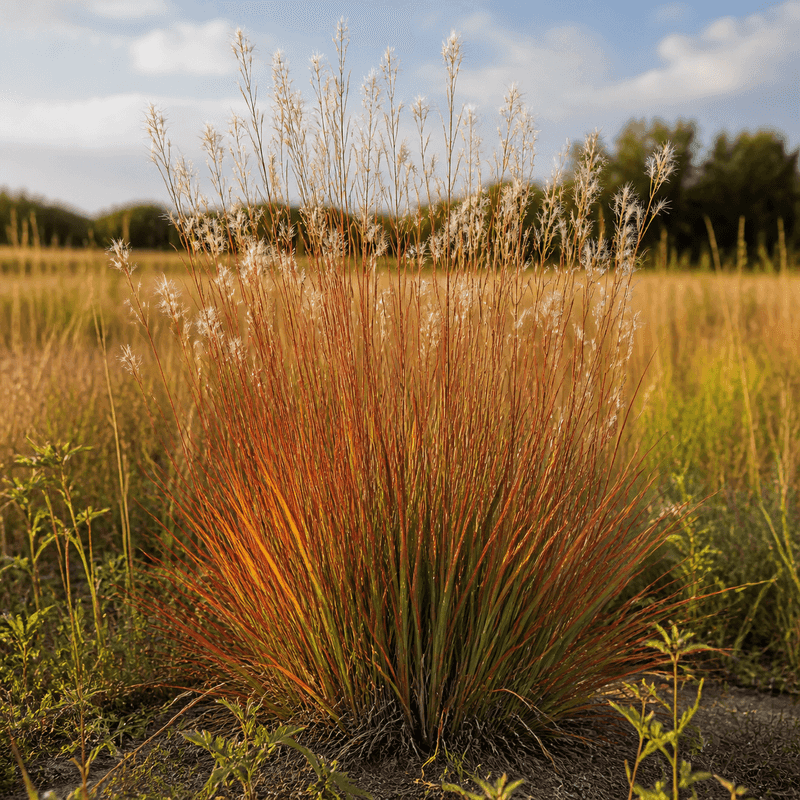
Come November, little bluestem turns a gorgeous copper red that looks good enough to keep in a front border. Underneath that pretty show, its roots can stretch several feet deep.
Those long roots are why it earns a spot here. As they grow and slowly break down, they build carbon deep in the soil profile, something surface mulch simply cannot do.
Little bluestem is a perennial, so treat it as a long-term soil builder for tired corners, slopes, or the strip along a driveway. Standing stems offer winter shelter for beneficial insects, and its drought toughness suits sandy coastal plain yards.
6. Wild Senna
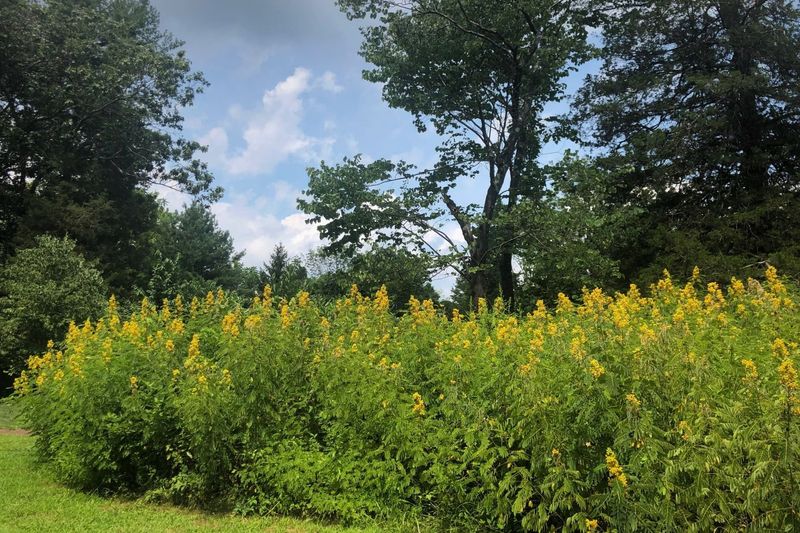
Here’s a fun one: wild senna is a host plant for sulphur butterflies, so you may spot little green caterpillars munching its leaves in late summer. That’s a good sign, not a problem.
Maryland wild senna is a native legume that can grow four feet tall, with roots that dig into heavy clay. Planted along the edge of a vegetable garden, it acts like a living soil improver year after year.
Cut the stems in late fall and chop them right on the bed. The leafy pieces break down over winter, feeding soil life much faster than wood chips.
7. Purple Lovegrass
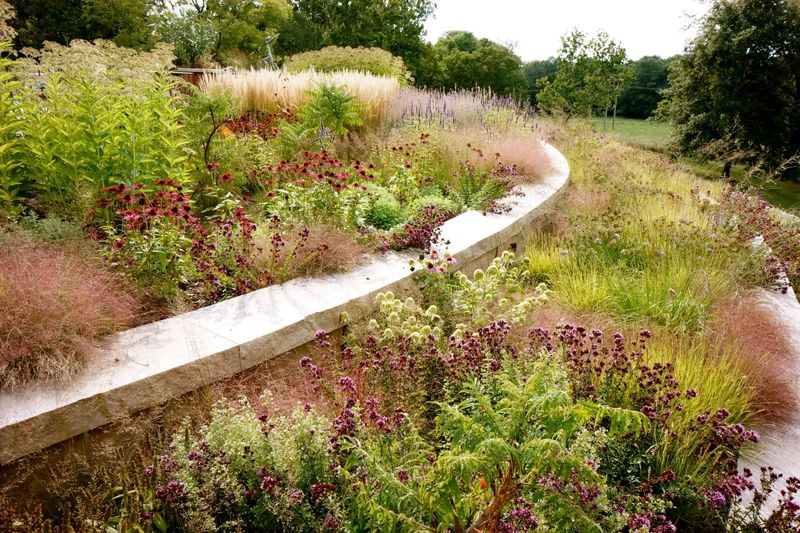
Sandy soil drains so fast that nutrients wash right through it. Purple lovegrass, a low native grass, thrives in exactly those tough spots near Wilmington, the Outer Banks, and the Sandhills.
Its fine roots knit sand together and add organic matter that may help the soil hold more water and nutrients over time. In early fall, it sends up airy pink-purple clouds that look like mist across the bed.
Plant it in sunny, lean areas where mulch keeps blowing or washing away. It stays short enough to edge paths, and its seeds feed sparrows through winter.
A quick takeaway for every region: sow native cover crops between late September and late October, leave them standing through winter, and cut them down a few weeks before spring planting. Your soil, and the wildlife around it, will thank you.