
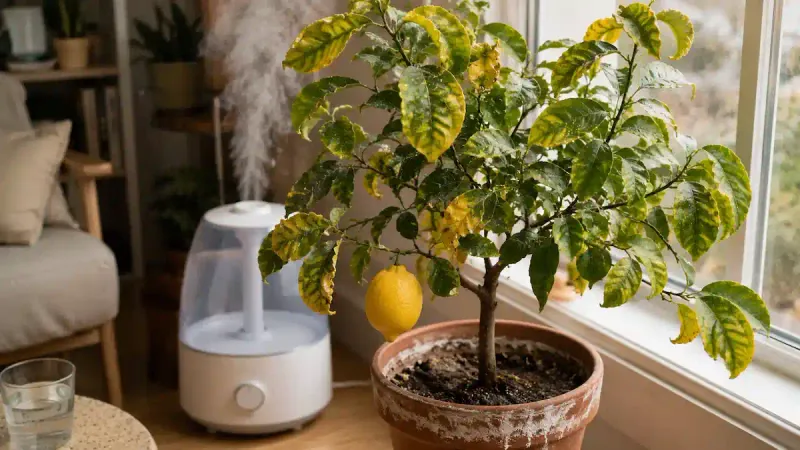
A potted lemon tree that looked great on the porch can start shedding leaves soon after it moves inside. Curled, yellow, or falling leaves can make any gardener worry that the tree is failing.
Watering on a fixed schedule is one habit worth checking, because a tree that grows slowly in winter may need less water than it did in summer. Here is how to sort out the possible causes and give your lemon steadier care.
Winter leaf drop has more than one possible cause
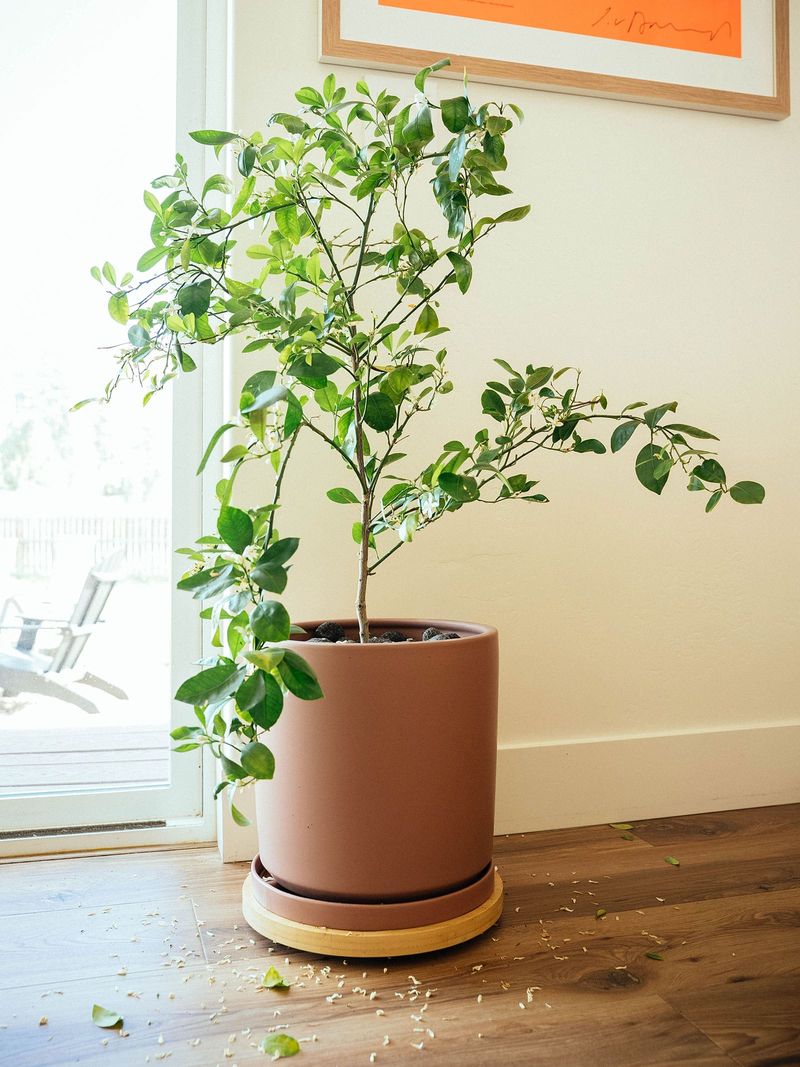
Leaves on the floor under your lemon tree do not tell you what went wrong. Maryland Extension notes that leaf drop often happens as citrus grown outdoors adjusts to the lower light and drier air indoors.
The same guidance lists conditions that are too warm, too cold, too wet, or too dry as other possible triggers.
Texas A&M AgriLife also warns that rapid changes in light can cause heavy leaf drop. So a tree that sheds right after coming inside may be adjusting to its new spot, not suffering from one mistake.
That is why a good diagnosis starts with a short checklist. Feel the potting mix, note how much light the tree gets, think about nearby heaters or drafty windows, and look closely at the leaves and stems.
Watering on a calendar is a risk worth checking, but it is only one item on that list. The next sections walk through each clue, starting with the soil.
Check the soil instead of following the calendar
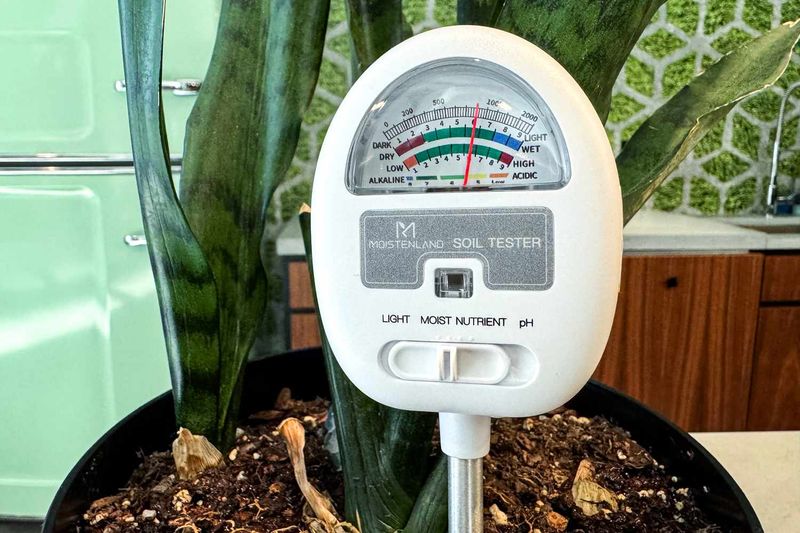
A summer routine, such as watering every Saturday, can quietly go wrong in winter. Indoors, a lemon tree grows more slowly, and the pot may stay damp far longer than it did on a hot patio.
Texas A&M AgriLife says overwatering is the most common cause of poor performance in container citrus, and it suggests letting the upper inch of potting medium dry before you water again.
Treat that inch as a starting point, not a rule for every pot. Pot size and material, the size of the plant, the type of potting mix, room temperature, and humidity all change how fast the mix dries.
A big plastic pot in a cool room may stay wet for a long time, while a small clay pot near a warm window dries quickly.
Push a finger into the mix to check. Just as important, do not let the whole root ball turn bone dry.
Wisconsin Extension and Maryland Extension both caution against swinging between soggy and parched.
Water thoroughly and let the pot drain

Once the soil check says it is time, give the tree a real drink. Water slowly so the mix soaks up the moisture instead of letting it rush down the sides.
Keep going until water runs out of the drainage holes, which Texas A&M AgriLife describes as the way to water thoroughly and let excess drain.
Then let the pot empty. Setting it in the sink for a while works well.
Do not put it back in a saucer full of runoff, since a container standing in drainage water can leave the roots waterlogged.
Cool rooms slow growth and can lower how much water the tree uses, so you may find yourself watering less often than in summer. No single interval fits every home, and pot material matters too.
A UC Agriculture and Natural Resources publication notes that plastic, metal, and ceramic pots generally hold moisture longer than wood or clay.
What does the leaf curl suggest?
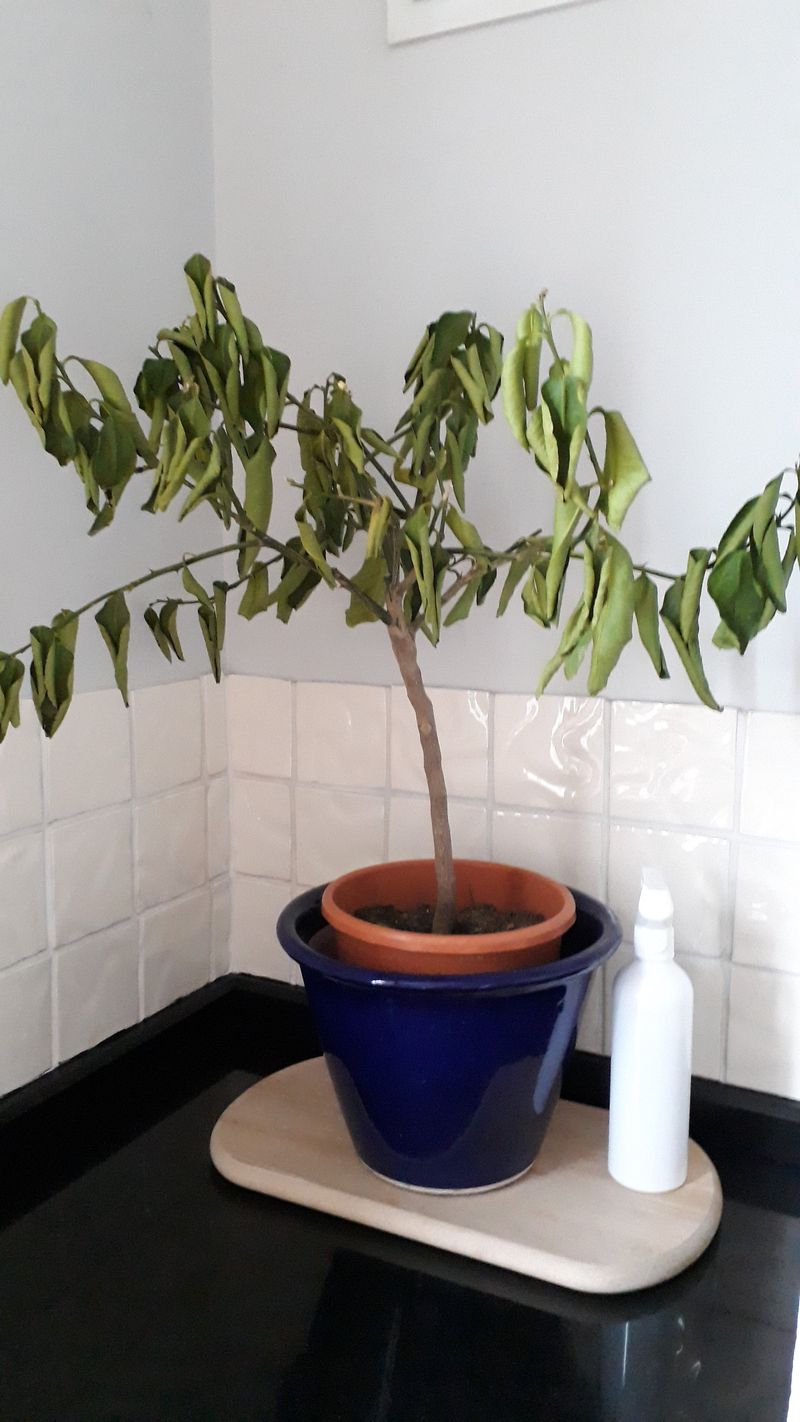
Curled leaves are tricky because both too little and too much water can be involved, so curling alone proves nothing. Look at the leaf’s texture and the soil together.
UC Agriculture and Natural Resources describes drought-stressed citrus leaves as sometimes curling upward and turning leathery and dry. The University of Arizona Extension likewise identifies cigar-like curling as a possible sign of insufficient water.
On the other side, Wisconsin Extension lists cupped or yellowed leaves among possible symptoms of too much water.
So before changing anything, check the mix. Bone-dry soil and dry, leathery leaves point toward thirst.
Soggy soil that stays wet for days, plus cupped or yellow leaves, points the other way. If the soil feels about right, look at light, temperature, and pests before you change your watering again.
Light and indoor conditions can add stress
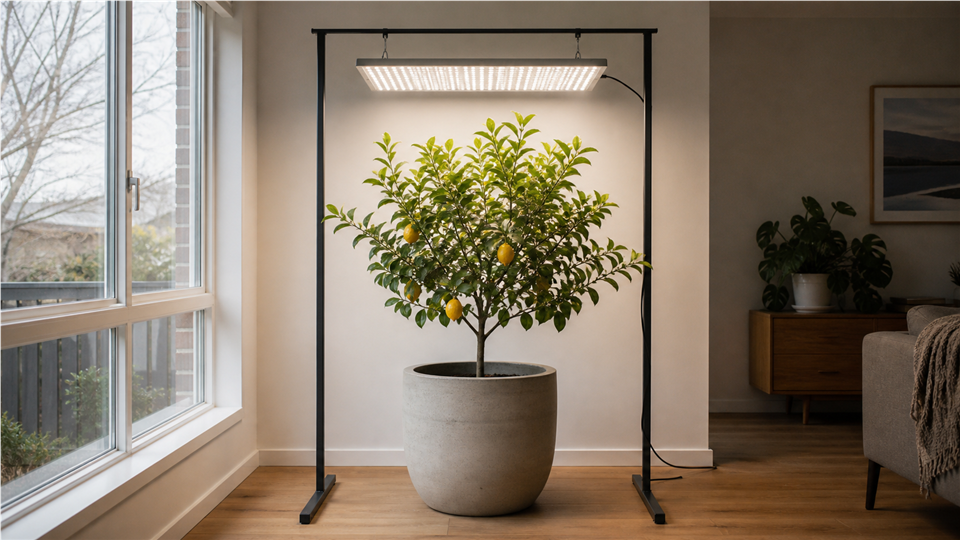
Moving a lemon tree indoors changes more than its watering needs. Even the sunniest windowsill is dimmer than the outdoors, and the air is usually drier too.
Give the tree the brightest spot you have. Maryland Extension recommends at least six hours of direct sun, preferably more, and supplemental light when indoor light falls short.
A south-facing window is often the best choice, and a grow light can fill the gap.
If you have not moved the tree yet, ease it into the change. Texas A&M AgriLife suggests gradually acclimating a tree to reduced light before bringing it inside, which can help limit leaf drop.
Temperature and humidity shifts may add stress as well. Keep the pot away from heating vents and cold drafts, and notice whether leaf drop follows a sudden change in the room.
Inspect for pests before blaming the watering routine
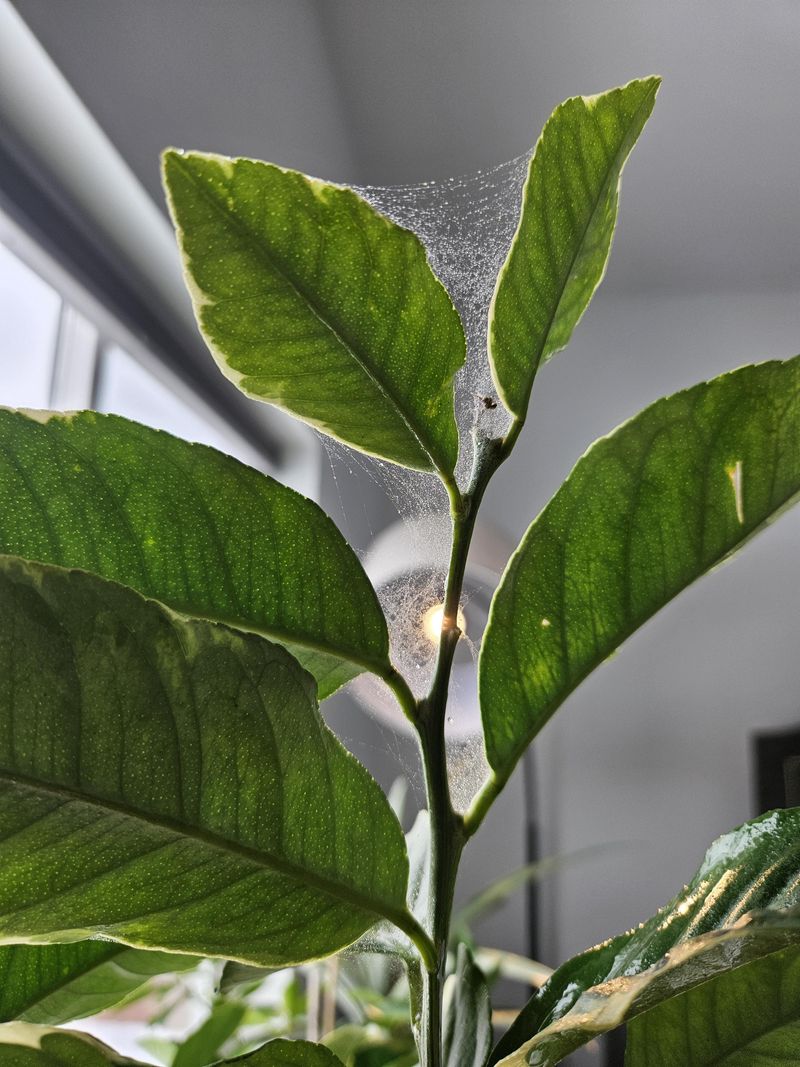
If the soil and light seem fine and leaves are still struggling, take a few minutes to look for pests. Turn leaves over and check the stems, too, since many tiny pests hide there.
Maryland Extension points to stippling, which looks like tiny pale dots, and fine webbing as possible clues to spider mites. Sticky residue on leaves or nearby surfaces, or a black sooty mold, can suggest aphids or scale.
A clue is not a confirmed diagnosis, so compare what you see with photos from a trusted extension source, or ask your local county extension office. Dry indoor air in winter can make some pest problems easier to miss until they build up.
If you decide to treat, choose a product labeled for the plant and the setting, such as indoors, and follow the directions on the label. The same Maryland guidance says to follow label directions for insecticidal soap and horticultural oil.
Use soil checks to support the tree, not promise a crop
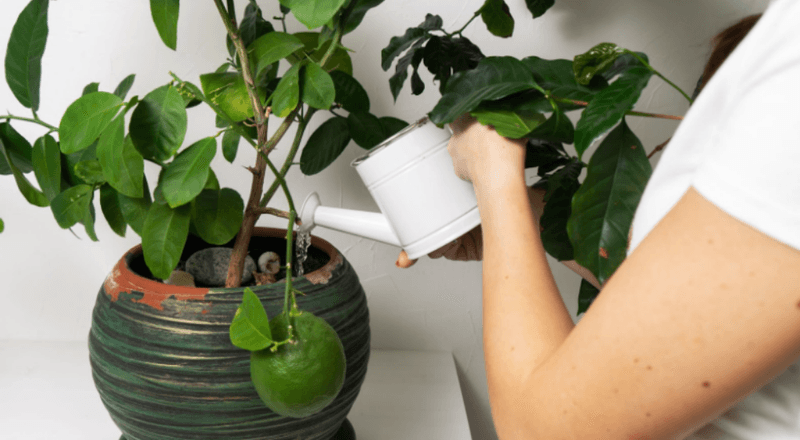
Here is the routine in a nutshell: touch the mix first, water well when it is ready, let the pot drain, and keep an eye on light and leaf clues. Texas A&M AgriLife’s upper-inch check is a handy place to begin, and you can adjust it to your pot and room.
That kind of care can make winter easier on the tree, but it cannot promise that every leaf will stay or that fruit will follow next year. Indoor fruiting also depends on other care, including enough light, as Wisconsin Extension explains.
Think of the soil as the tree’s way of telling you what it needs, and your fingertip as the translator.