
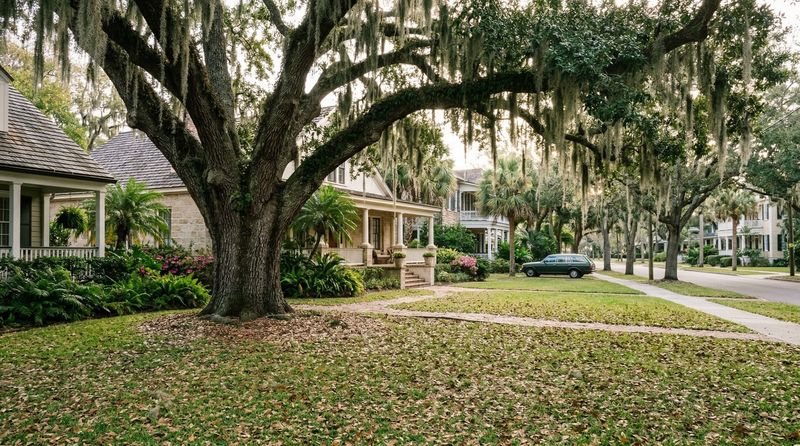
Oak trees drop a lot of leaves, and in Florida that pile can be a free resource for your garden. Used the right way, those leaves can work as mulch in beds where sandy soil dries out fast.
They can also give a few small critters a place to shelter. Here is how to decide where leaves belong, where they do not, and how to use them without causing problems.
Florida oaks do not all drop leaves at the same time
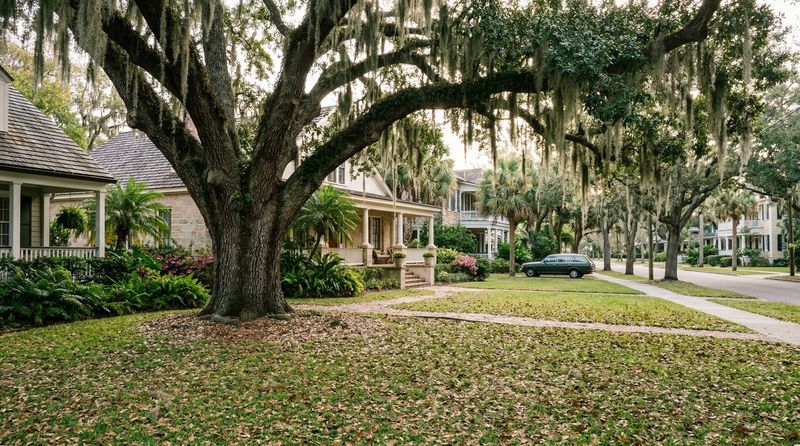
Ask three neighbors when their oaks drop leaves and you may get three different answers. Florida has several oak species, and their leaf habits are not the same.
Some lose leaves in cooler months, while others follow a different schedule.
Live oaks are a good example. According to UF/IFAS tree information, live oaks generally shed their old leaves as new leaves emerge, rather than dropping everything in autumn.
In many yards that means a heavy leaf fall in late winter or spring instead of fall.
So think of leaf season as something you watch for locally, not a date on the calendar. If you have a live oak, your best mulch supply may show up when other people have finished raking.
A laurel oak or water oak down the street may be on its own timeline.
Once you notice when your trees drop leaves, you can plan around it. Keep a rake, a bucket, or a wheelbarrow handy during those weeks.
Then you can collect leaves while they are fresh and dry, and decide which ones go to garden beds and which ones stay put for wildlife.
What oak leaves can do for a Florida bed
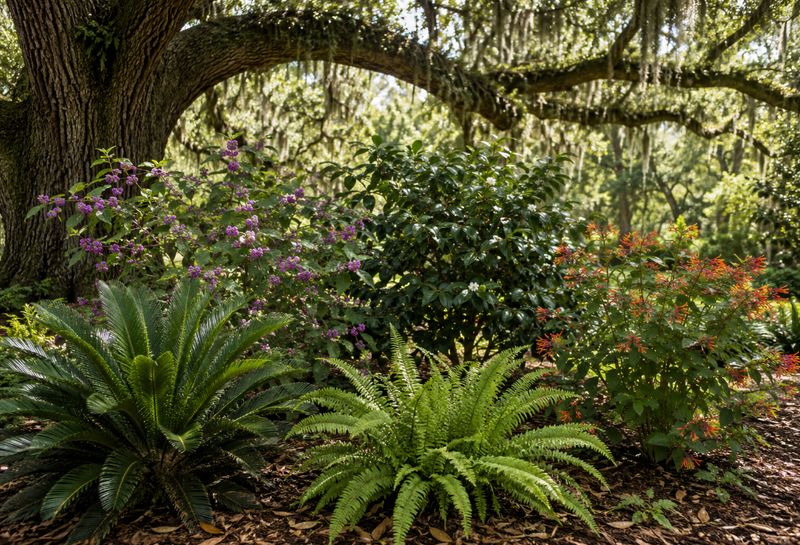
Oak leaves are one mulch option for suitable landscape and garden beds, and they cost nothing. UF/IFAS describes leaves as an excellent landscape mulch and suggests moving extra leaves from under trees into beds.
That fits well with the way many Florida yards are set up.
Mulch in general can help hold soil moisture, soften swings in soil temperature, and cut down on weeds. As leaves break down, they also add organic material to the soil.
These are general benefits of mulch, so results depend on your site, the weather, and how you apply it.
Florida gardeners with sandy, fast-draining soil often hope mulch will fix everything. Leaves help, but they will not turn sand into loam or replace watering during a dry spell.
New plants still need attention, and a mulched bed may still dry out in a long drought.
You may have heard that oak leaves make soil too acidic for most plants. That worry is not well supported, and you do not need to avoid them for that reason.
Still, every plant and site is different, so watch how your beds respond.
Think of leaves as one helpful tool, not a cure-all. They work best in beds with shrubs, perennials, and trees that already like mulch.
Move problem leaves into suitable beds
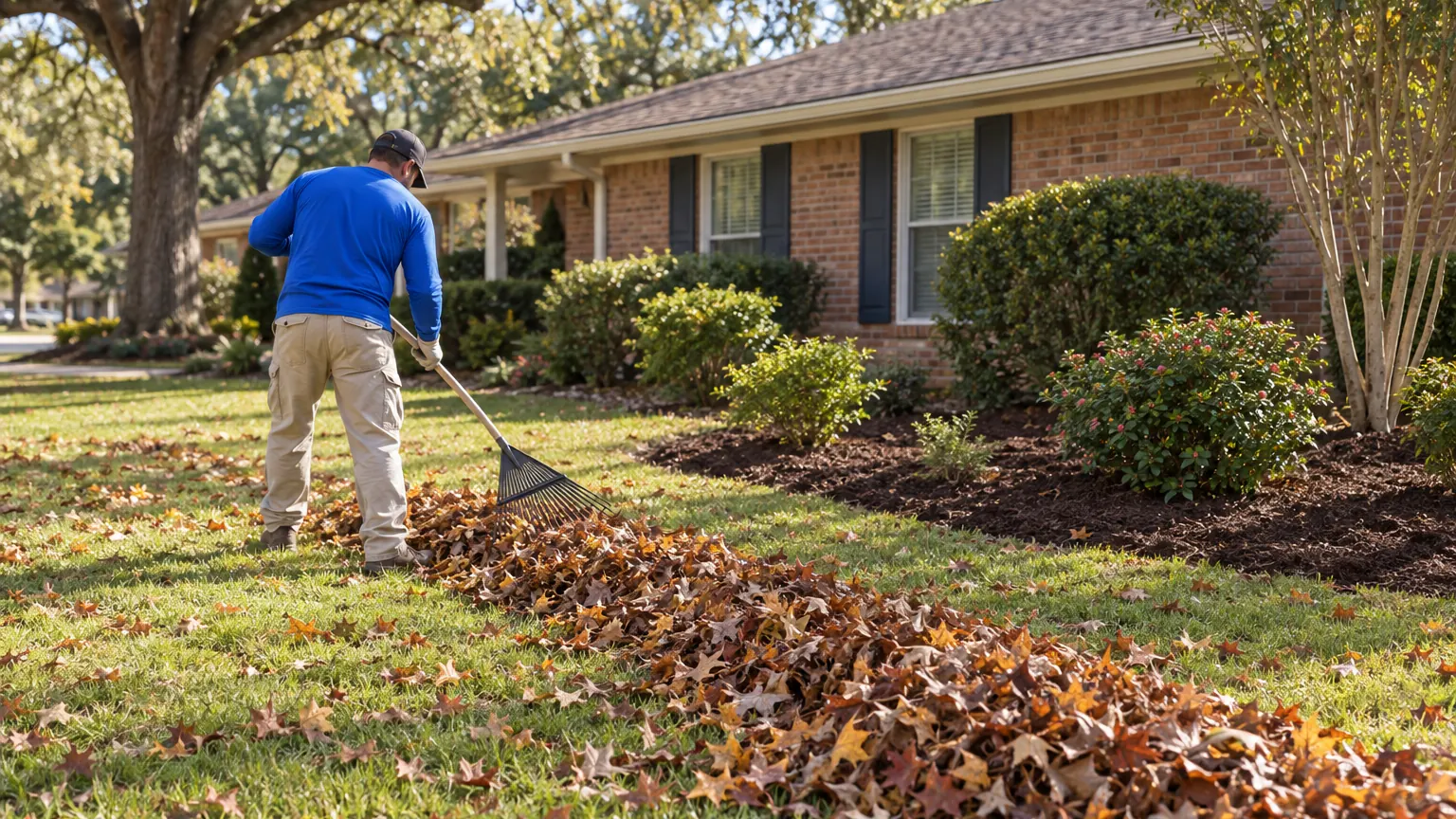
Reusing leaves does not mean leaving them wherever they land. Some spots need to be cleared.
Lawns can get shaded and smothered, paths get slippery, and drains can clog when a wet mat builds up.
Walk your yard and list the problem areas first. Check turf, walkways, patios, driveways, gutters, storm drains, and the low spots where water should flow.
Those are your source areas.
Next, choose your destinations. UF/IFAS suggests moving leaves from places where they cause trouble into landscape or garden beds.
Shrub borders, tree rings, and ornamental beds are common choices, while a vegetable garden may need a lighter hand.
Some beds are better left alone. A patch of bare soil may be needed for wildlife, and a bed near a home needs extra care, which later sections cover.
Beds with plants that dislike wet feet may not suit a thick leaf layer either.
A simple routine helps. Rake or blow leaves from the problem zones into a tarp or wheelbarrow, then carry them to the chosen bed.
Work in short sessions so the job stays easy, and save the details of shredding and depth for the steps that follow.
Break up mulch leaves and leave a wild patch intact
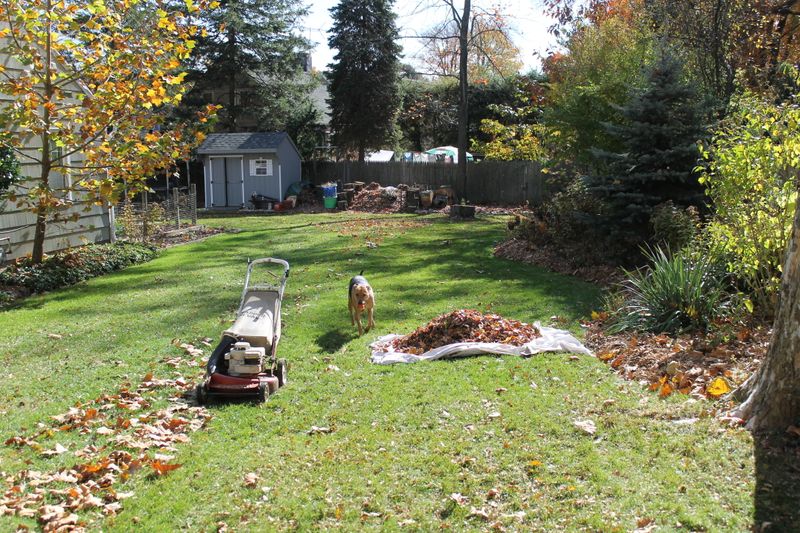
Whole oak leaves tend to lie flat and stack up like wet paper. Penn State Extension notes that intact leaves can mat and slow the movement of water and air.
Breaking them into smaller pieces helps reduce that problem.
You do not need a fancy shredder. UF/IFAS says leaves can be broken down by hand or with a string trimmer.
Try putting dry leaves in a deep bucket or trash can and pulsing the trimmer, or crumble them by hand as you spread them.
Do not shred every leaf on the property, though. The UF/IFAS Sarasota County Leave the Leaves factsheet points out that leaf debris can shelter or provide nesting material for some wildlife.
The Firefly Atlas FAQ also recommends leaving leaf debris in place.
The two choices work side by side. Chopped leaves go in beds where you want mulch.
A separate patch of whole leaves can stay undisturbed in a back corner, under shrubs, or along a fence line.
Pick a spot away from walkways and drains so it does not become a problem. A patch the size of a couple of doormats is a fine start.
You can adjust later as you see how it looks and works.
Keep mulch moderate and clear of stems and structures
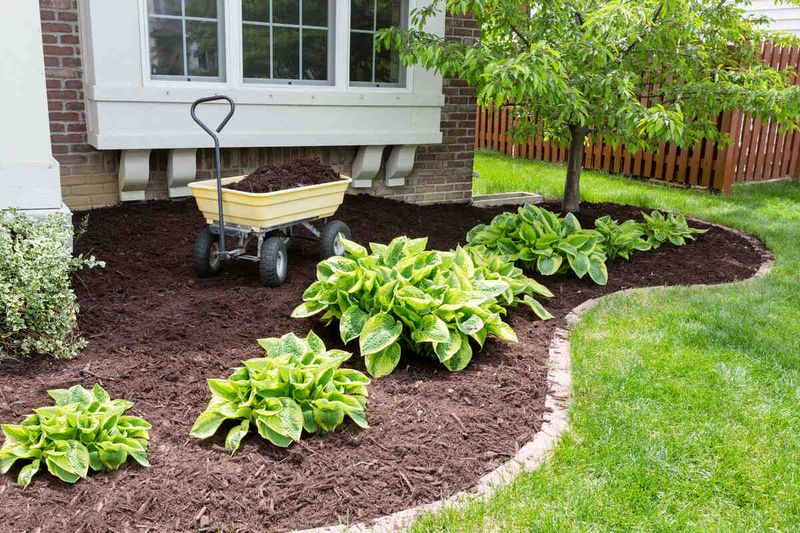
More mulch is not always better. UF/IFAS Extension recommends 2 to 3 inches of mulch in plant beds.
That depth gives you the benefits without smothering roots.
Near the house, go lighter. UF/IFAS pest-prevention guidance says to use no more than 2 inches of mulch within 12 inches of a home’s foundation.
Thick mulch there can give pests a path to the house.
Fire safety matters too. UF/IFAS fire-landscaping guidance cautions against thick combustible mulch right beside the foundation.
Dry leaves and wood mulch both burn, so keep that strip thin or leave it clear.
Pull mulch back from trunks and stems so a small gap remains. Piling it against bark keeps the area damp and can invite rot and pests.
A ring with a clear donut hole around each plant is a good picture to keep in mind.
Leaves can blow around on windy days. UF/IFAS notes that a thin layer of wood mulch on top can help hold them in place.
Spread chopped leaves first, then add that light cap if wind is an issue.
Leaf litter can support some fireflies, while ground-nesting bees need bare soil
Not every helpful insect wants the same thing from your yard. Some like leaf litter, and others need open dirt.
Good habitat planning means offering a bit of both.
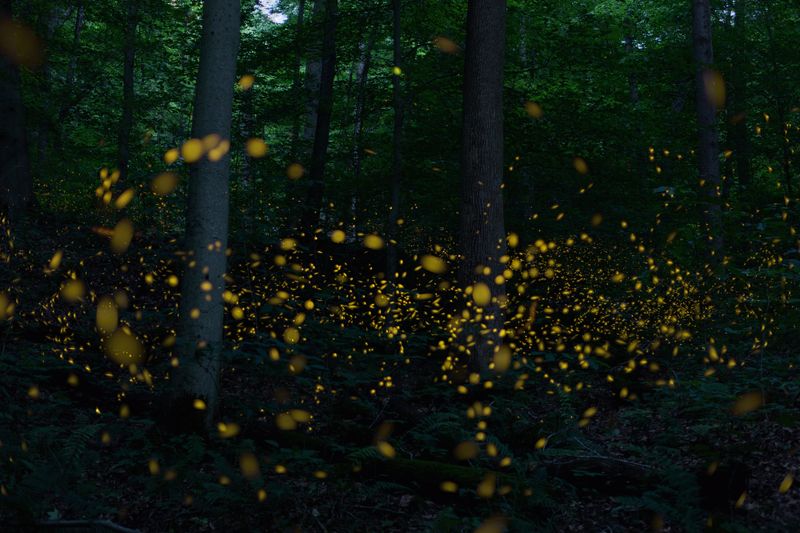
Firefly young often live in the places leaf litter creates. According to the Firefly Atlas life history page, eggs and larvae may be found in leaf litter, soil, moss, or rotting wood, depending on the species and life stage.
Some species use the leaf layer directly.
Fireflies face other pressures as well. The Firefly Atlas FAQ lists leaf debris, unmowed areas, fewer pesticides, and less unnecessary outdoor lighting as helpful steps.
Leaving leaves is one piece, and it will not guarantee more fireflies.
Other insects may use leaf debris too, but needs vary. A UF/IFAS Polk County post describes some bees and other insects using leaf litter or other sites, while life cycles and shelter needs differ.
It would be wrong to say every pollinator overwinters in your oak leaves.
Bees are a different story. UF/IFAS Gardening Solutions explains that many Florida native bees nest in the ground and prefer dry, bare soil.
Covering every inch with mulch can block them.
A practical plan is simple. Keep one undisturbed leaf patch in a quiet corner, and leave a sunny, well-drained strip of bare soil elsewhere.
Neither choice promises more wildlife, but both give species with different needs a chance.
Use a flexible leaf routine
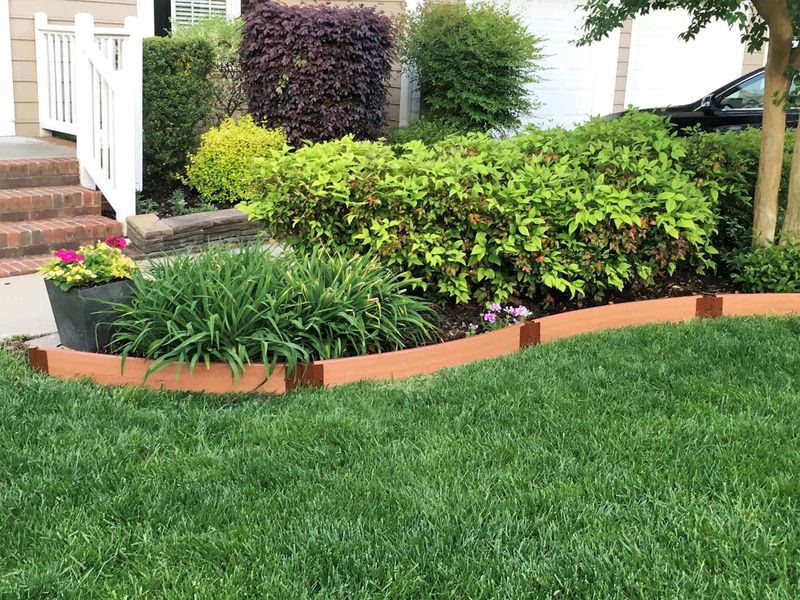
Start with the trouble spots and clear leaves from lawns, paths, and drains. Chop what you want for mulch, then spread 2 to 3 inches in suitable beds, keeping it thin near the house and away from stems, as UF/IFAS leaf guidance supports reusing leaves this way.
Set aside one undisturbed patch, as the Firefly Atlas suggests, and keep a sunny bare spot for the ground-nesting bees described by UF/IFAS Gardening Solutions.
Tweak the routine each year, and let your yard tell you what works.