
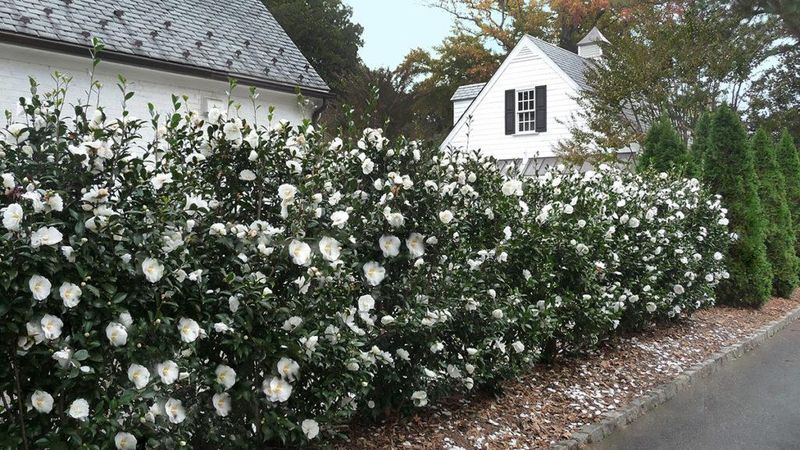
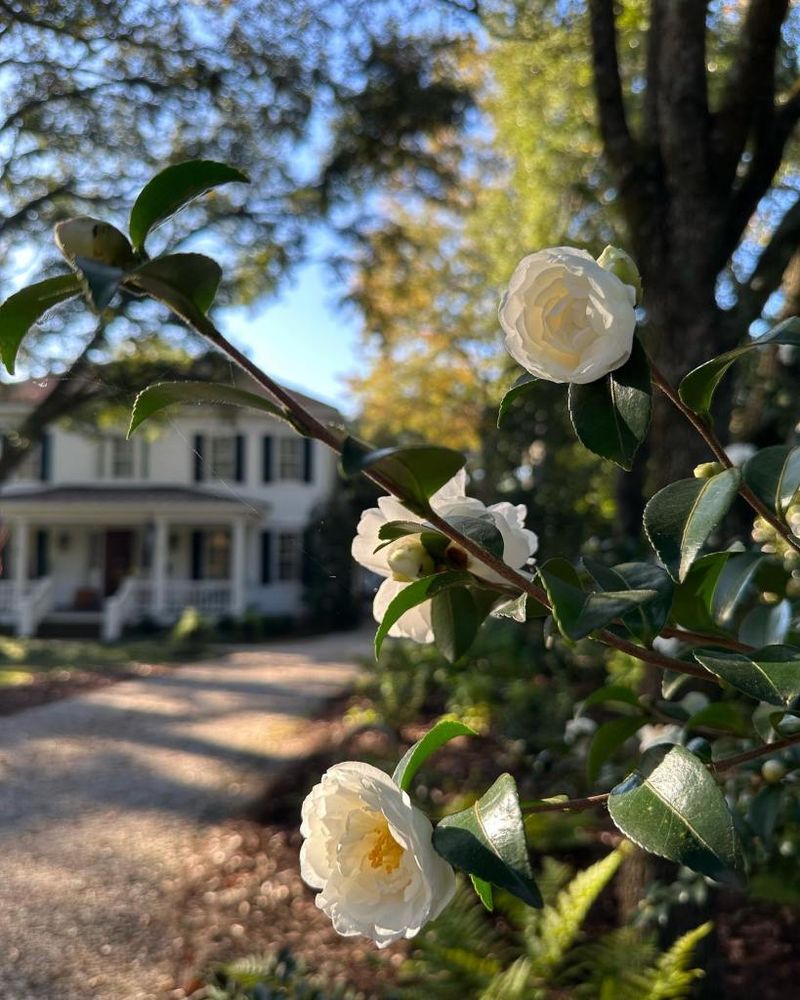
When the leaves drop and the summer beds turn brown, one glossy green shrub starts opening flowers. Sasanqua camellia can fill a North Carolina yard with blooms from fall into early winter.
It is not right for every spot, though, and its timing changes from place to place. Here is how to tell whether it fits your yard.
Its fall-to-winter bloom is real, but not statewide on cue
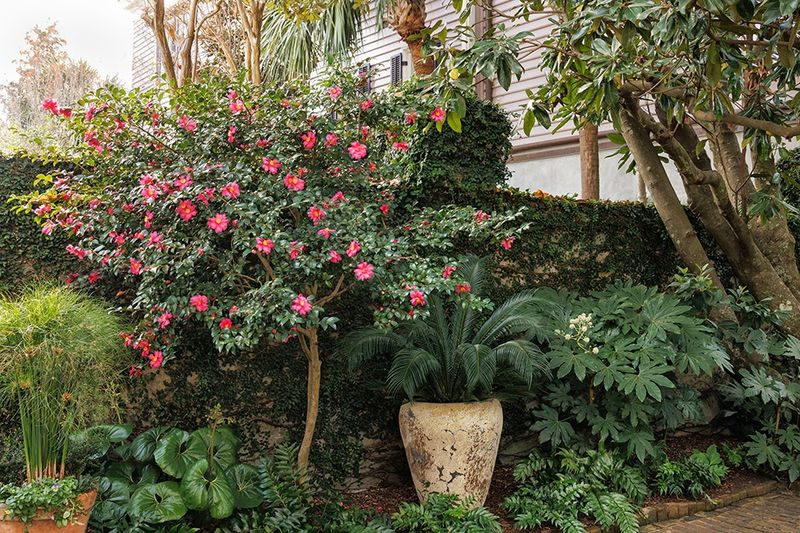
Garden calendars in central North Carolina put sasanqua bloom in a familiar window. Duke Gardens reports that it typically flowers from October through December, and that sasanquas are among the camellias blooming there in November.
That is a typical range, not a fixed schedule. Cultivar, planting site, and weather all shift the timing.
A shrub on a warm, sheltered wall may open earlier than one in an exposed corner, and a cool or dry fall can nudge things later. So a sasanqua may be blooming in your neighborhood right now, but nobody can promise peak color in every North Carolina yard at once.
It also helps to know which camellia you are looking at. Sasanqua is generally the earlier fall-to-winter bloomer, while Japanese camellia (Camellia japonica) flowers on a different schedule.
The NC State Extension camellia page shows that the wider camellia season can run well past sasanqua’s show. NC State also describes sasanqua as a late-fall-to-winter bloomer in its Plant Toolbox profile.
If you are shopping, check the tag or ask the nursery for the cultivar’s bloom period. Visiting a garden center in October or November lets you see which plants are actually in flower in your area.
Evergreen foliage extends the color beyond the flowers
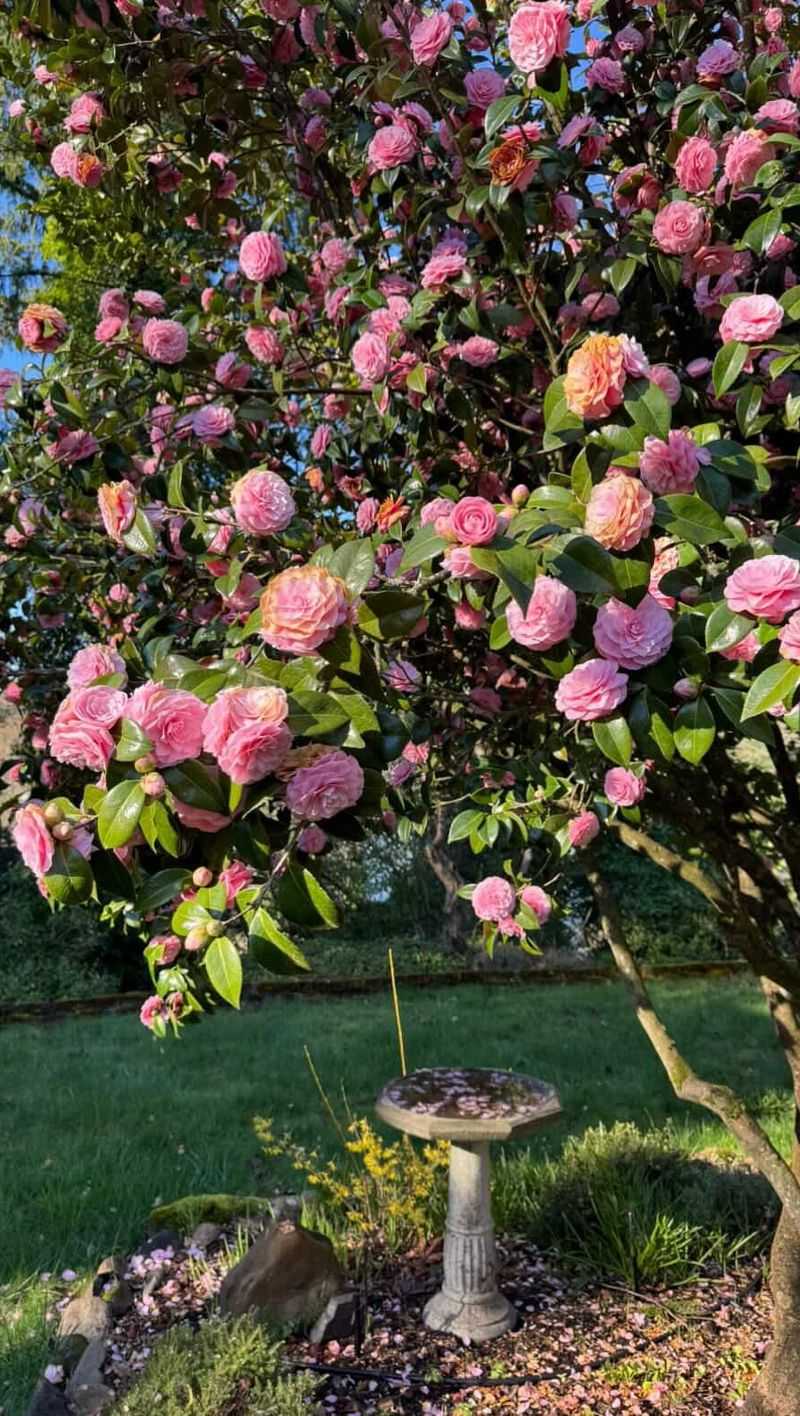
Long after the flowers drop, the leaves keep working. Sasanqua is a broadleaf evergreen with glossy foliage, so it holds its shape and green color while many yard plants go bare.
In a border full of dormant perennials and leafless shrubs, that green backbone is a welcome sight.
The flowers are generally fragrant and measure about 2 to 3 inches across, according to NC State Extension. Pause by the shrub on a mild afternoon and you may catch the scent.
Keep the hook in perspective, though. Plenty of plants are not finished for the year.
Native common witch hazel can flower in North Carolina from late fall into late winter, so sasanqua is one late bloomer among several.
One more detail saves disappointment. When people say a sasanqua blooms for weeks, they mean the whole shrub.
Each flower lasts only a few days before it drops. Watch for fresh buds opening behind the fallen petals to keep the show going.
Will it thrive in your part of North Carolina?
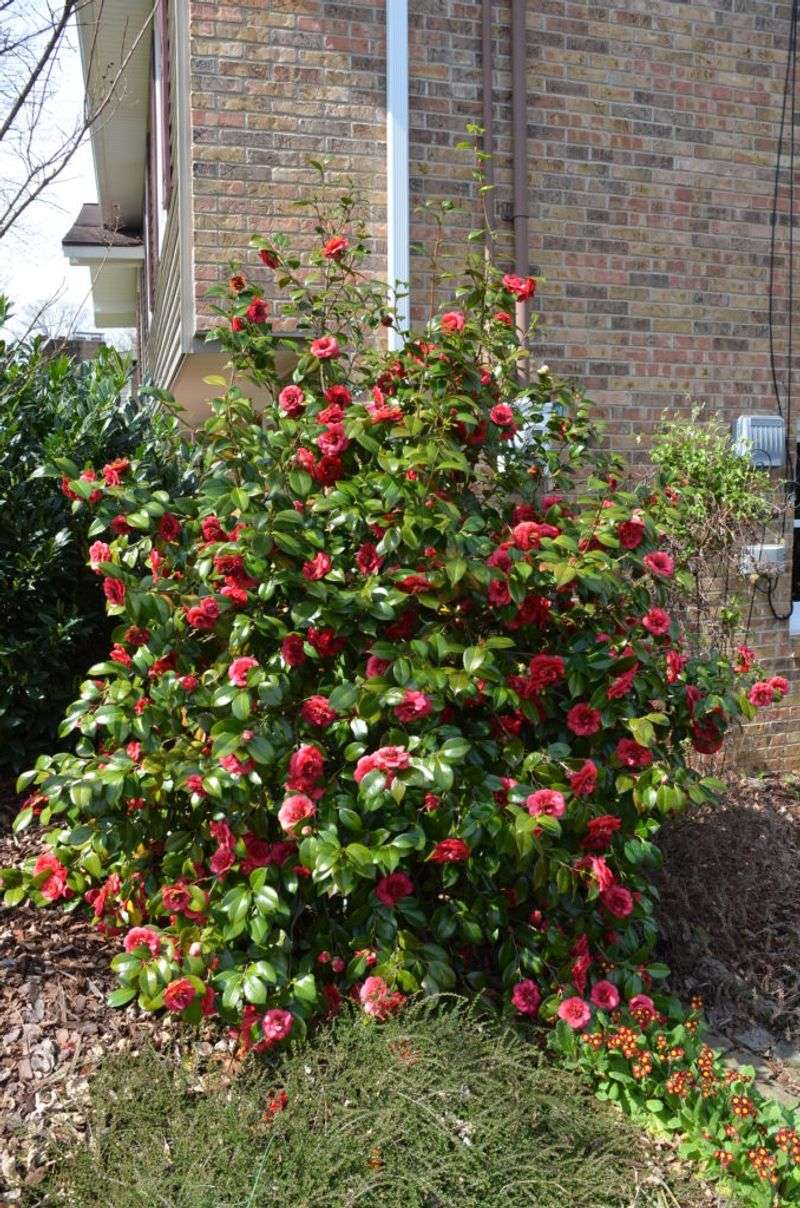
Where you live matters more than most plant tags admit. NC State’s species profile lists the coastal and Piedmont regions and USDA zones 7a through 9b.
The mountains are not on that list.
If you garden in the coastal plain or Piedmont, sasanqua is a reasonable candidate. If you garden in the mountains, do some homework first.
Ask a local nursery or your county Extension office which cultivars have survived winters nearby, and consider a trial plant in your most sheltered spot before committing to a whole hedge.
Even inside the suitable range, cold can spoil the display. A shrub may live through winter and still lose buds or open flowers.
Auburn University’s camellia guidance notes that bloom and bud damage can happen at warmer temperatures than damage to the plant itself.
A practical clue is a plant that stays green but shows brown, mushy buds after a cold snap. That points to exposure, not disease, and suggests a more sheltered location next time.
A sheltered spot with good drainage supports the display
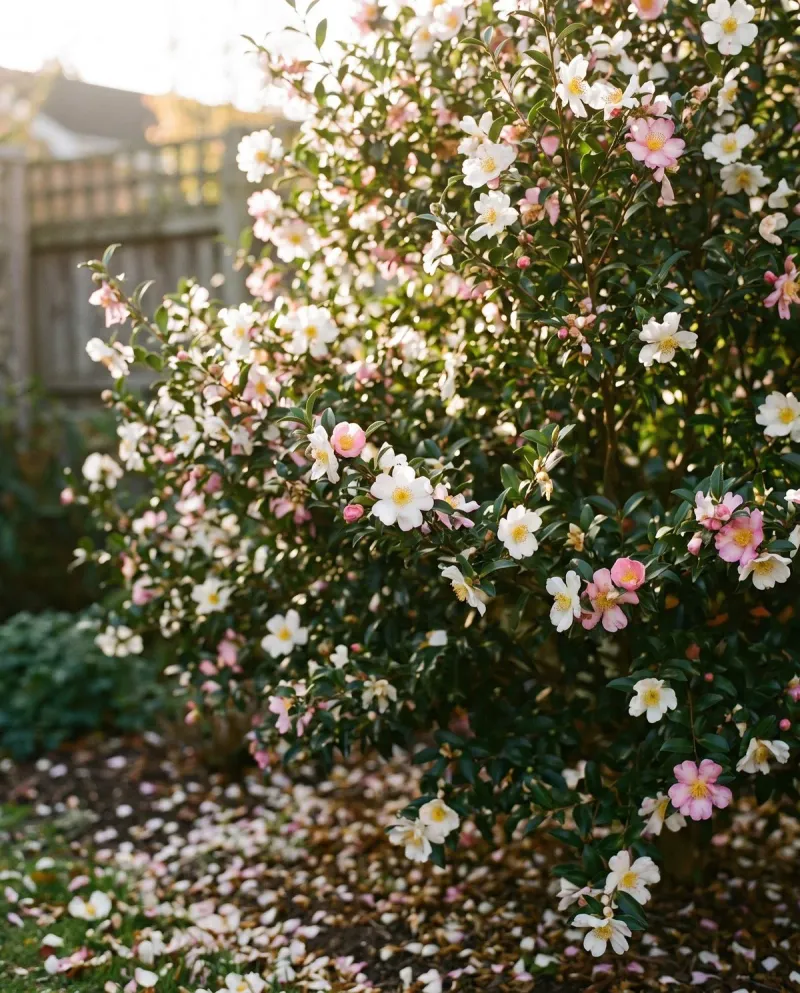
Picture a spot that gets morning sun, some afternoon relief, and a barrier against the wind. That is close to what sasanqua wants.
NC State says it can grow in full sun to partial shade, and recommends shelter from harsh afternoon sun, winter wind, and cold, as listed in its Plant Toolbox entry.
Good candidates include the east side of a house, a border backed by a fence or evergreen hedge, or a spot under tall pines with filtered light. Avoid open corners where winter wind whips across the lawn and spots where west-facing walls bake the leaves in the afternoon.
Aim for moist, well-drained soil that runs from acidic to neutral. UF/IFAS also says sasanquas tolerate full sun but do best when protected from harsh afternoon sun.
Drainage is the key test. Dig a hole, fill it with water, and see whether it empties within a reasonable time.
If water sits for hours, pick another site or build a raised planting area. There is no need to add amendments automatically.
Start by choosing the right spot, and test your soil if you suspect a problem.
Make room for the shrub it will become
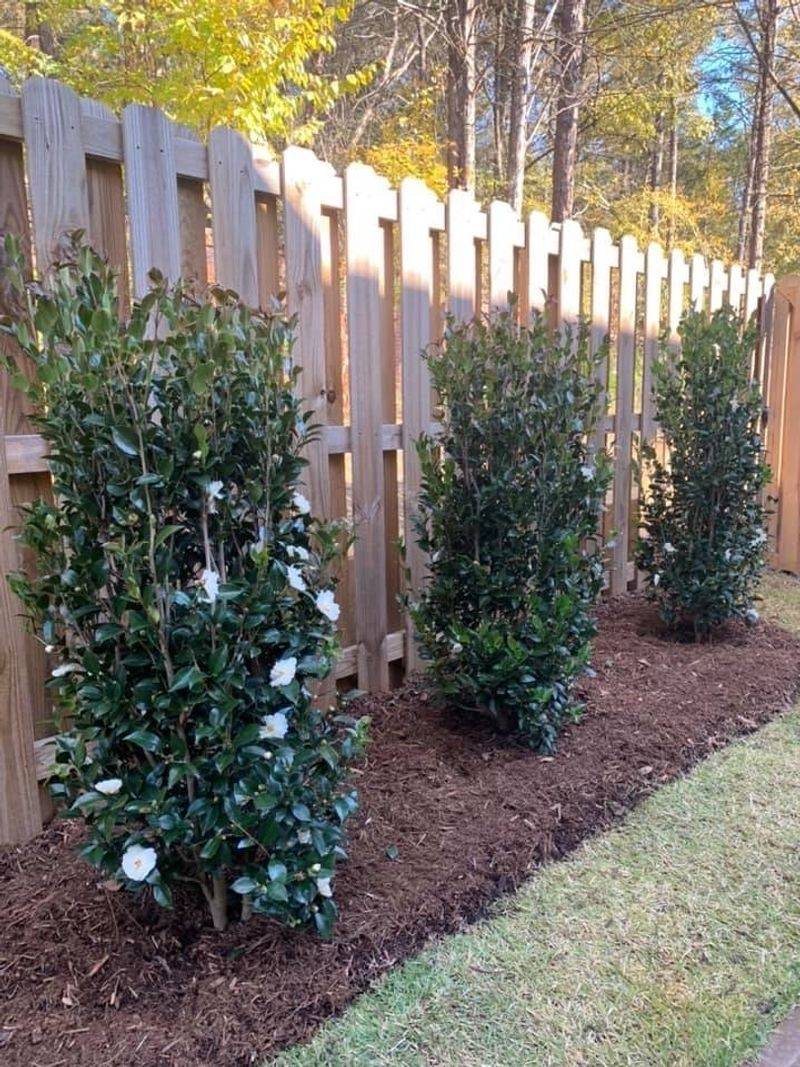
A one-gallon pot is a poor guide to what you are buying. NC State lists mature size at roughly 6 to 14 feet tall and 5 to 7 feet wide in its Plant Toolbox profile.
That is a big range, so look up the expected size of your specific cultivar before planting.
This matters most in tight foundation beds. A shrub that reaches ten feet will cover windows and crowd walkways if it goes in close to the house.
Measure the space, then match the plant to it.
NC State lists accent planting, privacy hedge, and tall foundation planting as uses. A row spaced with room to grow makes a handy evergreen screen.
A single specimen near a patio can be a focal point in fall.
Deer are another thing to plan for. NC State rates deer resistance as slight, which means browsing can still happen.
If deer visit your yard, protect young plants with fencing or netting until they are established.
Establishment care keeps drought tolerance in perspective
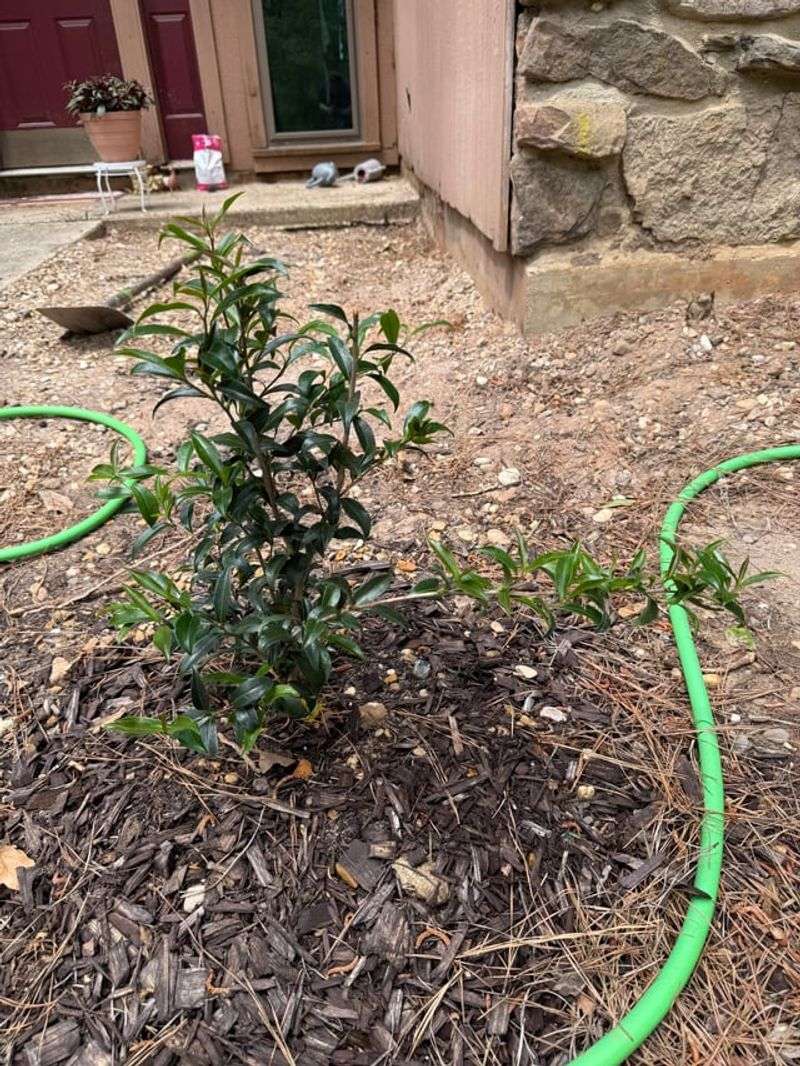
Established sasanquas can handle dry spells, and that is where the story often gets stretched. A shrub planted last month has not built the root system to match.
NC State says established plants tolerate drought, while its general camellia page says camellias do not tolerate drought. Both can be true, depending on the plant’s age.
For new plantings, check the soil every week or so, and water deeply when the top few inches feel dry. Pay extra attention during dry autumn and winter stretches, since evergreen leaves keep losing moisture.
Timing helps too. General camellia guidance points to November through February as a planting window, which lets roots settle before summer heat.
UF/IFAS gives the same window in its Florida advice. Treat those dates as a guide, since local conditions in the mountains, Piedmont, and coast differ.
Spread mulch around the shrub but keep it a few inches away from the base, so it does not pile against the stem and hold moisture there. Skip routine fertilizer and soil acidifiers unless a soil test gives you a reason.
Prune after flowering to protect next season’s buds
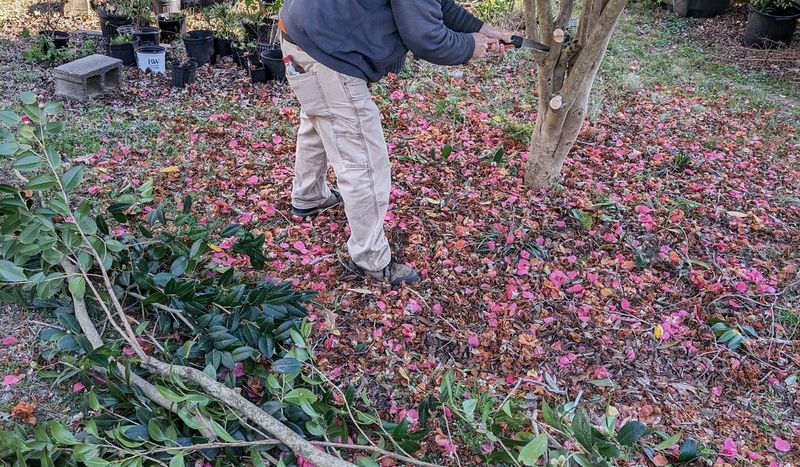
Sasanqua sets next year’s flowers on old growth. That means pruning in the wrong month can cut off the show before it starts.
NC State advises pruning, if needed, soon after flowering, and the general camellia guidance warns that late or heavy cuts can remove buds.
A simple rule works well. Trim lightly to shape the shrub, remove dead or crossing branches, and finish before new buds form.
If a shrub has outgrown its spot, consider moving it next season instead of cutting hard every year.
Protection from cold wind is the other half of bud care. NC State recommends shelter from cold, dry winds that can damage buds and blooms.
A spot near a wall or evergreen windbreak helps.
No site can guarantee flowers after a hard freeze. Auburn’s guidance notes that buds and blooms can be harmed at temperatures milder than those that hurt the plant.
If a freeze is forecast, expect some flowers to brown, and enjoy the next wave of buds.
Choose it for a suitable site, not a guaranteed statewide show
Sasanqua earns its place when the yard offers room, drainage, and shelter, and when you accept that bloom dates move around. NC State and Duke Gardens both support it as a fall-to-winter evergreen accent.
It will not be the only thing flowering, and it need not be. Think of it as a dependable green anchor that sometimes hands you roses in November.