
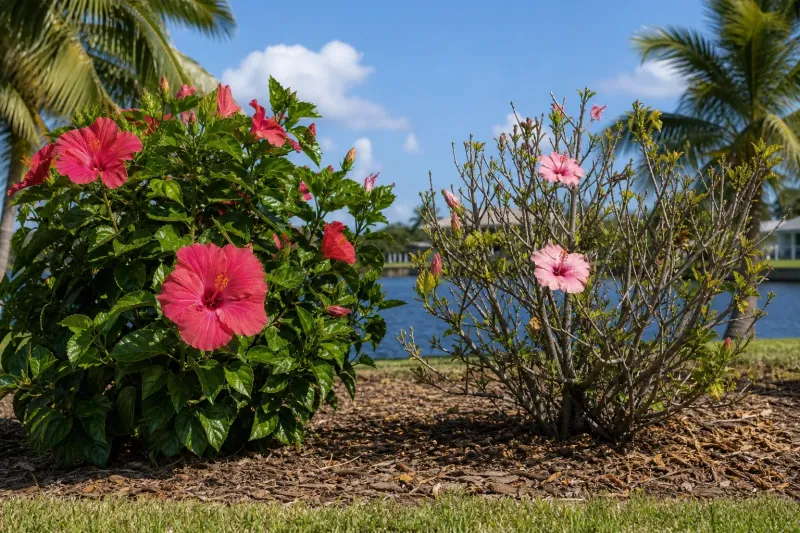
Did your hibiscus suddenly start dropping yellow leaves after the chilly weather? Florida’s cold blast in mid-November left many shrubs looking tired and bare.
Leaf loss looks scary, but it does not always mean the plant is finished. Here is how to figure out what is going on and how to keep your hibiscus from taking more stress.
A cold snap can make tropical hibiscus shed leaves
Florida’s November 13-15, 2026 cold event brought some of the season’s coldest temperatures, a winter-like blast after a long warm stretch. According to the state’s five-day weather outlook, frost advisories and a chance of a freeze reached parts of Florida, with the greatest frost concern in the Panhandle and northern areas.
Conditions varied by region, so a gardener in Pensacola had a very different night than one in Miami.
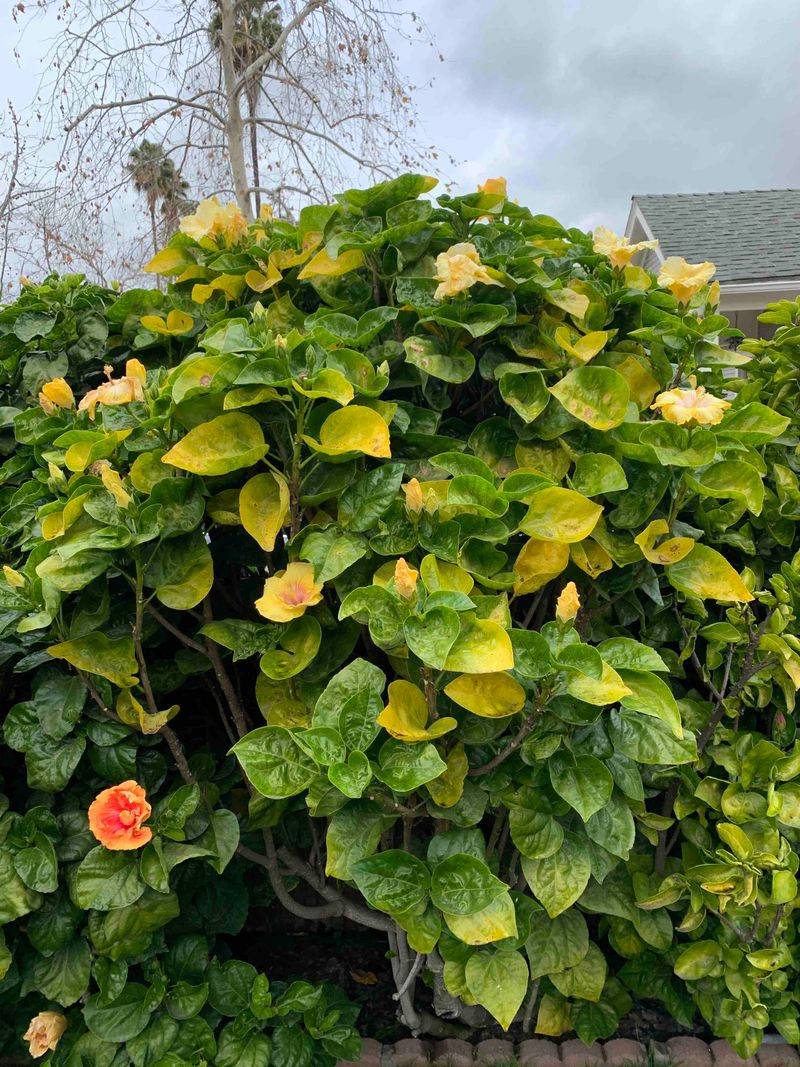
Tropical hibiscus (Hibiscus rosa-sinensis) is sensitive to chill. UF/IFAS Gardening Solutions notes that even a slight cold wave can cause the lower leaves to turn yellow and drop.
Many people see this a few days after the cool night, not during it.
Here is the reassuring part. Yellow leaves and leaf drop alone do not prove the shrub is dying.
Smithsonian Gardens lists several possible causes of yellowing and leaf drop, including water stress, so cold is only one suspect.
The goal of this guide is practical. You can check what else might be stressing the plant, shield it from the next cold night, and avoid mistakes like hard pruning too soon.
You cannot bring back leaves that have already fallen, and no step can guarantee spring blooms.
Which hibiscus is in your yard?
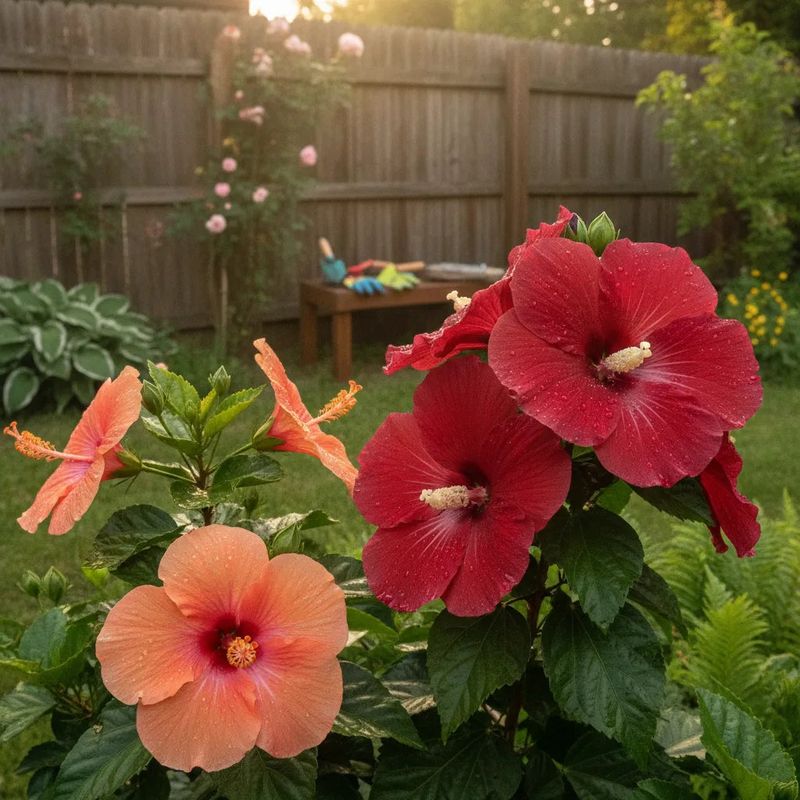
Before you act on any advice, figure out what you are growing. The shrub with glossy leaves and big blooms in red, orange, yellow, or pink that most people plant in Florida yards is Hibiscus rosa-sinensis, the tropical hibiscus.
That is the plant this guide is about.
Florida also has native hibiscus species, and gardeners grow herbaceous types too. UF/IFAS explains that these are different plants from the tropical kind.
Some, such as marsh hibiscus, may go dormant in winter, and in North Florida, hibiscus damaged by freezing may die back to the ground and resprout from the roots.
Why does this matter? A native hibiscus that drops leaves and looks bare in winter may be doing what it normally does.
A tropical hibiscus in the same condition is more likely to be reacting to chilly nights or another stress.
A quick check can help. Look at your plant tag or purchase record, compare the leaves and flowers to photos on a university extension site, and ask your county extension office if you are still stumped.
Once you know which plant you have, the rest of the steps will make more sense.
Yellow leaves still call for a diagnosis
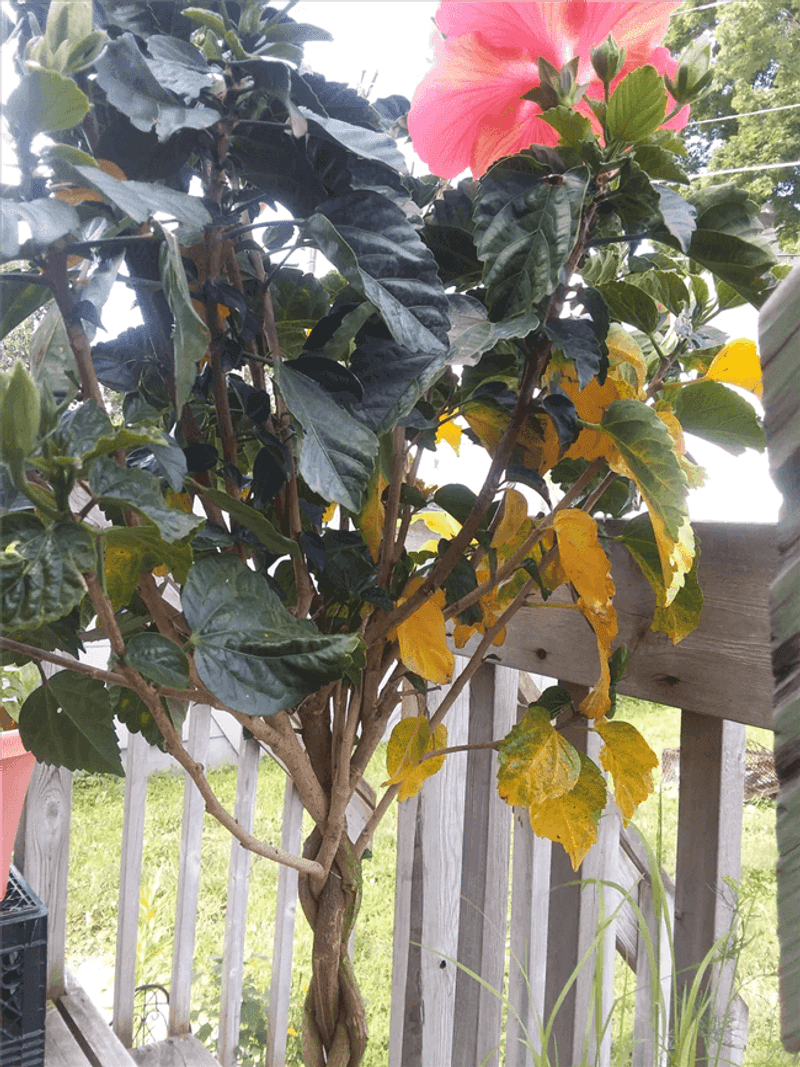
Cold is a fair suspect, but it is not the only one. Before you decide, spend ten minutes playing detective around the shrub.
Start with the soil. Push a finger a couple of inches into the ground or pot.
Florida’s sandy soil drains fast and can dry out between rains, while a pot or a spot with poor drainage can stay soggy. Smithsonian Gardens lists water stress as one possible reason for yellowing and leaf drop.
So water only if the soil is actually dry, rather than soaking the plant by habit.
Cold can also leave plants short on moisture, which is why UF/IFAS advises checking plants after a freeze and watering if needed. Wet soil is not the goal.
Next, look for pests. Turn leaves over and check the undersides, then look closely at the tips and buds.
Clusters of tiny aphids, small white whiteflies that flutter up when you touch a branch, or cottony mealybugs can all cause yellow, unhappy foliage. UF/IFAS recommends regular pest scouting for hibiscus.
If you find moisture problems or pests, you have a second cause to address. If you find neither, cold stress becomes a more likely explanation, though it is still not proof.
Protect the shrub before the next cold night
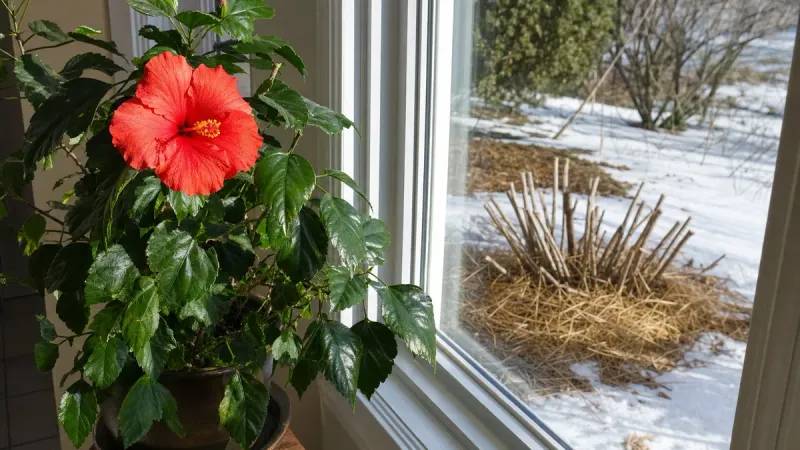
Winter in Florida tends to come in waves, so another chilly night may follow the first. Protection will not undo what has happened, but it can reduce further stress on the plant.
If your hibiscus is in a pot, the easy move is to carry it indoors, into a garage, or to a sheltered spot such as against a south-facing wall or under a covered porch. The UF/IFAS St. Lucie County Extension suggests this for tender potted plants.
For a hibiscus planted in the ground, cover it. Use a sheet, blanket, or frost cloth that reaches all the way to the soil so it traps warmth rising from the ground.
Try to keep the fabric from resting on the leaves, which you can do with stakes or a light frame. Avoid plastic touching the foliage, because it can conduct cold and make damage worse.
Remove the covering the next morning once temperatures climb, so the plant does not overheat and can get light.
A word on expectations: UF/IFAS cold protection guidance notes that many tropical plants can be hurt when temperatures fall below 50°F, but the amount of injury depends on the plant and the conditions. Think of 50°F as a warning sign, not a magic number, and know that no single cover prevents all cold injury.
Wait for new growth before pruning
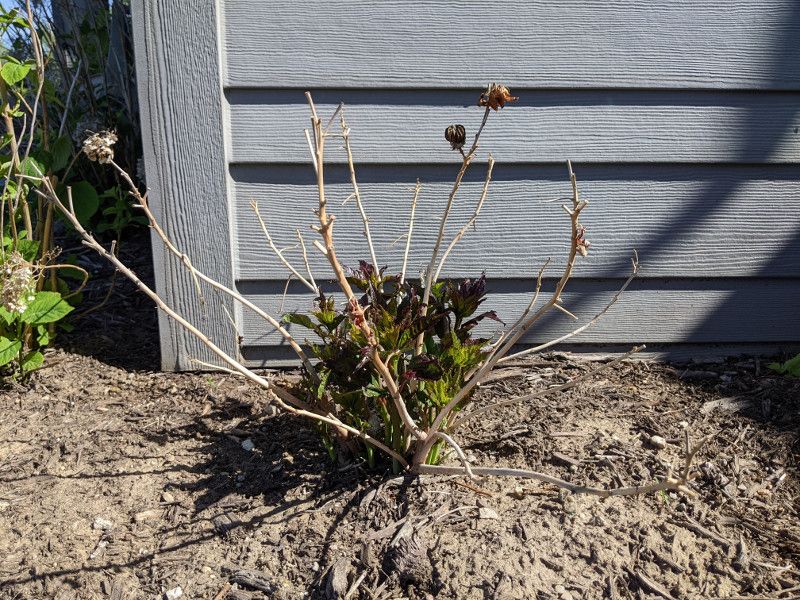
A bare, ragged hibiscus makes many gardeners reach for the pruners. Hold off.
Right after a cold event, living and dead wood can look almost the same, and cutting too soon may remove stems that would have recovered.
UF/IFAS advises delaying pruning of cold-damaged plants until new growth appears, because that growth helps show which parts survived.
While you wait, you can use a simple clue. Lightly scratch a small spot on a stem with your thumbnail.
Green tissue under the bark points to living wood. Brown or black suggests injury.
Scratch only a little, since every scrape is a small wound.
When the damage is clear, UF/IFAS Extension says to prune back behind the damaged tissue, to healthy wood. If you are unsure how far the injury goes, wait longer.
A few extra weeks costs little, while a cut in the wrong place cannot be undone.
In the meantime, bare branches still help shade the stems, so leaving them in place is not harmful. Mark your calendar, check for buds and tiny leaves once the weather settles, and let the plant show you where to cut.
Why fertilizer should wait
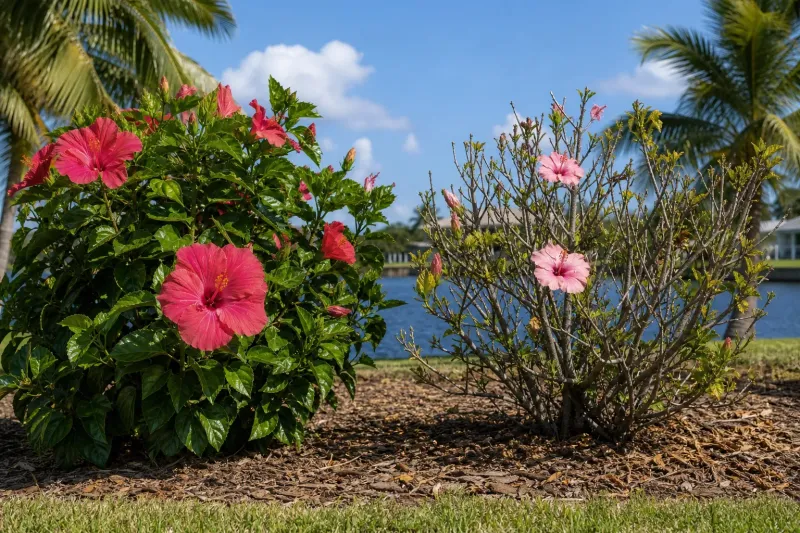
A struggling plant seems like it deserves a boost, and a scoop of fertilizer feels like the helpful thing to do. In this case, timing matters more than good intentions.
Fertilizer pushes plants to produce fresh, soft growth. That tender growth is the most vulnerable to a second cold night.
UF/IFAS warns that fertilizing too early can encourage this kind of growth, which could be damaged by more cold.
So skip the recovery dose for now. Hold fertilizer until spring, or until the danger of cold has passed in your part of Florida.
In North Florida that may be later than in South Florida, so pay attention to your local forecast rather than a date on the calendar.
Fertilizing also does not tell you which stems are alive, which is something new growth will do on its own. Think of the plant as resting and sorting itself out.
When spring arrives and you see healthy new leaves, that is a good time to feed again using the product and rate you normally use for hibiscus in your sandy soil. Until then, a little patience protects the plant better than extra nutrients.
The leaves won’t return overnight
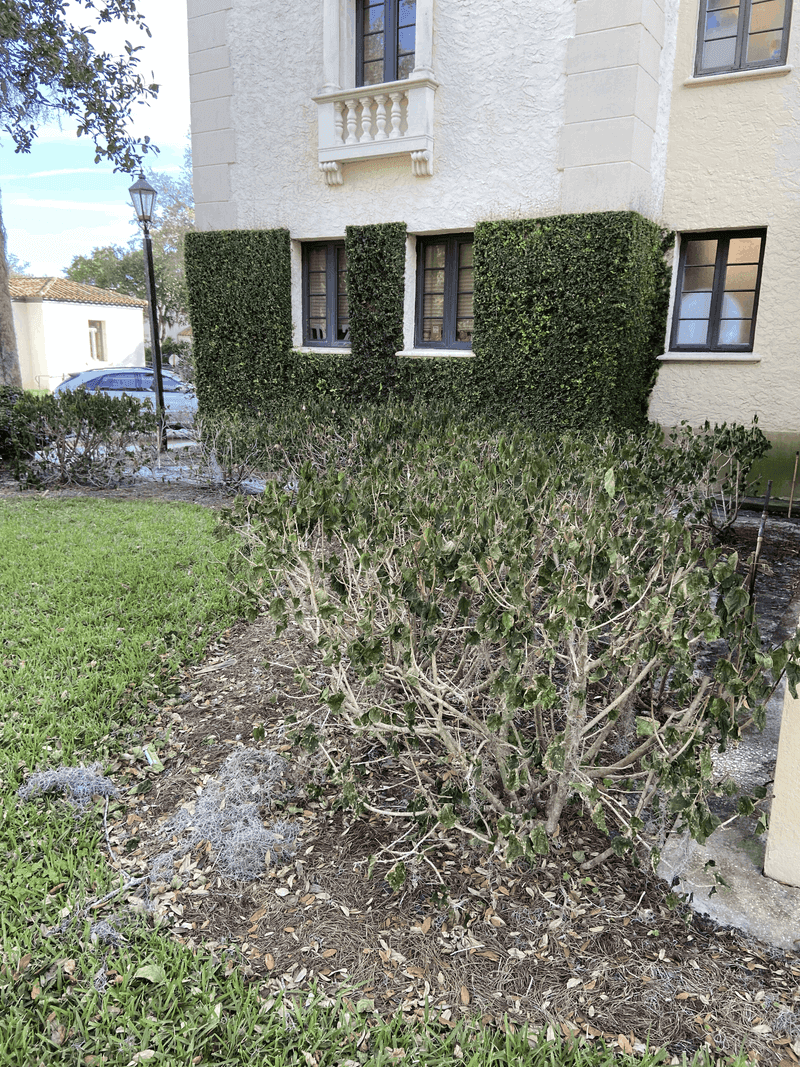
The order of care is simple. Check the soil moisture and look for pests, protect the shrub from more cold, then wait before you prune or fertilize.
UF/IFAS cold-damage guidance and its hibiscus advice point in the same direction.
These steps may reduce further stress, but they cannot restore leaves that have already dropped, and they cannot promise spring blooms.
Hibiscus keep their own schedule, and a bare branch today is a poor predictor of what April will bring.