
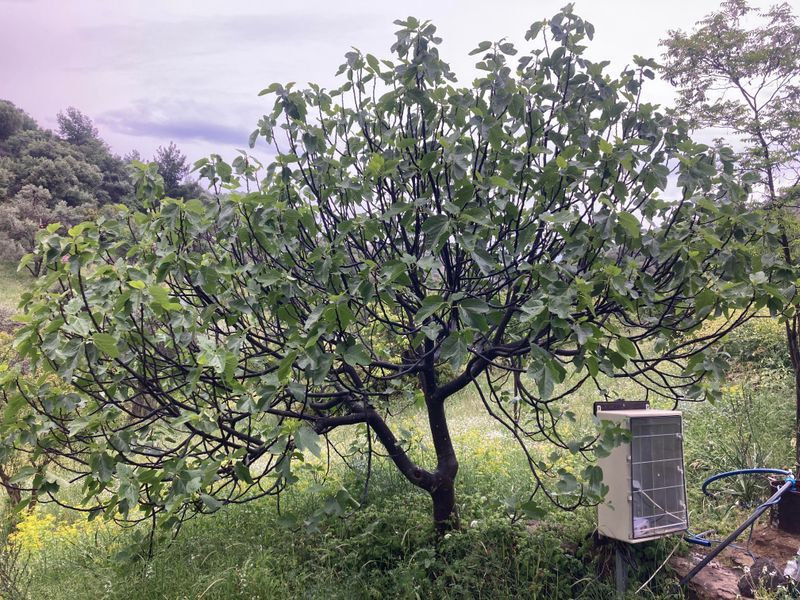
Fig trees in Texas and Florida yards often make it through winter, but a hard freeze can leave you wondering what next summer will bring. Some of the early figs, called brebas, grow on wood that has to survive the cold first.
A lot of advice blames mulch mistakes for lost fruit, and that is not quite right. Here is what actually matters for protecting your tree and what to expect from it.
Brebas grow on previous-year shoots
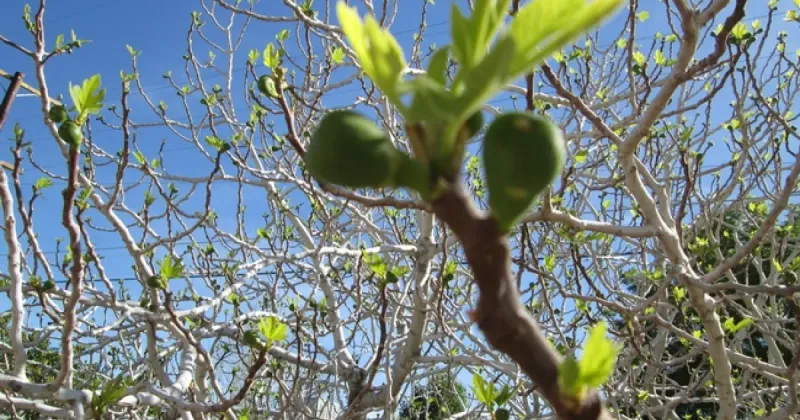
Picture a fig branch in January. The thin shoots that grew last summer are bare now, but tiny buds are waiting on them.
On cultivars that make brebas, those buds turn into the first figs of the season, according to Rutgers Cooperative Extension.
The main crop is different. It typically forms on the current season’s growth, so it starts from fresh shoots in spring.
That difference explains why winter injury matters. If cold kills older wood, the tree can lose the spot where brebas would have formed, and the early crop may shrink.
Extension answers also note that crop size depends on cultivar, weather, pruning, and winter damage, so no single outcome fits every tree.
Losing older wood does not mean the tree will give you nothing. Many figs push new shoots and can still set a main crop.
Protection can help preserve old wood, but it cannot promise fruit.
Check whether your cultivar makes brebas
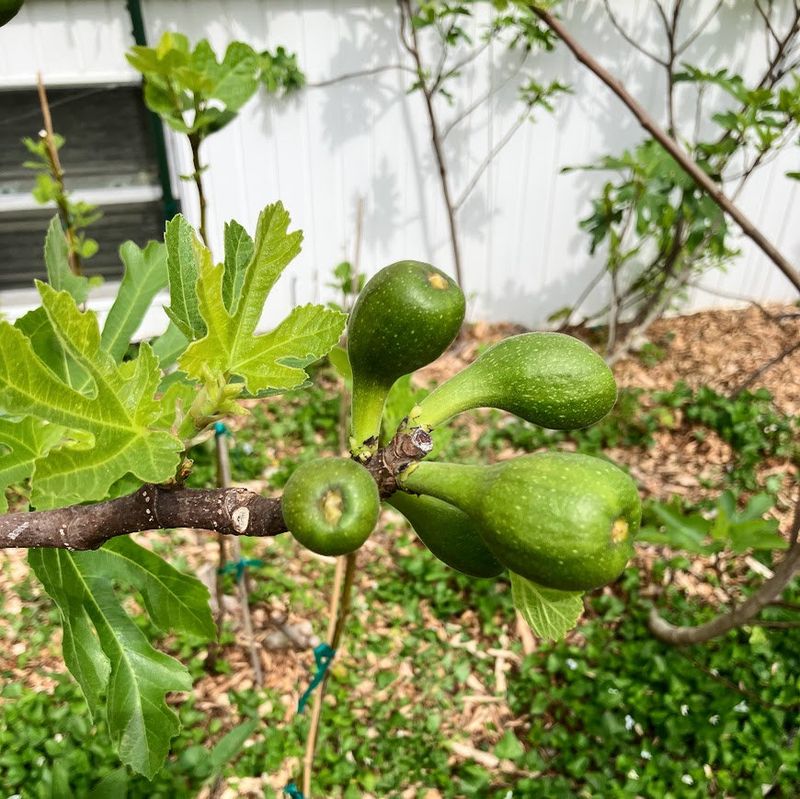
Before you spend time wrapping branches, find out what your fig actually does. Some cultivars make a good breba crop, some make only a few, and some barely bother.
UF/IFAS describes Brown Turkey as producing a small breba crop followed by a main crop. That small first harvest is a bonus, not the whole show.
Texas gardeners have a useful example too. Texas A&M AgriLife Extension reports that Texas Everbearing, also sold as Brown Turkey, can give a fair to good crop on new growth even after severe freeze injury.
Keep in mind that this is one example. It does not predict how every cultivar responds, and it does not guarantee fruit in your yard.
If you are unsure which fig you have, check the plant tag or ask the nursery where you bought it. A tree that rarely makes brebas gains little from saving old wood.
Root-zone mulch is not branch protection
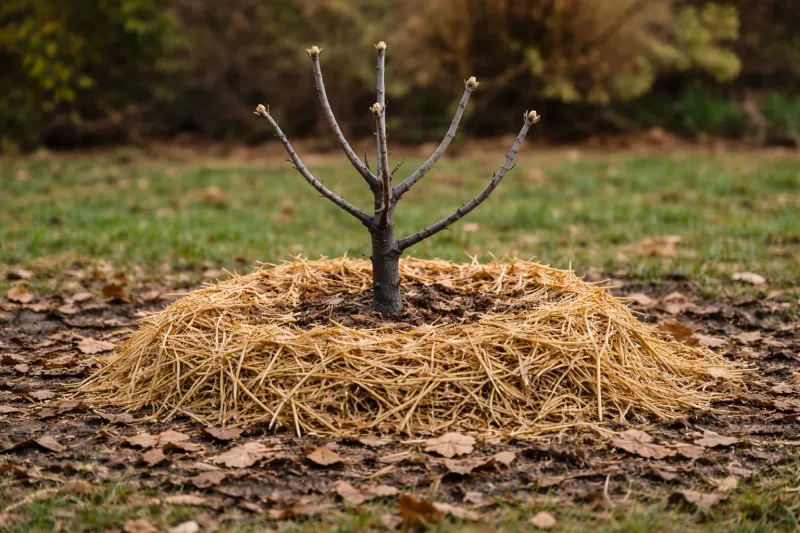
Ground-level mulch does a real job, just not the one the popular claim suggests. Texas A&M notes that figs have shallow roots, so organic mulch helps them by holding soil moisture.
You can read that in the AgriLife fig guide.
Here is the catch. A layer of mulch on the soil does not cover the branches, and those branches carry the older shoots that can hold brebas.
So root-zone mulch alone should not be counted on to save that wood.
As for the idea that trunk-side mulch or skipping root-zone mulch causes breba loss, nothing in the sources shows that link. Freeze damage to older wood is the better-supported reason brebas disappear.
So think of two separate jobs. Mulch the roots for moisture and soil health.
If a hard freeze is a real threat, protect the aboveground wood in a different way, covered in the last section.
Keep routine mulch shallow and off the trunk
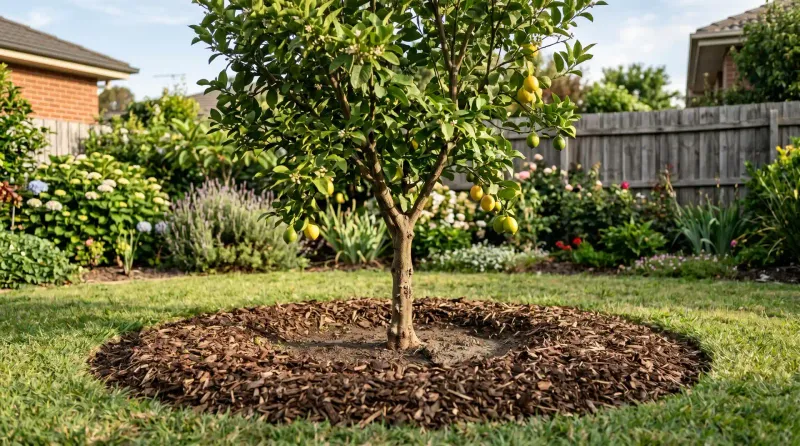
Good everyday mulching is simple. UF/IFAS Gardening Solutions recommends a layer about 2 to 3 inches deep around established plants.
For large trees, it advises leaving roughly a foot of bare space around the trunk.
The gap matters. Mulch pushed against bark holds moisture there, which can promote rot.
It can also give rodents a cozy spot to hide while they chew on the bark.
A quick check: pull back any mulch touching the trunk and look at the bark. If it is soft, dark, or chewed, fix the mulch and watch the tree closely.
Keep in mind what this routine layer is for. It helps soil and roots through the seasons.
It is not meant as a way to shield branches from a freeze, so do not count on it for that.
Assess local cold risk before protecting the tree
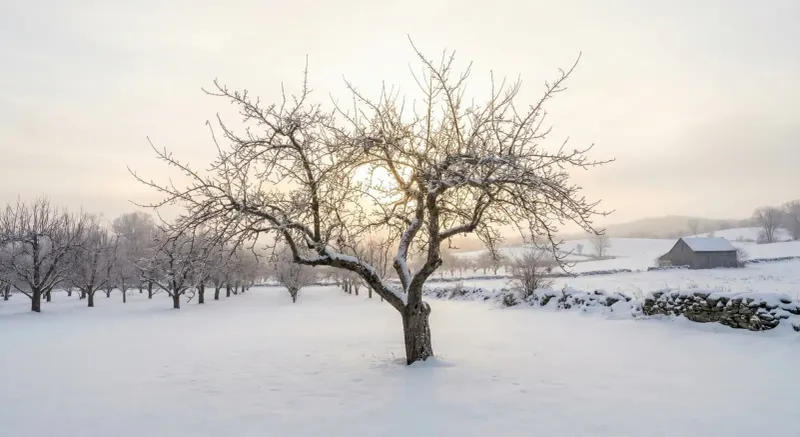
The first freeze is not a deadline that fits every yard. A fig in Miami faces very different odds than one in the Texas Panhandle, and even neighbors can differ by a few degrees.
Texas A&M says winter injury varies with the variety, soil moisture, and how well the tree has acclimated. It also says figs commonly get some winter injury everywhere except the warmest parts of Texas, per the AgriLife guide.
For numbers, UF/IFAS says fully dormant, properly cold-conditioned trees can handle roughly 15 to 20 degrees F without severe damage. Dormant buds are more sensitive than the wood.
Treat these figures as guidance for well-prepared trees, not a promise for every cultivar or yard.
A sensible step is to watch your own forecast and low spots. A young tree, a warm spell that woke it early, or a dry soil can all raise the risk, so protect when your conditions call for it.
Use temporary insulation to protect aboveground wood
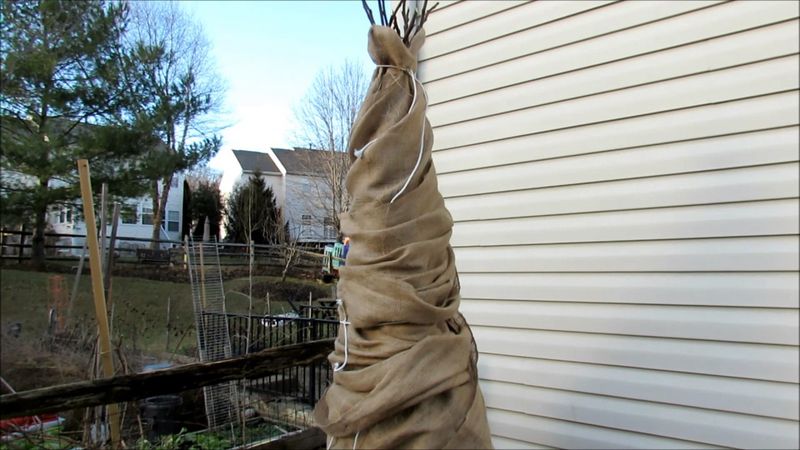
When a hard freeze is truly on the way, Texas A&M describes two ways to insulate the tree itself. For mature trees, mound spoiled hay 2 to 3 feet up around the plant.
For a young tree, set a wire cage over it and fill that cage with hay, lawn clippings, or leaves. Both are in the AgriLife fig guide.
Think of this as a winter coat, not routine mulch. It goes on for the cold snap and comes off afterward.
Texas A&M advises removing cages once the risk of spring frost has passed and pulling organic material back from the trunk.
If your fall and winter have been dry, the same guide recommends watering thoroughly a few days before a hard freeze to minimize injury. That step cannot guarantee protection or save a breba crop.
A fig is a forgiving plant, and even a coated tree is only improving its odds.