
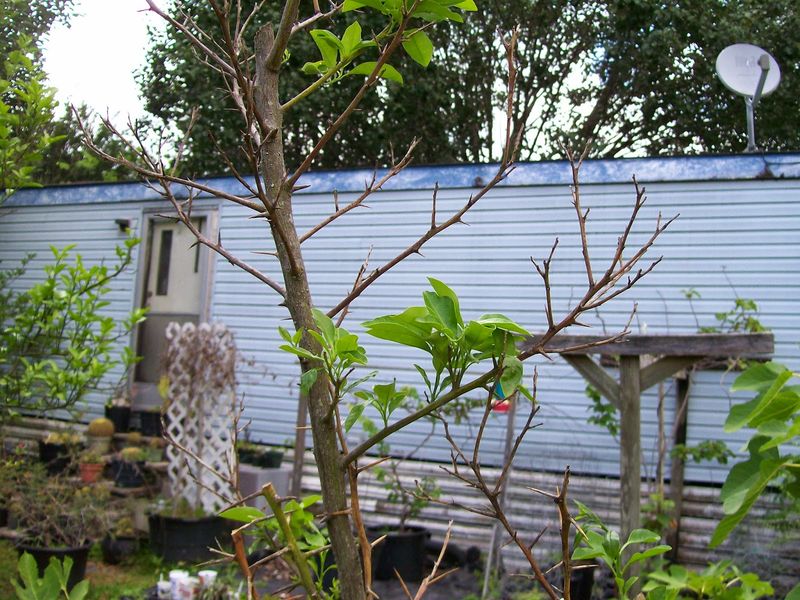
The morning after a hard freeze, your orange or lemon tree can look like it will not make it. Leaves curl, turn brown, and droop, and the urge to grab the pruners is strong.
Cutting too soon is one of the most common mistakes homeowners make with freeze-damaged citrus. Here is what to watch for, when to cut, and what to leave alone while your tree sorts itself out.
Brown leaves do not reveal the full extent of freeze damage
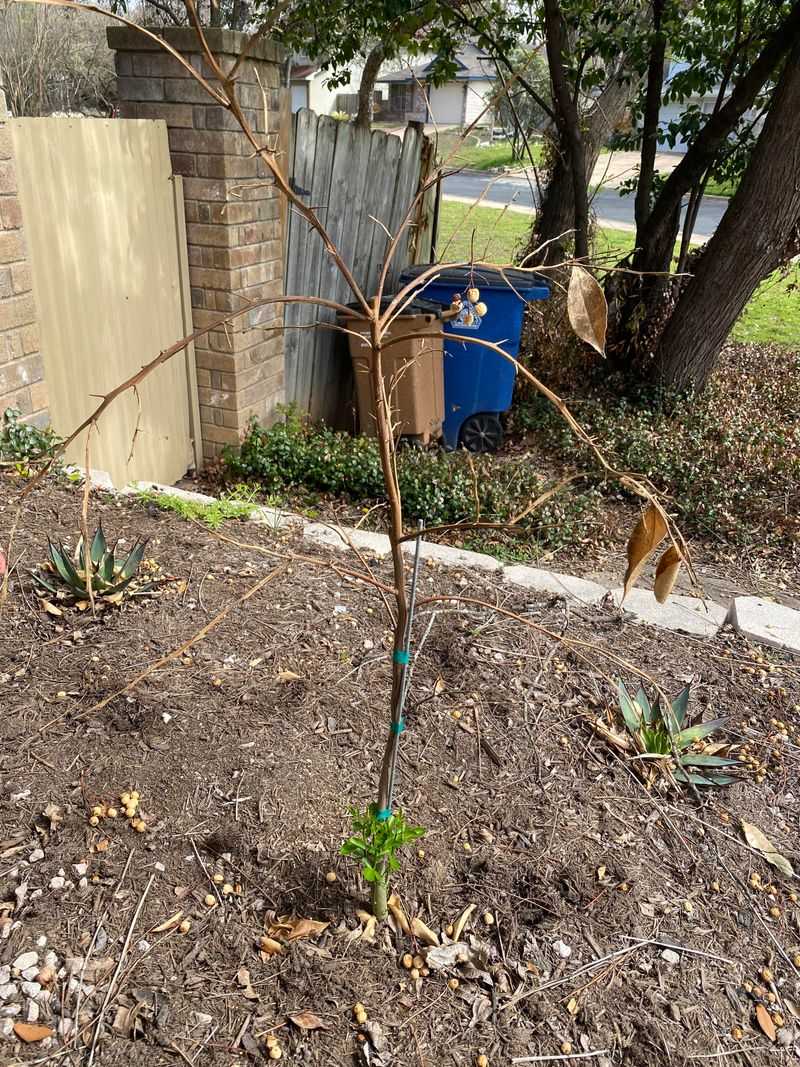
A branch can wear a full set of scorched leaves and still have living wood underneath. Leaves are the first part of a citrus tree to show trouble, but they only tell part of the story.
The condition of the stems and larger branches matters far more for the tree’s future.
According to UF/IFAS freeze recovery guidance, damage to citrus wood can be delayed, and branches may keep dying for months after the cold snap. An early flush of new growth can also collapse if the wood behind it was injured.
A burst of green in late winter is encouraging, but it does not prove the branch is sound.
UGA Extension citrus guidance points the same way, advising growers to be patient before cutting. So brown leaves alone are not a reason to prune.
They are a signal to watch the tree, not to start cutting.
Why waiting helps—and what canopy protection means
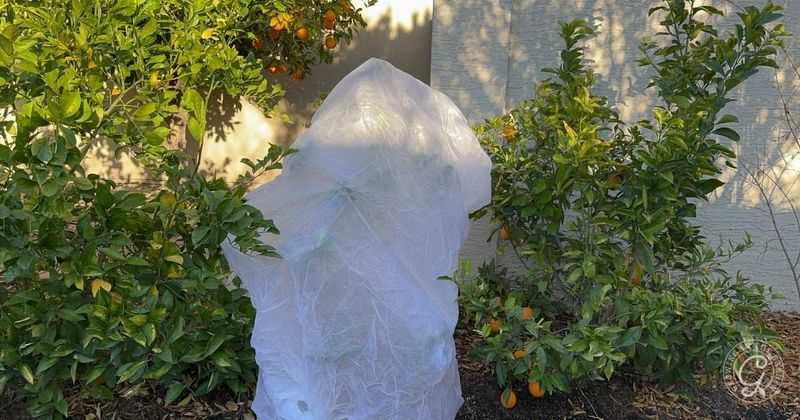
Cutting early can remove branches that were actually alive, and you may end up pruning a second time once the real damage shows. Early cuts can also trigger fresh growth, and tender new shoots are exactly what another cold snap harms most.
UF/IFAS notes that pruning right after a freeze does not help the tree recover.
Retained foliage does have a small role. Texas A&M AgriLife explains that dead foliage and limbs at the top of a plant can slow nighttime heat loss and shelter lower leaves and branches.
That advice covers landscape plants in general, not citrus alone.
For citrus specifically, a UC citrus frost guide notes that a full canopy can help protect fruit during freezing weather. Think of it as a modest bonus, not a shield.
Damaged leaves do not need to stay on, and keeping them does not guarantee the tree survives.
Wait for the spring flush to mature before pruning
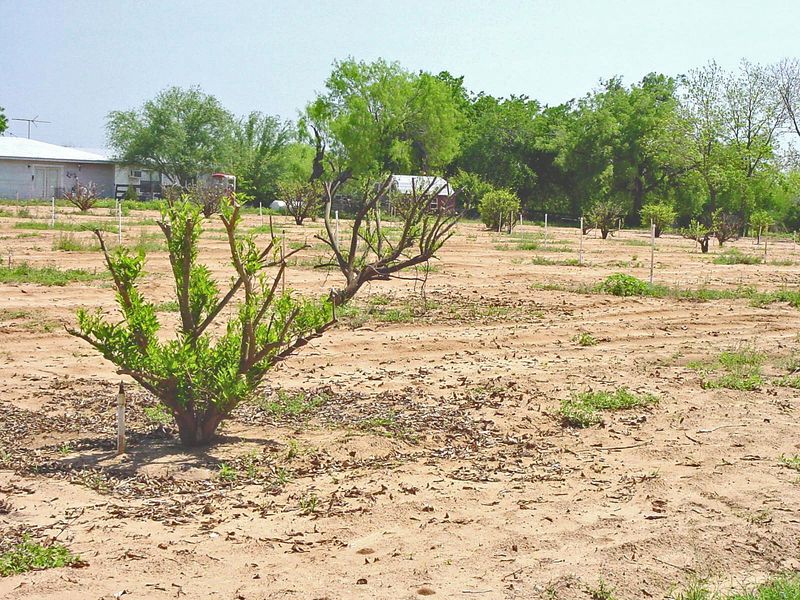
Spring makes waiting tricky, because green shoots can appear weeks before the true damage is obvious. Those first shoots are not a green light.
UF/IFAS advises holding off until the spring flush has fully expanded and matured, since an early flush may die back if the wood behind it was hurt.
UF/IFAS describes the usual window as late spring or summer. UGA Extension suggests late spring or early summer.
Both are general guides rather than a single date.
A yard in South Texas or the Florida Keys will reach that point on a different schedule than one in North Florida or the Texas Hill Country. Let the tree set your calendar.
When the new leaves have grown to full size and turned firm and dark green, the picture of which limbs are alive is much clearer.
Remove only wood confirmed dead
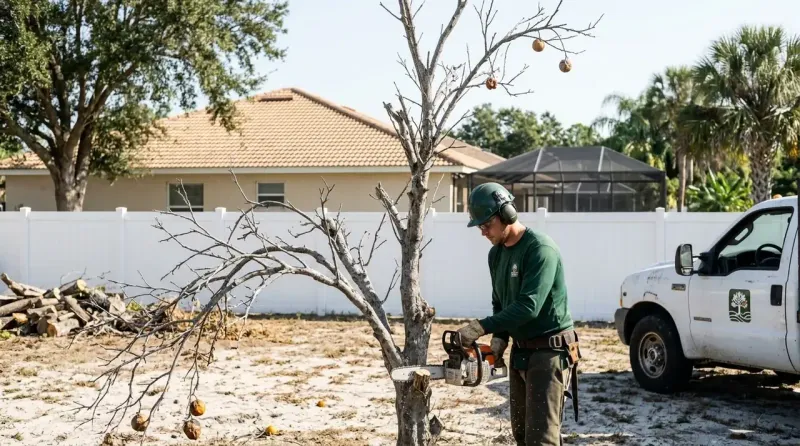
Once the tree has shown you where the dead wood ends, the job gets simple. Cut only what is truly dead, and scrape a small spot of bark with a fingernail if you are unsure, since green underneath means living tissue.
Make each cut back into living wood, ideally at a branch crotch, as UF/IFAS recommends. Leaving a stub is a mistake, because stubs die back and can invite more trouble.
Uneven or ragged cuts heal poorly, so use sharp, clean pruners or a saw sized to the limb.
Keep this pass focused on recovery. Skip shaping, thinning for looks, or trimming healthy growth just to tidy the tree.
A tree rebuilding its canopy needs every living leaf it still has.
Adjust care instead of forcing recovery
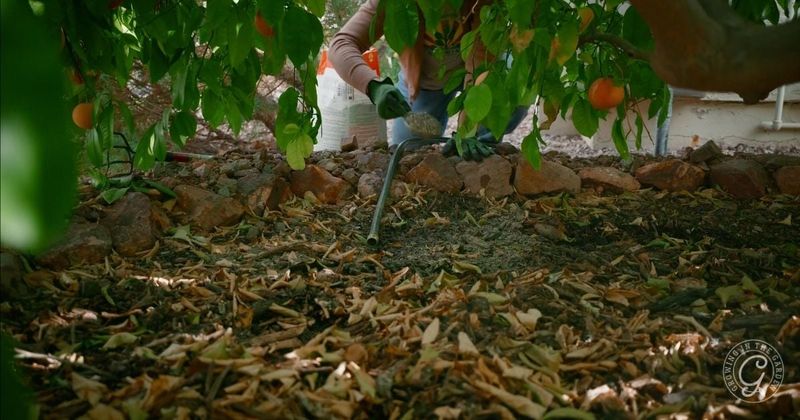
Watering and feeding feel like ways to help a hurting tree, but a tree that lost leaves is using less water than before. Pouring on extra can leave soggy soil around the roots.
UF/IFAS cautions that too much irrigation can injure roots and may push new growth that is vulnerable to the next freeze.
Instead, check the soil a few inches down before you water. Sandy Florida soils dry faster than heavy Texas clay, so your schedule should follow your yard.
Do keep emerging growth from becoming water-stressed.
Fertilizer is not a rescue treatment either. UF/IFAS says feeding for freeze-damaged trees should be scaled back in proportion to the damage and the expected crop.
Its fertilizer advice is aimed at commercial groves, so it does not translate directly to a backyard tree. Steady, moderate care usually serves a recovering tree better than a big push.
Expect different trees to recover differently
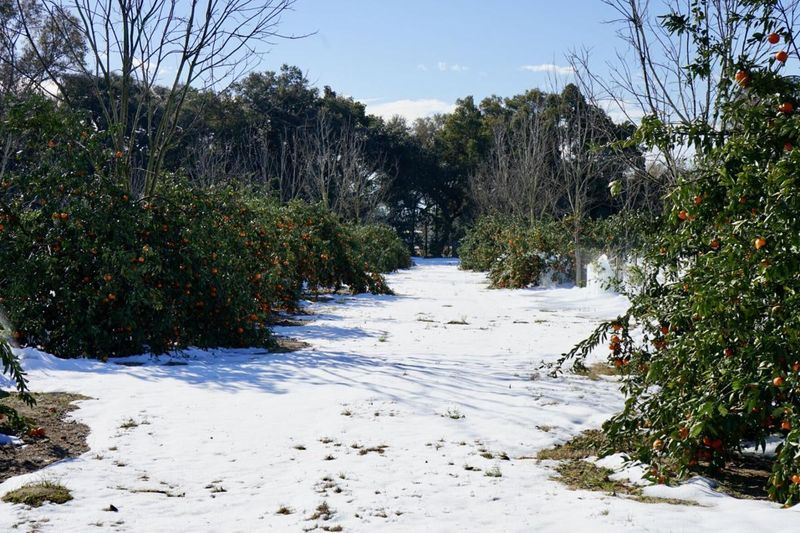
Two trees on the same street can come out of the same freeze in very different shape. Injury depends on how cold it got and for how long, which tissue was hit, the citrus variety, the rootstock, and whether the tree had hardened off before the cold arrived.
UGA Extension ranks lemons and limes as more cold-sensitive than satsumas, which is useful context but not a rule for every tree or location.
So the plan is straightforward. Do not judge by brown leaves, and do not prune at the first green growth.
Wait for a mature spring flush, then remove confirmed dead wood, as UF/IFAS advises.
Waiting lowers the risk of cutting living tissue, though it cannot promise recovery. Some trees come back from the roots, and patience gives them that chance.