
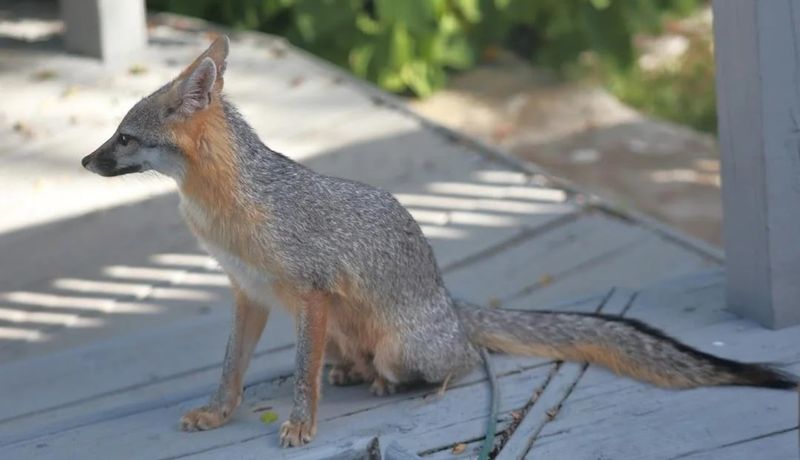
A flash of gray fur crossing the yard at night can make anyone stop and stare. Gray foxes live across Texas, and some folks hope a visiting fox will keep rats out of the garage.
The truth is a bit more complicated, and the real fix for garage rodents is in your hands. Here is what a fox may eat, what a sighting can and cannot tell you, and what actually keeps rodents out.
A gray fox may eat small mammals, but it is not garage-rat control
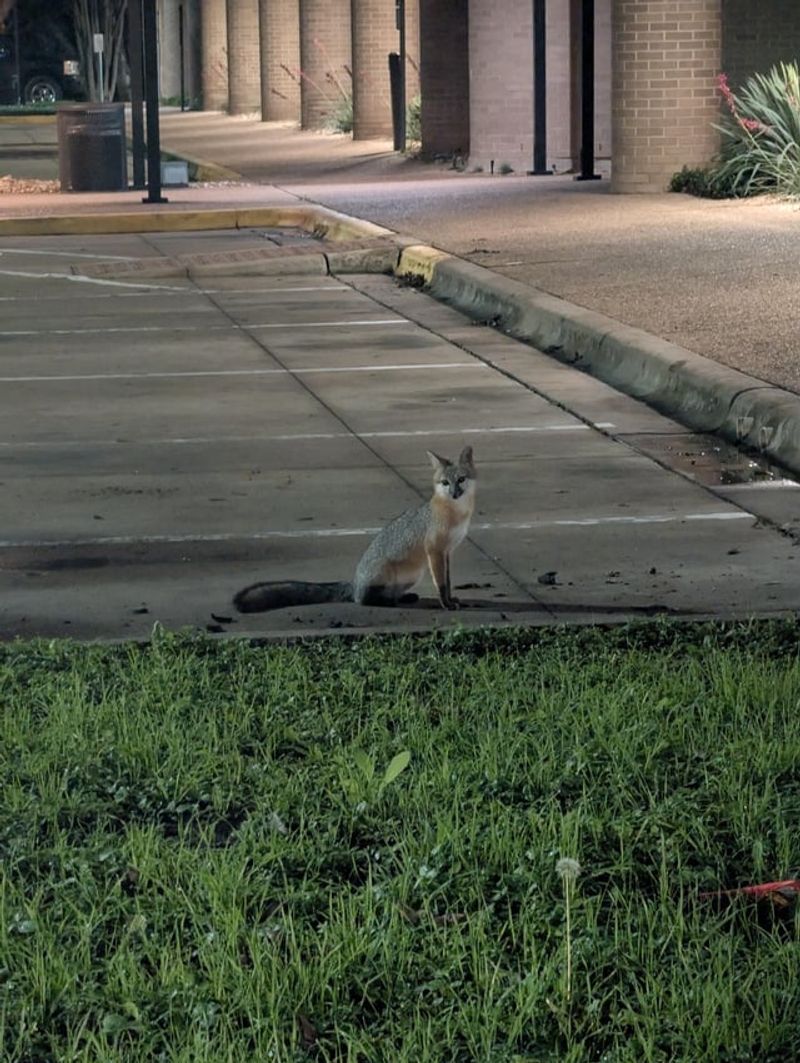
Gray foxes are common across Texas. A Texas Tech species account says they are found in the Edwards Plateau and other parts of the state, and that they also live in urban areas.
So a fox trotting past your shed is not as strange as it might seem.
Foxes are not picky eaters. Texas Parks and Wildlife describes them as mostly nocturnal omnivores that eat small mammals, birds, eggs, acorns, fruit, and insects.
The Texas Tech account lists mice, woodrats, and cotton rats among their prey, but says cottontail rabbits are the most important food item.
Here is where the popular idea runs into trouble. Woodrats and cotton rats are native wild rodents, and they are not the same thing as the rats that move into garages and attics.
Nothing in these sources shows that a fox visiting a yard cuts down the number of rats in a garage or keeps them from getting in.
Think of a gray fox as a native predator passing through, not a pest-control service. It may snack on a mouse now and then, but you cannot count on it.
Enjoy the sighting from a distance, and treat your garage rodent problem as a separate job that you handle yourself.
Winter-diet evidence does not establish Central Texas rat control

Winter can make people wonder what a hungry fox is hunting. A U.S.
Forest Service review reports that in the central United States, cottontails made up the major portion of the gray fox winter diet. That is a point about rabbits, not rats.
It is also a finding for a broad region. It was not a measurement of foxes living in Central Texas neighborhoods, so it cannot tell us what a fox near your garage chooses to eat on a cold night.
Local prey depends on what is actually available nearby, and that varies from yard to yard.
The Texas Tech species account adds that mice, woodrats, and cotton rats are on the Texas prey list, while cottontails are still named as the most important item. Neither source says foxes go after the rats that live around homes.
A fox could eat a rodent, but that is very different from a fox solving a garage rat problem.
A practical way to think about it: if you hear scratching in the garage in January, a fox sighting last week does not explain it or fix it. Look for droppings, gnaw marks, and gaps instead.
Those clues point to what is really going on.
One sighting does not prove a regular yard patrol
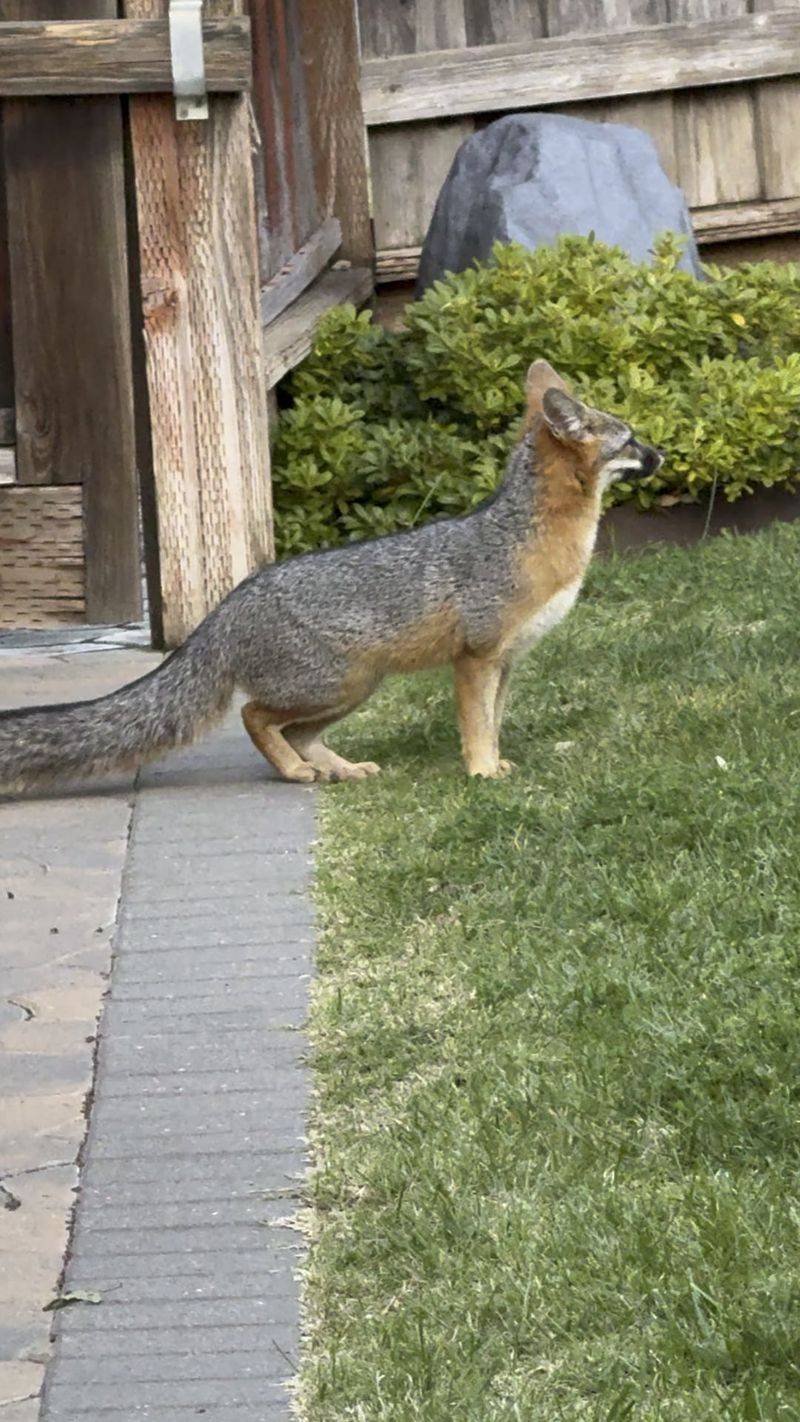
Seeing a fox at 10 p.m. feels like a pattern starting. It is really just one moment.
Texas Parks and Wildlife notes that gray foxes are mostly nocturnal and that dens can be in hollow trees, logs, burrows, or under rocks, so a night sighting fits normal fox behavior.
That does not mean the fox lives in your yard. Its den could be some distance away, and your lawn may be one stop among many.
The Forest Service review notes that only part of a fox’s home range is used on any given night. So a fox that crosses your yard Tuesday may be somewhere else entirely on Wednesday.
A single sighting cannot tell you whether the fox will return, follow a fixed route, or change how many rodents live near your house. If you want to know more, a trail camera or a notebook with dates and times can show whether visits repeat.
Even then, a repeat visitor does not prove a drop in garage pests.
Habitat associations do not prove a way to attract foxes
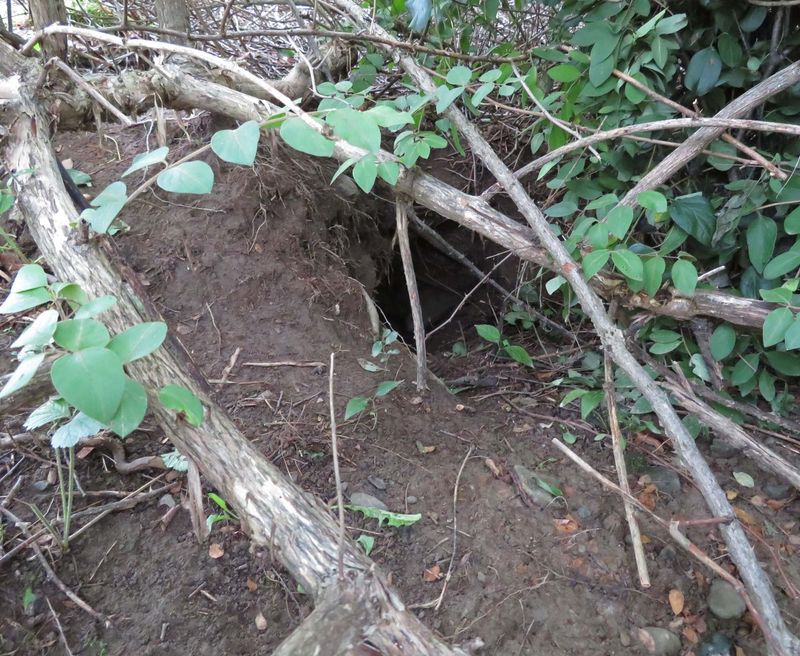
Researchers have noticed some patterns about where gray foxes show up. The Texas Tech account says they travel along old roads and open trails, forage in dense underbrush, and often have dens in dense cover not far from water.
Those are descriptions of where foxes have been found. They are not a recipe.
Nothing in the sources shows that piling up brush or adding a water feature will bring a fox to a yard, and nothing shows it would help with rodents. Extra brush could even give rodents more places to nest.
What about food? Skip it.
Texas DSHS advises people not to hand-feed wild animals and to avoid contact with them. Leaving out food or pet food to lure a fox can also draw in other wildlife and rodents.
The better approach is simple. Let wildlife move through on its own terms.
If a fox passes by, watch from a window and keep your distance.
Seal the garage to keep rodents out
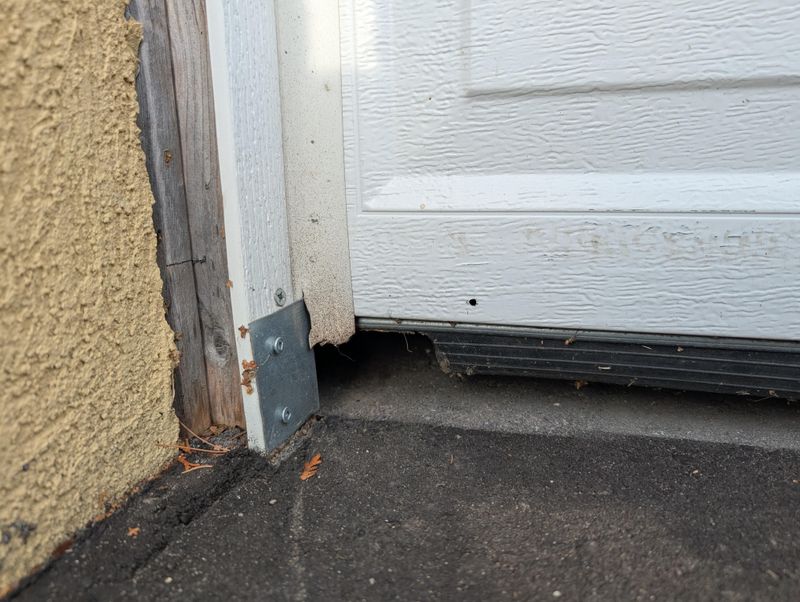
Keeping rodents out starts with the building itself. CDC guidance says to inspect for holes and seal them, and notes that a mouse can squeeze through a gap about one-quarter inch wide.
That is roughly the width of a pencil.
Walk the garage inside and out with a flashlight. Check around pipes, vents, utility lines, door edges, and the bottom of the overhead door.
Seal what you find, and apply the same approach to sheds and other outbuildings.
Next, take away the reasons to visit. CDC advises storing food and feed in tightly closed containers, so move birdseed, dog kibble, and grass seed into lidded bins.
Put pet food away at night and keep garbage secured in cans with tight lids.
Outdoors, cut back what gives rodents shelter and snacks. Clear wood piles, stacked debris, and clutter near the garage walls, and pick up fallen fruit and spilled seed.
These steps work whether or not a fox ever walks by.
Give a passing fox space
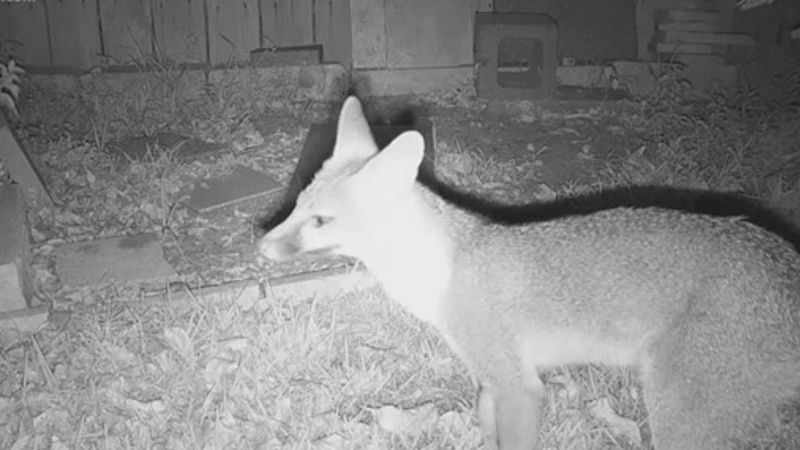
If a fox wanders through, the best move is to watch and keep your distance. Do not approach it, feed it, or try to tame it.
Texas DSHS advises avoiding contact with wild animals and not hand-feeding them.
Keep dogs and cats vaccinated against rabies, and keep them restrained or indoors at night when wildlife is moving around. Bring pets in before dusk if a fox has been seen nearby.
Seeing a fox in daylight does not by itself mean it is sick. Still, unusual tameness, odd behavior, trouble walking or swallowing, or an animal that looks injured are reasons for caution.
Stay back and call animal control.
If anyone is bitten, wash the wound and seek medical care right away. Then report the incident so the animal can be handled safely.
For the garage, rely on the work that does the job: sealed gaps, closed containers, and secured garbage. A fox is a neighbor worth admiring, not a rat patrol.