
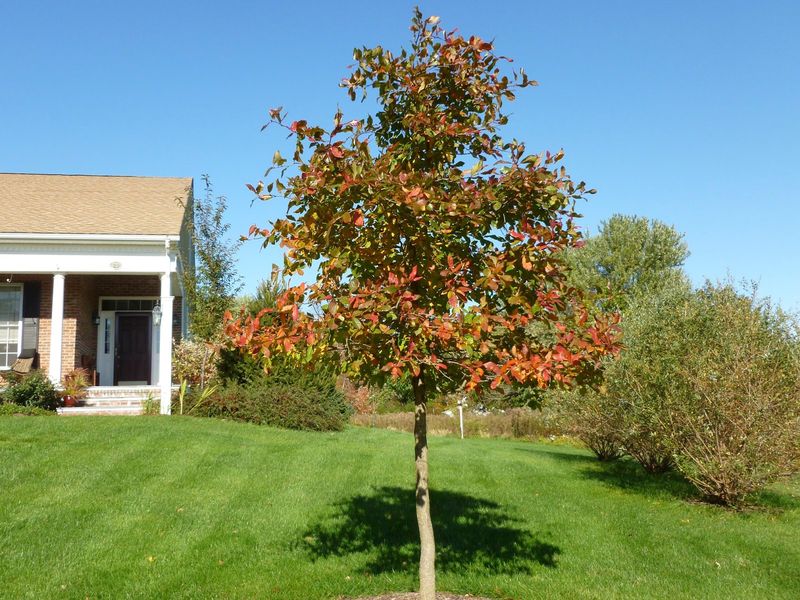
Picture a tree on a November hillside, its leaves glowing in shades of scarlet and purple. Black gum is a North Carolina native that can put on that kind of show.
It grows slowly and needs room, so it pays to know what you are getting before you buy one. Here is how to tell whether it fits your yard and your planting calendar.
Meet black gum, a native with vivid fall color
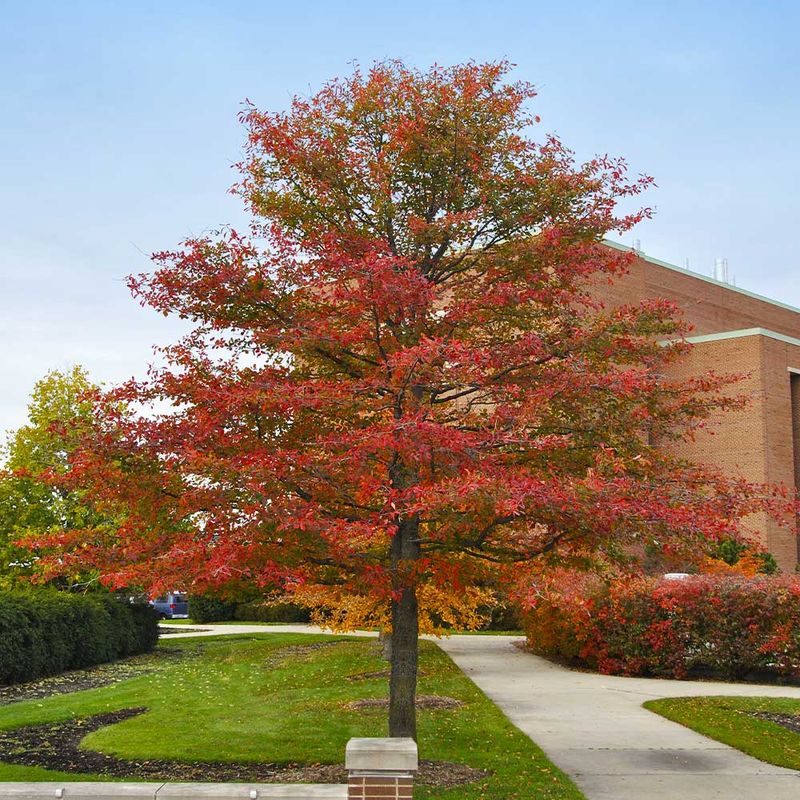
Black gum (Nyssa sylvatica) grows wild across North Carolina, from the coast to the mountains. NC State Extension lists it as a native ornamental with scarlet-red fall color, which is the main reason gardeners start looking at it.
The color can be remarkable. The National Park Service describes foliage in scarlet, crimson, orange and purple, sometimes all on the same tree.
That mix of shades is part of what makes a single tree so eye-catching when the leaves turn.
Now for a fair comparison. Maples are famous for red, and Iowa State Extension recognizes red maples for brilliant red-scarlet leaves too.
No source ranks black gum above every maple, so think of it as a vivid native alternative, not a winner of a color contest.
Color also changes from year to year and yard to yard. Your tree may look different from a neighbor’s, and a dry summer or an early frost can change the show.
Treat the fall display as a bonus you plan for, not a promise.
One more note on the headline idea that nobody plants it. No North Carolina sales or planting numbers back that up.
What we can say is that this tree deserves a closer look from homeowners who want a native with real fall presence.
Sourwood is a different native-tree option
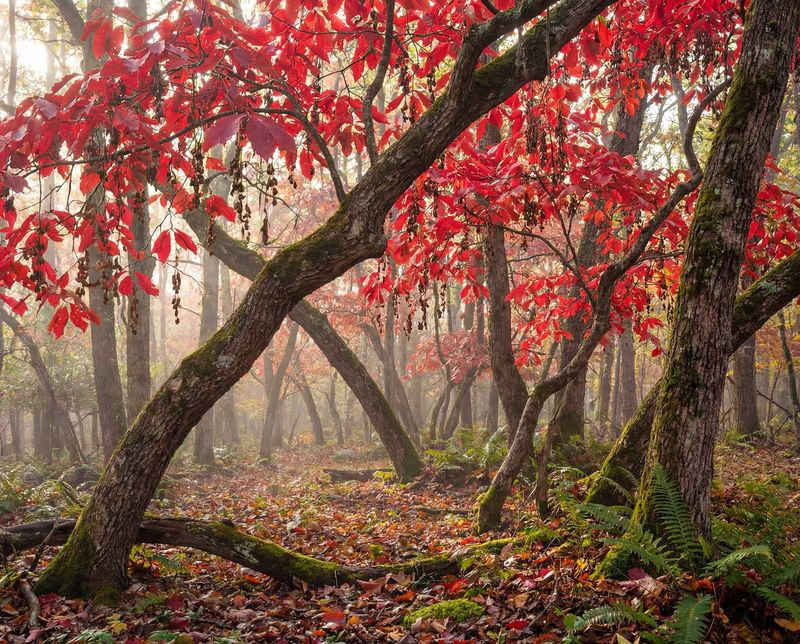
Gardeners sometimes lump the two trees together, but black gum and sourwood are separate species. Sourwood (Oxydendrum arboreum) is another North Carolina native with good fall color.
NC State Extension describes its leaves turning red to reddish-purple, and it carries showy flowers in summer.
The big difference is scale. Sourwood is usually a smaller tree, which makes it handy for an understory spot or as a specimen near a patio or the corner of a house.
If you want summer flowers plus autumn color in a tighter space, it deserves a look.
Black gum is the better match when you have a medium-to-large landscape in mind. NC State’s black gum profile points to a substantial tree with a long life ahead of it, which suits a front yard or open lawn with space to spread.
A quick way to avoid mix-ups at the nursery is to check the botanical name on the tag. Nyssa sylvatica is black gum.
Oxydendrum arboreum is sourwood. Ask which one you are buying, and match it to the space you actually have.
The rest of this article focuses on black gum, since it fits the larger sites many North Carolina homeowners are working with.
Choose a permanent site with room to grow
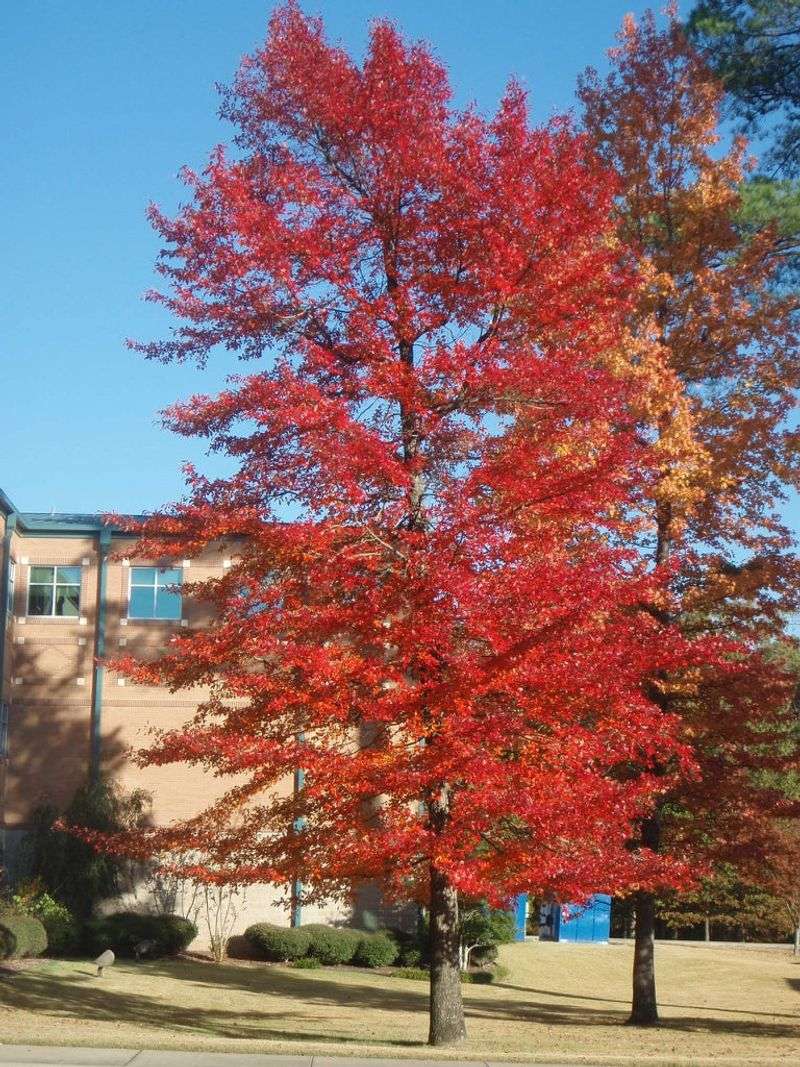
Black gum is native in all three of North Carolina’s regions: the Coastal Plain, the Piedmont and the Mountains. That wide range is a good sign for adaptability, and NC State Extension lists it as slow-growing, preferring full sun and average-to-wet soils.
Size is the big planning question. NC State gives a mature height of 40 to 70 feet, while noting that trees often reach 20 to 30 feet in cultivation.
Plan for the larger number when you check for power lines, roofs and driveways, and do not expect instant shade.
Soil matters too. Black gum tolerates a range of moisture conditions, but it performs poorly in alkaline soil.
A simple soil test can save you from planting in a spot where the tree struggles.
You may hear that black gum is a swamp tree. It is not limited to wet ground.
Swamp tupelo is the related tree adapted to poorly drained sites, so do not plant black gum in a soggy low spot just because of the family name.
Finally, choose the spot once. NC State’s species details caution that the long taproot makes later transplanting difficult.
Stand in the yard, picture the tree decades from now, and make sure the spot still works.
Consider its value to pollinators and wildlife
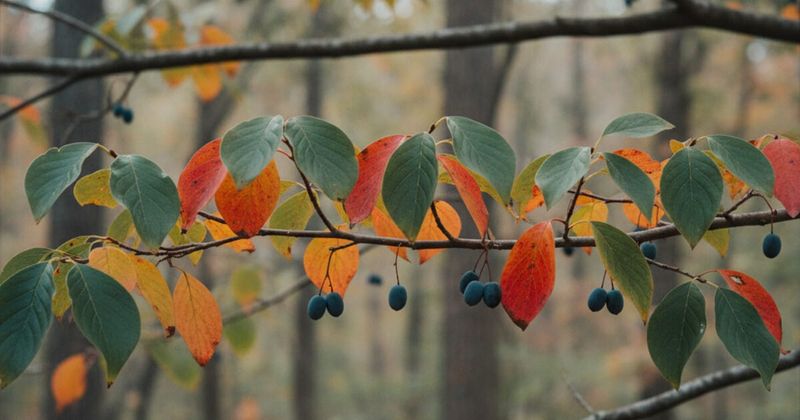
Spring brings small flowers to black gum, and they are worth more than their size suggests. According to the National Park Service, the blooms provide nectar for bees and other pollinators.
Later in the season, some trees produce blue-black fruits that birds and mammals eat. That can turn a single tree into a small feeding station for backyard wildlife in fall.
Here is the catch. Black gums vary in flower sex, so some trees carry female or perfect flowers that can set fruit, while others do not.
Fruit also depends on the tree and on pollination, so a lone tree may or may not produce a crop.
If wildlife value matters most to you, treat fruit as a possible extra instead of the reason you plant. The nectar from spring flowers is a more dependable benefit for pollinators.
A practical tip: watch nearby native trees before you choose a site. If black gums grow wild in your neighborhood, your tree has a better chance of finding pollen.
Pair it with native shrubs and perennials, and the whole planting can support more insects and birds across the year.
November planting depends on local conditions
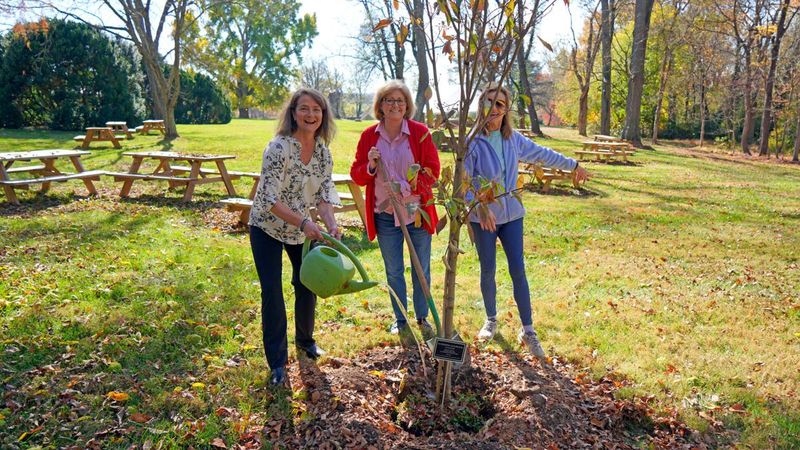
Fall is a respected time to plant trees in North Carolina, but the calendar changes with the region. Beaufort County Extension in eastern North Carolina gives a window from mid-September to early December for woody plants, so November falls inside it there.
Farther west, Polk County Extension says October through December is preferable and that planting can sometimes continue later. November still works, but the earlier part of that window may be the easier target.
So November can be a good time to plant, though it is not the best time everywhere. Mountain yards may face colder soil and earlier freezes than coastal ones.
Three things help you decide. Check whether the soil is workable and not frozen or waterlogged.
Look at the forecast for hard freezes in the next few weeks. Inspect the tree itself for healthy roots and sound branches.
If conditions look poor, you can wait. Your county Extension office can tell you what is typical locally, and a nursery can tell you how the plant has been handled since it arrived.
Plant carefully and maintain moisture during establishment
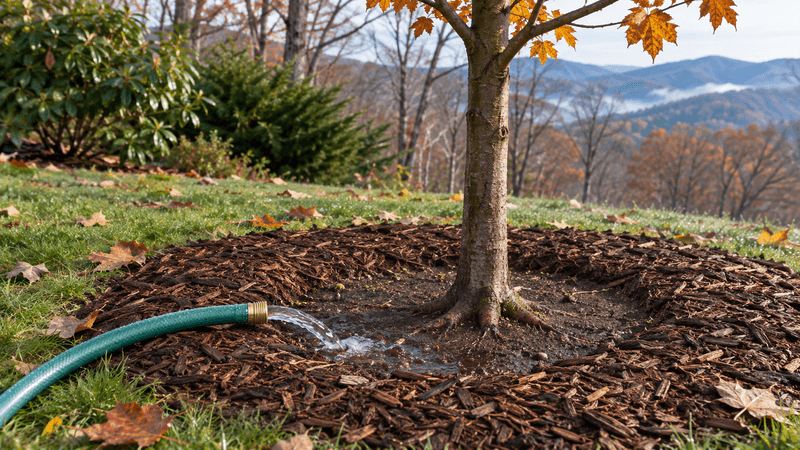
Good planting follows a simple sequence, laid out in the NC State Extension Gardener Handbook. Dig a hole wider than the root ball, then set the tree at or slightly above grade so it does not sink over time.
Backfill with the soil you dug out, rather than amending the hole with rich mixes. Water it in to settle the soil around the roots.
Then spread 2 to 3 inches of mulch, keeping it off the trunk instead of piling it like a volcano.
Watering matters after the shovel work is done. Keep the root zone adequately moist while the tree establishes, especially during dry spells.
A slow soak at the base usually beats a quick sprinkle.
Black gum does not establish effortlessly, and its slow growth means patience. Expect a few seasons before it looks settled in.
Skip heavy fertilizing and let it build roots at its own pace.
This is where the siting advice pays off. NC State’s species details note that the taproot makes moving the tree later difficult.
Digging the hole in the right place the first time is the best care you can give.
Choose black gum for your site, not a color contest
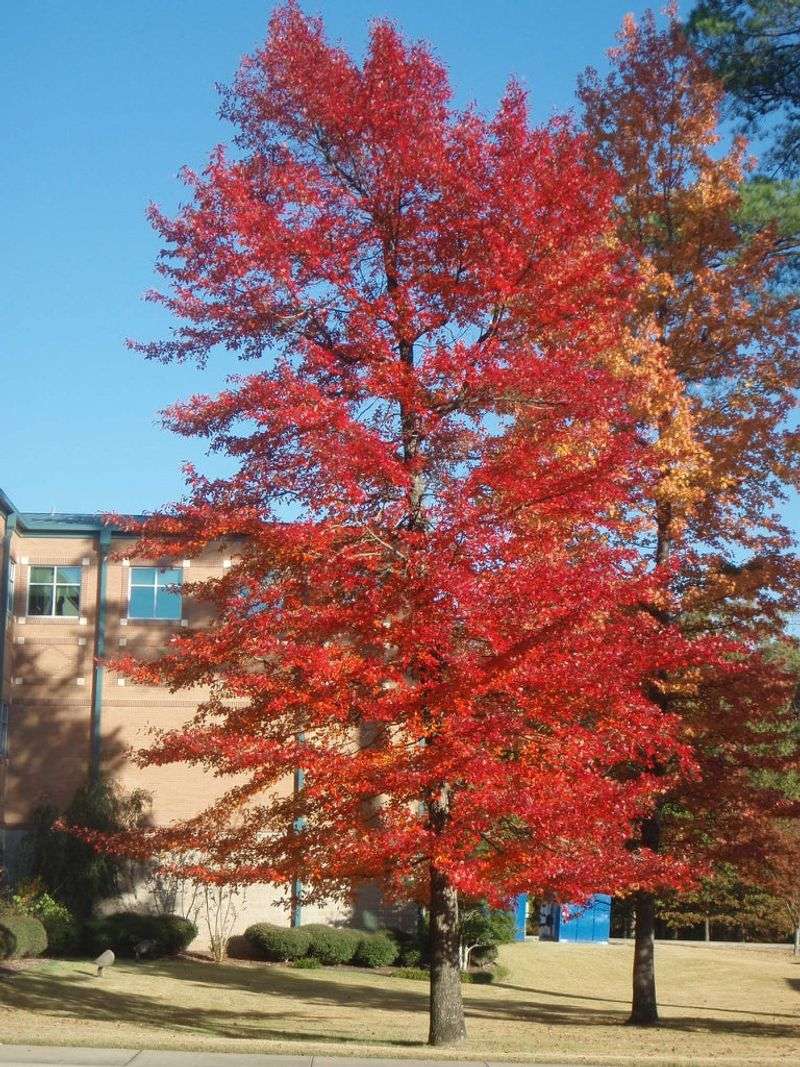
Black gum suits a homeowner with open space, sun, and the patience for a slow-growing native. NC State Extension backs its vivid fall color, but the display varies by year and yard, and no source says it beats every maple.
Before you buy, check your soil, your space and your local planting window. If the site is small or the soil is alkaline, sourwood or another choice may serve you better.
NC State’s species details help with those checks.
Plant it once, in the right place, and a black gum can be the tree your yard is known for in every October.