
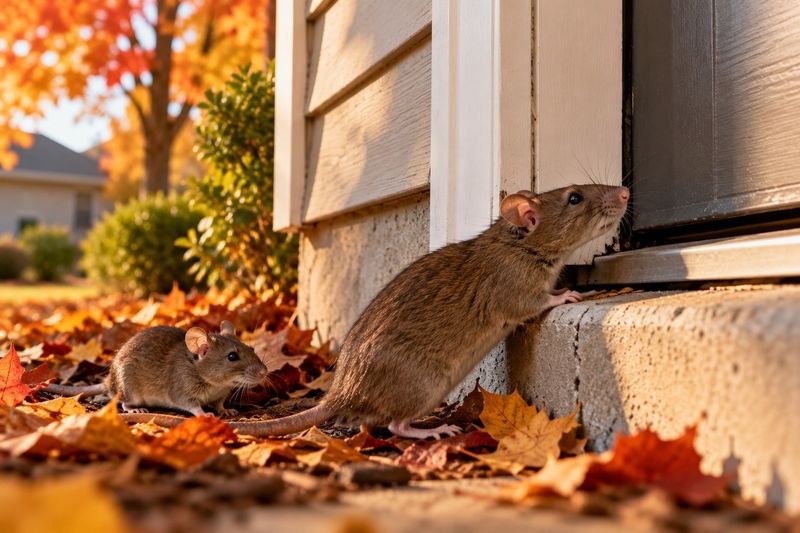
Plenty of Texas homeowners hope a pot of mint by the garage door could keep rats away as nights cool off. It is a nice idea, because planting is easier than crawling around with steel wool.
The trouble is that the evidence does not back it up, and a false sense of safety can leave real gaps open. Here is what research and Texas experts say, and what actually helps.
Peppermint is not a proven garage-door barrier

Peppermint gets named most often in rodent-repellent claims, and it is easy to see why. It smells strong, it looks tidy by a doorway, and it feels like a cheap fix.
But no reliable evidence shows that a live peppermint plant, or any other plant, beside a garage door keeps rats out of a Texas home.
One Texas A&M-affiliated field test is worth knowing about. The research report found that a mint-scented spray did not reduce captures across six rodent species.
That test used a spray, not live plants, and it did not focus on house rats, so it cannot be stretched into a verdict on every mint pot in Texas. What it does show is that a minty smell did not keep rodents away in that trial.
Extension offices say the same thing in plain terms. A University of Maryland Extension response states that planting peppermint, lavender, or marigolds will not keep rodents from entering a home.
None of this means mint has no place in your yard. It is a handy culinary herb for tea, salsa, and cocktails.
Just know that it spreads aggressively, and Utah State University Extension recommends confining it or growing it in containers. That is a gardening reason to keep it in a pot, not a pest-control claim.
If you want real doorway defense, the work shifts from planting to blocking, and that starts with understanding what rats actually do in winter.
What the evidence says about rats and winter

When temperatures drop, many Texans picture rats packing up and heading for the nearest garage. That worry is understandable, but the seasonal guidance we found is about mice, not rats.
Texas A&M’s school IPM plan for rodents says mouse problems can happen year-round and are especially common in fall as temperatures cool.
Rats are a separate story. Texas A&M AgriLife identifies both Norway rats and roof rats in Texas.
Its fact sheet reports that roof rats produce the most young in winter and spring.
That is a detail about breeding, not proof that rats generally move indoors when it gets cold. Nobody has shown a winter wave of rats heading into Texas houses.
So treat winter as a good time for a homeowner check, not as a rat season you must brace for. A gap that is open in January is also open in July.
Year-round prevention beats waiting for a cold snap, and it works whether the visitor is a mouse, a Norway rat, or a roof rat.
Seal gaps around the garage and nearby doors
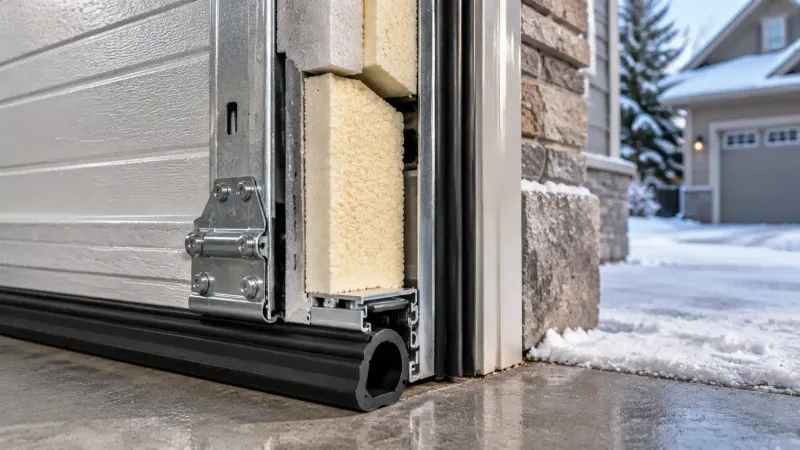
Start with a slow walk around the outside of the garage and house. Look at door edges, the foundation, vents, and spots where pipes, cables, or utility lines enter the wall.
Anywhere you can see daylight or slide in a pencil is worth marking.
CDC guidance specifically includes garages and outbuildings. For small holes, it suggests steel wool.
For larger openings, it calls for materials like metal, cement, hardware cloth, or metal sheeting. Texas A&M AgriLife also points to rat-resistant materials such as hardware cloth or steel wool, so you are on solid ground with either.
Next, check the pedestrian doors, including the side door into the garage. An EPA technical bulletin recommends a full-length door sweep that touches the ground without keeping the door from closing, and it advises against vinyl sweeps in rodent-prone areas.
That advice covers regular doors. The EPA bulletin does not prescribe a specific repair for overhead garage-door seals, so if the rubber along your big door is cracked or lifting, treat that as a general gap to inspect and fix with durable materials.
Physical exclusion is the main doorway defense. A sealed gap works whether or not anything is growing next to it, and no scent can do the same job.
Remove food and shelter near the home
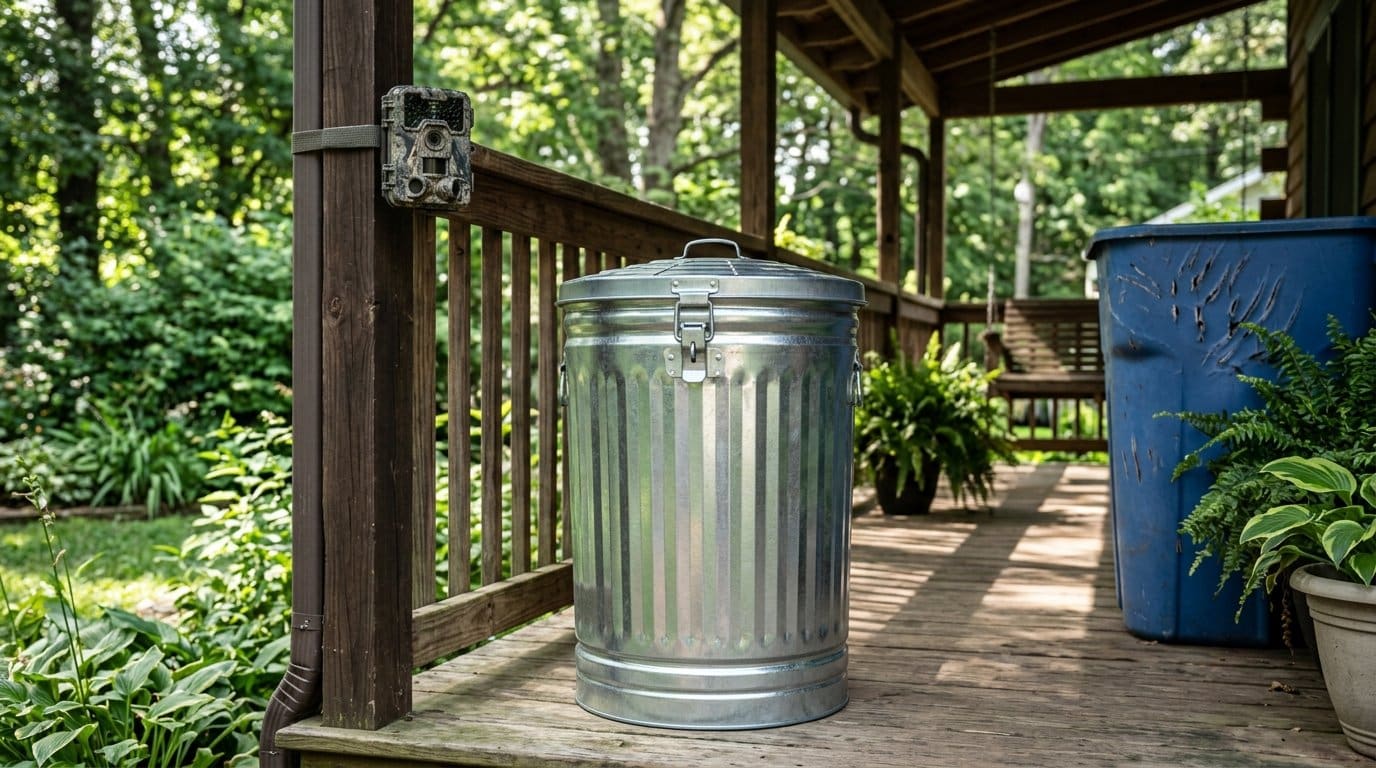
Garage routines can quietly set a table for rodents. A half-open bag of dog food, birdseed on a shelf, or a trash can without a good lid all say there is a meal here.
Store food, pet food, garbage, and animal feed in sturdy containers with tight lids. The CDC advises securing food and garbage as part of preventing rodents.
Metal or heavy plastic bins with snug lids are a good fit, since a thin bag is easy to chew through.
Clean up spills right away, whether that is kibble around the pet bowl or seed under the feeder. The EPA also encourages removing the food, water, and shelter that rodents look for.
Shelter counts too. Stacked boxes, piles of old lumber, and clutter against the wall give rodents places to hide.
Pull things off the floor, leave a little space along the walls, and keep brush and debris away from the foundation.
Think of these steps as a partner to sealing gaps. They make your property less appealing, but they do not guarantee a rodent-free garage, so keep checking your seals.
Respond to signs of rodents indoors
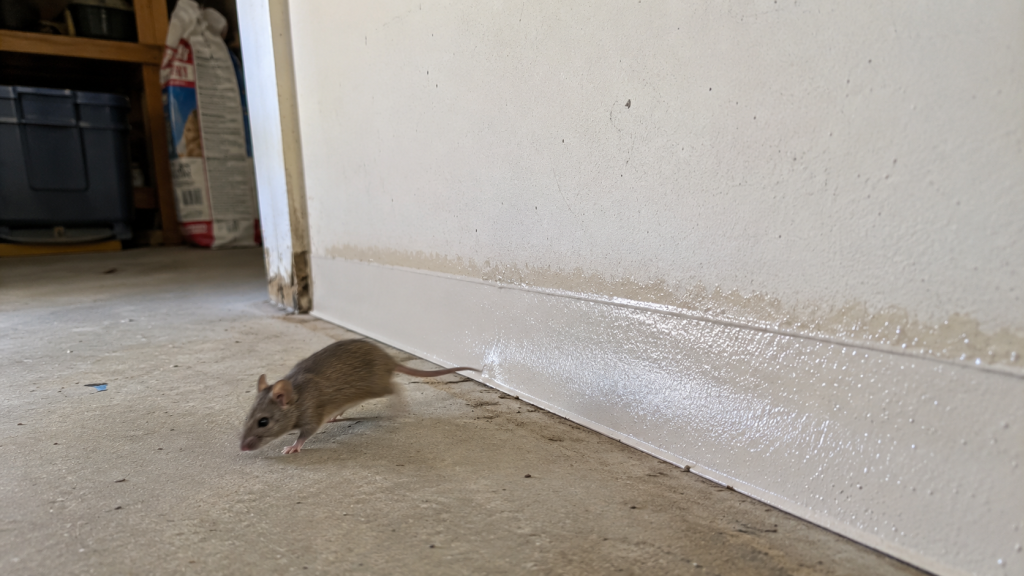
Scratching in the walls, droppings along the baseboard, or gnawed packaging mean it is time to act. Waiting and hoping a scent or plant will handle it will only give the problem time to grow.
CDC trapping guidance recommends placing traps where rodents travel, such as along walls and in corners. Keep them out of reach of children and pets.
The CDC also notes that if signs persist after a week, you may have an infestation.
Treat that week as a rough guide, not a diagnosis. Fresh signs after a week are a reason to look harder at entry points and consider calling a pest professional.
Do not count on smell or sound to fix it. UC IPM says rats may avoid some odors at first, but repellents have not been shown to solve rat problems for more than a short time.
It also says ultrasonic devices are ineffective for rats in homes and gardens.
The same goes for a pot of mint by the door. Once rodents are inside, trapping, sealing, and removing food sources are the tools that count.
Clean rodent droppings and nesting material safely

Cleanup is where people tend to rush, and it is where shortcuts matter most. Do not sweep or vacuum droppings or nesting material.
Those methods can stir the material up instead of containing it.
Instead, wet the droppings and nesting material with disinfectant, and wear gloves while you work. Follow the steps in the CDC cleanup instructions from start to finish, rather than inventing your own routine.
Stick to what the guidance lays out. There is no need to add extra steps or home remedies, and the CDC page is the best place to check the details.
Once the area is clean, put your energy into keeping rodents from coming back. Sealing entry points and securing food and garbage does far more than any planting by the door.
A pot of mint can still make a fine garnish. A gap that is sealed does what the mint never could.