
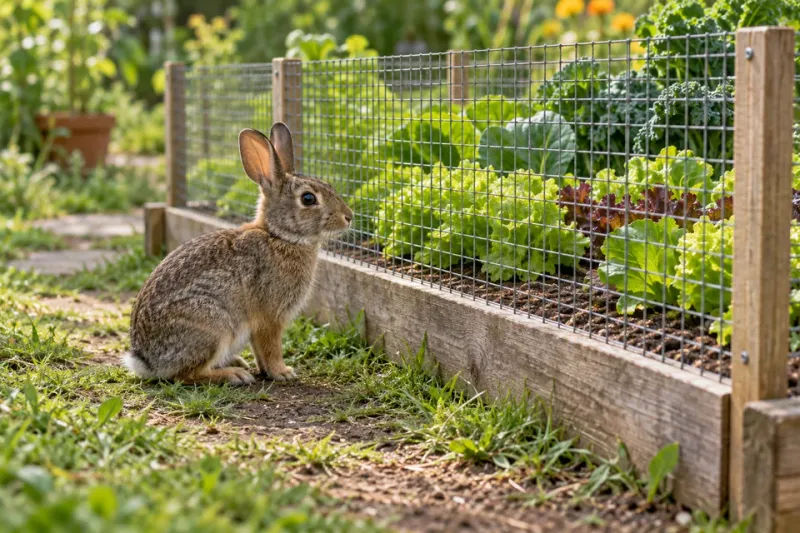
You walk out to the garden and your broccoli is clipped down to short stubs. Something feeds on tender fall plants overnight, and the culprit is not always the one you suspect.
Rabbits are a real possibility, but a few clues can help you tell. A simple wire enclosure you can build in one weekend may help protect the bed once you know what you are dealing with.
Clean cuts and pellets point toward rabbits
Rabbits are a plausible cause when young brassicas vanish overnight. UF/IFAS notes that rabbits eat broccoli and favor young, tender shoots, and that their feeding often leaves clean-cut damage.
Get down low and look closely at the plant. Leaves or stems that look sharply snipped, as if with small scissors, fit rabbit feeding.
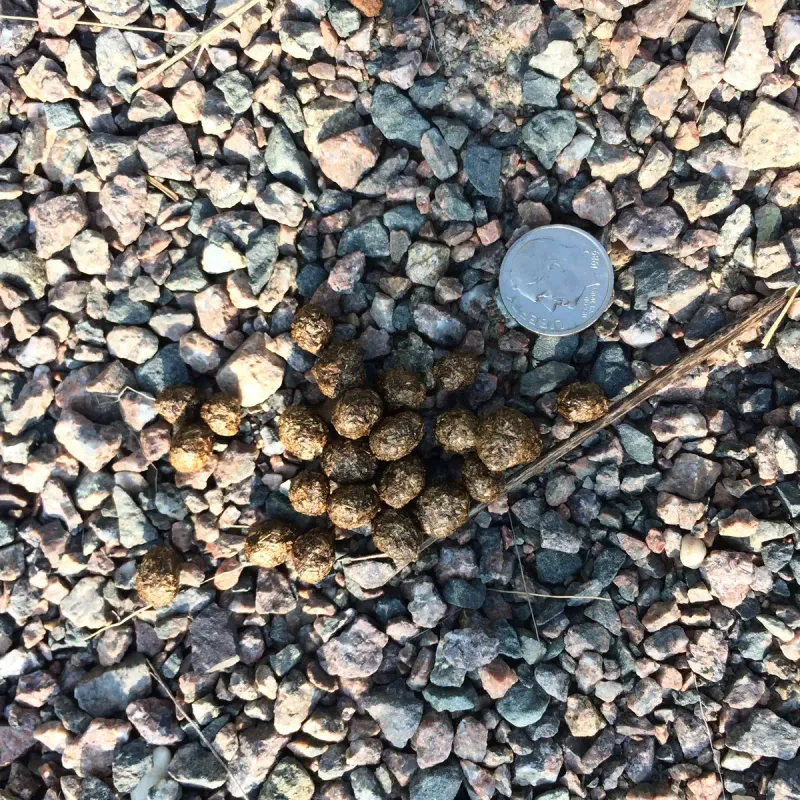
Then scan the soil and mulch nearby for small, round droppings about the size of a pea.
Those two clues together make rabbits a stronger suspect, and UMass Extension describes similar signs for vegetable gardens. Still, clues are not proof.
Treat them as a good reason to keep investigating rather than a final answer, especially if the cuts look odd or the droppings are missing.
Dusk fits rabbit activity but does not confirm it
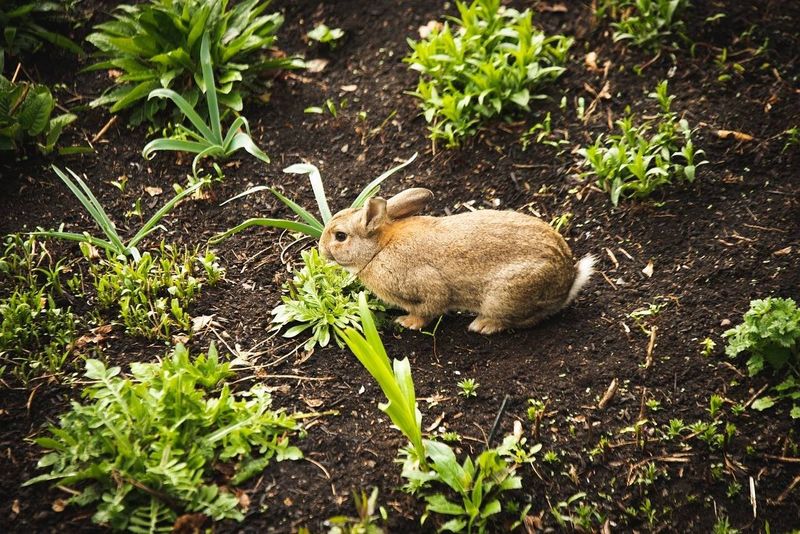
Evening damage does fit a rabbit story. Texas A&M AgriLife reports that cottontails feed in gardens mainly at twilight and night.
But plenty of other pests work the same shift, so timing alone cannot name the culprit.
Check the seedlings first. If young cauliflower is cut right at the soil line, cutworms may be responsible, and University of Minnesota Extension describes this base-cut pattern on cauliflower.
Gently dig around the stub for a curled caterpillar.
Deer are another lookalike. UF/IFAS wildlife guidance says deer tend to leave ragged or torn edges and browse higher up.
Spend a few minutes inspecting the plants, the soil, and the area around the bed before you pick a fix.
Choose a protective enclosure with fine mesh
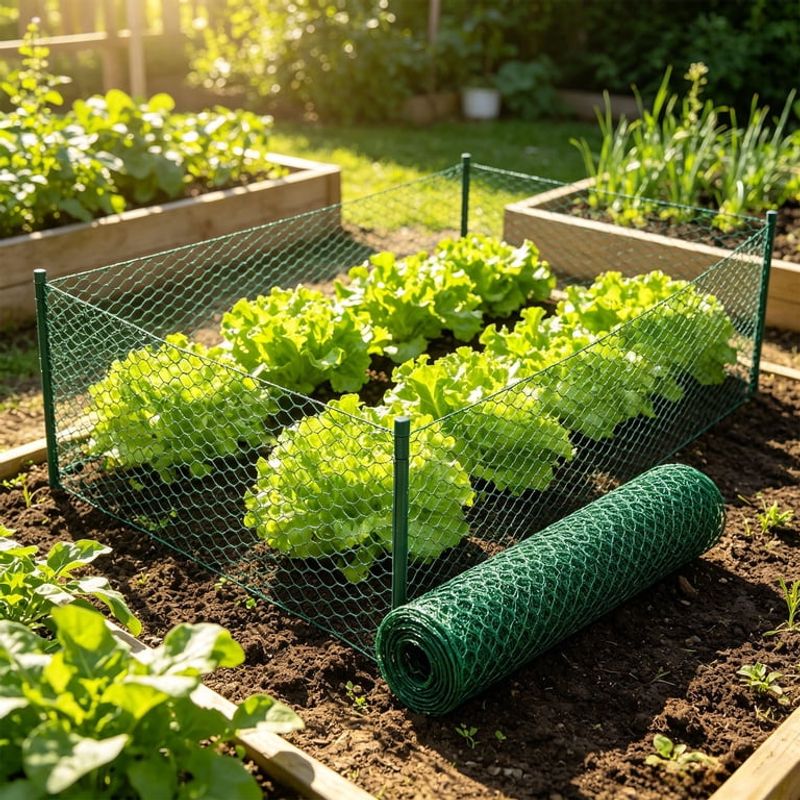
When the signs point to rabbits, a chicken-wire enclosure is a practical, low-cost exclusion method. Pick metal chicken wire with openings no larger than 1 inch, which UF/IFAS recommends so young rabbits cannot squeeze through.
Aim for a barrier about 2 feet high. Iowa State Extension also gives 2 feet as a common height for vegetable gardens.
Think of it as a fence around the whole bed, not a loose skirt laid around the plants. A skirt leaves open ground and easy ways in.
How well the barrier works depends heavily on how securely it goes up, which is the next step.
Secure the entire bottom edge
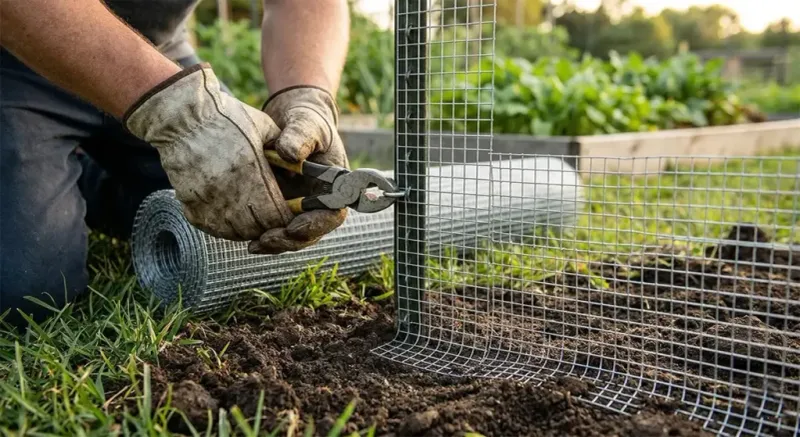
Start by driving sturdy stakes around the bed every few feet. Unroll the wire along the outside of the stakes and attach it so it stands about 2 feet tall, with the sections overlapping and fastened where they meet.
Next, close the bottom. Dig a narrow trench along the base, and UF/IFAS recommends burying the wire 6 inches.
If digging is not possible, Iowa State Extension advises pinning the bottom tightly to the ground with landscape staples.
Work your way all the way around so no stretch of the bottom edge is left loose. Check every corner and seam, since a rabbit only needs one small opening.
Plan a way in for yourself, such as a hinged section or a clipped-on panel, and make sure it closes snugly.
Inspect the barrier and keep expectations realistic
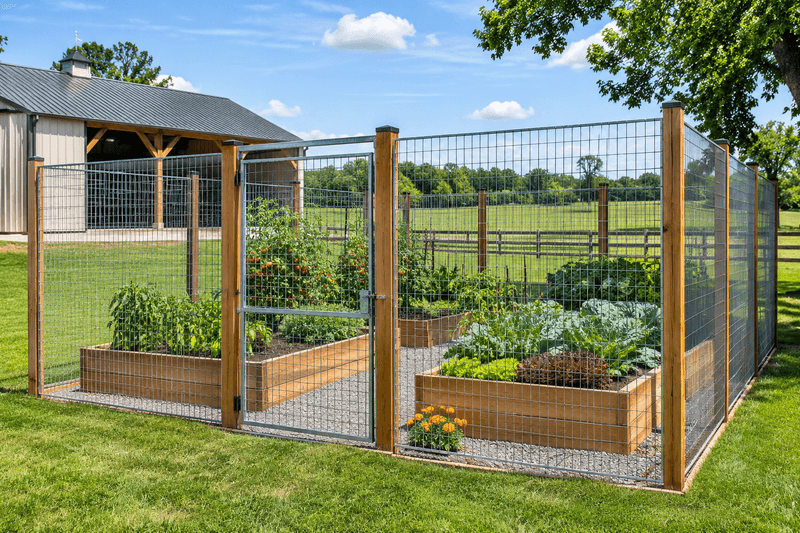
A walk along the fence every few days takes only a minute. Look at the seams, the corners, the gate, and the bottom edge, because UF/IFAS advises checking for openings.
Heavy rain, mowing, or digging pets can loosen the wire and leave a gap.
Even a well-built fence has limits. A 2-foot height is a common recommendation, not a guarantee, and UC IPM notes that a frightened jackrabbit may jump a low fence.
Texas has jackrabbits as well as cottontails, according to Texas A&M AgriLife.
Repellents are not a dependable first step either. UC IPM says they often fail where rabbits have highly preferred food, and product labels decide whether they can be used on food crops.
Treat the enclosure as a way to help protect the bed, and keep watching for new damage.
Protect the next growth without assuming the cause
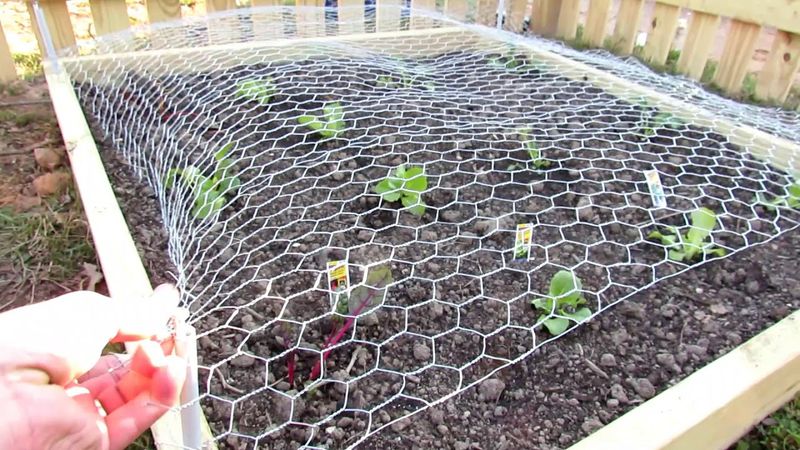
Compare the cut pattern and the clues nearby before you blame rabbits. If clean cuts and small, round droppings fit, a properly secured chicken-wire enclosure is a sensible next step.
Planting windows differ across both states, so check UF/IFAS cole crop guidance for Florida or Texas A&M’s vegetable guide for your region. A careful look first saves you from fencing out the wrong pest.