
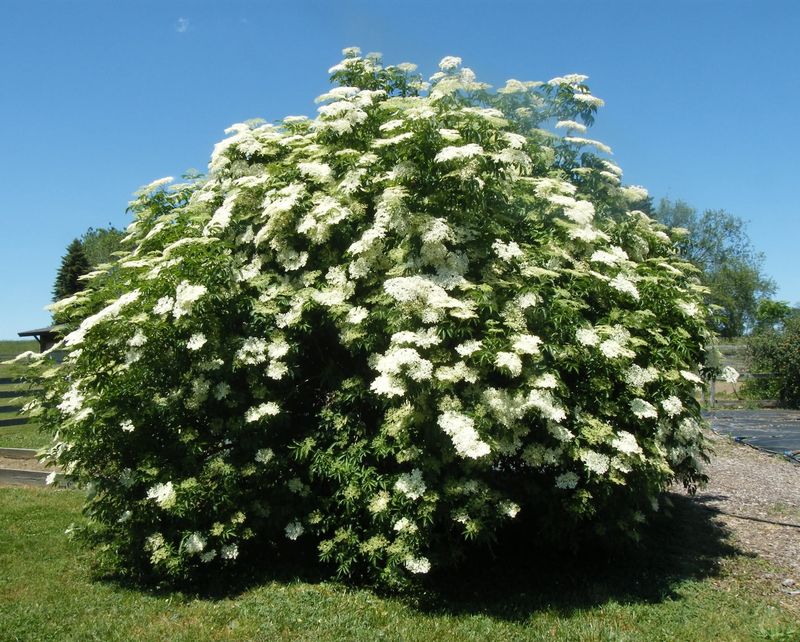
A shrub with big white flower clusters in late spring and dark purple fruit in summer can turn a plain corner of a Central Texas yard into a food stop for wildlife. American elderberry is a Texas native that many gardeners overlook.
Winter may be a workable time to put one in the ground, and birds may eat the fruit when it ripens. Here is how to decide if this shrub fits your yard and how to give it a fair start.
Choose American elderberry, not just any elderberry
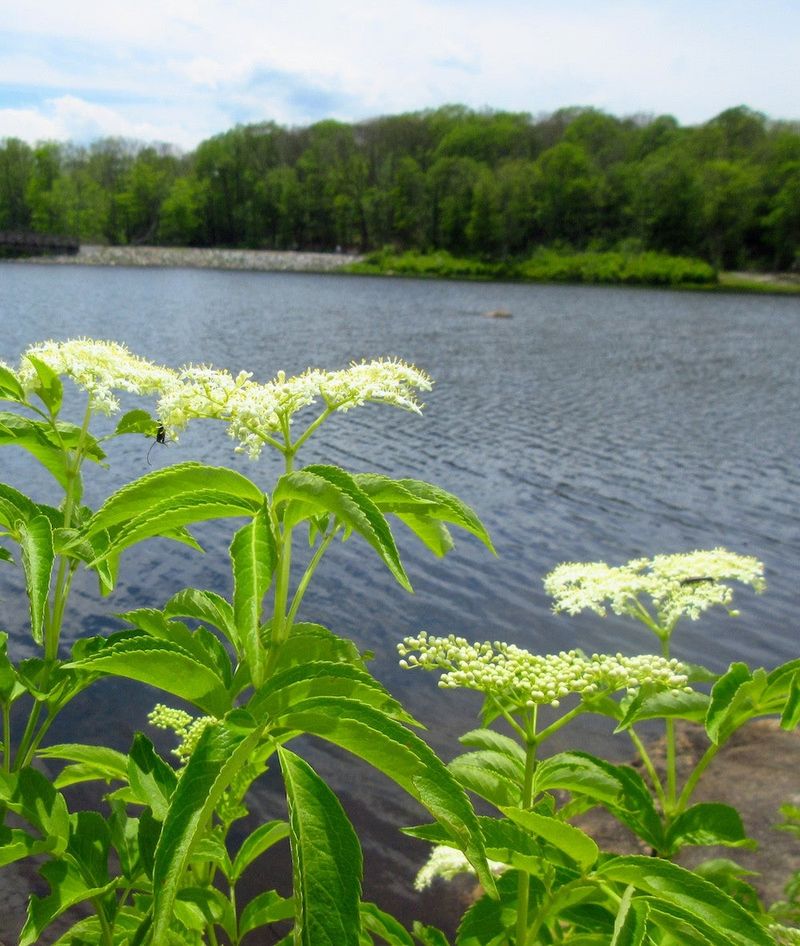
Not every plant sold as elderberry is the same species. For a Texas native, look for American elderberry, Sambucus canadensis, which the Lady Bird Johnson Wildflower Center also lists as S. nigra ssp. canadensis.
Check the tag at the nursery, and ask the staff which species and variety you are buying.
According to the Wildflower Center plant profile, this shrub is native to parts of Texas, including Central Texas, where it grows along streams and other moist, riparian areas. That habitat is a useful clue.
It is not a plant found everywhere across the state, and it is not suited to every yard.
Picture the mature shrub before you buy it. The profile describes a plant that can reach about 12 feet tall.
Its white flowers generally open from May through July, in broad, flat-topped clusters that stand out against the leaves.
When the fruit ripens, it turns dark purple and hangs in heavy bunches. Those berries are the reason many wildlife gardeners want this shrub.
Before you commit, read the next sections to see whether your soil, water supply, and open space can support it.
Check whether your site can stay moist
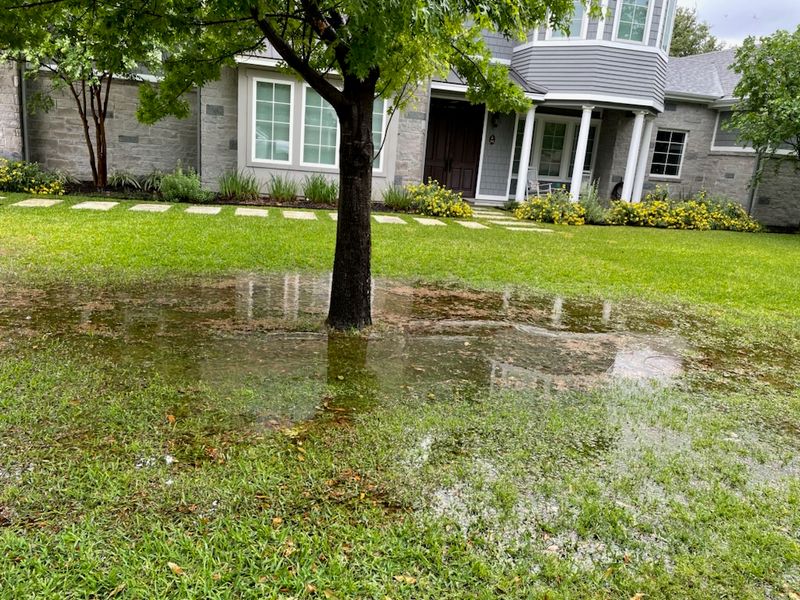
Walk your yard after a good rain and notice where water lingers. Elderberry prefers rich, moist soil, as the Wildflower Center notes, and it does best where the ground drains well but does not bake dry.
A low corner, a spot near a downspout, or the edge of a rain garden might fit.
Thin, rocky caliche soil on a sunbaked slope is a tougher match. Dig a test hole and see what you find.
If the soil is shallow, hard, or dries out within days, think about another plant or amend the site and plan on regular watering.
Native does not mean drought-proof. A Central Texas answer on Ask Extension warns that drought and extreme heat can push elderberry into summer dormancy, dieback, and eventually death.
Triple-digit stretches are the real test here.
Be honest about your own routine. If you can reach the spot with a hose or drip line during dry weather, elderberry becomes a reasonable candidate.
If you cannot, a more drought-hardy native is a safer pick for that spot.
Treat winter planting as an option
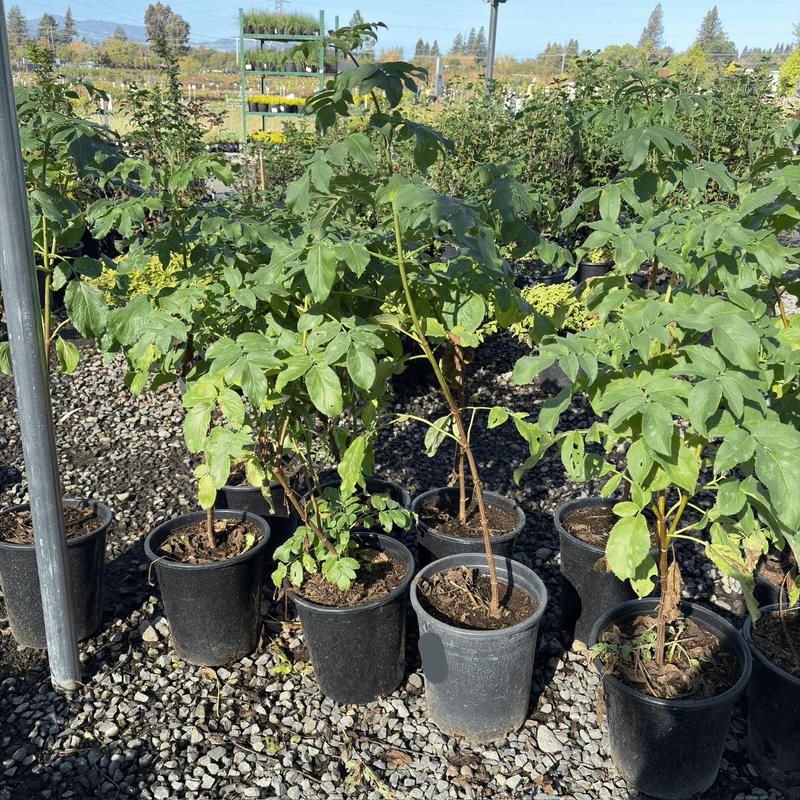
Planting in cold months can make sense for woody plants. Texas A&M AgriLife has said that dormant trees and shrubs can be transplanted in winter.
The idea is that roots can settle in before summer heat arrives.
Elderberry-specific advice is not as unified. Oklahoma State’s guide, Growing Elderberries in Oklahoma, prefers spring planting.
Oklahoma winters are colder than ours, so that preference may not map neatly onto Central Texas, but it shows the timing question is open.
So treat winter as a possible window, not a rule. Mild, workable soil, healthy dormant stock, and a plan for watering matter more than the calendar.
If a hard freeze is forecast or the ground is soggy, waiting for early spring is a sensible choice.
Also keep expectations modest. Planting in winter does not guarantee flowers or berries by next summer.
A young shrub may spend its first season building roots, and that is a good outcome in itself.
Water through dry spells
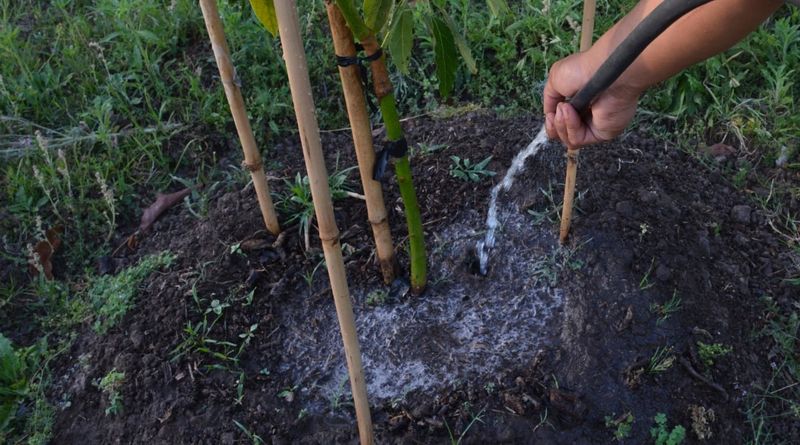
A new elderberry depends on you more than on the weather. Oklahoma State notes that elderberries are not drought tolerant and recommends watering when rainfall falls short.
In Central Texas, that can happen in winter dry spells as well as summer.
Skip the rigid calendar and check the soil instead. Push a finger or trowel a few inches down near the root zone.
If it feels dry, it is time to water slowly and deeply so moisture reaches the roots.
Mulch helps. A layer of shredded wood or leaf mulch around the base can slow evaporation, as the same guide points out.
Keep it a bit back from the main stems so they stay dry.
Watch the shrub in July and August. Drooping, scorched leaves or sudden dieback can signal stress, and Central Texas Extension advice links extreme heat and drought to dormancy and plant loss.
Extra water during those stretches may be the difference between a shrub that recovers and one that does not.
Plan on caring for it through the first seasons rather than planting and walking away.
Make room for its size and spread
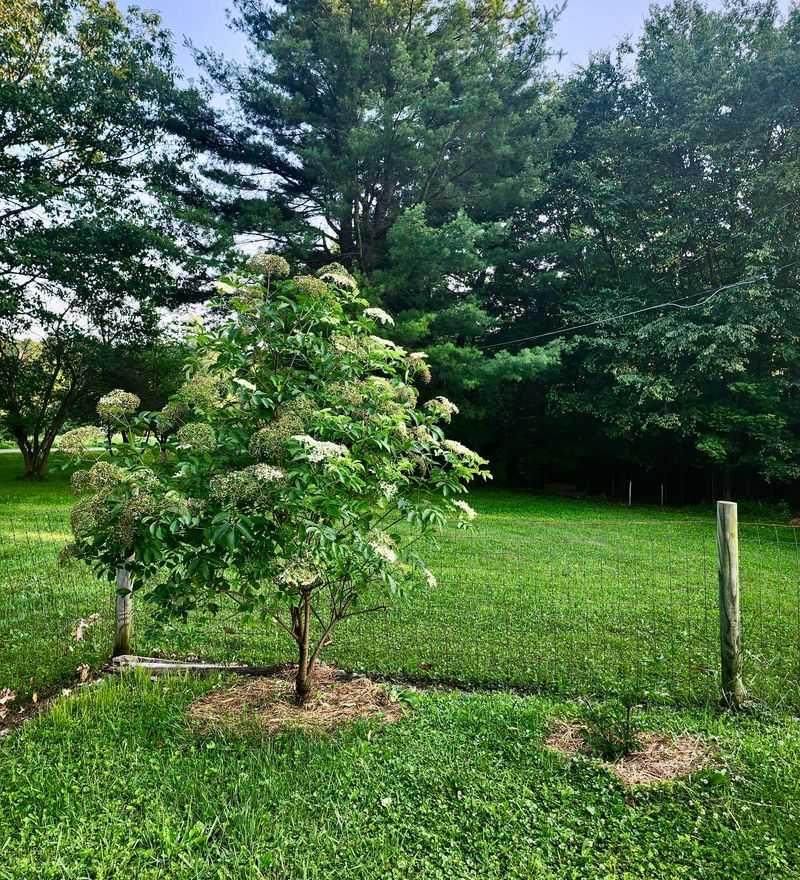
Elderberry is not a tidy foundation shrub. The Wildflower Center profile describes a plant that can reach about 12 feet, and it can spread into a thicket by sending up new shoots called suckers.
Give it space to widen over the years.
Good spots include the back of a border, a fence line, the edge of a wild corner, or beside a pond or rain garden. Poor spots include narrow strips by a walkway, spaces under power lines, and places right against the house.
Think about where new shoots might pop up and whether you can mow or pull them.
Pruning can keep the shrub in shape. The Wildflower Center recommends winter pruning to maintain its form.
That fits well with a dormant season, when bare stems are easy to see.
You do not need a complicated plan. Remove dead or crowded stems, trim back wayward growth, and pull suckers that wander outside the area you set aside.
Walk the site once each winter and decide how much space you want to give it.
Birds may eat the fruit, but results vary
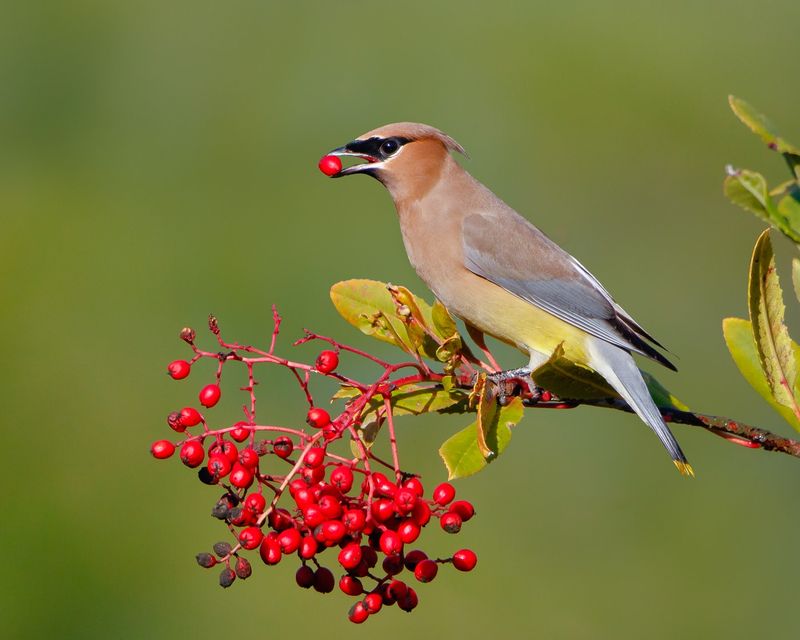
Songbirds do eat elderberries, as the U.S. Fish & Wildlife Service describes.
The Missouri Department of Conservation adds that many bird species use the fruit and that ripe berries can disappear fast if left on the shrub.
Still, one plant is a food source, not a guarantee. These sources do not say which birds will visit your yard, whether they will take every berry, or how quickly your shrub will bear a meaningful crop.
Crop timing is also uncertain. Oklahoma State mentions a small crop in year one with better production around year three, while Missouri Extension describes large crops in the second year.
Those are guides from outside Texas.
Do not eat raw or unripe berries or other plant parts yourself. Wildlife use and human food safety are different matters.
Plant it for the birds, and treat any visitors as a bonus.