
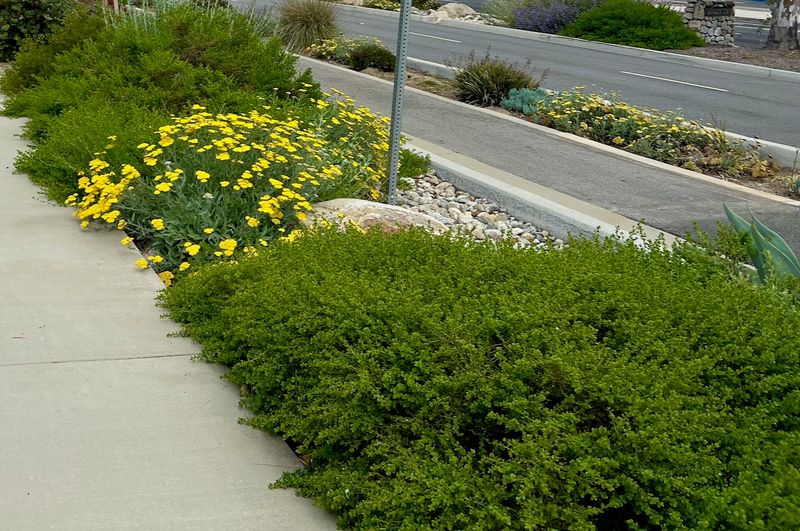
That narrow strip of lawn between your sidewalk and the street may be the thirstiest, most annoying patch of grass you own. It soaks up water, sends sprinkler runoff into the gutter, and still needs mowing every week, all for a spot nobody really uses.
Swapping it for low-growing California natives can save water, feed local bees and butterflies, and give your curb a fresh, finished look. Here are ten tough, tidy plants that thrive in a parkway and never need a mower.
1. California Fuchsia
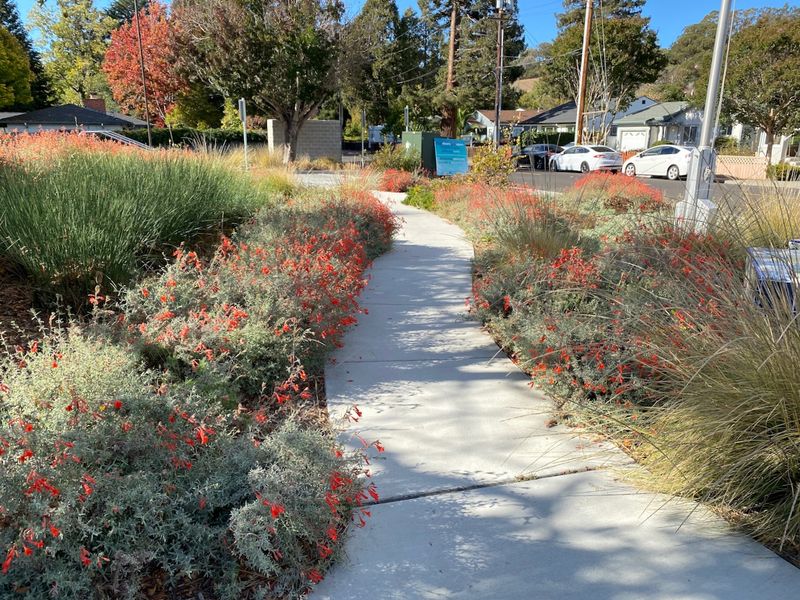
Picture late August, when most yards look tired and crispy. Right then, California fuchsia lights up with scarlet trumpets that hummingbirds chase like a fast food sign.
Epilobium canum handles reflected heat from pavement better than most plants, which makes it a natural fit for a curbside strip. Low selections like ‘Everett’s Choice’ stay under a foot tall, so they won’t block drivers’ views.
Cut it back hard in late fall or winter and it returns fresh in spring. Once established, it usually needs only an occasional deep summer soak, depending on your climate zone.
2. Creeping Sage
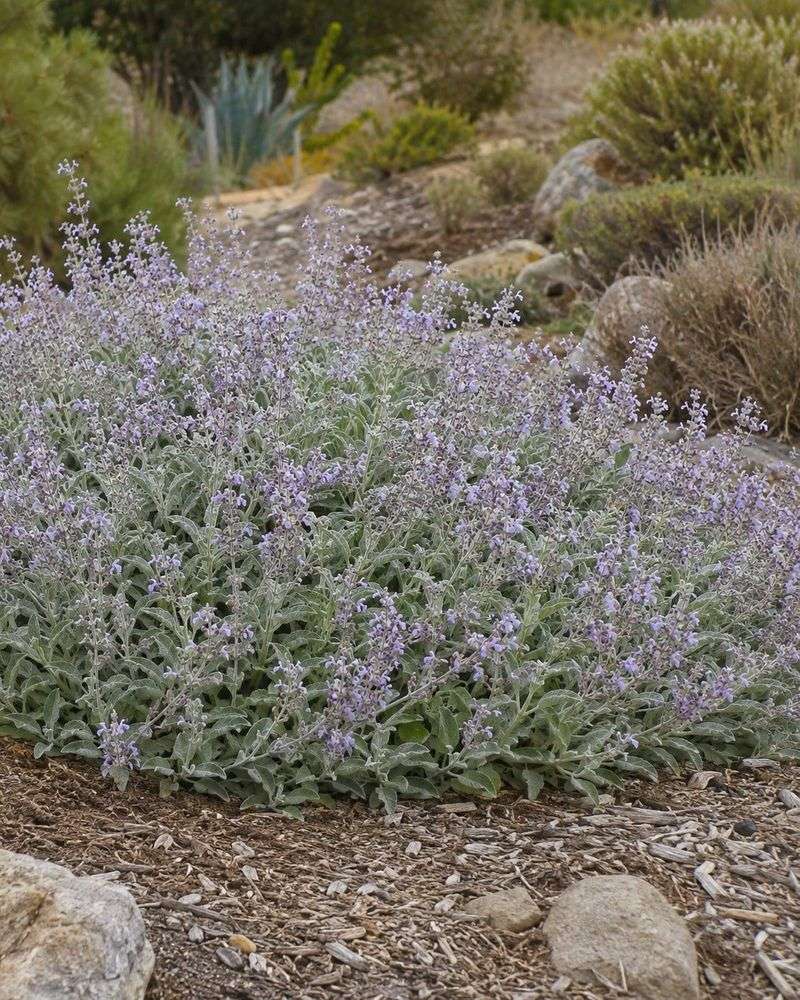
Brush past creeping sage on a warm afternoon and the whole sidewalk smells like a hillside hike. Salvia sonomensis forms a dense, fragrant mat only a few inches tall.
Its spring flowers pull in native bees, and the thick growth can help crowd out weeds once it fills in. It prefers fast-draining soil and dislikes summer overwatering, so put it on drip and go easy.
Hybrids like ‘Bee’s Bliss’ are a little more forgiving in garden conditions and spread wide enough that a few plants can cover a good chunk of a strip.
3. Yarrow
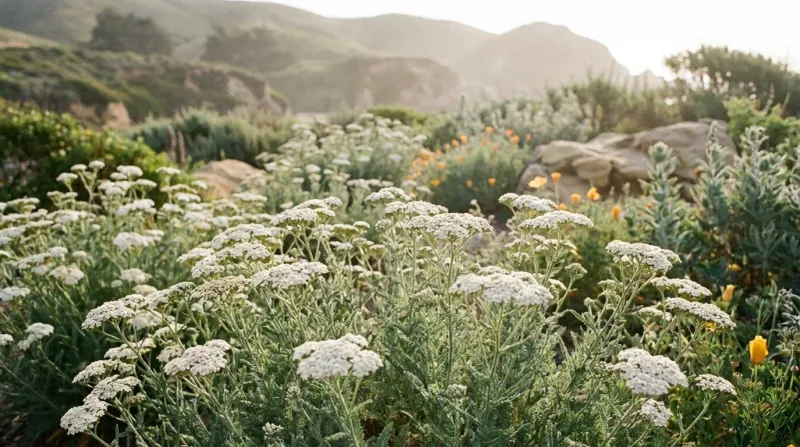
Want something that still looks a bit like a lawn? Native yarrow is your bridge plant.
Achillea millefolium has soft, ferny leaves that can handle light foot traffic, which matters in a parkway where people step out of parked cars. Left alone, it sends up flat white flower heads that attract tiny beneficial wasps and hoverflies, the kind that help keep aphids in check.
Some homeowners trim it once or twice a year with a string trimmer for a tidier look. That is a far cry from weekly mowing, and it uses noticeably less water than turf once rooted.
4. Blue-Eyed Grass
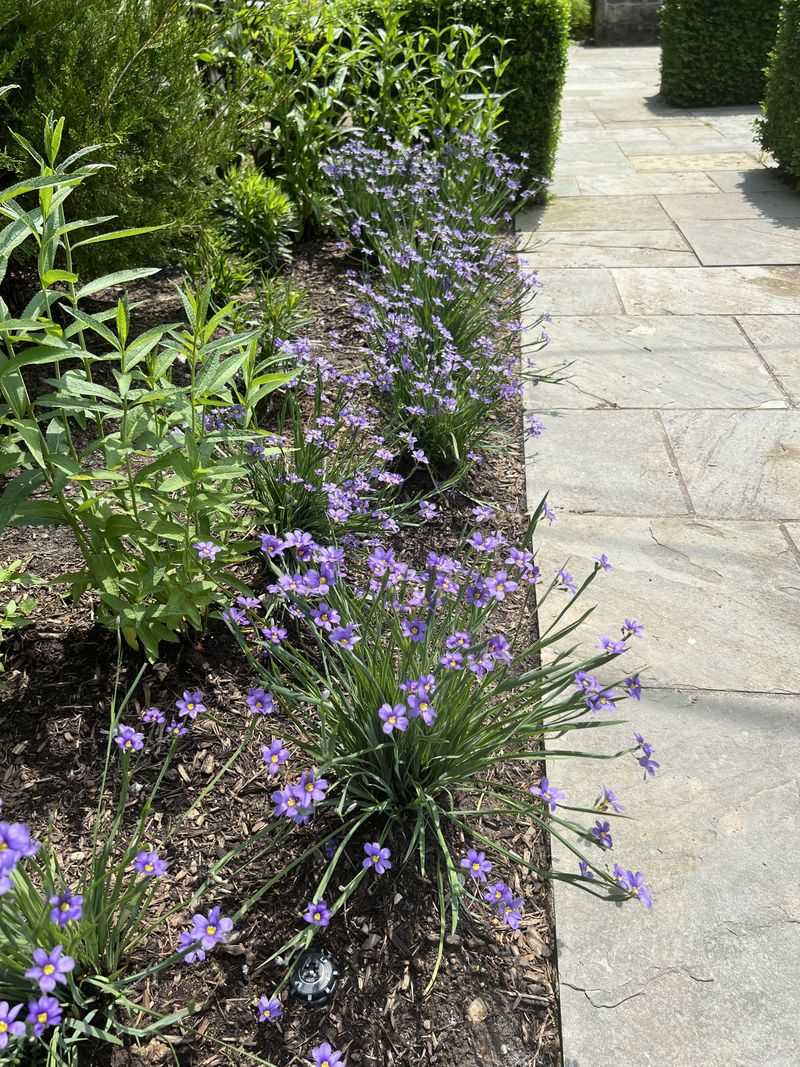
Here is a fun bit of trivia: blue-eyed grass isn’t a grass at all. Sisyrinchium bellum is actually a tiny iris, and its purple-blue stars open on sunny spring days.
The grassy clumps stay around 6 to 12 inches, giving you that green, linear texture people miss when the lawn goes. It reseeds gently, filling gaps without turning into a bully.
In hot inland areas it may go partly dormant in summer. Pair it with evergreen groundcovers so the strip still looks full in August.
5. Dwarf Coyote Brush
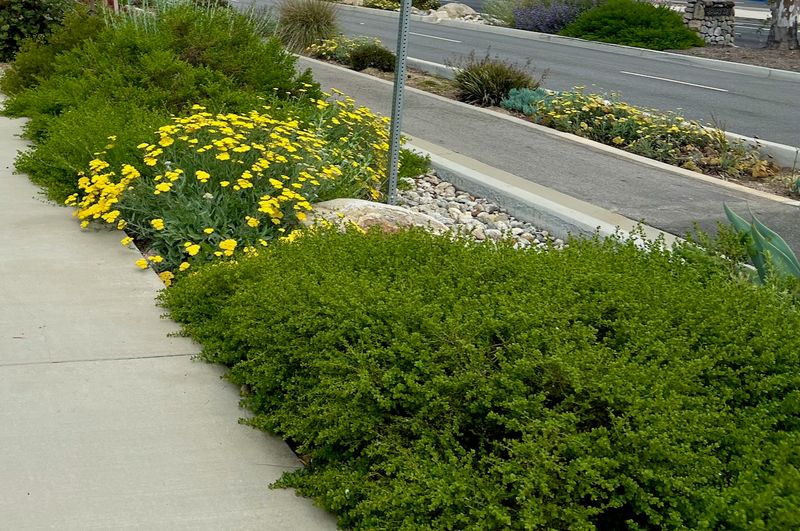
Tough doesn’t begin to describe coyote brush. It grows wild on coastal bluffs, roadsides, and dry slopes, shrugging off wind, salt, and neglect.
For a parkway, choose low forms like ‘Pigeon Point’ or ‘Twin Peaks,’ which spread into a bright green mat about one to two feet high. A single plant can cover several feet, so you buy fewer of them.
Give it a light shearing every year or two to keep it dense. In fire-prone areas, keep it well watered and trimmed low, since any dry, woody buildup can add fuel near the street.
6. Seaside Daisy
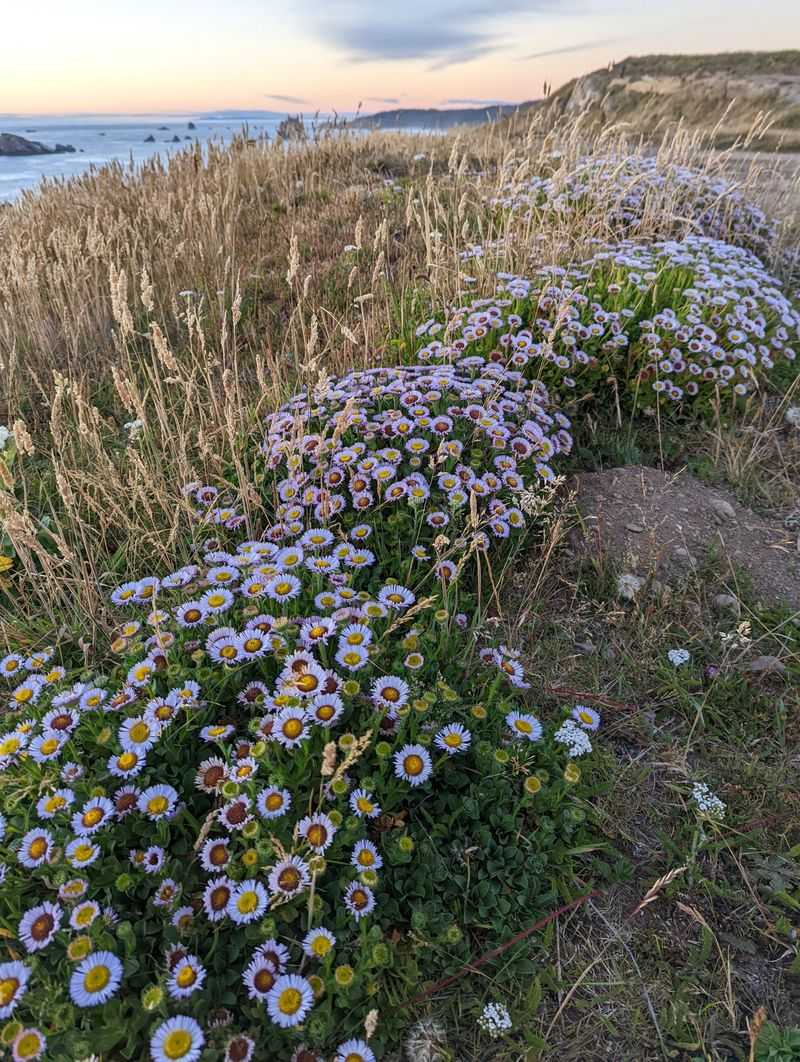
Coastal gardeners, this one’s for you. Seaside daisy grows naturally on California’s ocean bluffs, so it laughs at fog, salty air, and sandy soil.
Erigeron glaucus forms low mounds covered in lavender-pink daisies for much of spring and summer. Butterflies and small native bees visit often.
Inland, give it afternoon shade and a bit more water. Deadheading spent blooms now and then keeps it looking neat and may extend the show.
7. Deer Grass
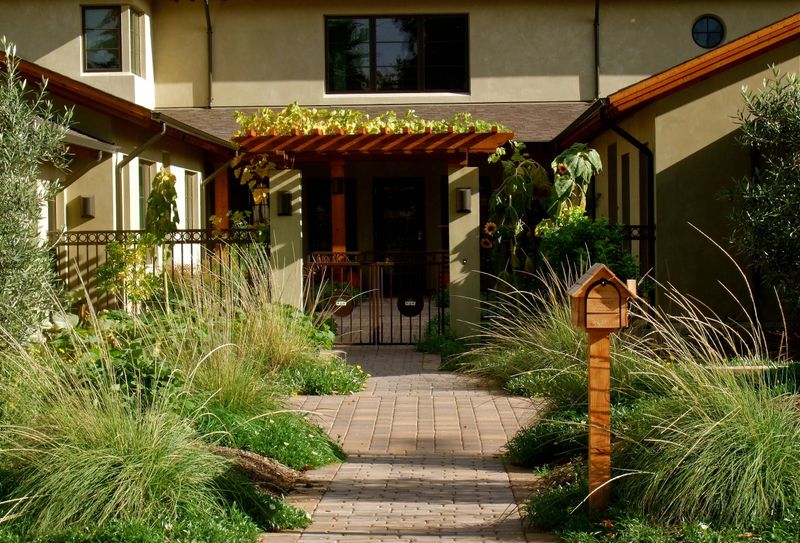
Sometimes a strip needs a little drama. Deer grass delivers big, graceful fountains of foliage that sway in the breeze and catch evening light beautifully.
Muhlenbergia rigens can reach three to four feet tall, so save it for wide parkways and keep it away from driveways and corners where it might block visibility. Many cities have height limits for parkway plantings, so check local rules first.
Native Americans used its stems in basket weaving. Today, birds shelter in it and the clumps need only a yearly cleanup rake or trim.
8. Buckwheat
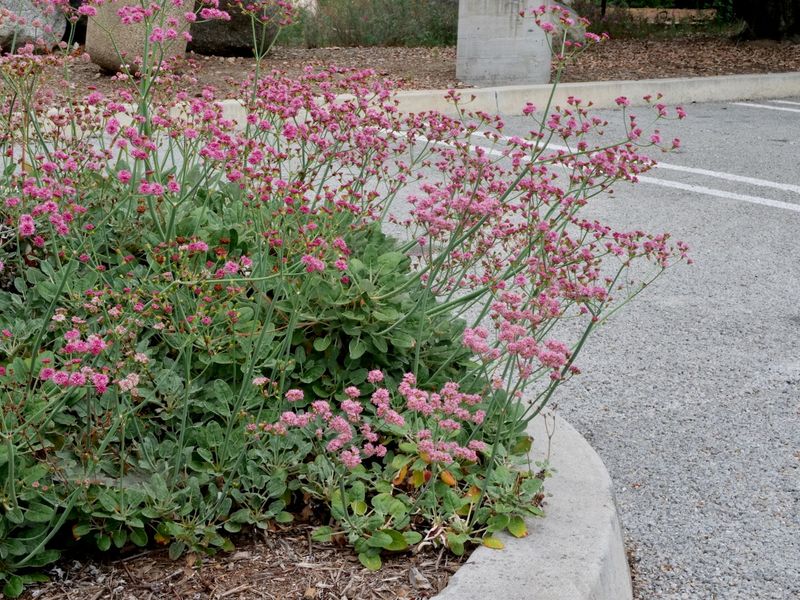
Ask native bee researchers about favorite plants and California buckwheat comes up again and again. Eriogonum species are thought to support a remarkable number of insects, including many butterflies.
For curbside use, red-flowered buckwheat or low forms of Eriogonum fasciculatum work well. Their flower heads fade from pink or cream to rusty brown, which is food for finches and adds fall color.
Water is the main way people kill buckwheat. Once settled in, most need very little summer irrigation, especially along the coast.
9. Manzanita Groundcover
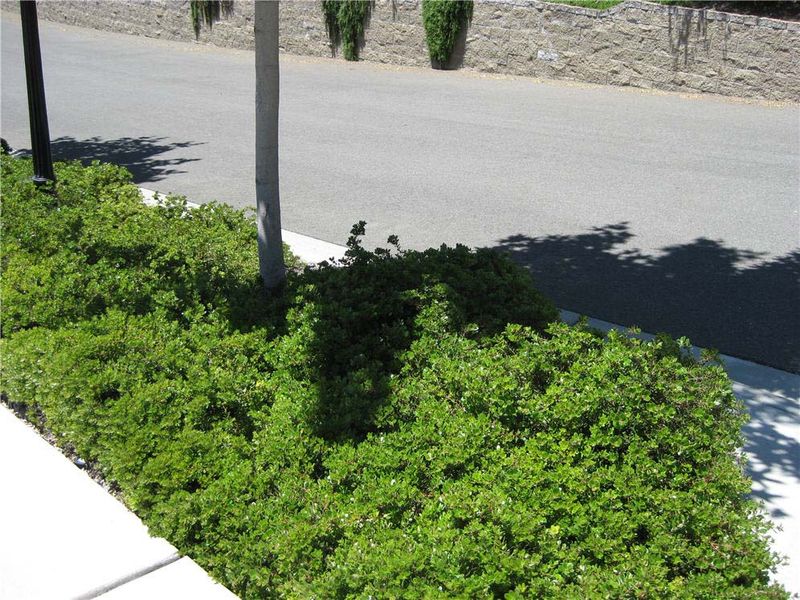
Glossy leaves, red stems, and little pink lantern flowers in winter make manzanita feel almost too handsome for the curb. Creeping types like ‘Emerald Carpet’ or ‘Carmel Sur’ stay under a foot tall.
Winter blooms can feed early hummingbirds and queen bumblebees when little else is flowering. That timing makes a real difference for wildlife.
Plant in fall, keep the soil well drained, and avoid heavy summer watering after year two. Growth is slow at first, so mulch generously between plants while they fill in.
10. California Poppy
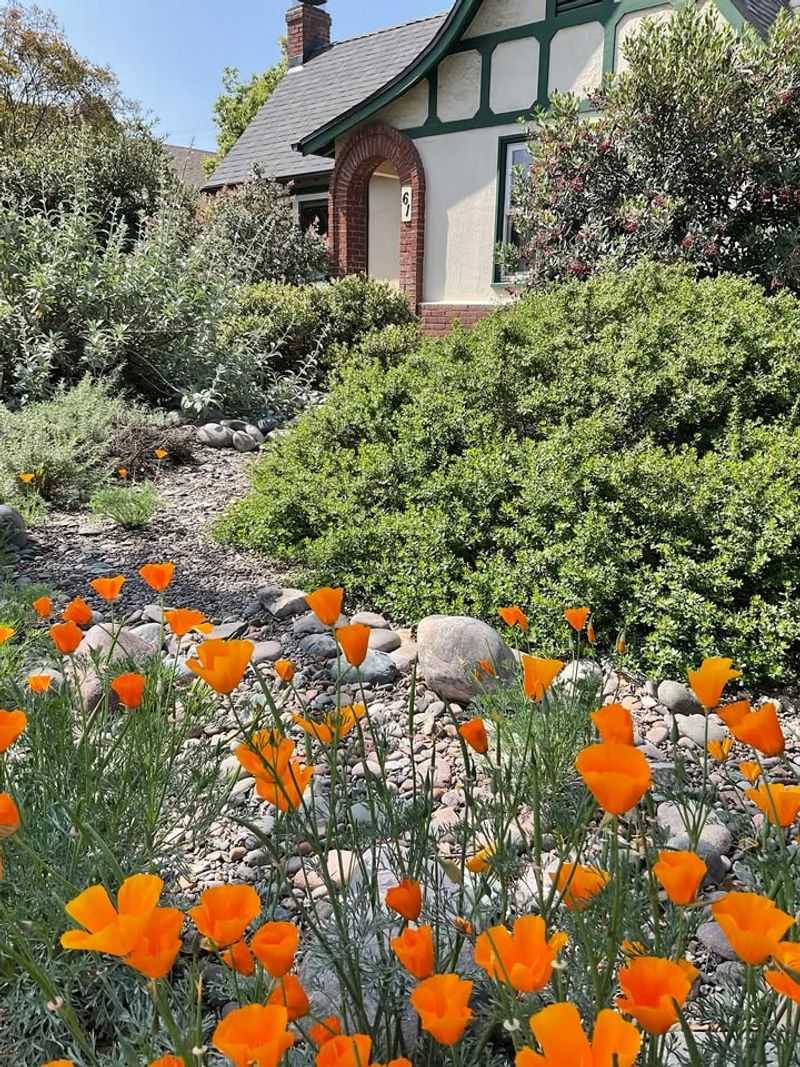
No list of California natives would feel complete without the state flower. A handful of poppy seed scattered in fall can turn a bare new parkway into a sheet of orange by spring.
Poppies fill gaps while slower plants grow, and they reseed year after year. Their blooms close at night and on cloudy days, a quirky habit kids love to notice.
Before you start, ask your city about parkway rules and any lawn replacement rebates, since many water districts offer cash per square foot. Then retire the mower, and enjoy a strip that buzzes with life instead.