
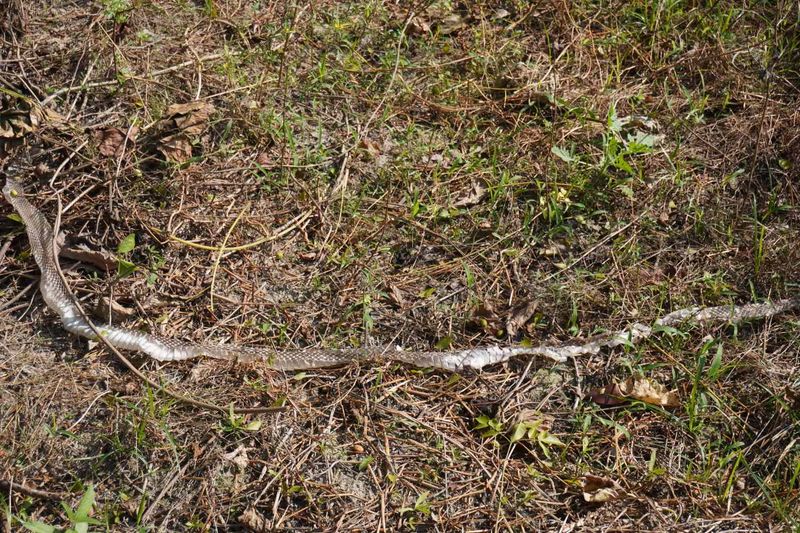
You almost never see the snake itself, only the things people say it leaves behind. A papery shed skin by the porch or a stacked woodpile by the fence can make you wonder who has been visiting.
Some of these signs tell you something, and others tell you much less than you might think. Knowing the difference helps you tidy up and work outdoors with calm, sensible care.
A shed skin shows past presence, not that a snake is still nearby
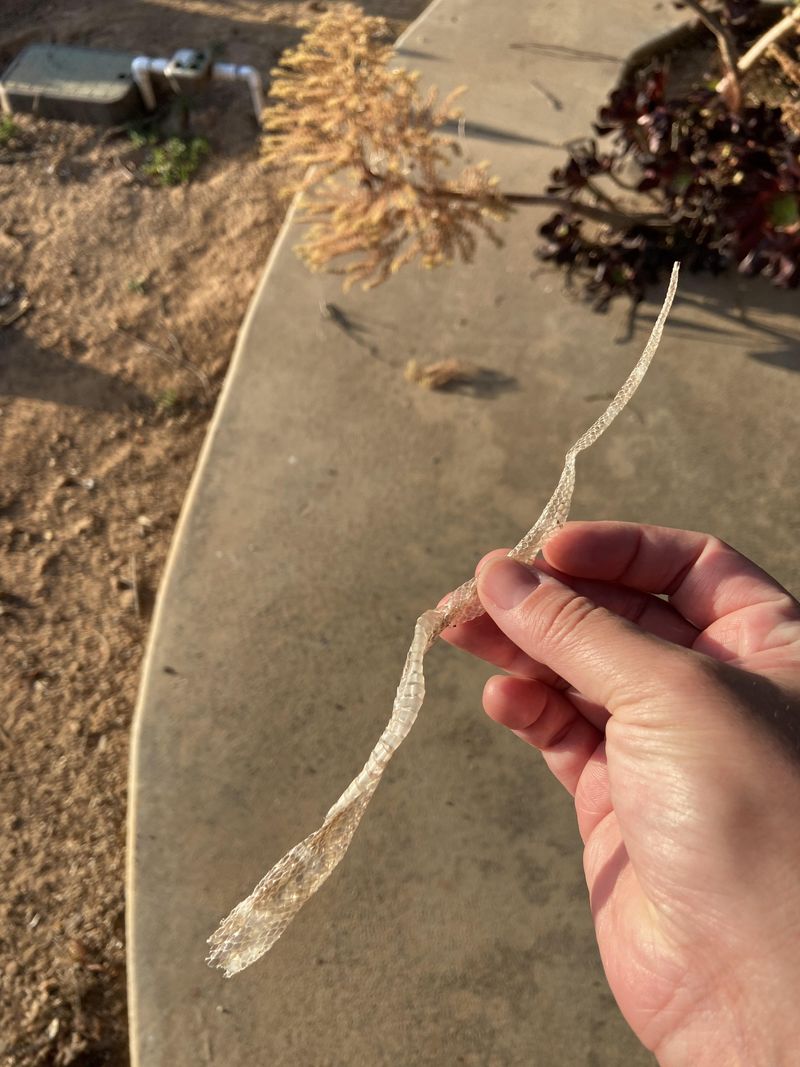
Found a crinkly, see-through tube of skin near your beds? That is a shed skin, and it is the clearest sign in this guide that a snake was in that spot at some point.
It cannot tell you when the snake passed through, whether it is still close, or whether it was dangerous. A snake sheds as it grows, then moves on.
Shed skins can keep scale patterns and some markings, and Texas Parks & Wildlife describes shedding and scale patterns as part of how snakes are identified. Still, those details can be hard to read correctly.
A peer-reviewed study of shed skins in Taiwan found that many markings are not retained on the skin.
So skip the guessing game. Do not use a shed skin alone to name the species or to decide whether the snake was venomous, because that call can take real expertise.
Wear gloves if you pick one up, or simply leave it, and treat it as a gentle reminder to look around before you reach into plantings.
Trails do not confirm activity, and woodpiles are potential shelter
Smooth trails in dirt or mulch get mentioned as snake signs, but the sources reviewed for this article do not establish them as a dependable way to confirm snake activity. Wind, water, a garden hose, and other animals can all leave similar marks.
A smooth line in the soil is a reason to look, not proof of anything.
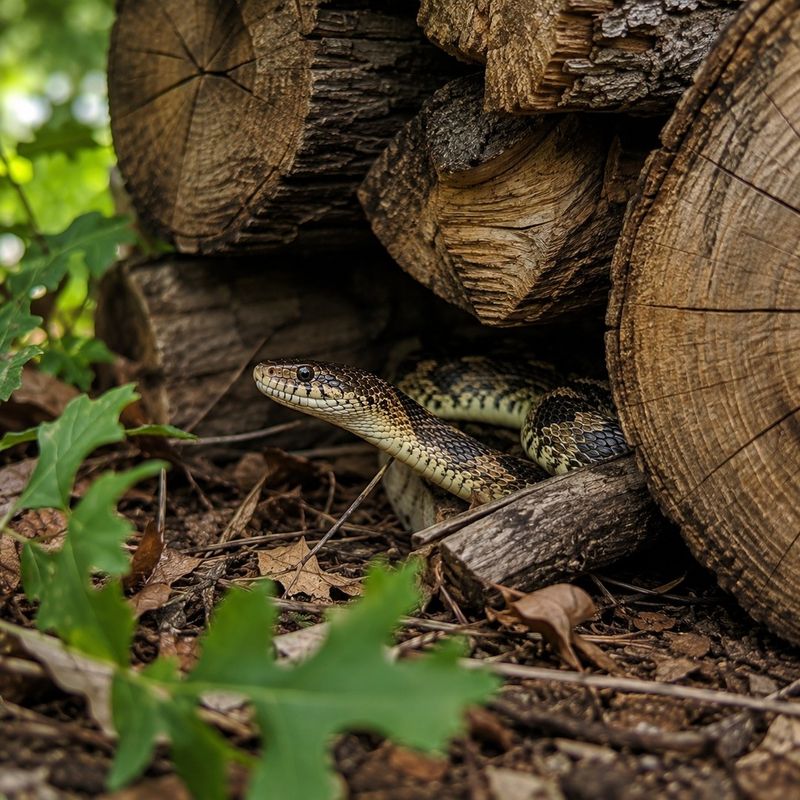
A quiet woodpile is not evidence of a snake either. Silence only means you cannot hear anything.
What a woodpile does offer is shelter, and UF/IFAS guidance on preventing snake encounters points to clutter and debris as places that give snakes and their prey a spot to hide.
Rodents like the same cover, and CDC wildlife guidance notes that rodents can attract snakes. So treat any pile, brush heap, or stack of boards as possible shelter.
Move slowly, look before you lift, and do not assume a snake is there or that it is not.
Fall activity varies by location and temperature
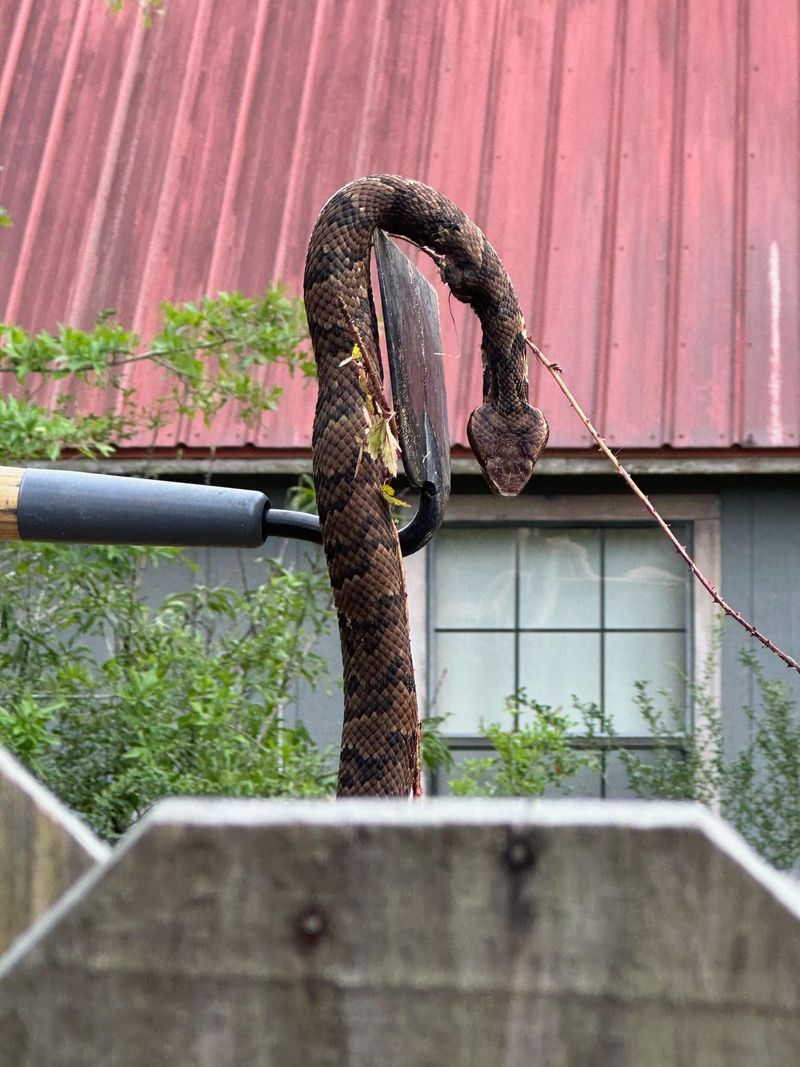
Fall does not mean the same thing everywhere. In Florida’s western Panhandle, a UF/IFAS Extension account from Escambia County reports that some local species breed in fall and may move around more openly.
That is a local observation about some species, not a rule for the whole state.
Texas works differently. Texas Parks & Wildlife explains that snake activity depends on temperature, and that snakes generally avoid extreme cold and extreme heat.
A mild day can bring them out, while a hard freeze or a scorching afternoon may keep them tucked away.
For you, that means weather and where you live matter more than the calendar. The species mix also differs from place to place, so check your state or county extension office or your state wildlife agency for local identification help.
Stay observant on warm, mild days, and avoid assuming a sudden fall surge.
Reduce cover and rodent attractants near the house
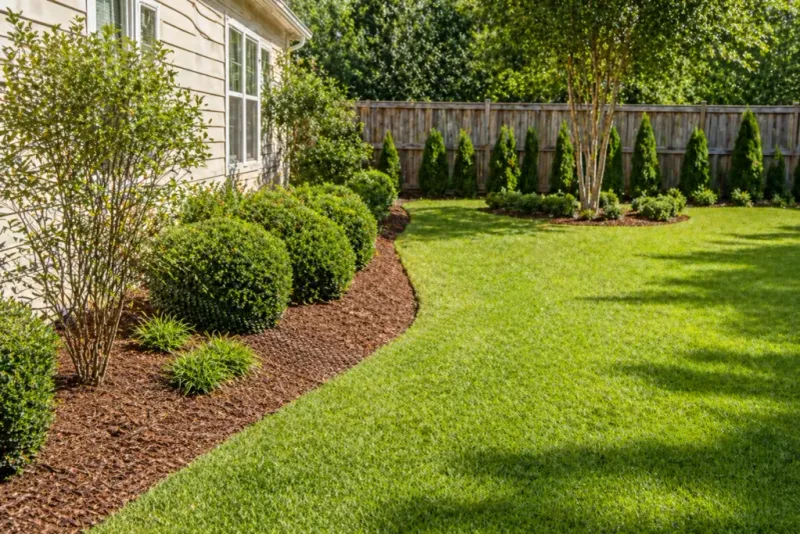
Start where people spend time. Keep grass and shrubs near the house trimmed, and clear clutter and debris from entryways and children’s play areas.
Fewer hiding spots can mean fewer surprise meetings, as described in the UF/IFAS prevention guide.
Firewood does best on a rack, off the ground, and set away from the house and play spaces. Brush and log piles can go too.
The CDC recommends preventing rodent infestations and removing brush or log piles, since rodents can draw snakes in. Secure trash and pet food, and fix gaps where mice can enter.
These steps can reduce hiding places and encounter chances, but they cannot make a yard snake-free. UF/IFAS also notes that fencing is costly, needs correct installation, and does not stop every snake.
Skip folk remedies. UF/IFAS says mothballs used outdoors to repel snakes are not an approved use and are illegal in Florida, and advertised snake repellents do not work.
Protect yourself when working around concealed cover
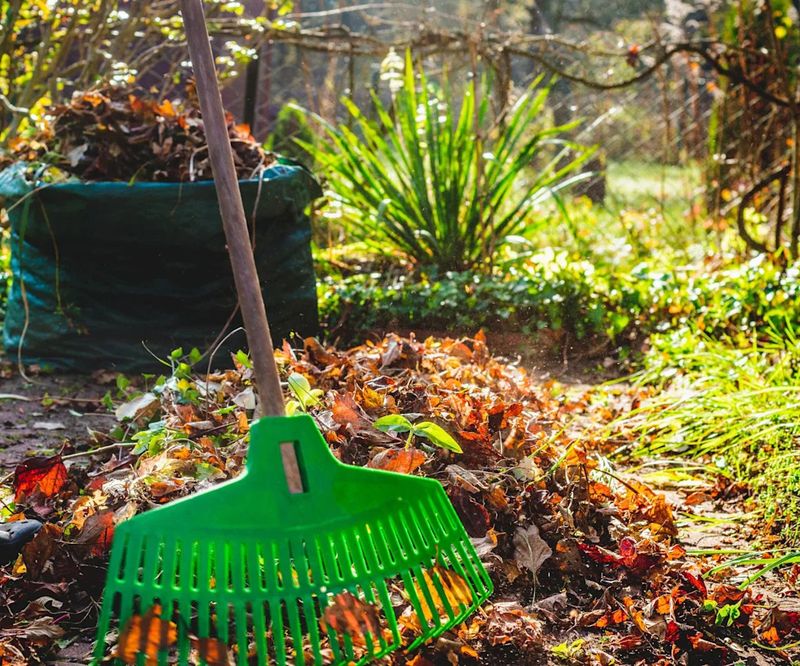
Most close calls happen when hands or feet go somewhere they cannot see. Before clearing brush, moving boards, or restacking logs, dress for the job.
UF/IFAS recommends thick boots and gloves when you work in places like these.
Then change how you move. Use a rake, hoe, or long stick to turn over debris and look first, instead of pulling things toward you.
Lift pieces away from your body, and do not reach blindly into a pile, a hollow log, or dense groundcover.
Watch where you step and where you set your hands, especially near logs and other hiding places, as CDC guidance on wildlife advises. Work in good light, and skip sandals and bare hands.
If you do find a snake, stop and step back calmly. Nothing in the pile is worth a bite.
Give a live snake space and call for help when needed
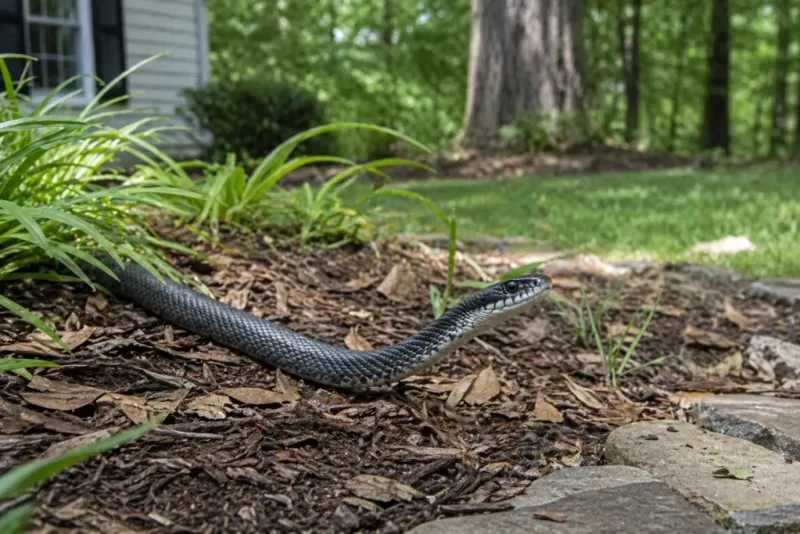
Seeing a live snake can be startling, but the best move is simple: back away and give it room to leave. Keep children and pets well away.
Do not try to catch, kill, or handle it, since CDC guidance says to leave snakes alone and not chase or kill them.
If a snake is inside your home, call animal control. If it may be venomous, contact a wildlife professional or animal control, and treat any snake you cannot identify as potentially dangerous.
UF/IFAS snake guidance offers more on what to do around snakes.
Do not move closer to figure out what it is. Venomous species differ by region, so use local resources, such as UF/IFAS on coexisting with venomous snakes for Florida, or Texas Parks & Wildlife for Texas.
A snake left alone usually just wants to be somewhere else.