
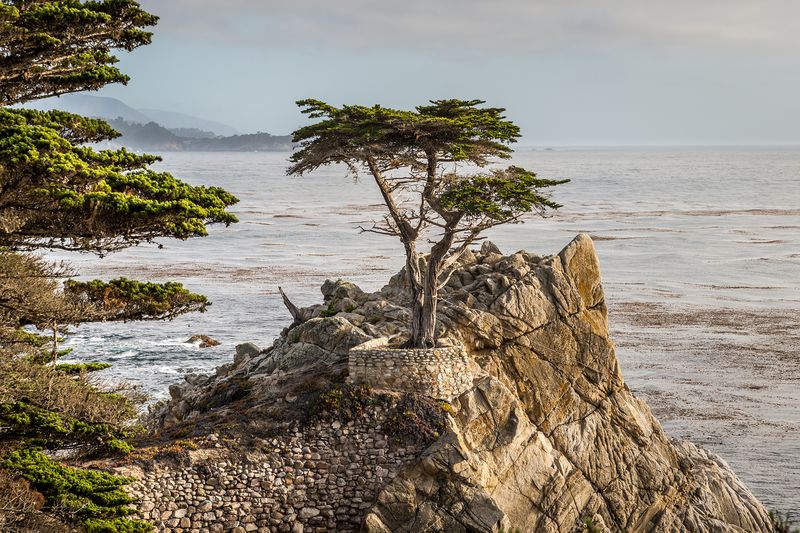
That big oak shading your backyard might be legally protected, even though it sits on your own property. Across California, many cities and counties require a permit before you prune, cut roots, or remove certain trees, and the penalties for skipping that step can reach thousands of dollars per tree.
Rules vary a lot from town to town, so a quick call to your local planning office is always the safest first move. Here are eight trees that most often trigger these rules, plus what you can do to keep your yard healthy and stay on the right side of the law.
1. Coast Live Oak
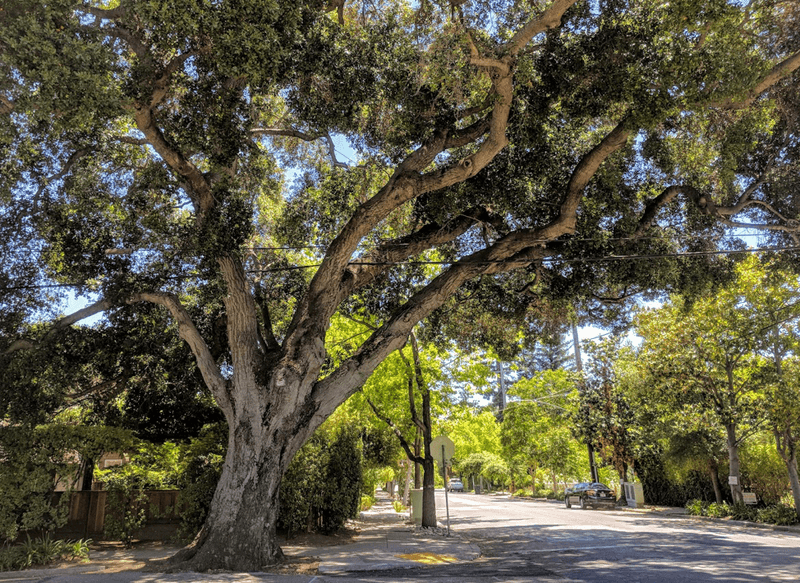
Picture a twisting, evergreen giant that has watched over the same hillside for 200 years. Coast live oaks are the poster child of California tree protection, and dozens of cities, including Los Angeles, San Jose, and much of the Bay Area, list them in local ordinances.
In many places, even trimming branches above a certain diameter or digging inside the root zone requires a permit. Fines in some jurisdictions can run from several hundred dollars to the replacement value of the tree, which may climb into five figures for a mature specimen.
Why so strict? A single oak can support hundreds of insect species, which in turn feed birds like oak titmice and acorn woodpeckers.
If your oak needs care, hire an ISA-certified arborist and ask them to handle the permit paperwork before any saw comes out.
2. Valley Oak
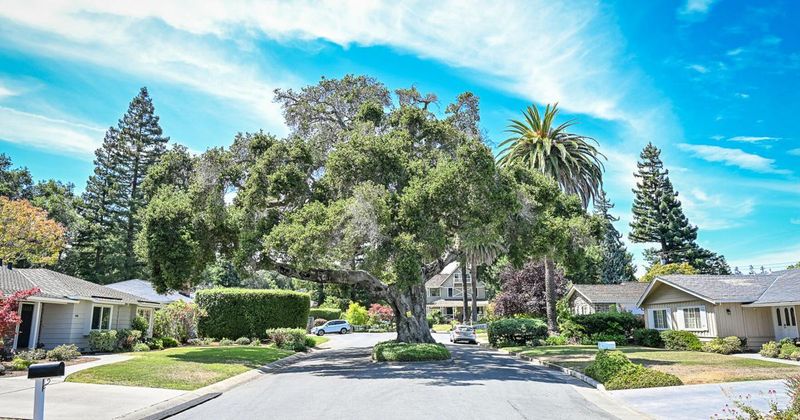
Valley oaks are the largest oaks in North America, and they grow almost nowhere else on Earth. Most of the old valley oak woodlands were cleared for farms and towns, so the survivors in suburban yards carry real weight.
Counties like Sacramento, Santa Barbara, and parts of Sonoma regulate them closely. Pruning more than a small percentage of the canopy, or trenching for a sprinkler line near the trunk, can count as damage under local rules.
A practical tip: skip summer watering near the trunk. Valley oaks evolved for dry summers, and wet soil around the base invites root rot, which could lead to a removal you never wanted.
3. California Sycamore
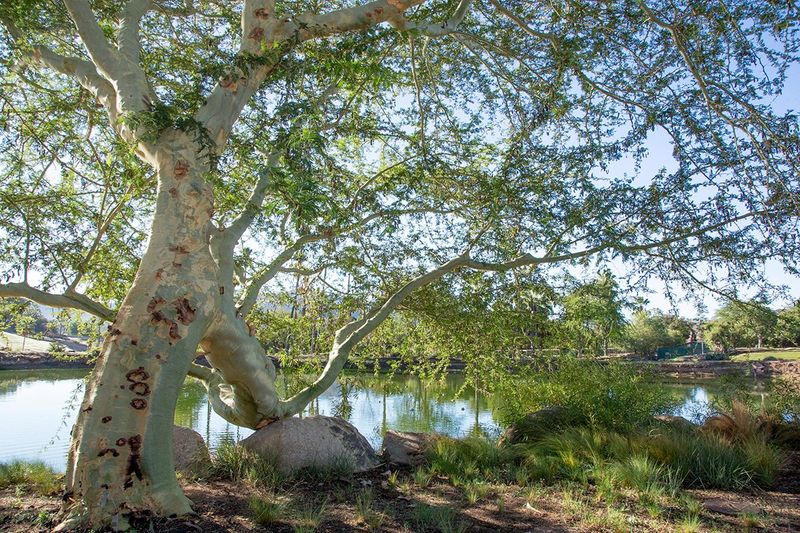
Ghostly white bark, peeling in patches like an old map, makes the California sycamore easy to spot. It often grows along creeks, and that streamside location is a big reason it gets legal protection.
Cities such as Thousand Oaks and Los Angeles include native sycamores in their protected tree lists. If your yard backs onto a creek, you might also face state rules under the Department of Fish and Wildlife for work near the waterway.
Sycamores shelter nesting hawks and orioles, so timing matters too. Pruning during spring nesting season may also run into federal migratory bird protections, which is one more reason to plan work for late fall or winter.
4. Coast Redwood
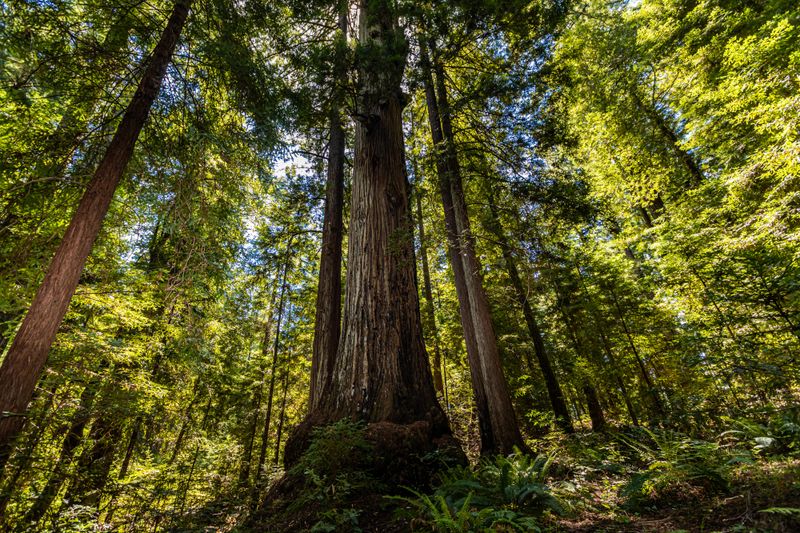
Plenty of Bay Area homeowners inherited redwoods planted by a previous owner who had no idea how big they would get. Now those trees tower over roofs, and the urge to top them is strong.
Resist it. Cities like Palo Alto, Los Altos, and San Francisco often protect redwoods once they pass a certain trunk size, and topping is commonly treated as severe damage.
Penalties can include fines plus a requirement to plant replacement trees.
Redwoods drink a lot of water, so drought stress shows up fast as browning inner needles. A deep, slow soak once a month during dry summers may do more good than any pruning job.
5. Blue Oak
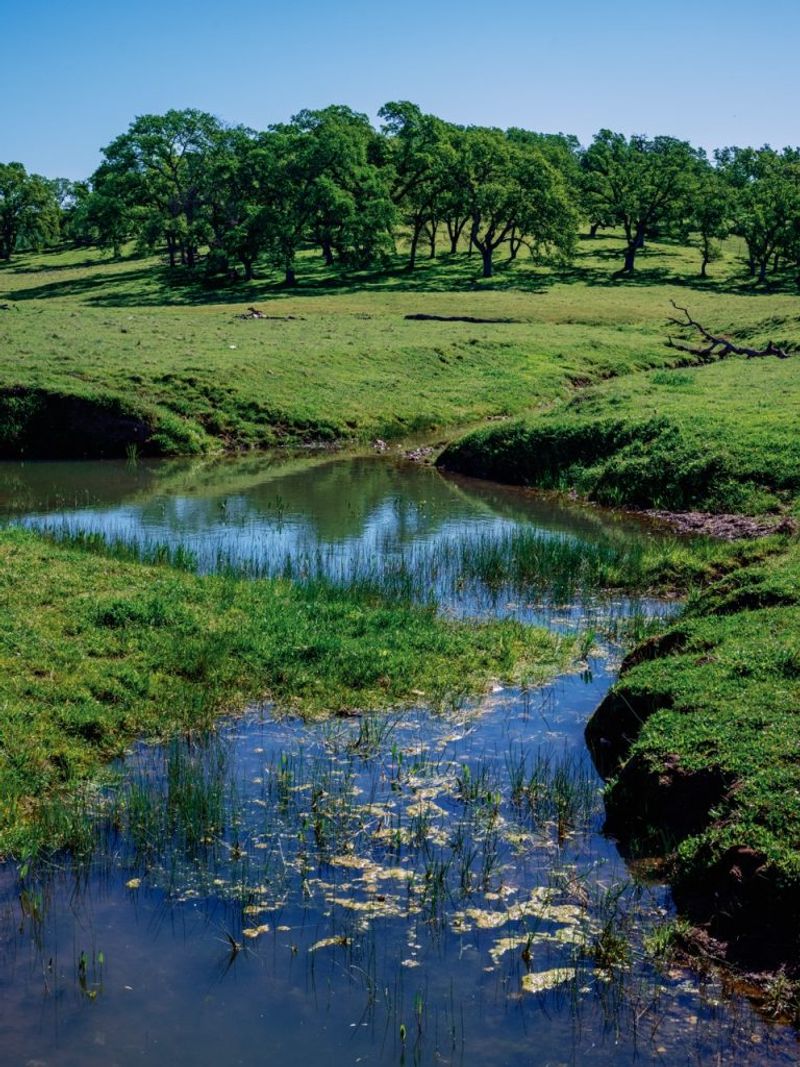
Tough, slow, and quietly stubborn, the blue oak can take a century to reach a modest size. Its leaves have a dusty blue tint that helps it survive scorching foothill summers.
Foothill counties and cities like Folsom, Roseville, and parts of the Sierra foothills often include blue oaks in their oak protection rules. Because they grow so slowly, replacement costs and mitigation fees tend to be high when one is damaged.
Fire-zone homeowners face a tricky balance here. Defensible space rules may require limbing up lower branches, so check with both your fire district and planning office, since many areas allow fire-safety pruning with simple approval.
6. Monterey Cypress
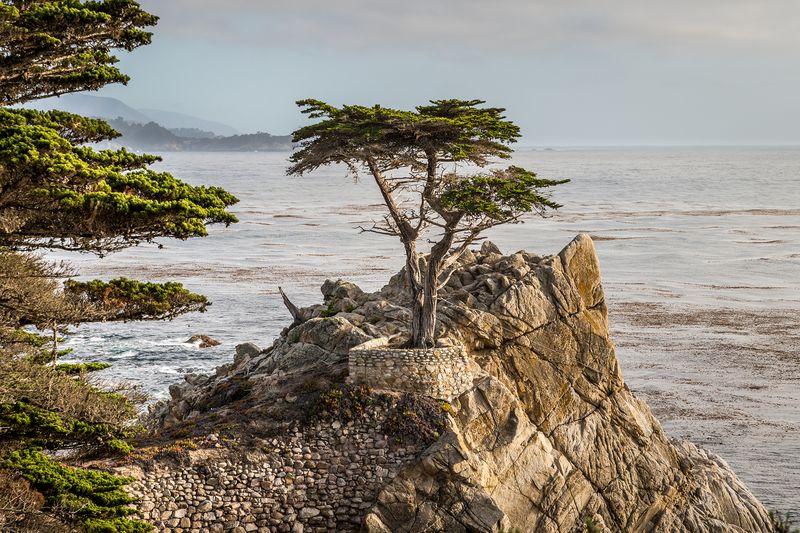
Wind-shaped and dramatic, the Monterey cypress is practically a symbol of the Central Coast. Native stands exist only in two small groves near Carmel, which makes them rare in the wild.
Monterey County, Carmel-by-the-Sea, and Pacific Grove regulate tree work heavily, and Carmel is famous for requiring permits for almost any significant cut. Unpermitted removal there can bring steep penalties.
If your cypress drops dead branches, document it with photos before calling for help. Showing a safety hazard often speeds up an emergency permit.
7. California Black Walnut
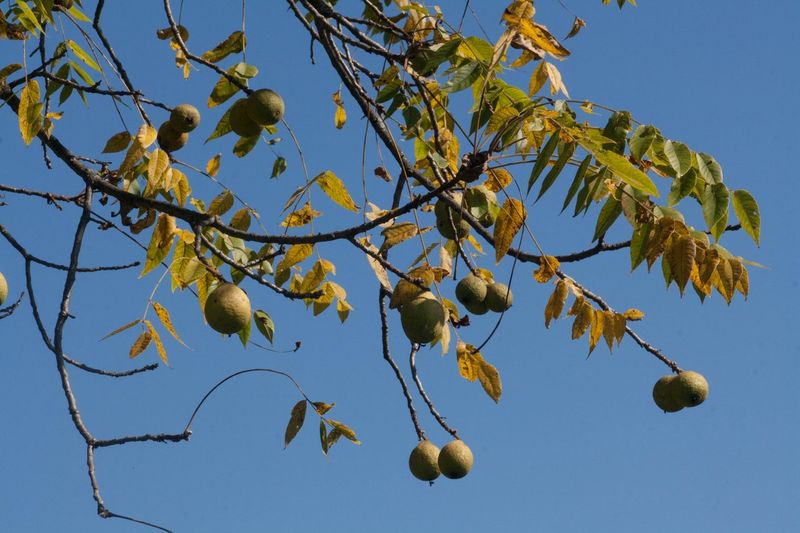
Here is one most people overlook. The Southern California black walnut looks like a scruffy shrub-tree on dry slopes, and many folks assume it is a weed.
It is actually a sensitive native species, and Los Angeles County and several cities, such as Diamond Bar and Walnut, protect it. Clearing a slope for a new patio could mean cutting one without realizing it.
Before grading or brush clearing, have someone identify what is growing. Those walnuts also feed squirrels and birds, so a protected tree can double as free wildlife habitat.
8. Western Sycamore and Heritage Street Trees
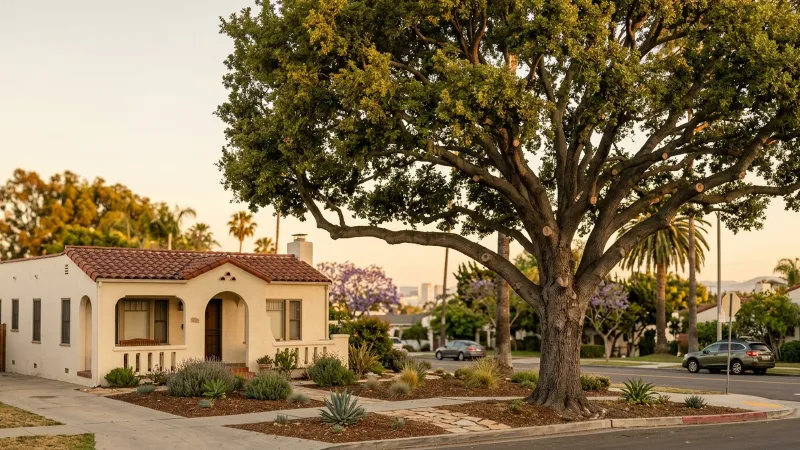
Not every protected tree is native. Many cities designate heritage or landmark trees based on size, age, or history, and a big jacaranda or old pepper tree can qualify.
Trees in the parkway strip between sidewalk and street usually belong to the city, even if you water them. Trimming them yourself can lead to fines in places like Los Angeles, Pasadena, and Santa Monica.
The easy fix: look up your city tree map online or call public works. Many cities will prune parkway trees for free, saving you money and a possible penalty.