
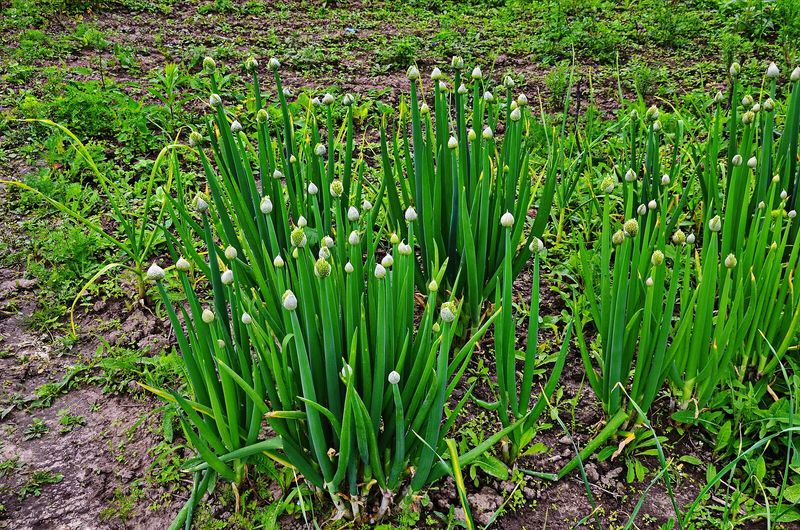
Snip a handful of scallions for dinner, and the plant in your bed may send up fresh green blades again. That small bit of regrowth can stretch a winter garden, but it does not always keep going for months.
The type of onion, your local weather, and how you cut all make a difference. Here is a realistic plan for Texas and Florida gardeners who want green onions through the cool season.
Which green onions are suited to repeat cutting?
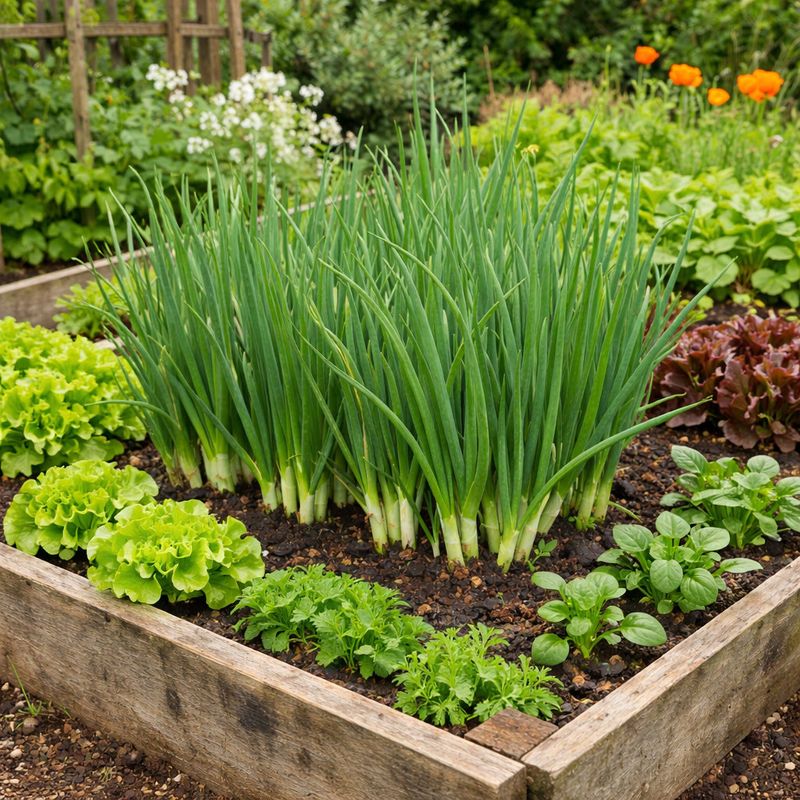
Plant identity comes first. Bunching onions, also called Welsh onions or Japanese bunching onions (Allium fistulosum), grow as perennial clumps and multiply over time.
That habit is what makes repeat cutting possible.
Many green onions at the grocery store are a different story. UC Cooperative Extension explains that these are often young bulbing onions (Allium cepa) pulled before a bulb forms, and they are usually harvested whole.
So the label on the bunch matters less than the plant underneath. If you buy seed or transplants, look for the words bunching onion, Welsh onion, or Allium fistulosum.
A store-bought scallion might regrow a little, but you cannot count on every one behaving like a true clumping bunching onion.
Preserve the rooted base when you harvest
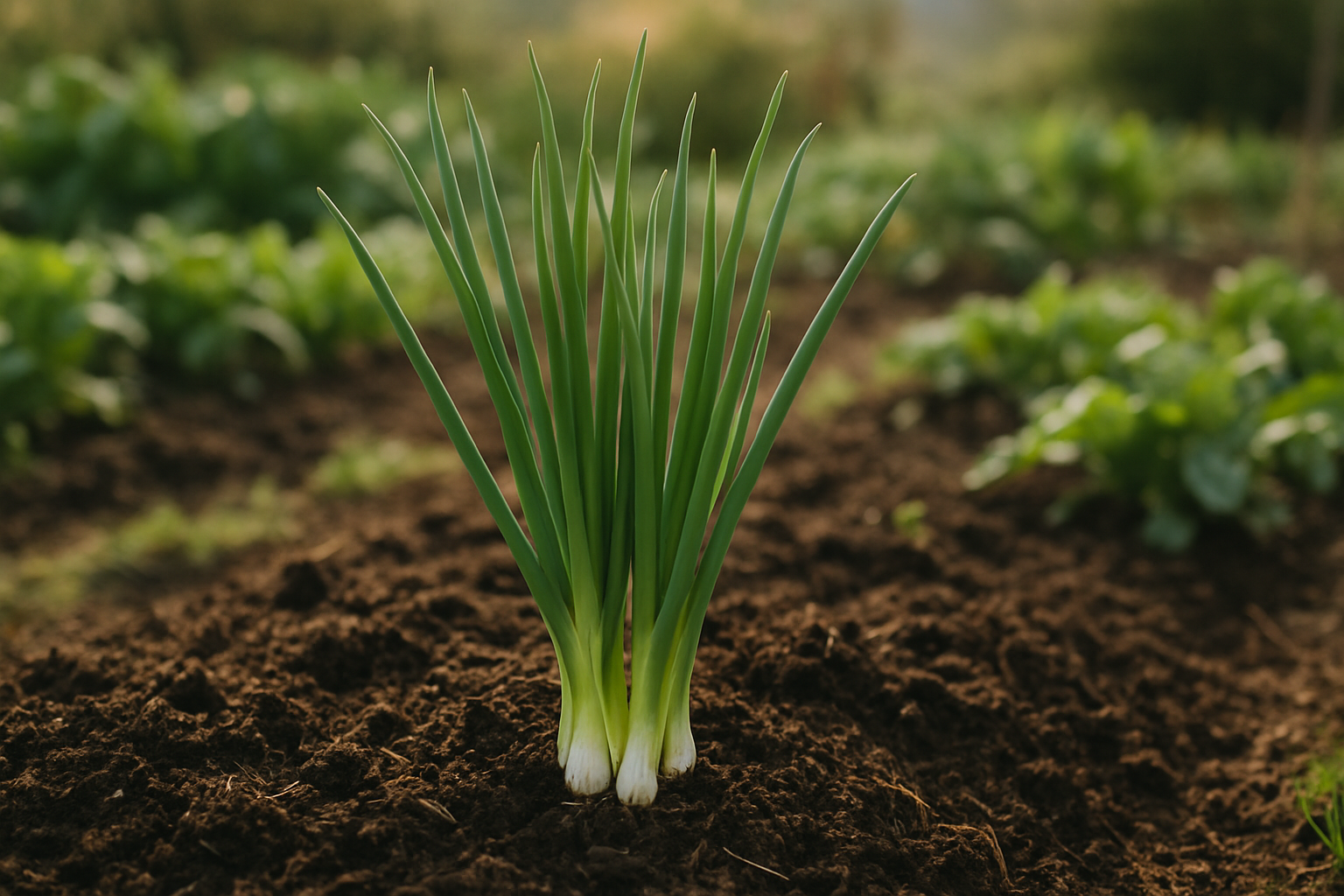
Cut the tops and leave the roots and base in the ground. UC Master Gardener guidance says you can cut the tops while leaving the bulbs, but you should keep part of the clump so it can keep growing and multiplying.
A simple habit helps: harvest from the outer stalks of a clump and leave the center and several stalks standing. Use sharp scissors, and cut cleanly rather than yanking.
You may have seen the advice to cut one inch above the white. No source we reviewed tested that height for repeated harvests in an outdoor bed.
Treat it as a rough habit, not a rule, and focus on keeping the roots and some of the clump.
Also, do not mix this up with Texas A&M advice to leave two to three inches above the root end. That tip is about trimming harvested onions for storage or freezing, not cutting a living plant.
Follow a local Texas or Florida planting calendar
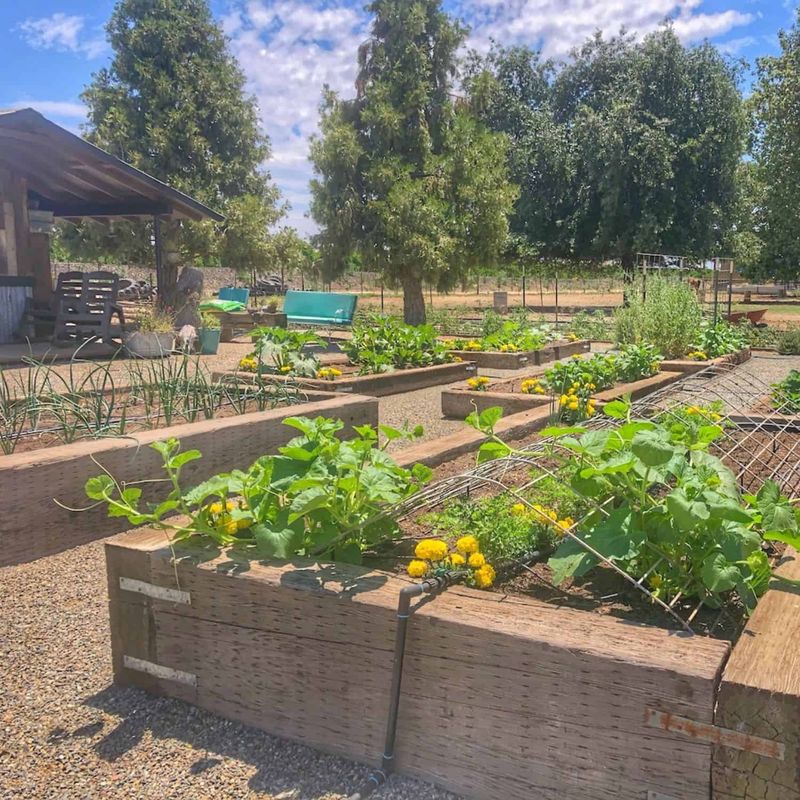
Winter is a good time for scallions in the South, but the dates shift with location. For a Texas example, Texas A&M lists Central Texas fall planting in August through October, with harvest in October through December.
Texas covers several gardening regions with very different winter lows, so a Central Texas schedule will not fit the Panhandle or the Rio Grande Valley. Check the AgriLife fall vegetable guide for your area.
Florida works the same way. The UF/IFAS vegetable gardening guide gives separate windows for North, Central, and South Florida.
Call or visit your county Extension office and plant by its calendar. A good window means you can grow scallions, but it does not promise a set number of regrowth cycles.
Keep the shallow-rooted plants evenly moist
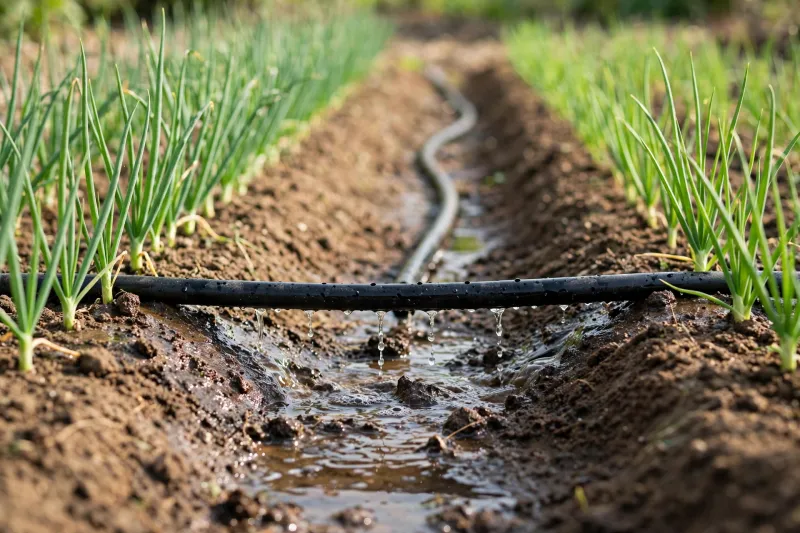
Onion roots stay close to the surface, so they dry out fast. UC Cooperative Extension advises even moisture, and for bunching onions the soil should feel damp but never soggy.
A quick finger test works well. Push a finger an inch into the soil near the plants.
If it is dry, water slowly and deeply. If it is muddy, wait.
A thin layer of mulch, such as shredded leaves or straw, can help hold moisture between waterings. Keep it loose so air still reaches the base of the stalks.
Good watering helps plants grow back well after a cut, but it cannot guarantee repeated harvests. Cold snaps, shorter days, and warming spring weather all slow or end growth no matter how carefully you water.
Plan succession plantings for a steadier supply
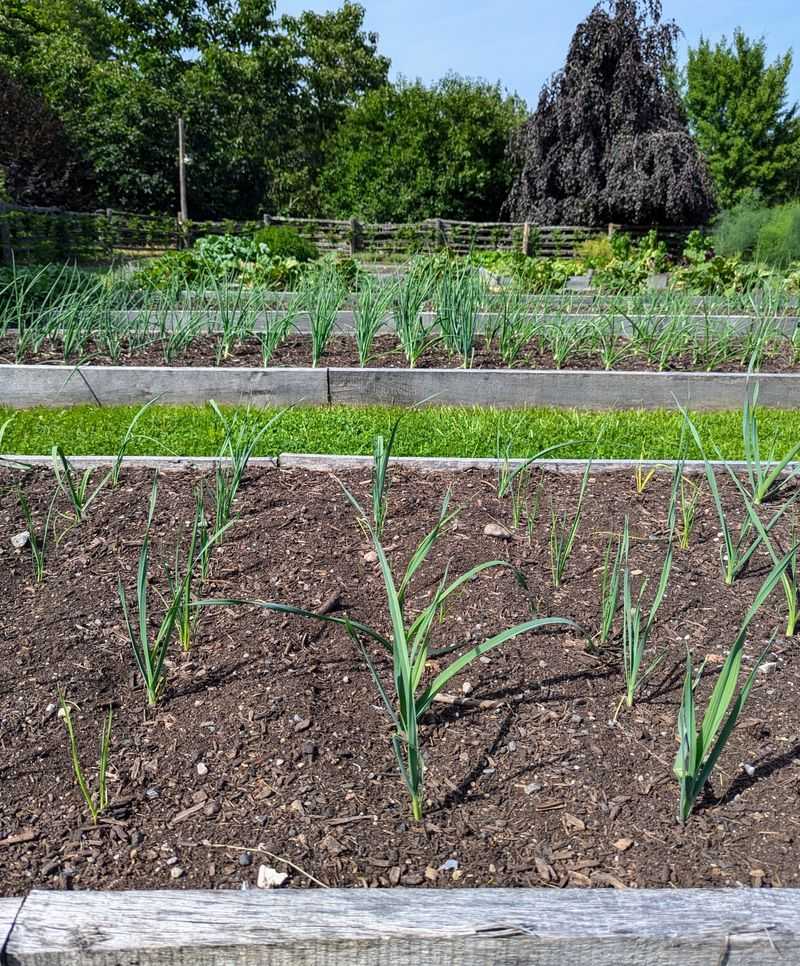
Regrowth is real, but it is not proof of a steady winter supply. An Illinois Extension demonstration reported weeks of regrowth after grocery-store green onions were cut, soaked, and planted in soil.
That shows regrowth can happen. It does not show months of outdoor harvests, and it does not apply to every variety.
For a more dependable supply, plant small patches on a rhythm. UC Cooperative Extension recommends starting a new patch every three to four weeks.
A practical setup is one short row each time, marked with a stake and the date. While one patch rests after cutting, another is ready to pick.
Plan for spring, too. Fall-planted scallions may last through winter but bolt as the weather warms, and bolting can end the tender-leaf harvest.
Treat regrowth as a possibility, not a promise
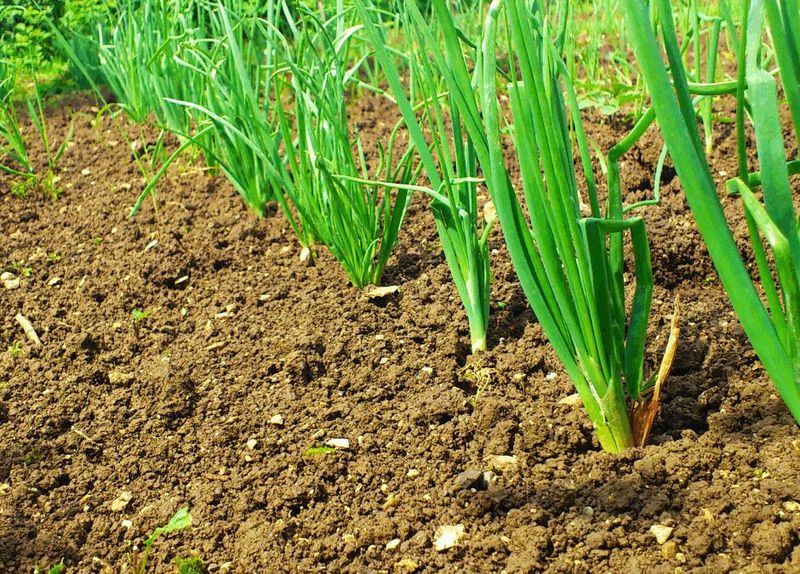
Start with true bunching onions, cut the tops while leaving the rooted base and part of the clump, and plant by your local cool-season calendar. Add a small new patch every few weeks if you want greens all season.
The one-inch cut is not a proven rule. A clump that keeps coming back is a bonus, and a few planted patches are your backup.