
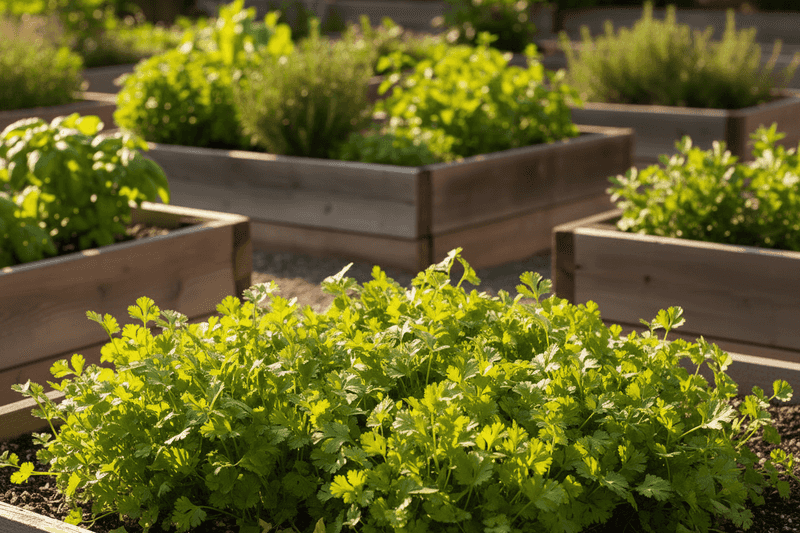
Cilantro loves cool weather, and that is why Texas and Florida gardeners get such a short window to enjoy its leaves. When warm days arrive, the plant moves toward flowers and seed, and the tender leaf harvest can wind down.
You may have heard that one warm week is all it takes, but nobody has pinned down a timeline like that. Here is how to plan around bolting so you have a better shot at fresh leaves all season.
Warm conditions can speed flowering, but there is no one-week clock
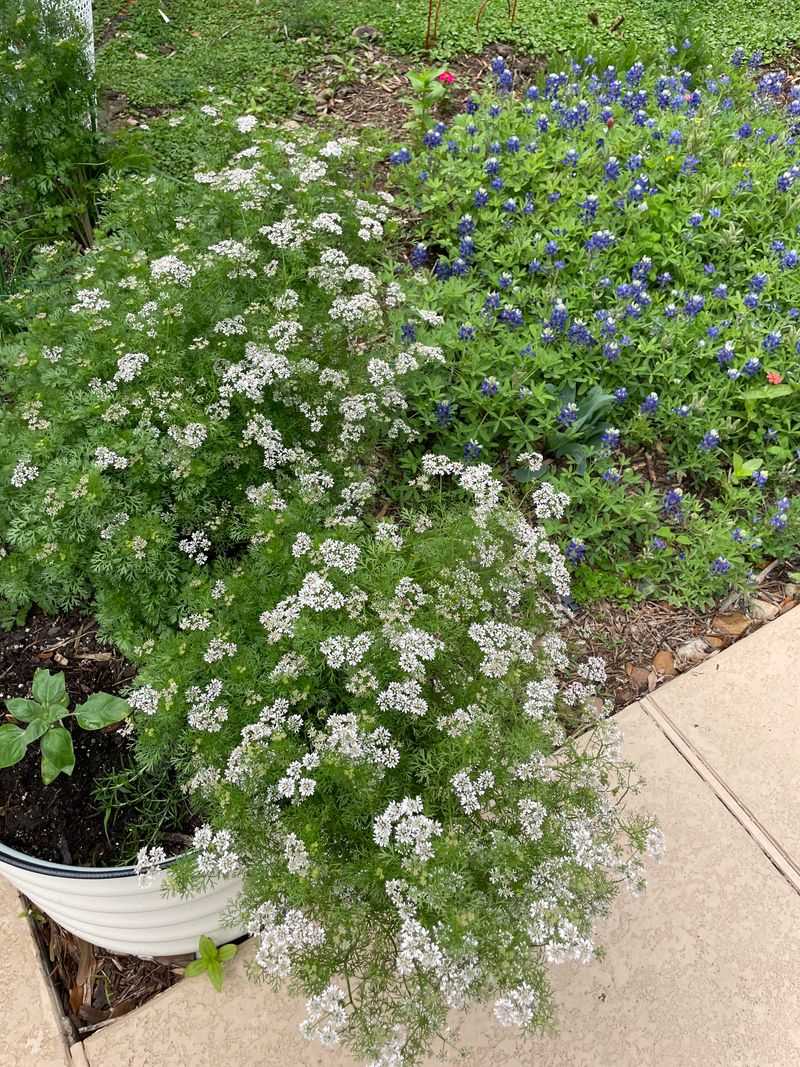
Cilantro is a cool-season crop, so heat shortens the time you get to pick leafy growth. A Texas A&M home-gardening publication says cilantro grows best between 50 and 85 degrees F and may start bolting above 85.
That number is that publication’s guidance, not a universal cutoff built into every plant.
Temperature is only part of the story. Oregon State Extension explains that both temperature and day length influence flowering.
As days stretch out in late winter and spring, a plant can head toward seed even when the weather feels mild.
Bolting simply means the plant is flowering and making seed. No source shows that a single warm week flips that switch on schedule, so a sudden warm spell is not the only suspect when a plant bolts.
Succession sowing, which means planting small batches at different times, staggers plant ages. It will not stop any one plant from changing stages, but it gives you younger plants coming along behind the older ones.
Choose a planting window for your part of Texas or Florida
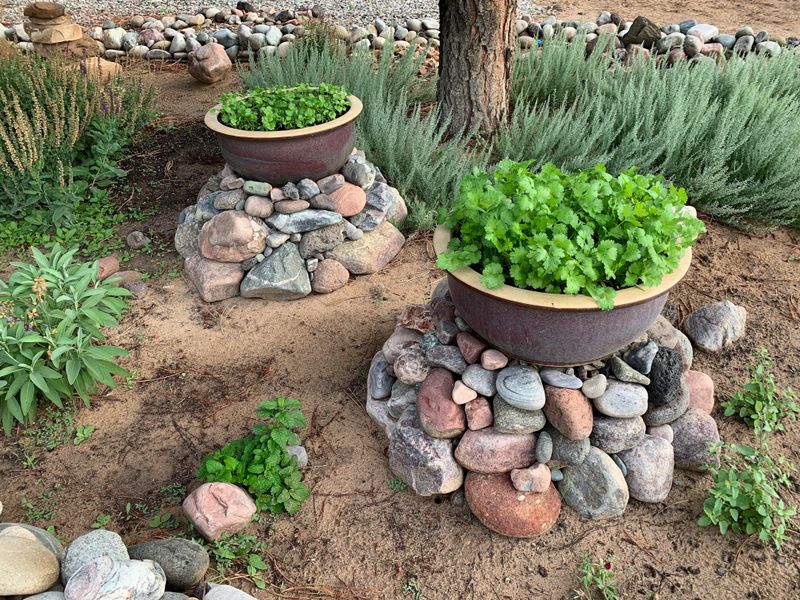
Neither state has one climate, so think of planting dates as a starting frame and adjust to your local weather. For Texas, Texas A&M’s cilantro fact sheet suggests sowing in January or February for a spring crop and in September for a fall crop.
Those are broad recommendations, so gardeners in the Panhandle, the Hill Country, and the Gulf Coast will land on different dates.
Florida readers should lean on regional timing. The UF/IFAS vegetable gardening guide breaks planting dates out for North, Central, and South Florida, so check the column for your area.
UF/IFAS materials such as its December herb guide and its Florida herbs publication treat cilantro as a cool-season, winter herb.
The practical goal is to sow when your local weather is cool and settled enough for leafy growth, rather than chasing a fixed calendar date.
Direct-sow each batch where it will grow
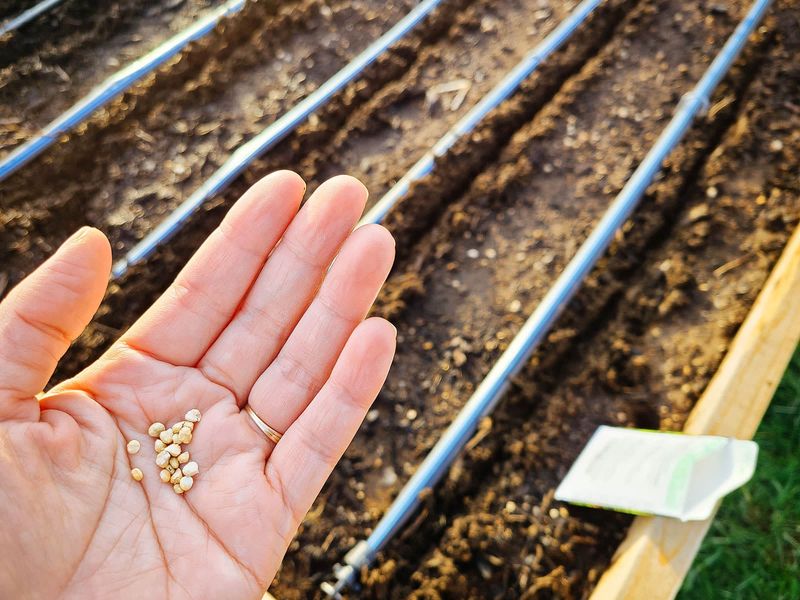
Cilantro builds a long taproot, which is why it tends to sulk when moved. University of Wisconsin Horticulture recommends sowing where the plants will grow and spacing out successive sowings for a longer leaf harvest.
Skip the seed trays and scatter seed right in the bed or a roomy container. Texas A&M gives a seed depth of about 1/4 to 1/2 inch, so cover the seed lightly instead of burying it.
Small batches work best. Seeding a short row or a single pot at a time leaves open space for the next round, and it keeps you from having a whole bed of same-aged plants that all age together.
Mark each sowing date with a plant tag or a note on your phone. That simple record makes it easier to see how long each batch took to reach harvest in your own yard.
Repeat sowings to stagger plant ages, not to guarantee a steady harvest
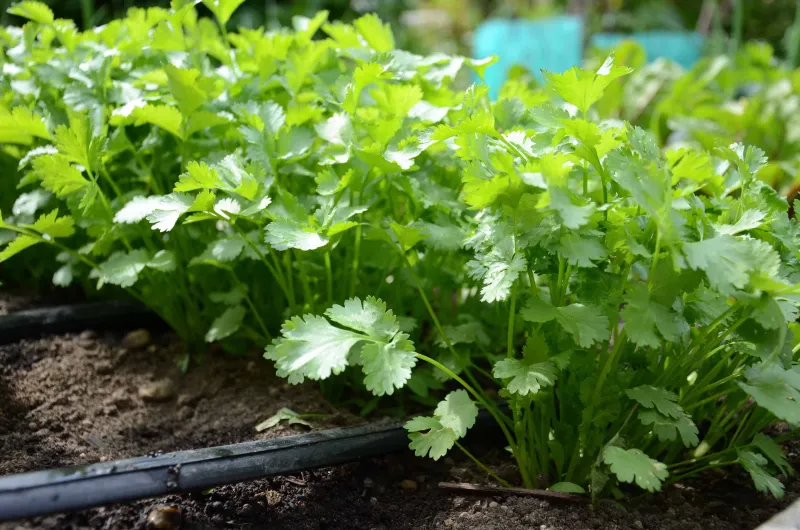
How often should you sow again? Extension advice gives a range.
Texas A&M suggests weekly plantings, Wisconsin Extension suggests every two to three weeks, and Oregon State says every few weeks.
Treat those as flexible examples. A two-week rhythm is a reasonable middle ground to try, and you can tighten it if your family uses a lot of cilantro or loosen it if you have little space.
Each new sowing gives you younger plants as the older ones age. That improves the odds that something leafy is ready when an older batch starts to flower.
It does not stop any older plant from bolting, and it cannot promise an unbroken supply of leaves. Heat, day length, and the timing in your region all shape how well the overlap works, so expect a few thin weeks and plan around them.
Harvest leaves while each batch is still leafy
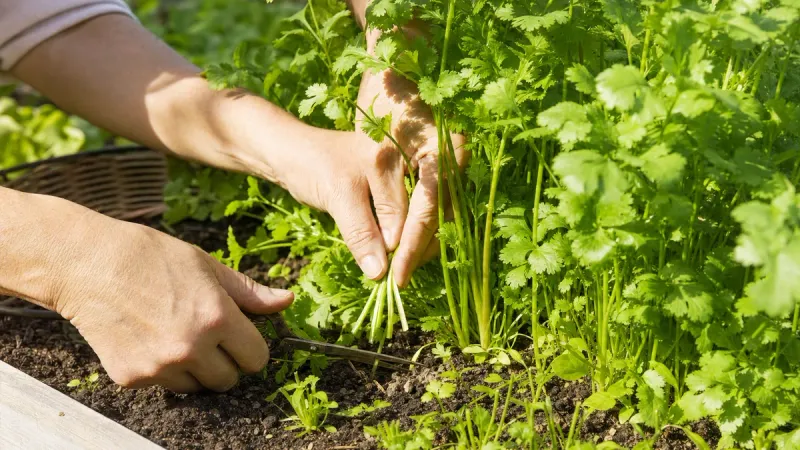
Pick early and pick often while a batch is still leafy. Texas A&M gives 45 to 70 days after seeding as a harvest window and suggests cutting the exterior leaves.
Use that as a reference point, not a promise, because your own weather can speed things up or slow them down.
Wisconsin Extension notes that leaves can be harvested before bolting, with timing that varies by conditions. That is a good reason to start snipping as soon as a plant has enough growth to spare a few outer leaves.
Check your oldest batch first each time you head out. If the center starts stretching upward, shift your picking toward the younger batch and let the older one wind down.
This is where staggered sowing pays off, because younger plants can take over the leaf picking while older ones age.
Let a bolting plant flower or set coriander seed
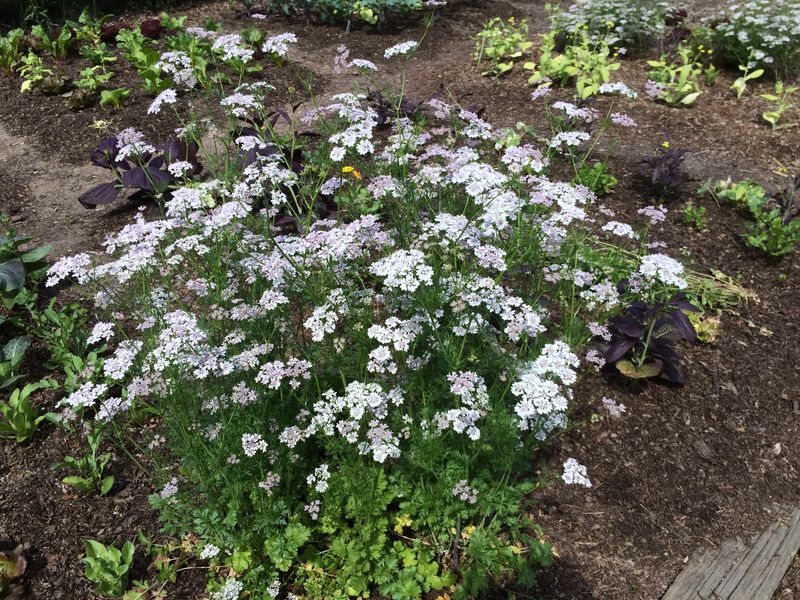
Once a plant sends up a flower stalk, it is shifting toward seed. That ends the best leafy stage, but it is a normal part of the plant’s life, not a failure on your part.
The seeds are coriander, and Oregon State Extension notes that the flowers can attract beneficial insects.
If you have room, leave one bolting plant standing. You can collect the coriander for cooking or save seed for a later sowing, and the blooms give pollinators something to visit.
Slow-bolting varieties are worth a try, but they are not heat-proof. Wisconsin Extension cautions that even slower-bolting types do not hold well under high temperatures and long days.
The routine stays simple: sow in your local cool-season window, repeat at an interval that suits you, and cut leaves while plants are leafy. Some weeks will be lush and others lean, and the flowers are a fair consolation prize.