
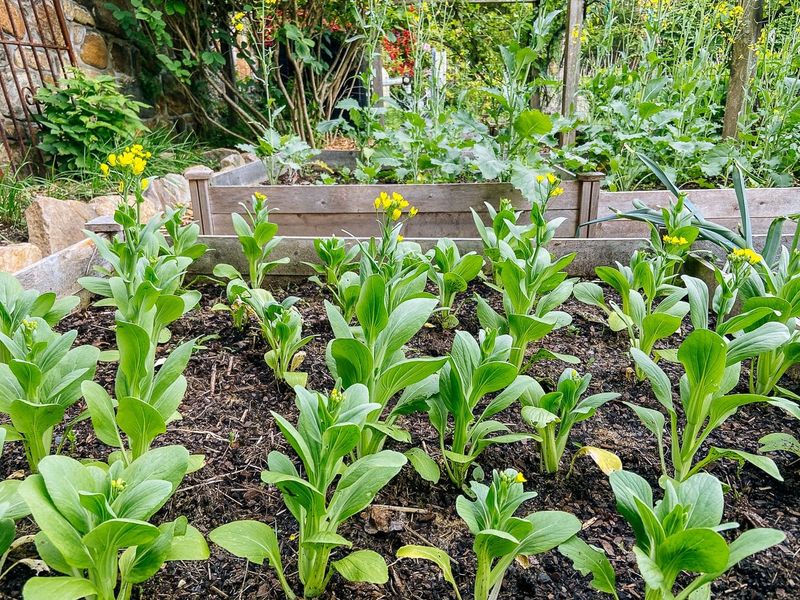
You walk out to the winter bed and the bok choy has a tall center stalk poking up through the leaves. That change can feel like a small emergency, and it helps to know what it means.
Bok choy is bolting, which means it is making flowers instead of more leaves. A quick harvest will not undo it, but it can still put good food on your table.
A rising flower stalk signals that bok choy is bolting
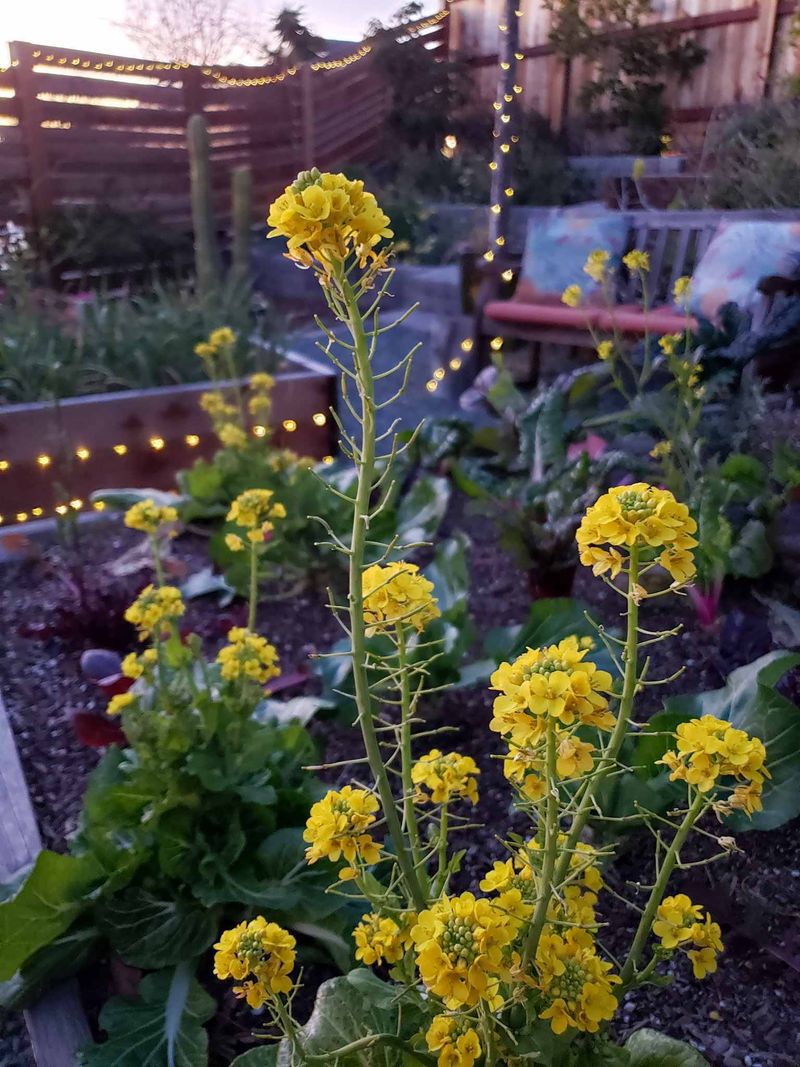
Bolting simply means the plant is producing a flower stalk. On bok choy, you will see a thick stem push up from the center of the rosette, often topped with tight green buds that later open into small yellow flowers.
Once that shift starts, the plant puts its energy into flowering. Leaf growth slows, and the harvest can get tougher or more bitter over time, according to University of Minnesota Extension guidance on bok choy.
A bolting plant is not ruined or unsafe. It is just on a clock.
Picking promptly, before the flowers open, is the practical way to salvage usable food from the bed, even though it will not turn the plant back into a leafy one.
Cold followed by warming can contribute to bolting
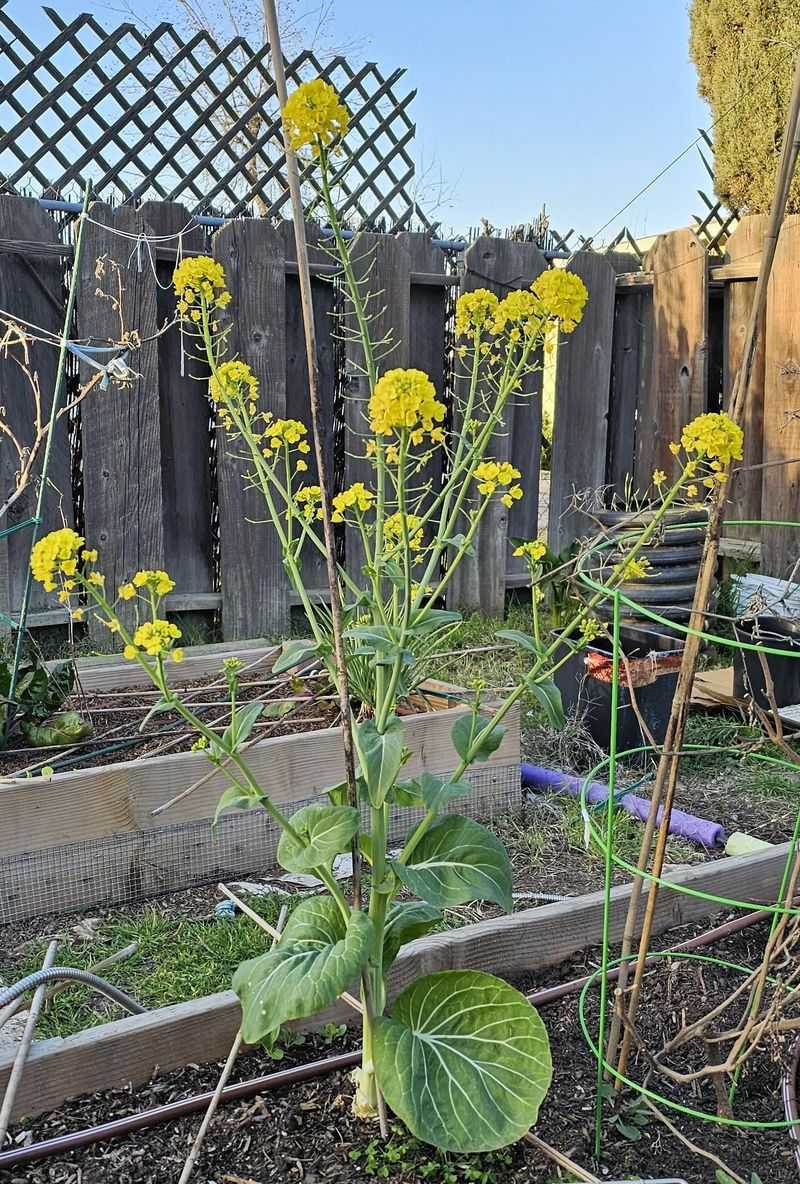
Gardeners often notice a stalk right after the weather swings from chilly to mild, and the timing makes the warm spell look guilty. The picture is more layered than that.
Rutgers guidance on bok choy links prolonged cold exposure with bolting.
Minnesota Extension adds that bok choy may bolt when warm weather returns after a late frost or a run of cold nights. So a stretch of cold followed by warming can be one contributor, not a rule that fits every plant.
Other things matter too. UF/IFAS notes that warmth and longer days can push cool-season greens to flower.
Variety plays a part as well, so two plants in the same bed may react differently. Treat the stalk as a sign to harvest, not as proof of one mistake.
Harvest outer leaves, then cut the plant before flowers open
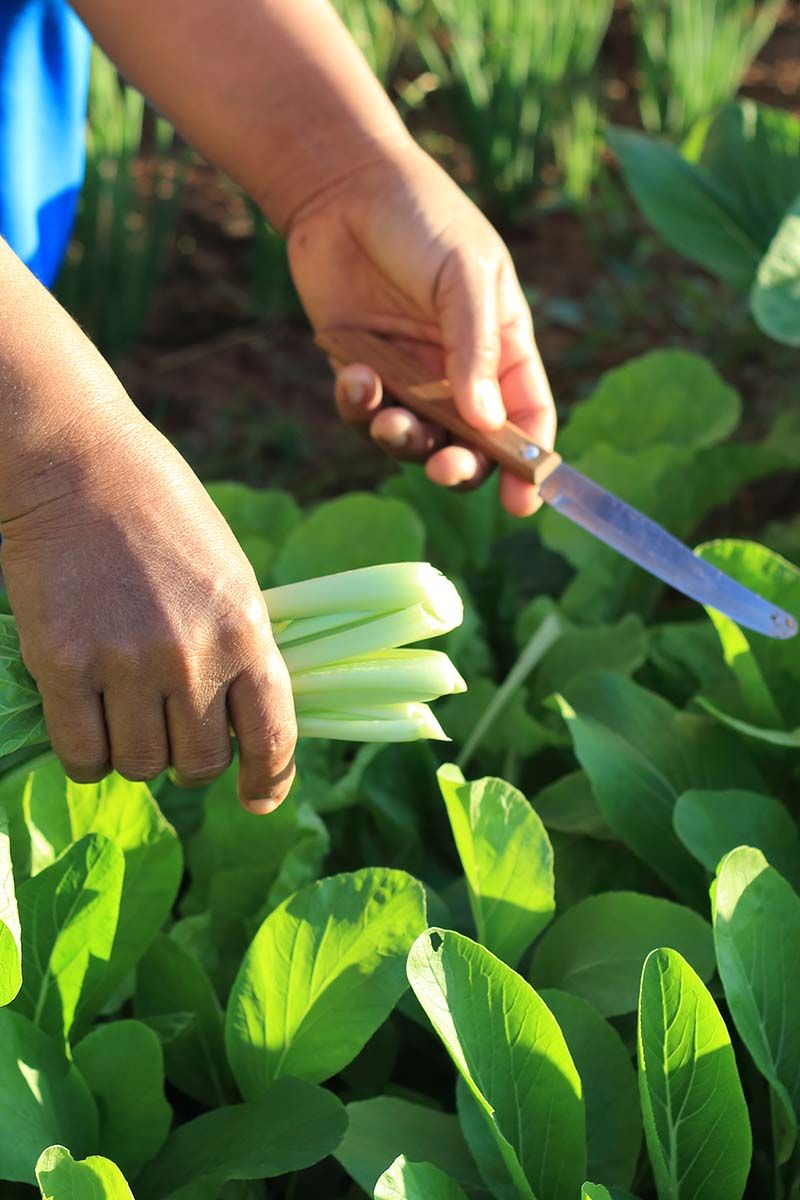
Before any stalk shows, harvest leaf by leaf. Take the oldest, largest outer leaves and leave the younger growth in the center, as Minnesota Extension describes.
You can also cut the whole head once it reaches a useful size while the older leaves are still tender.
When a stalk starts rising, switch plans. Cut the whole plant at the base before the flowers open, rinse it, and use it that day or refrigerate it.
Think of this as rescuing dinner rather than rescuing the plant. Harvesting does not stop the flowering process, and the leaves left behind may not keep growing.
Check any plants you leave standing every day or two, because a stalk can lengthen fast in mild weather.
The flower stalk may still be edible
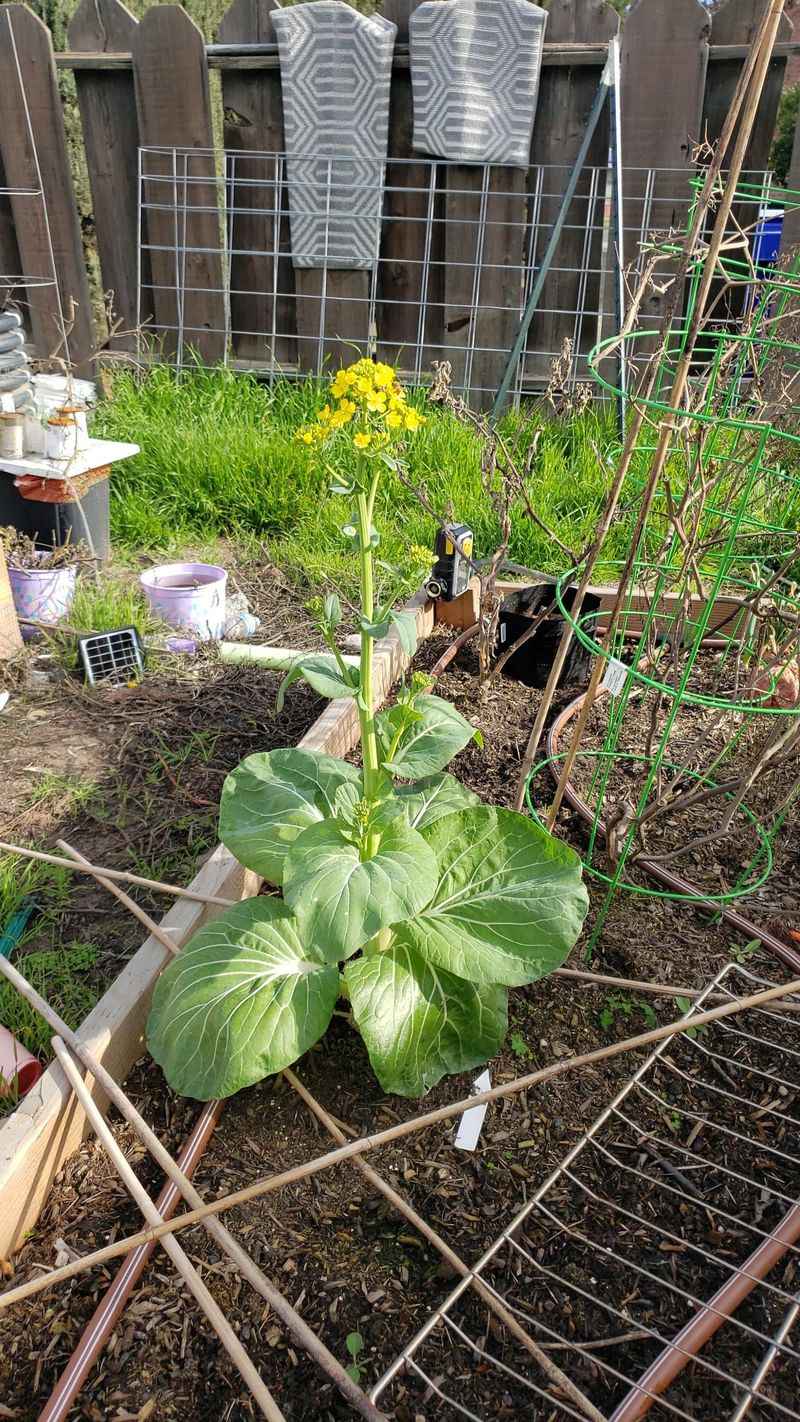
Many gardeners toss a bolting plant without tasting it. You may not need to.
The flower stalk of bok choy can be used much like broccoli, and the stalk and buds can go into a stir-fry or a quick sauté.
Quality does slide as the plant bolts, so take a moment to assess what you have. Snap a piece of stalk and taste a leaf.
Tender, mild pieces are worth cooking. Tough, stringy, or sharply bitter parts can go to the compost.
Cut sooner rather than later, since buds that have opened into flowers are past their best. Keep expectations modest, too.
Removing the stalk will not bring back normal leaf growth or stretch the crop, so use what you cut as a bonus harvest.
Keep moisture steady for better crop quality
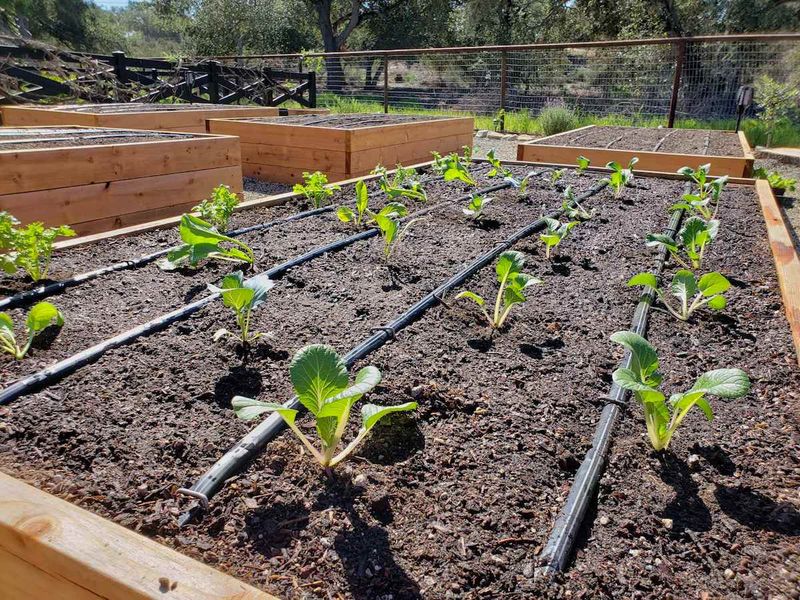
Even moisture is good crop care. Rutgers recommends a steady water supply for bok choy, and Minnesota Extension says uneven watering can hurt quality and make leaves more bitter.
In a Texas bed that dries out between cold fronts, or a sandy Florida bed that drains fast, a check with your finger an inch down can tell you when to water. Mulch helps hold moisture between waterings.
Keep the purpose clear, though. Steady water supports tender leaves, but extra watering is not a fix for bolting.
Once the plant has started a stalk in response to its conditions, more water will not stop it, so the better move is to harvest.
Plan the next planting for your region
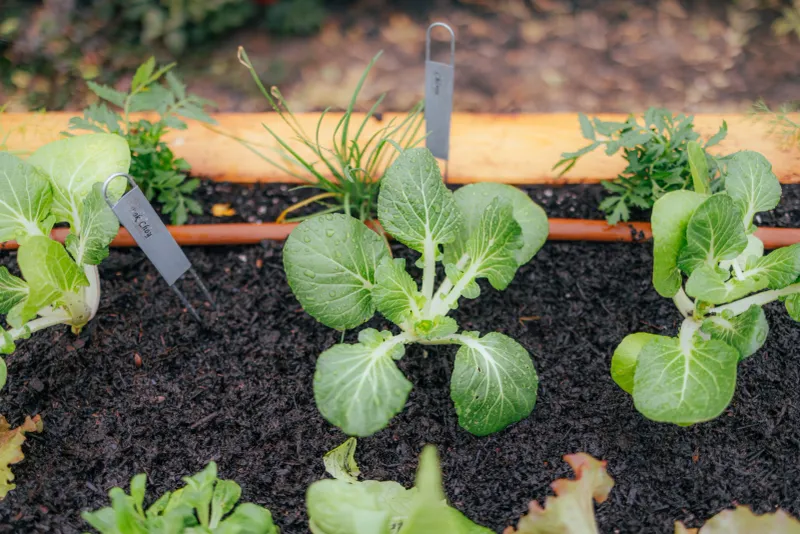
Next round, start with the seed packet. Look for a variety labeled slow-bolting or bolt-resistant where you can find one, then time sowing to your local conditions rather than a single winter date.
Florida is split into North, Central, and South regions in the UF/IFAS Florida Vegetable Gardening Guide. Texas varies by region and frost timing too, so check the Texas Home Vegetable Gardening Guide and the fall vegetable guide for Texas for your area.
For harvest timing, UF/IFAS production guidance describes picking at the 10 to 15 leaf stage, often 40 to 50 days after sowing. That timing shifts with temperature, moisture, and fertility, so treat it as a rough guide, not a deadline.
Staggering small sowings every couple of weeks also spreads out the risk. Bok choy rewards the gardener who picks early.