
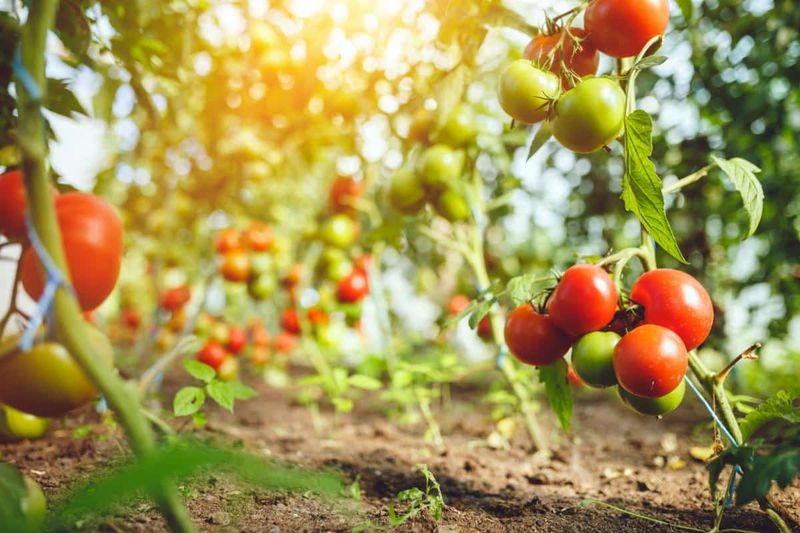
Your tomato plants are loaded, the fruit is the right size, and every single one is still green. As fall nights cool off, that can feel like a slow-motion disappointment.
The good news is that some of those tomatoes can finish ripening indoors, as long as you know which ones to pick and when. Here is how to sort out the fruit worth saving.
Cool nights slow ripening, but do not automatically ruin the crop
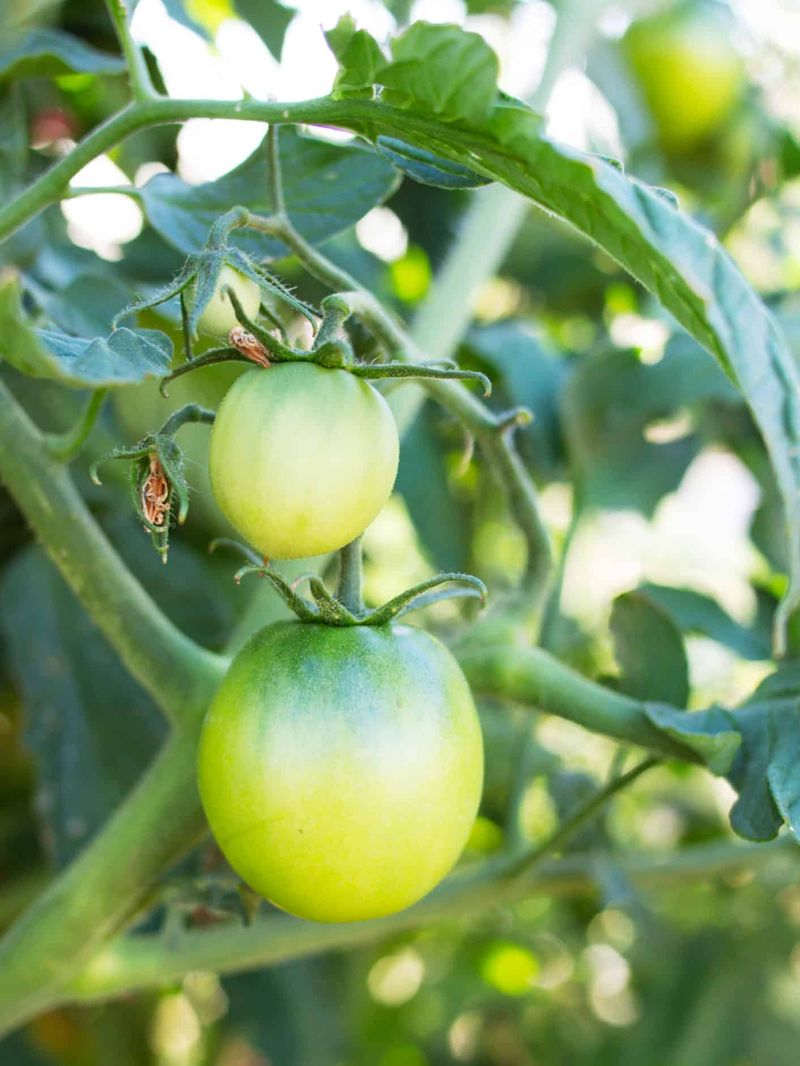
Green tomatoes in October are usually a timing issue, not a sign that you did something wrong. As temperatures drop, color and flavor development slow down.
UF/IFAS guidance says temperatures below 55°F retard ripening, which means the fruit takes longer to turn, not that it is finished.
Slower ripening is different from chilling injury. Injury depends on both how cold it gets and how long the fruit is exposed, and Texas A&M AgriLife Extension warns of chilling damage at lower temperatures, below 50°F.
There is no single number that doomed your crop overnight.
So one chilly evening is no reason to panic. The real worry is a frost or a stretch of prolonged cold.
Until then, a plant that sits at a slower pace is still holding fruit that may be worth waiting on.
Breaker stage is more specific than “first blush”
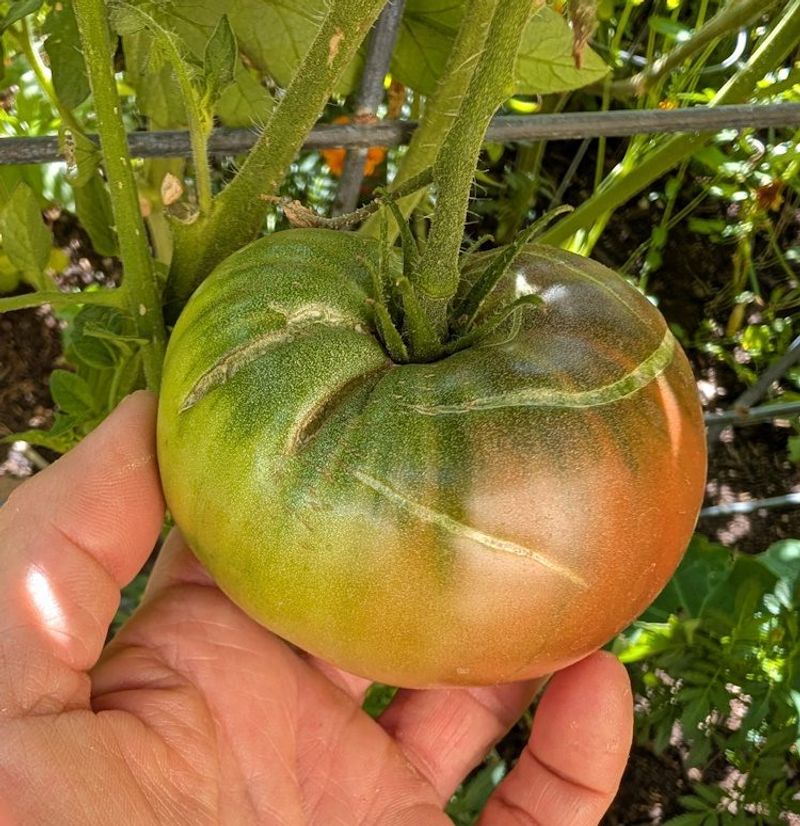
Gardeners often say “first blush,” but breaker stage has a precise meaning. It is the first definite color change from green to tannish-yellow, pink, or red on no more than 10% of the fruit’s surface.
The USDA color standards for red-fleshed tomatoes use this same definition.
By breaker stage, ripening is already underway, according to UF/IFAS. That is why breaker-stage fruit can continue ripening indoors after you pick it.
The term does not mean any tomato that happens to be green. A fruit with no color change at all is not at breaker yet.
Picking at breaker gives you a strong chance of a good result, but it is not a promise.
Choose sound, fully developed green tomatoes
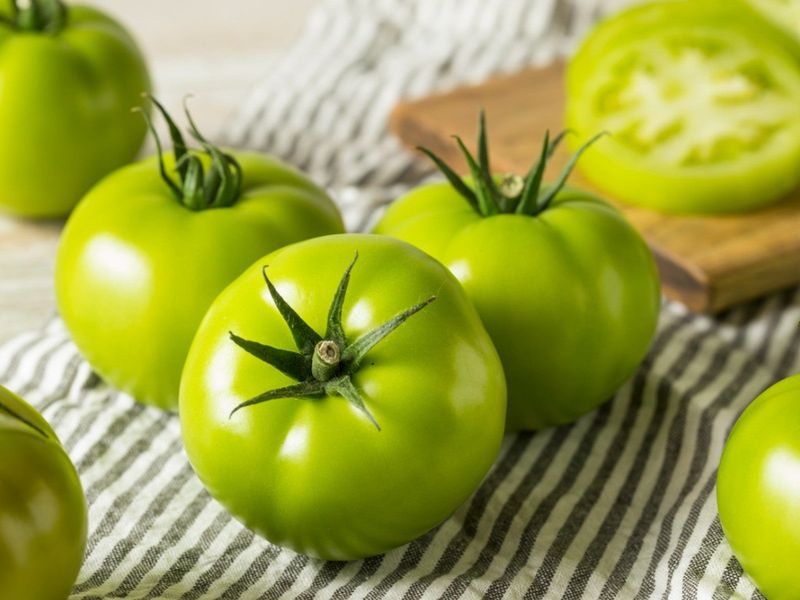
Not every green tomato is a lost cause, and not every one is worth carrying inside. Some mature-green fruit has reached physiological maturity and can ripen after picking.
UF/IFAS reports that mature-green tomatoes at later internal maturity stages can ripen to good eating quality, while immature fruit will not ripen properly.
Maturity is judged by internal development, so there is no reliable outside test. A missing blush does not prove a tomato is immature.
Start with fruit that is sound, meaning firm, undamaged, and fully sized for your variety.
Flavor is the other trade-off. Colorado State Extension says breaker-stage tomatoes ripen without flavor loss, but mature-green fruit may not develop flavor fully.
Expect good results from some fruit, not all of it.
Pick for the forecast, not every cool evening
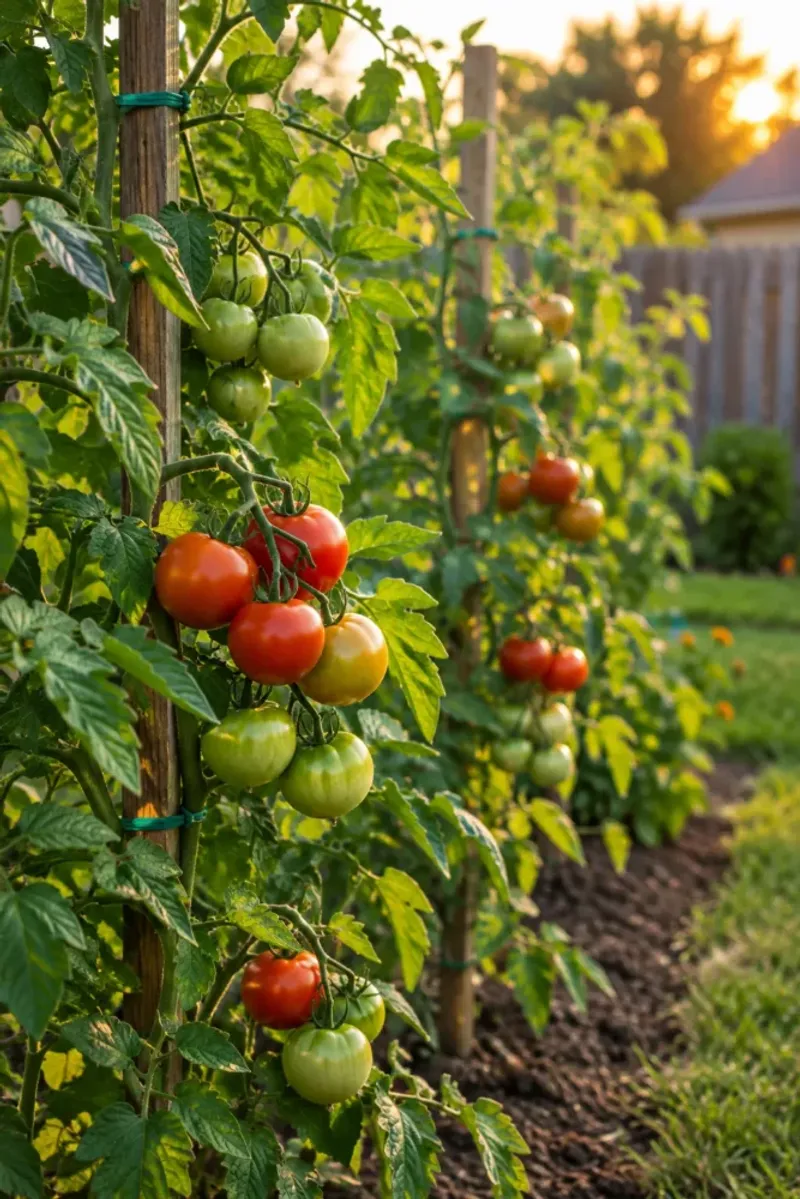
Your picking calendar should follow the forecast and the fruit, not a single cold reading. When frost or prolonged cold is coming, bring in breaker-stage tomatoes first, then sound mature-green ones.
Picking ahead of bad weather is risk reduction, not proof that a cold front will wipe out the garden.
Texas and Florida do not share one fall cutoff. Texas A&M’s Central Texas guidance describes fall harvest running through the first frost.
Florida looks different. UF/IFAS describes the state’s commercial tomato season as spanning fall, winter, and spring, so there is no single date to circle.
Check your local forecast a few days out and look over your fruit. If a frost warning shows up and the tomatoes are mature, that is your cue to harvest.
Ripen picked tomatoes indoors, away from direct sun
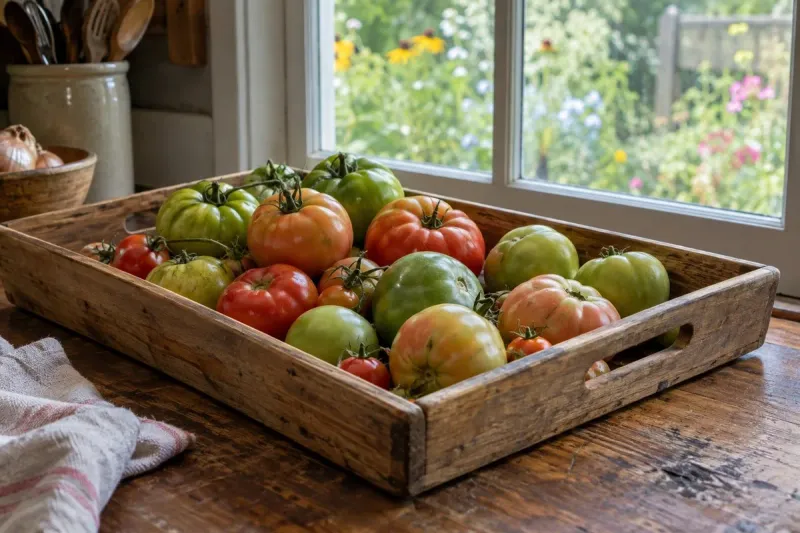
A simple spot is all you need. Aim for about 68 to 72°F, which UF/IFAS gives as the range for best red-color development.
A pantry shelf, a spare room, or a kitchen counter often works well.
Skip the sunny windowsill. Colorado State Extension recommends ripening tomatoes away from direct sunlight.
Wipe off dirt gently, let the fruit dry, and lay it in a single layer so it does not press against its neighbors. Handle each tomato with care, because Texas A&M AgriLife Extension notes that bruising hastens spoilage.
These conditions support ripening, but they do not set a timeline. Some fruit turns in days, and some takes weeks or never gets there.
Check fruit regularly and keep it out of the refrigerator
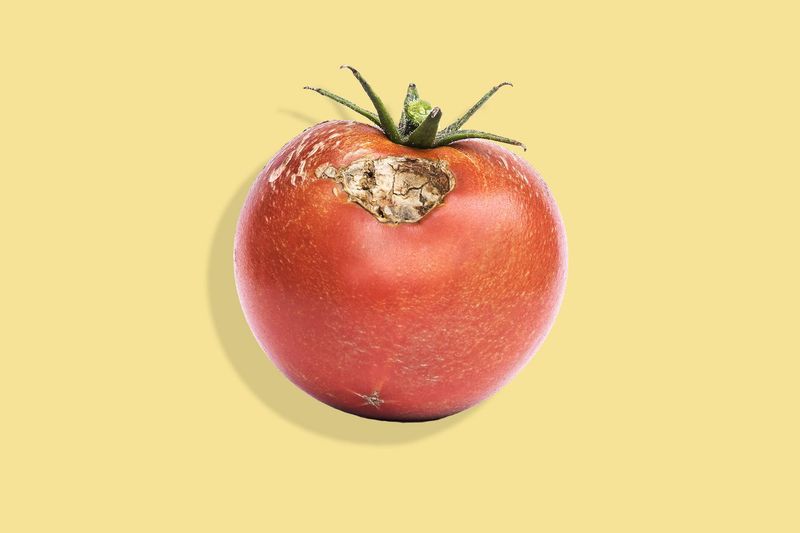
Make a quick daily check part of your routine. Look for color change, soft spots, mold, or leaking skin.
Pull out any fruit that is damaged or decaying right away, since one bad tomato can spoil its neighbors. Iowa State University Extension advises keeping fruit dry and checking it often.
Move tomatoes as little as possible, because bruising hastens spoilage. Fruit that has turned fully red can be eaten soon or used for sauce.
The refrigerator is the wrong place for tomatoes that are still ripening. Texas A&M AgriLife Extension explains that cold storage slows ripening and can harm flavor and color.
Keep them on the counter until they are ready to eat.
Indoor ripening can save suitable fruit, not guarantee every tomato

When bad weather makes waiting risky, pick breaker-stage fruit and sound mature-green tomatoes, then give them a spot out of the sun and the fridge. That plan can rescue fruit whose ripening has begun, along with some mature-green tomatoes.
It cannot make immature fruit ripen, and flavor may differ from a vine-ripened tomato.
A few green tomatoes left over is the price of a late season, and a basket of red ones is the reward for picking smart.