
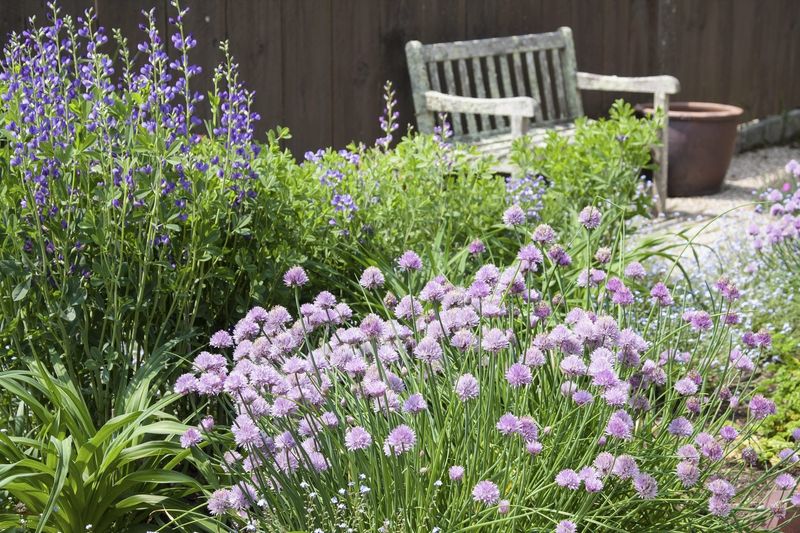
North Carolina summers can turn a full-sun herb bed into a crispy, bolting mess by July. Many gardeners are surprised to learn that some favorite herbs grow lusher, taste better, and last longer with a few hours of shade.
With late September bringing cooler nights across the mountains, Piedmont, and coastal plain, now is a smart time to plan and plant a shady herb corner. Here are seven herbs that may reward you for skipping the hottest spot in the yard.
1. Mint
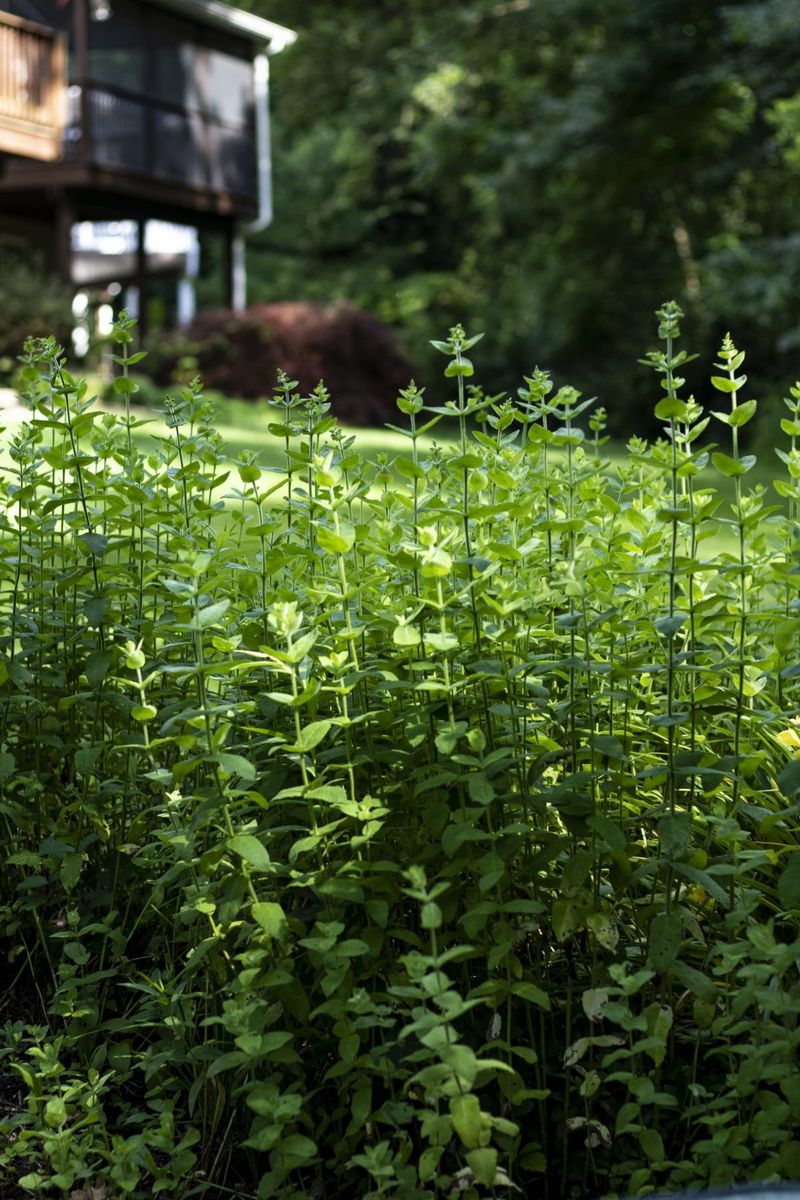
Ask any Piedmont gardener who planted mint in full sun and you will hear the same story: scorched leaf edges by August and a bitter taste. Move that same plant under a dogwood or beside the east side of the house, and it turns into a fragrant, bright green carpet.
Mint loves moist soil, and partial shade keeps the ground from drying out between waterings. Leaves stay tender and sweeter, which matters if you brew sweet tea or muddle it into lemonade.
One firm rule applies here. Mint spreads by runners, so grow it in a container or a buried pot to keep it from taking over beds.
Fall is a good time to divide crowded clumps and share the extras with neighbors.
2. Parsley
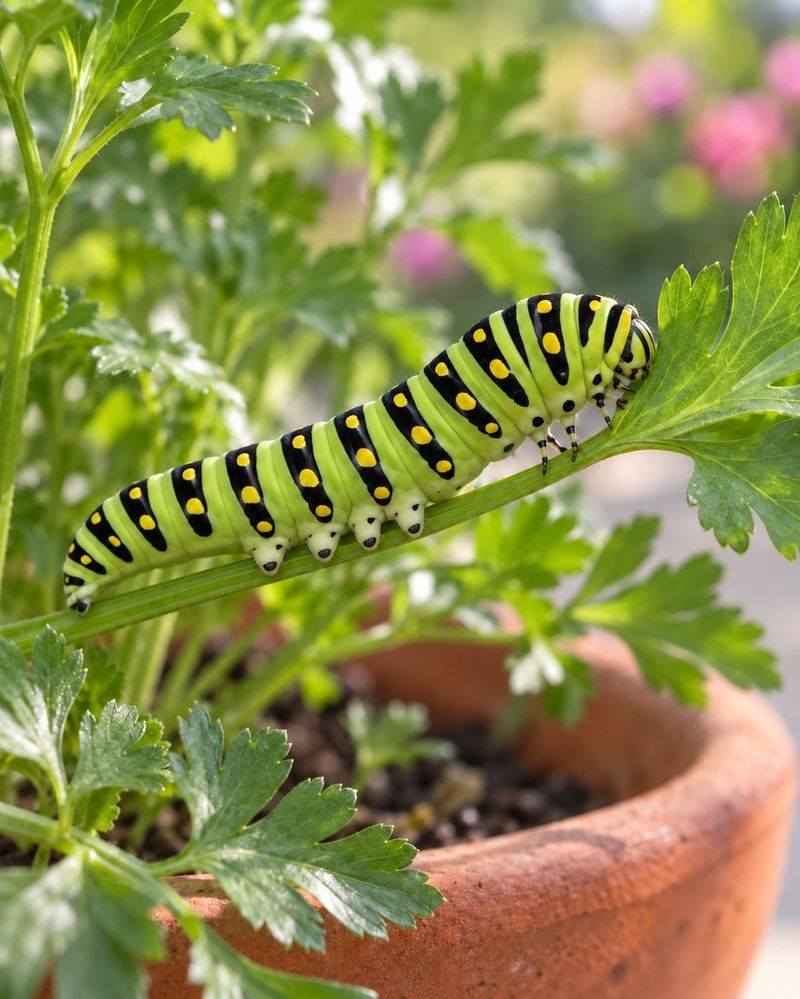
Parsley pulls double duty in a North Carolina yard. It feeds your kitchen, and it feeds the black swallowtail butterfly, whose striped caterpillars munch the leaves before turning into one of the state’s prettiest pollinators.
In hot, open beds, parsley often bolts or yellows during summer. A spot with morning sun and afternoon shade can keep it growing steadily, and in the coastal plain and Piedmont it often holds through much of winter.
Plant a few extra so you can spare some for the caterpillars. Late September transplants settle in quickly while soil is still warm.
3. Cilantro
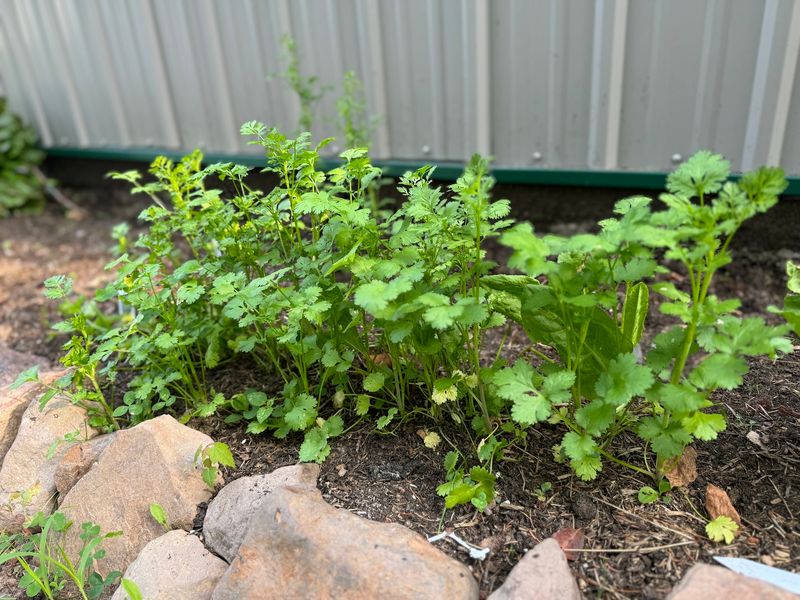
Cilantro has a famously short fuse. One hot week and it shoots up flower stalks, leaving you with fewer usable leaves.
Shade slows that process. Planting where the bed gets a break from the afternoon sun can stretch your harvest by a couple of weeks, sometimes more.
Timing matters even more than location in North Carolina. Fall is prime season, so sow seeds now through October in the Piedmont and coastal plain, a bit earlier in the mountains.
Light frost rarely bothers it, and many gardeners pick fresh leaves well into winter.
Let a few plants flower in spring. Tiny blooms may attract beneficial insects, and you can save the seeds as coriander.
4. Lemon Balm
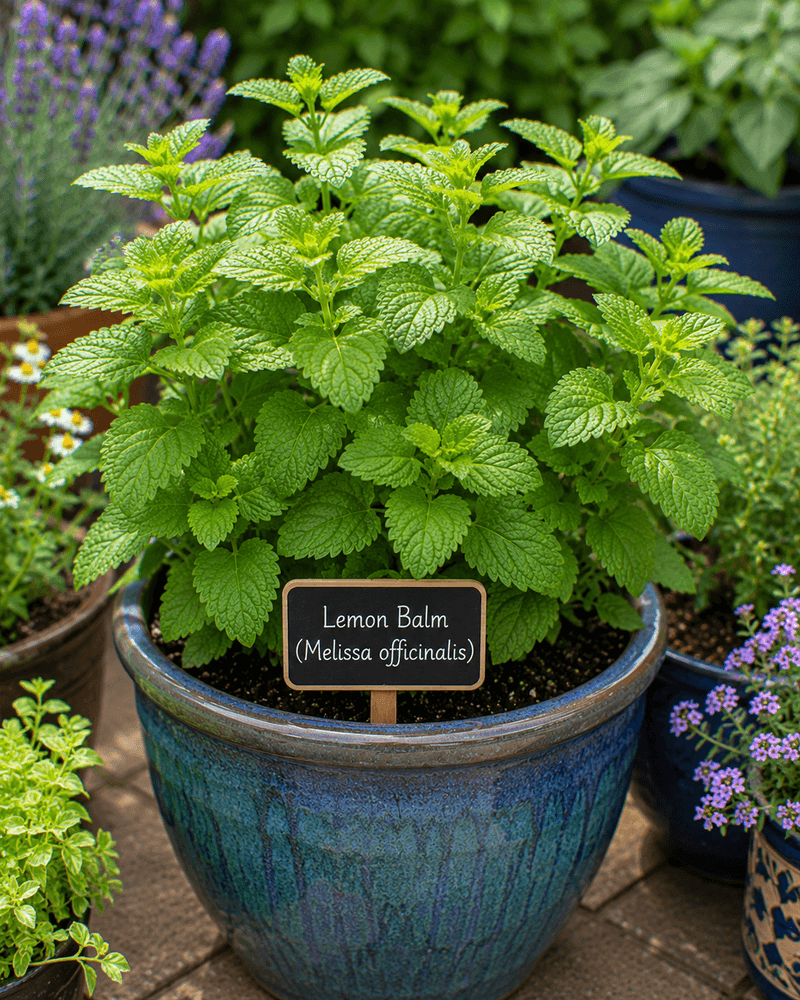
Brush past lemon balm and the air fills with a citrus scent that feels like a summer afternoon. It is one of the easiest herbs you will ever grow.
Full sun in the South tends to bleach and toughen its leaves. In partial shade, the foliage stays soft, glossy, and strongly scented, which is exactly what you want for tea.
Small white flowers draw honeybees and other pollinators. Snip the flowers before they set seed if you want to limit volunteers, since this mint relative can reseed freely.
5. Chives
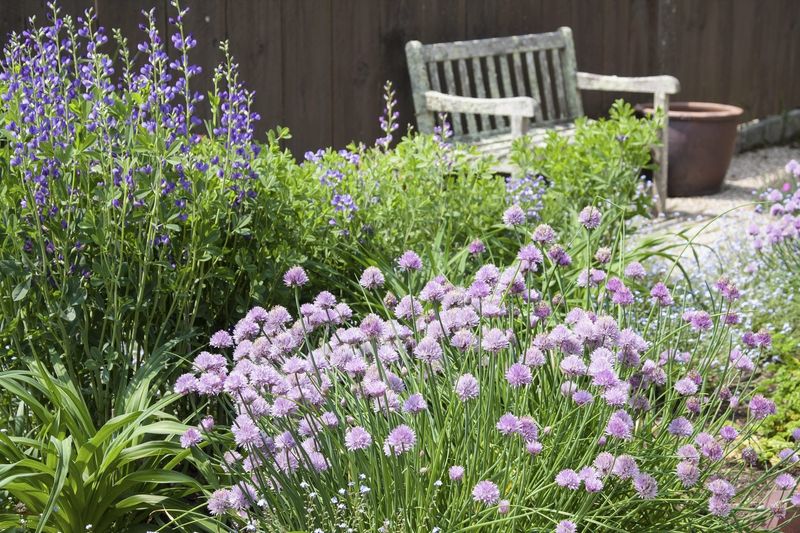
Few herbs are as forgiving. Chives come back year after year, need almost no fuss, and handle four to five hours of sun with ease.
In shadier spots, the hollow leaves stay greener through summer heat instead of flopping and browning. You get a longer cutting season for eggs, potatoes, and dips.
Purple spring blooms are a favorite of bumblebees. Fall is a great time to divide older clumps, giving you free plants to tuck along a shady path or border.
6. Sweet Woodruff
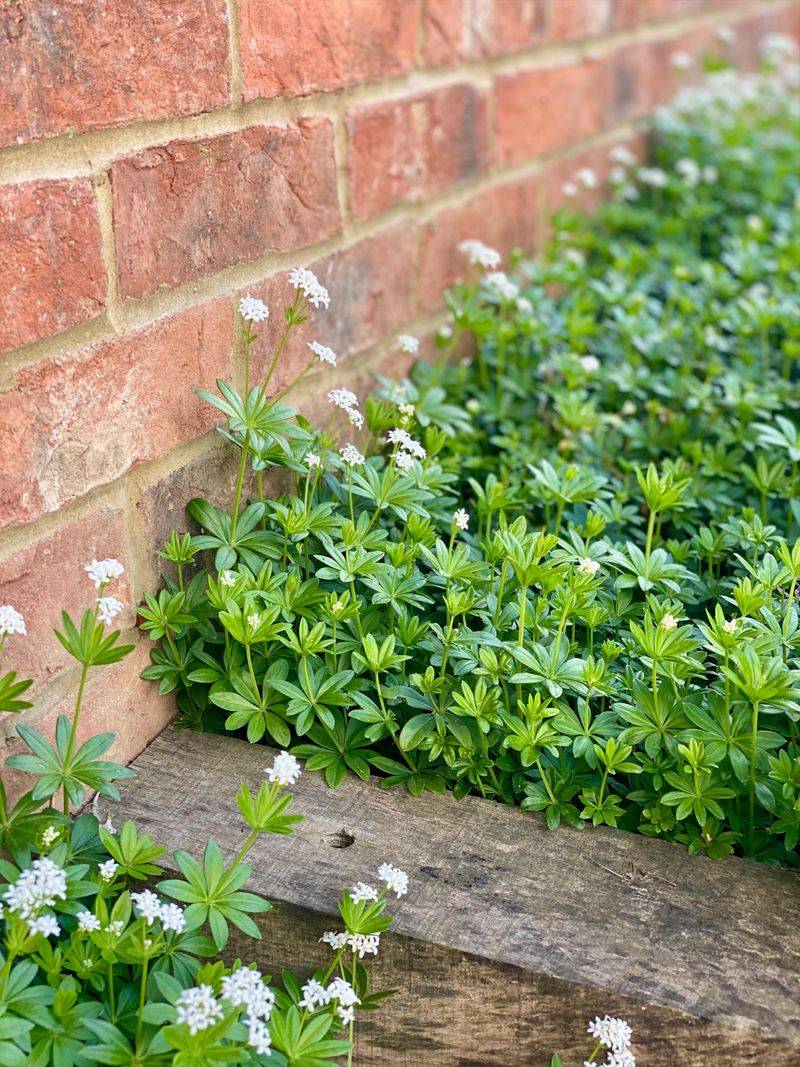
Here is an herb that does not just tolerate shade. It wants it.
Sweet woodruff forms a low, tidy groundcover with starry white flowers in spring. Dried leaves smell like fresh hay and vanilla, and people once tucked them into linen drawers.
It does best in the cooler mountain region and shady Piedmont yards with rich, moist soil. Hot coastal plain sites can be tougher, so pick the shadiest, dampest corner you have.
Keep in mind it spreads, so give it room under trees where grass struggles anyway.
7. Wild Bergamot
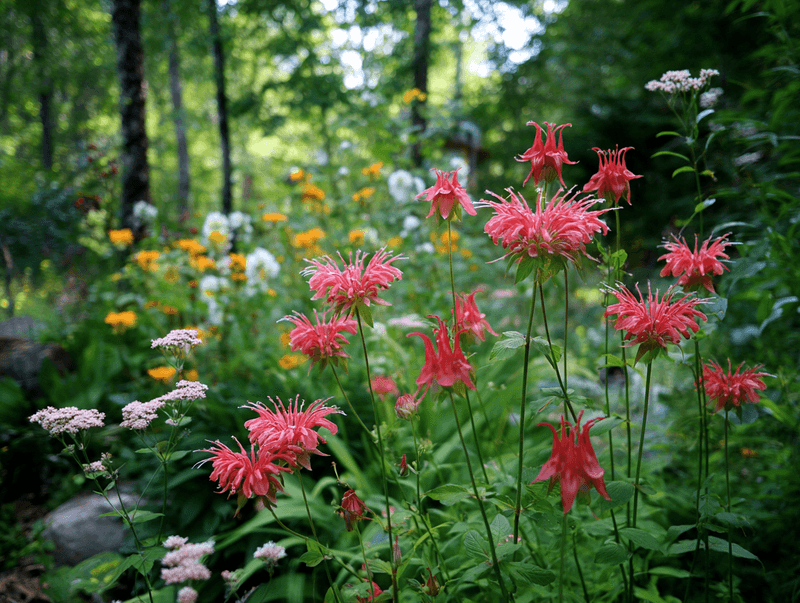
Want an herb that also counts as a native plant? Wild bergamot, Monarda fistulosa, grows naturally in North Carolina and is a favorite of bees, butterflies, and hummingbirds.
Its leaves have an oregano-like flavor and have long been used for tea. Lavender blooms in summer make it pretty enough for a front border.
Light afternoon shade may help reduce stress during heat waves, though too much shade can increase powdery mildew. Aim for a woodland edge with about half a day of sun.
Fall planting lets roots settle before spring, giving you a native, wildlife-friendly herb with almost no upkeep.