
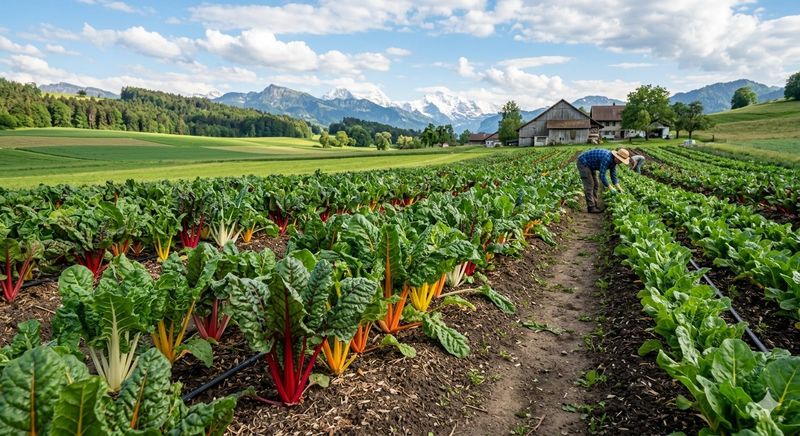
One little picking habit can turn a single row of Swiss chard into months of fresh greens. Instead of cutting the whole plant once, you take only a few leaves at a time and let the rest keep growing.
Gardeners in Texas and Florida can use this trick through the cool season, and sometimes a bit beyond. How long your plants last depends on your weather, your care, and a few troublemakers worth knowing about.
Pick outer leaves and protect the center
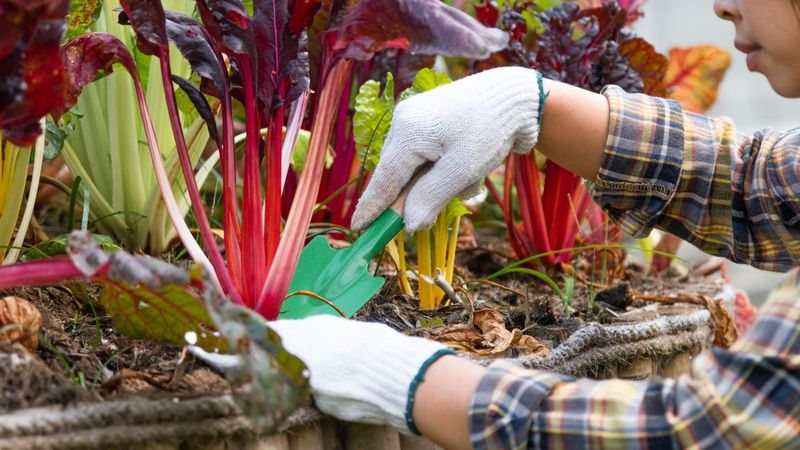
Walk down the row and look for the biggest, oldest leaves on the outside of each plant. Those are the ones to take first.
UF/IFAS recommends this method for a long, continuous harvest.
Cut or snap each leaf close to the base of the plant. Try not to nick the smaller leaves in the middle or the growing point at the very center.
Wisconsin Extension also advises avoiding damage to those inner leaves, because they are the plant’s future harvests.
Taking just a few leaves per plant each time is very different from cutting the whole plant at once. A whole-plant cut gives you one big pile of greens and ends the show.
Gentle picking keeps the plant making new leaves, so one planting can feed you again and again.
Keep in mind that picking is a method, not a promise. It supports repeat harvests, but weather, care, and plant health still decide how long the greens keep coming.
Start harvesting when leaves are ready
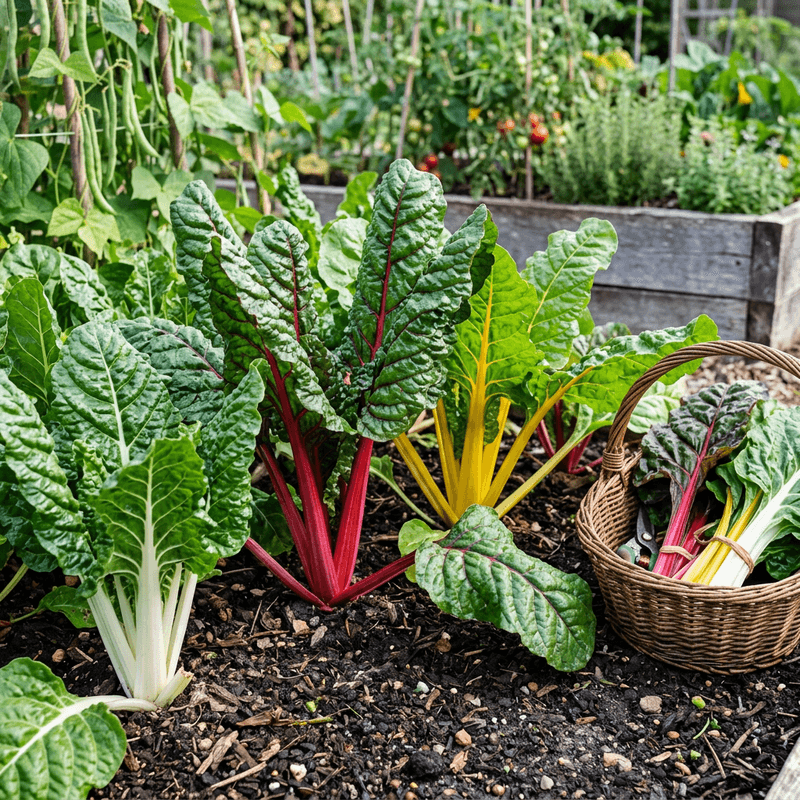
Patience pays off with chard, but not for very long. UF/IFAS estimates that plants are ready about 40 to 60 days after seeding, or when leaves reach roughly 8 to 10 inches long.
Think of those numbers as handy guideposts rather than a strict deadline. A cool snap may slow your plants, while a mild spell may speed them up.
Let the leaves tell you more than the calendar does.
When the outer leaves look big enough to make a meal, begin picking. Take only the largest ones from the outside of each plant and leave the center intact.
Starting with a light harvest gives the plant time to keep building new leaves.
If a plant looks small or weak, give it another few days. A little extra growing time often leads to better picking later.
Regional planting dates are not harvest promises
Florida guidance is not perfectly uniform. The UF/IFAS Swiss chard page lists September to May for North and Central Florida and September to March for South Florida.
The statewide planting guide lists September to March for North and South Florida and September to May for Central Florida. Check which source fits your area and plan around the shorter range if you are unsure.
Texas is just as regional. Texas A&M’s fall guide gives different average fall planting dates for five regions.
Its Travis County guide lists chard for January to April and again in fall, with fall dates varying by area.
Here is the catch. A planting window tells you when seeds can go in the ground.
It does not tell you how long one planting will keep producing. A September planting in Central Florida is not guaranteed to still be giving leaves in May, so treat spring picking as a bonus if conditions cooperate.
Support steady leaf growth with routine care
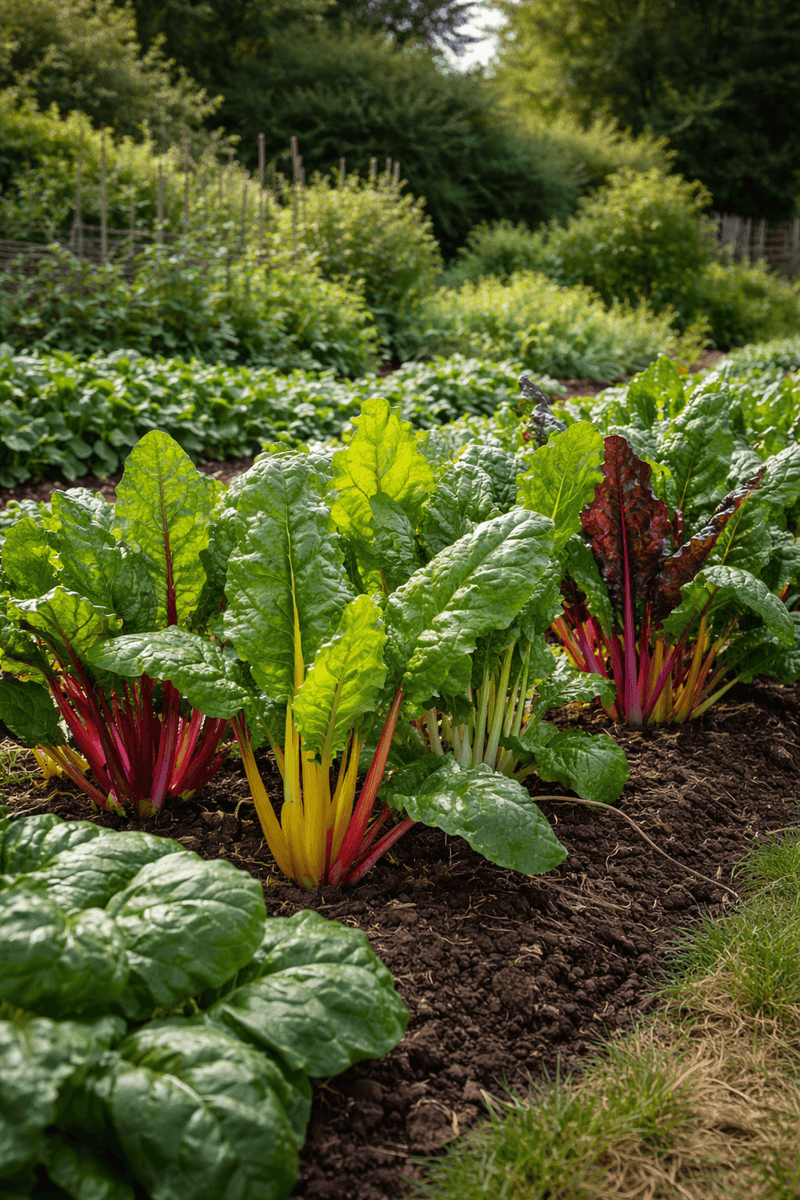
Chard puts out more leaves when its basic needs are met. UF/IFAS recommends at least six hours of direct sun and spacing plants 6 to 12 inches apart.
Crowded plants compete for light and air, and their leaves tend to stay smaller.
Water matters too. Georgia Extension gives about one inch per week as general guidance for tender leaves.
Treat that as a starting point, not a rule.
Adjust for rainfall, soil, and local conditions. Sandy Florida soil drains fast and may need more frequent watering, while a rainy week may need none at all.
Push a finger into the soil near the plants. If the top inch or two feels dry, it is probably time to water.
Steady moisture helps the plant replace the leaves you pick. Dry spells can leave leaves tough and slow down new growth.
Weather and plant age can interrupt harvests
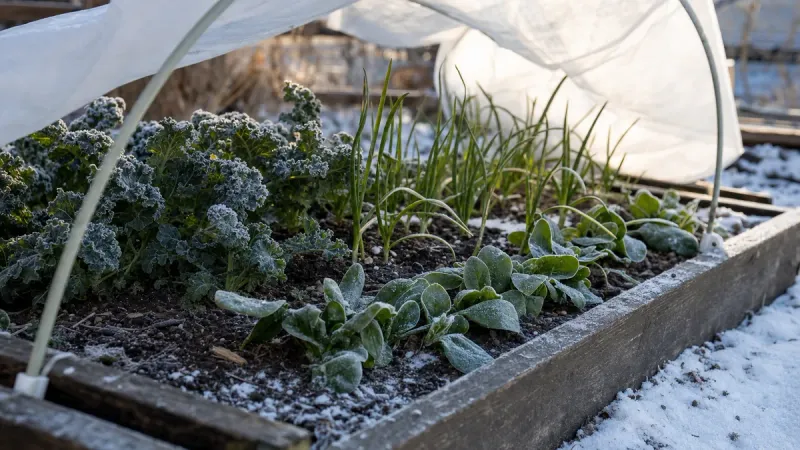
Chard handles cool weather well, but it has limits. Georgia Extension describes it as tolerant of mild freezes, and Texas A&M lists it among frost-tolerant crops.
A hard freeze can still damage or kill plants, and growth slows in cold weather.
Heat is the other side of the story. UF/IFAS says chard handles heat better than spinach or lettuce, yet it still leaves the hottest months out of its planting advice.
Wisconsin Extension notes that high temperatures slow leaf production, and quality can slip too.
Age matters as well. Chard is a biennial and will not flower until it has lived through a winter.
A plant that makes it through may eventually bolt, and picking cannot stop that.
So careful picking can support repeat harvests, but it cannot promise uninterrupted growth or leaves in May.
Check for pests when leaves or growth suffer
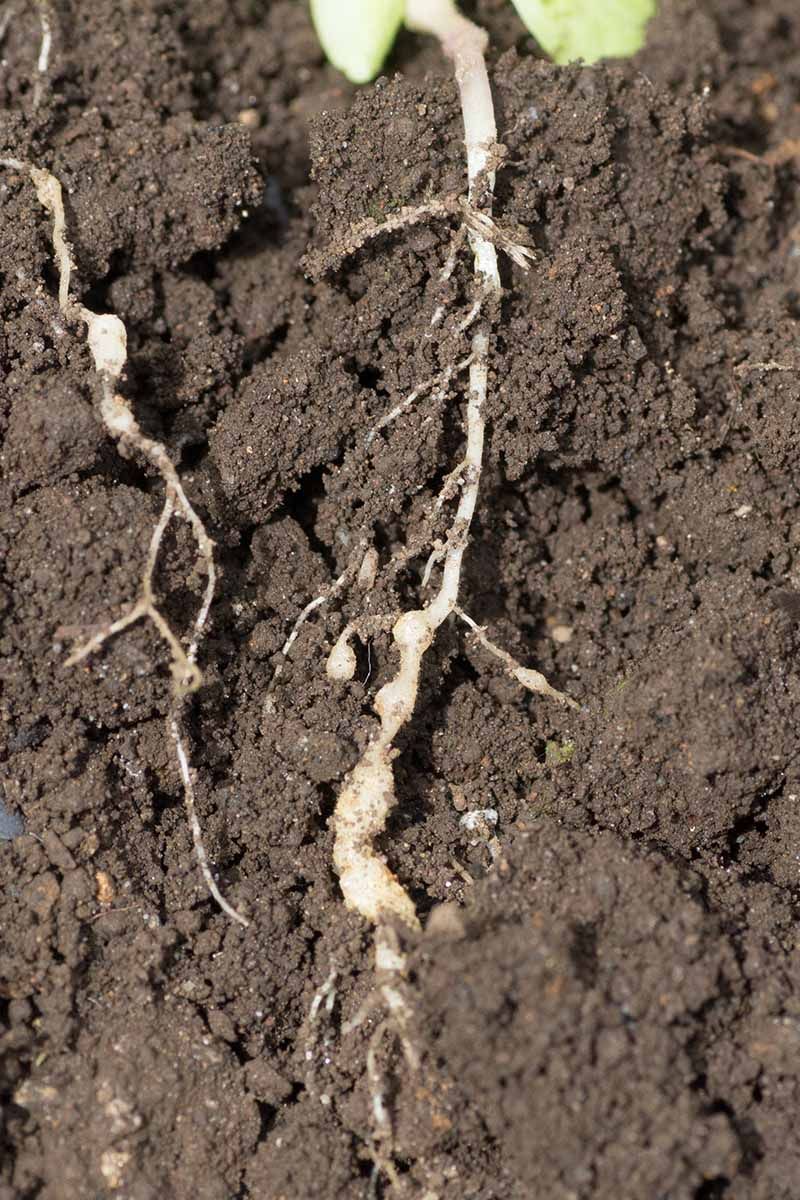
If your chard stalls or looks ragged, a pest may be part of the story. Florida gardeners should keep root-knot nematodes in mind.
UF/IFAS calls chard very susceptible to them and suggests containers where the soil is heavily infested.
Leaf miners are another possible problem. Georgia Extension mentions them as a pest of chard.
Look for thin, winding trails or blotches inside the leaves.
Neither pest is guaranteed to show up, and weather or dry soil can cause similar symptoms. Stunted plants with poor growth in a bed that has had trouble before are worth a closer look at the roots.
Damaged leaves are worth checking before you decide what is wrong.
Your local Extension office can help you confirm a diagnosis and suggest options that fit your area.
Rinse the harvest and keep expectations realistic
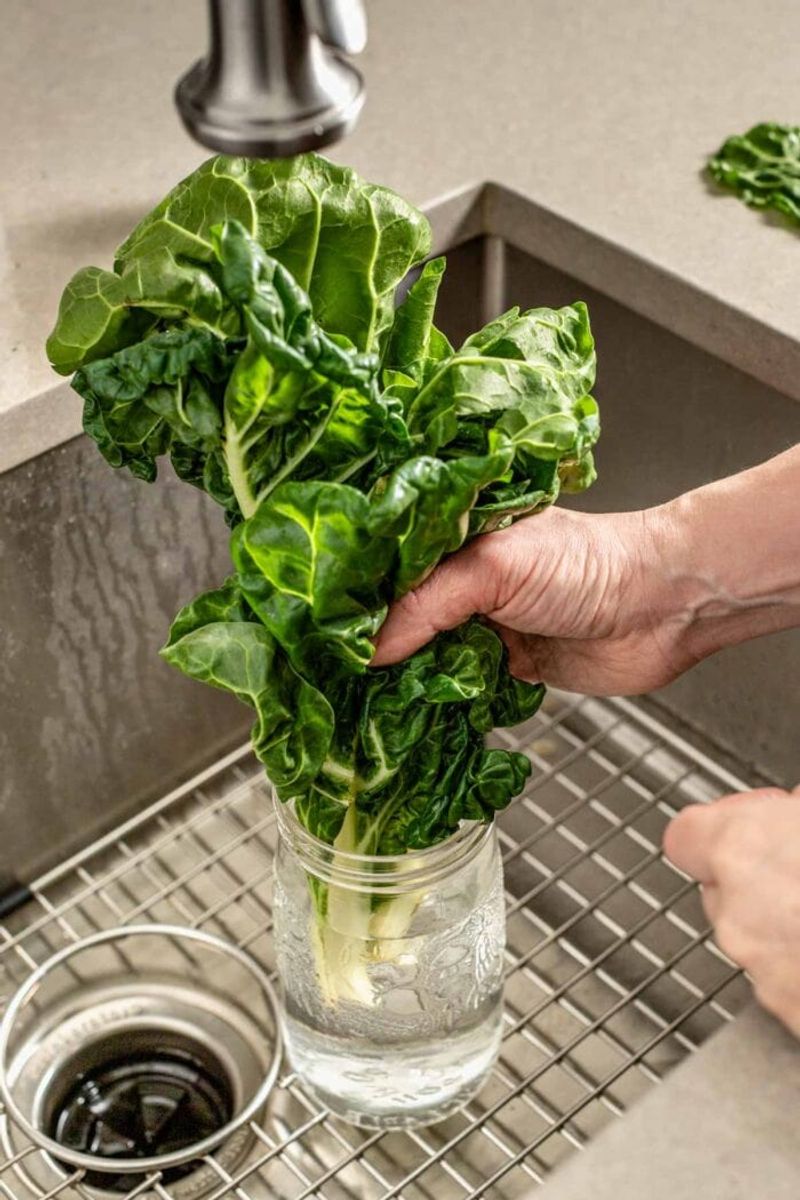
Once the basket is full, wash your hands before and after handling the greens. The FDA advises rinsing fresh vegetables under plain running water.
Skip soap and detergent.
Removing outer leaves can stretch your picking well past a single cutting. Your sun, soil, water, weather, and pests will decide whether it carries into spring, as UF/IFAS planting guidance only describes when to plant.
Take what the plants give you, and enjoy each leaf while it is tender.