
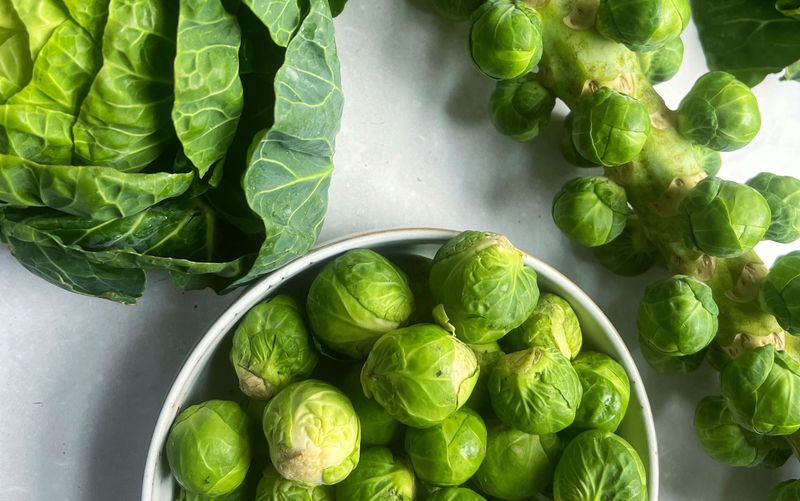
You walk out to your winter bed and find Brussels sprouts that look more like little leafy rosettes than tight green buttons. It is a common frustration for Texas and Florida gardeners, and the quick tip going around says to snap off the lower leaves.
The truth is a bit more complicated, and a few simple checks can tell you far more about what is going on. Here is how to size up your crop and decide what to do next.
Loose sprouts call for a growing-conditions check
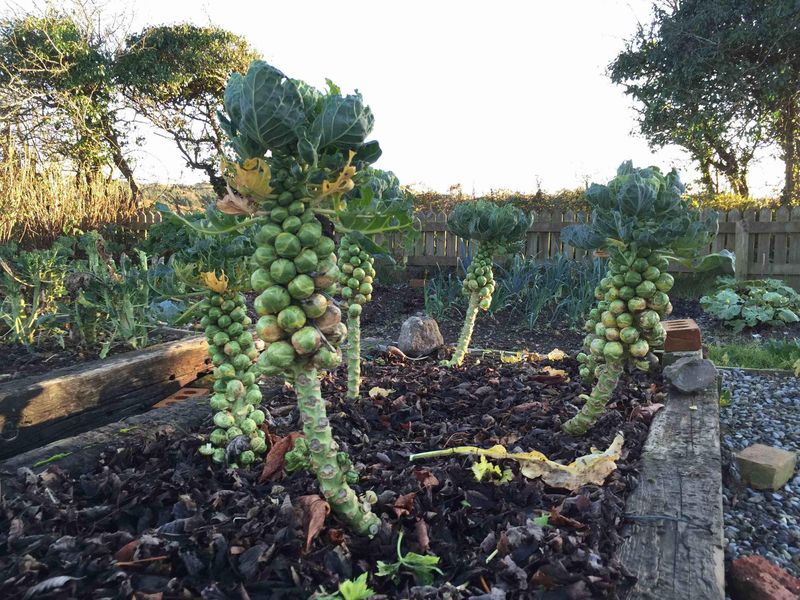
Loose, fluffy sprouts feel like a failure, but they are better read as a clue. Instead of assuming the lower leaves are the problem, look at the conditions the plant has lived through since transplanting.
Several factors are worth investigating. Illinois Extension notes that hot, dry conditions can contribute to bitterness or loose heads.
Planting schedule matters too, since a crop that matures in warm weather may behave differently than one that matures in the cool. Variety can also play a role, and the Royal Horticultural Society points to poor soil, weak growth, and cultivar as things to consider.
Nutrition enters the picture as well, though Utah State guidance and the RHS disagree on nitrogen, which we will sort out later.
No single cause fits every plant. Think of the next sections as a checklist: timing, temperature, moisture, and soil, in that order.
Your answer may be one of them, or a mix.
Will removing lower leaves tighten sprouts already on the stalk?
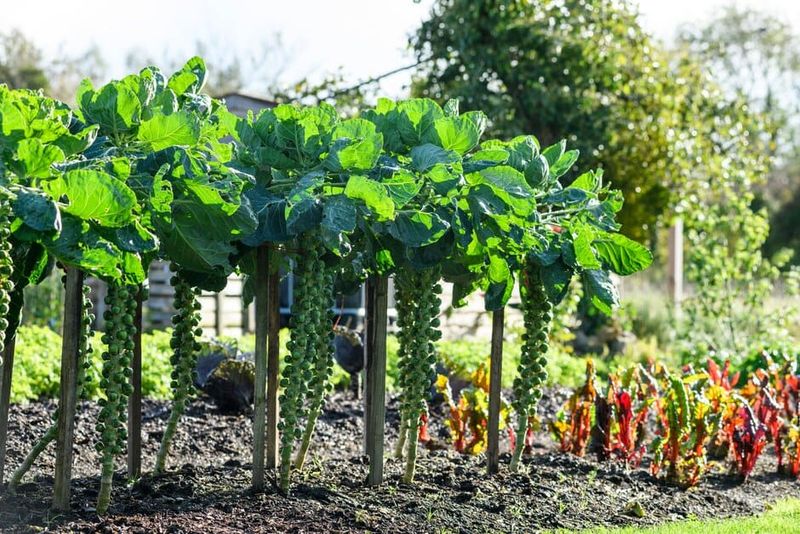
Short answer: the guidance reviewed does not show that stripping lower leaves reliably firms sprouts that are already loose. Where leaf removal is mentioned, it is tied to speeding development or making harvest easier, which is a different thing.
Advice varies from state to state. Maryland Extension says the lowest leaves can be removed to hasten sprout development.
Illinois Extension calls leaf removal nonessential for home gardeners and notes that some people remove lower leaves as sprouts develop.
On the other side, Mississippi State Extension says not to remove leaves while sprouts develop, and to take them off when harvesting.
So leaf removal is neither a proven cure nor a proven mistake. If you try it, remove only a few of the oldest leaves, and do not expect your current loose sprouts to tighten up because of it.
Cool-season timing differs across Texas and Florida
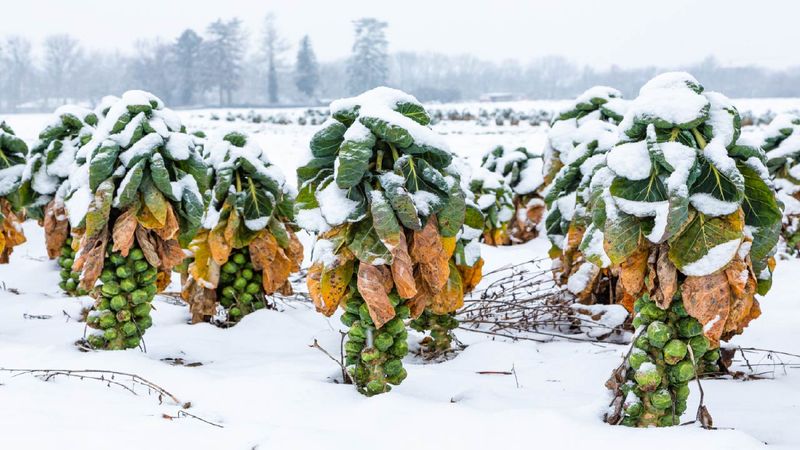
A winter planting label does not guarantee the sprouts form in cool weather. Texas A&M AgriLife says Brussels sprouts generally perform best when daytime temperatures average about 65°F or less.
It recommends planting about 120 days before the expected killing frost for firm, good-quality sprouts.
Texas is a big state, so dates shift by region. In most of Texas, Texas A&M describes mid- to late-summer planting for late-fall or early-winter harvest, and its cole crop guide gives different transplant windows by region.
Check the one for your area and count back from your own expected frost date.
Florida runs on a different calendar. The UF/IFAS vegetable guide lists September to November in North Florida, September to February in Central Florida, and October to January in South Florida.
Those are planting windows, not promises of compact sprouts or harvest dates. If your sprouts matured during a warm spell, timing is a strong suspect for next season.
Even soil moisture supports steadier development
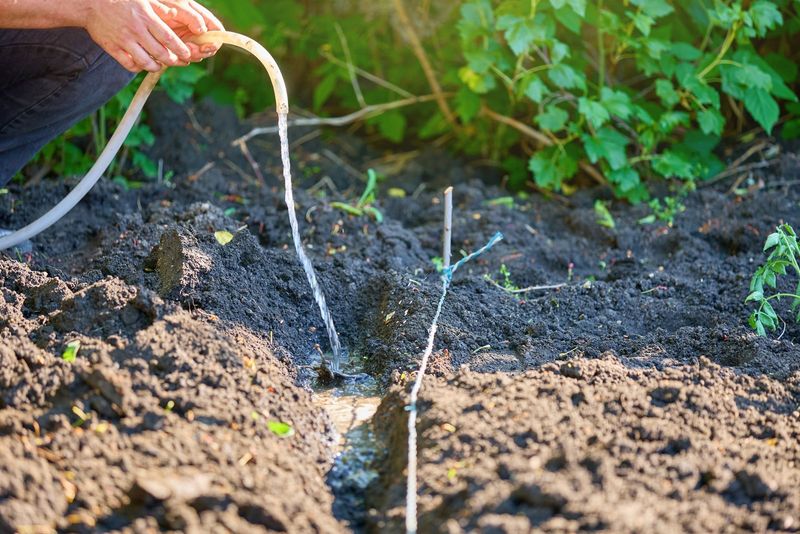
Water is one of the easiest things to fix. Utah State recommends deep watering while keeping moisture even, and says swings during heading can lead to splitting or bitter flavor.
Dry spells are a particular worry in sandy Florida soils and in Texas winters that turn warm and windy. Illinois Extension says inadequate moisture can cause crop failure, and that hot, dry conditions can contribute to bitterness or loose heads.
A simple habit helps: push a finger a couple of inches into the soil before you water. If it is dry down there, water slowly and deeply rather than sprinkling the surface.
A layer of mulch may help hold moisture between waterings.
Better watering supports the plant going forward, but it will not necessarily tighten sprouts that have already opened. Treat it as protection for the sprouts still forming higher on the stalk.
Use soil evidence to guide feeding
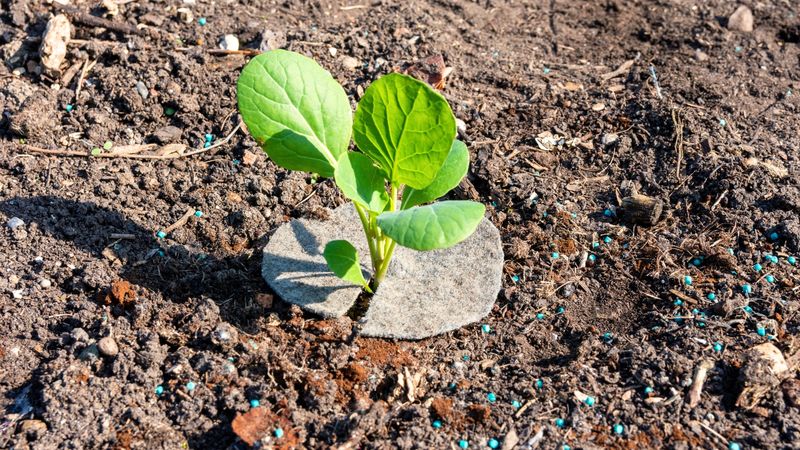
Brussels sprouts need nutrients to grow, yet more fertilizer is not a cure for loose sprouts. Sources actually disagree on the role of nitrogen.
Utah State says high nitrogen can cause loose sprouts and splitting, and advises against adding more once sprouts begin forming. The Royal Horticultural Society says excessive nitrogen is not implicated, and points instead to poor soil, weak growth, and cultivar.
With experts split, let your own soil settle it. A soil test shows what your bed actually has, and your local extension office can translate the results into fertilizer directions for your area.
Texas and Florida soils differ a lot, so a neighbor’s routine may not fit your yard.
Gardeners elsewhere also note, as Mississippi State Extension does, that plants need steady growing conditions overall. Skip any universal dose, and do not expect feeding alone to firm what has already formed.
Harvest firm sprouts and keep topping separate
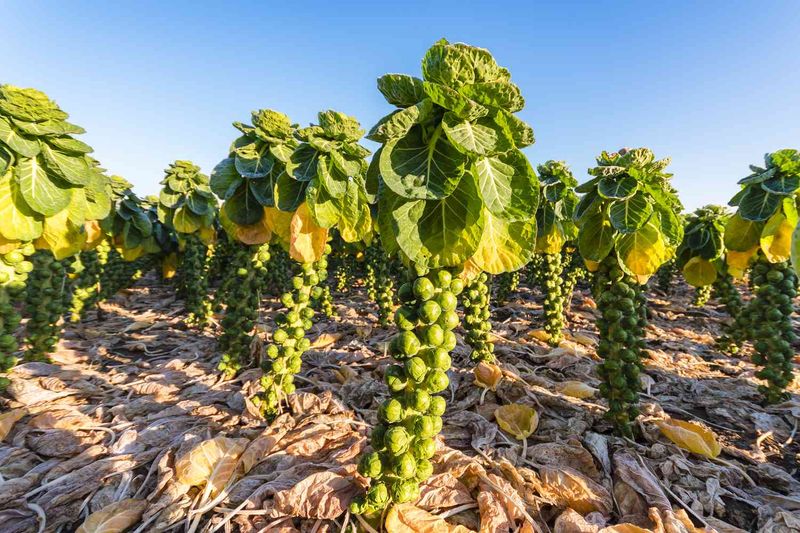
Lower sprouts mature first, so start picking from the bottom once they feel firm and compact. Illinois Extension describes this pattern, and removing a leaf or two while you harvest is normal.
That is different from stripping leaves early in hopes of firming the whole stalk. Mississippi State Extension says to remove leaves at harvest.
Topping is a separate practice. It means cutting off the growing point at the top, not taking off lower leaves.
Its stated purpose is to hasten development of the lower sprouts, and Texas A&M says it can bring an earlier harvest but may reduce total yield by about one third. It is not a treatment for loose sprouts.
Here is a sensible order of action: review your local timing and growing conditions, check that soil moisture stays even, use soil evidence to guide fertilizer, and pick sprouts that are firm. Leaf removal will not rescue loose ones.
A loose sprout is still edible, and it is also a note for next season’s calendar.