
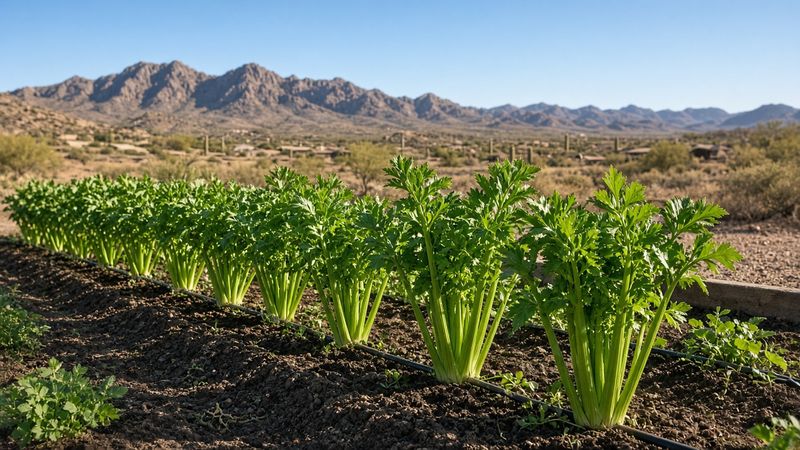
You wait weeks for homegrown celery, then bite into a stalk that is tough, stringy, or bitter. It is a letdown, and many gardeners wonder what they did wrong.
Water is one common suspect, but it is not the only one. Here is how to check your soil, adjust your watering, and sort out what may be going on in your bed.
Water stress can contribute to stringy or bitter celery
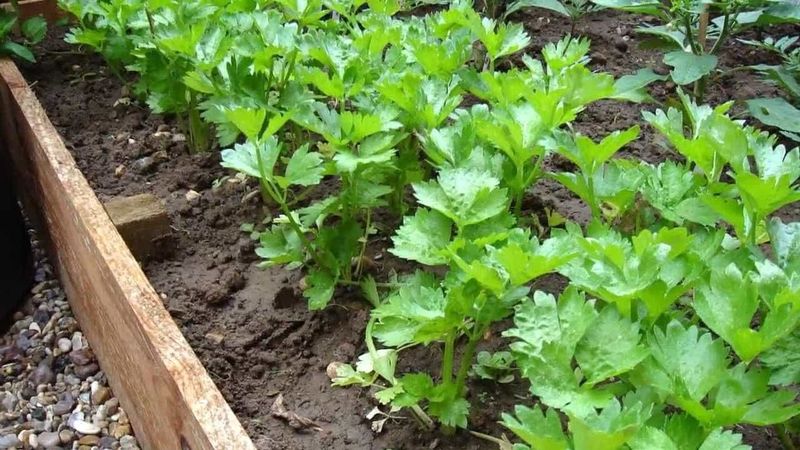
Celery has a reputation for being fussy about water, and for good reason. Utah State Extension says water stress can make celery stalks stringy and strong-flavored.
Texas A&M AgriLife in Bexar County lists drought as one possible reason for off-flavored, bitter celery.
Notice the wording: water stress is a contributor, not a verdict. A soil surface that looks dry for a while does not prove your plants were stressed, since the roots may have had plenty of moisture a few inches down.
Neither source says that every dry spell causes these symptoms, and neither can diagnose your particular bed.
Other conditions can also change how celery tastes and feels, including heat, low fertility, and how mature the plant gets. So the useful first step is not blame.
It is learning to check what is happening in the root zone, which the next section covers.
Check soil moisture before watering
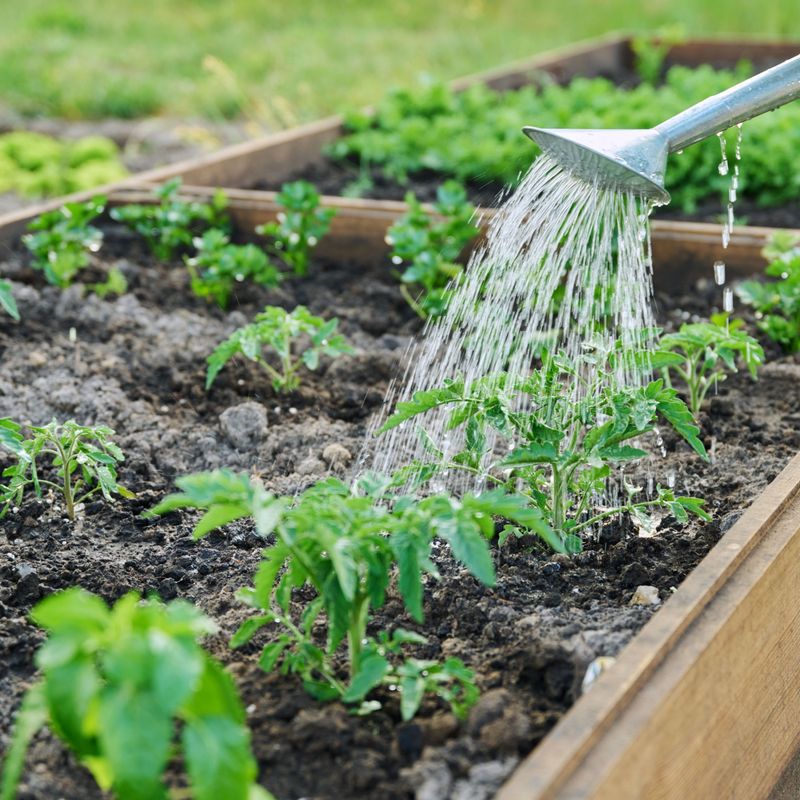
Celery has a small, shallow root system, so it leans on steady moisture near the surface. That is why it benefits from regular, thorough watering rather than quick sprinkles.
A simple test beats guessing. UF/IFAS advises watering vegetables when the top half inch to one inch of soil is dry, then wetting the root zone thoroughly.
Push a finger into the soil to that depth. If it feels damp, wait.
If it is dry, water deeply.
For a rough benchmark, Utah State Extension suggests about 1 to 2 inches of water a week from rain and irrigation during the growing season. Treat that as a starting point, not a schedule.
A dry-looking surface or a day on the calendar does not prove it is time to water, so let the soil be your guide.
Adapt watering to your Texas or Florida bed
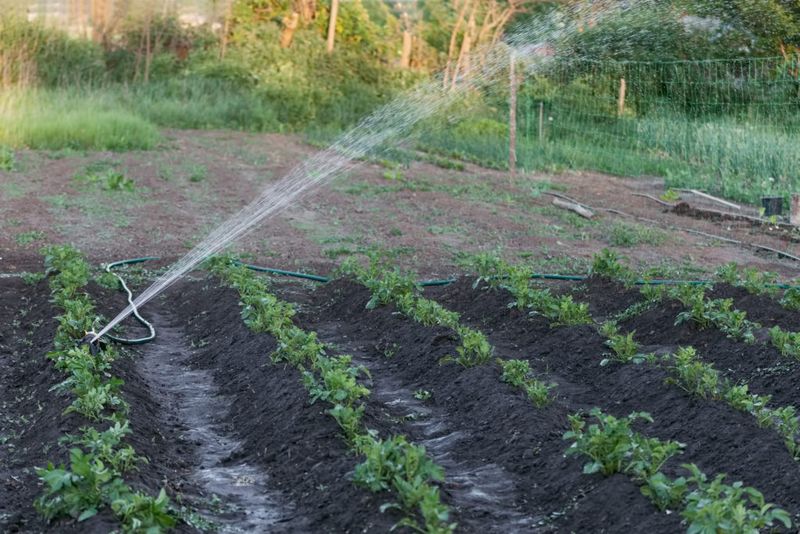
Soil varies a lot across both states, so your bed may behave differently than a neighbor’s. In Texas, AgriLife’s home vegetable guide says to wet the soil at least 6 inches deep.
It also notes that sandy soils need checking and watering more often than heavier soils, and that mulch helps conserve moisture.
Florida advice is a little different. Florida soils often drain quickly, and UF/IFAS explains that soil type and mulch both affect how often a bed needs water.
Its top half inch to one inch check is a separate recommendation from the Texas depth guidance, so use the one that fits your area and soil.
Do not overcorrect. The goal is thorough moisture, not a swamp.
Soggy soil can harm roots, so let excess water drain and check again before watering a second time.
Consider heat, fertility, maturity, and pithiness
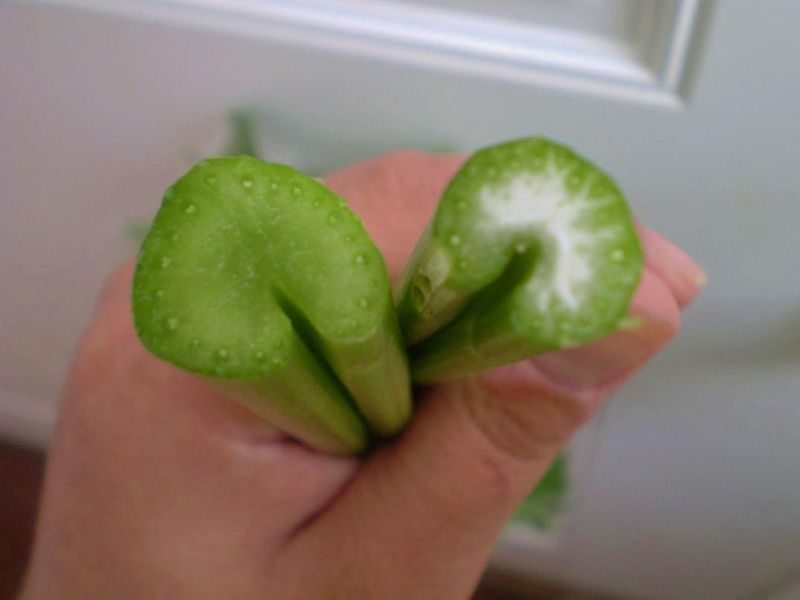
Water is only one piece of the puzzle. Texas A&M points to high temperatures near maturity and low fertility as possible reasons for poor celery quality, and Utah State notes that celery harvested in hot, dry weather may be tough, stringy, and bitter.
Without more evidence, you cannot say which one affected your crop.
Pithiness is a different problem. UC Davis describes it as white, spongy tissue inside the stalk.
Possible contributors include water or temperature stress, changes before bolting, root infections, and over-maturity.
Stringy, bitter, strong-flavored, and pithy celery are not the same thing, so do not treat them as one diagnosis. Cut a stalk open and look inside, then taste it.
Those notes will help you spot patterns from season to season.
Protect future growth without promising to repair formed stalks
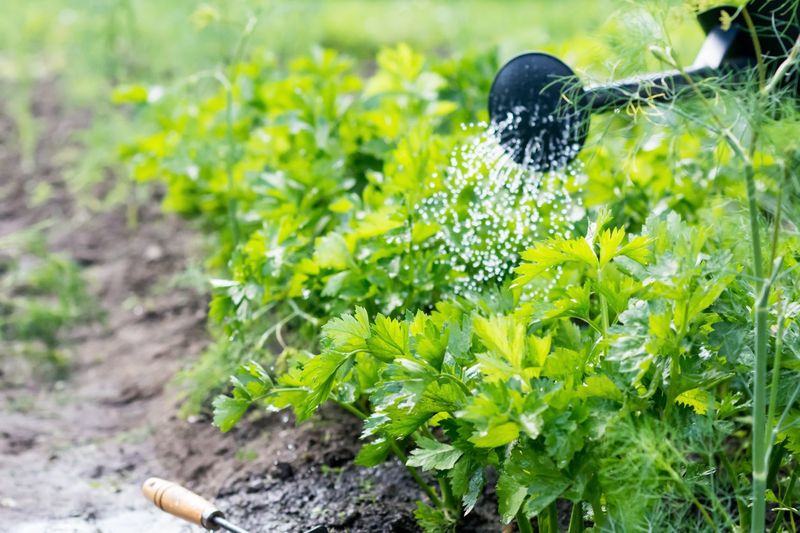
Better watering from here on can help prevent ongoing stress. It is a sensible step for stalks still developing.
It is not a promise that stalks already stringy or bitter will turn tender, because the sources do not show that watering reverses those traits.
Harvest choices are also practical to consider. Utah State Extension suggests picking outer stalks when they are about a foot long, or harvesting the whole plant once it is sufficiently developed.
Think of that as helpful guidance, not proof that timing caused your symptoms. Taste a stalk now and then as plants grow.
If older stalks are tough, the leaves and thinner stalks can still add flavor to soups and stocks.
Use local guidance for winter planting dates
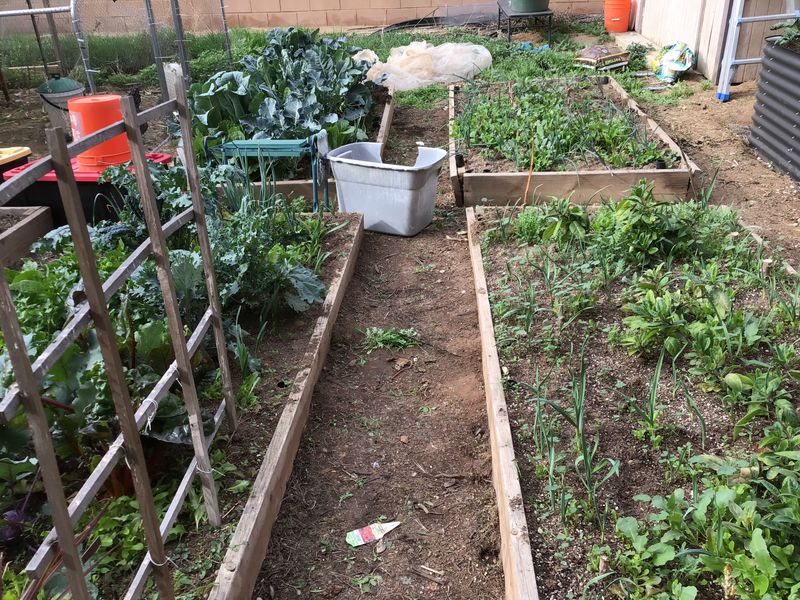
Texas and Florida do not share one winter calendar. A Bexar County AgriLife answer says gardeners in southern Texas can seed or transplant celery in late fall for a midwinter harvest.
Treat that as a southern-Texas example, not advice for the whole state.
Florida readers should look elsewhere for timing. The UF/IFAS Florida Vegetable Gardening Guide describes celery as difficult in home gardens and points gardeners to planting dates for their own region.
Your county extension office can tell you what works locally. Matching planting time to your area’s cool season may help celery finish before heat arrives.
Let root-zone moisture guide your next watering
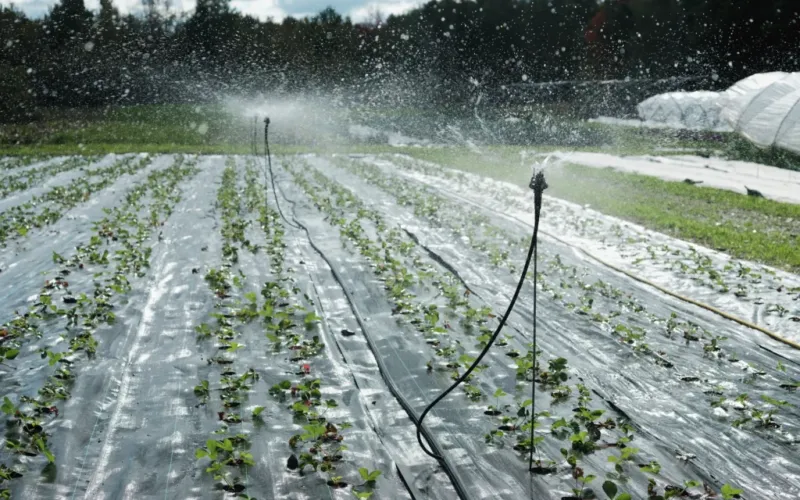
Before you reach for the hose, check the soil. Water deeply when the root zone needs it, and UF/IFAS warns against leaving roots soggy.
This is a smart prevention step, though not a guaranteed cure for the current harvest.
Celery rewards a gardener who pays attention to what is under the surface.