
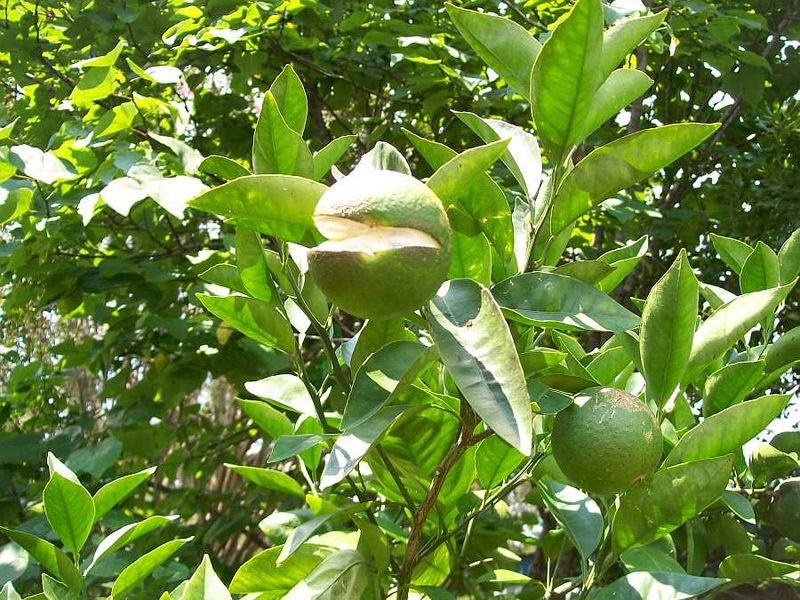
You walk out to check your lemon tree and find a fruit cracked wide open, right when it was almost ready to pick. It stings to lose fruit you have tended for months.
Splitting has more than one possible cause, and a sudden change in available water is one of the biggest suspects. Here is how to read the clues and what you can do to limit further damage.
A split lemon is a symptom, not a disease diagnosis
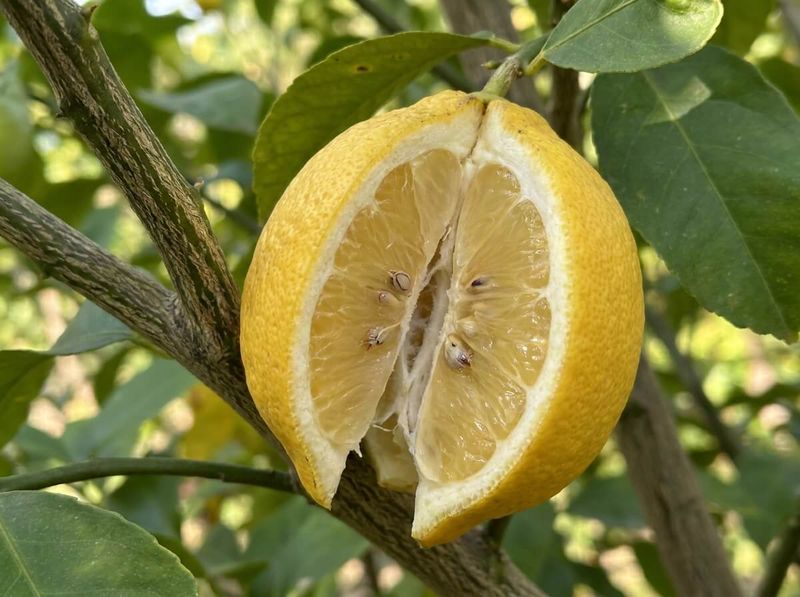
A split lemon usually shows a lengthwise crack that starts near the blossom end or the stem and opens as the fruit swells. Sometimes the crack is shallow and dry.
Other times it exposes the pulp, and the fruit looks like it burst.
It is natural to suspect a disease or bugs, but the splitting itself is a physiological problem. UF/IFAS Extension treats it as a growing disorder, and the UC Statewide IPM Program describes it the same way.
In plain terms, the fruit is under stress, and the rind gives way.
Fungi and insects can still show up afterward. An open crack gives decay organisms an easy way in, so you may see mold, soft spots, or ants and fruit flies on a split lemon.
Those are usually latecomers, not the original cause.
That difference matters because spraying for a disease will not fix a crack. Your better clues are timing, recent weather, and how evenly the tree has been getting water.
Why can a dry spell end in cracked lemons?
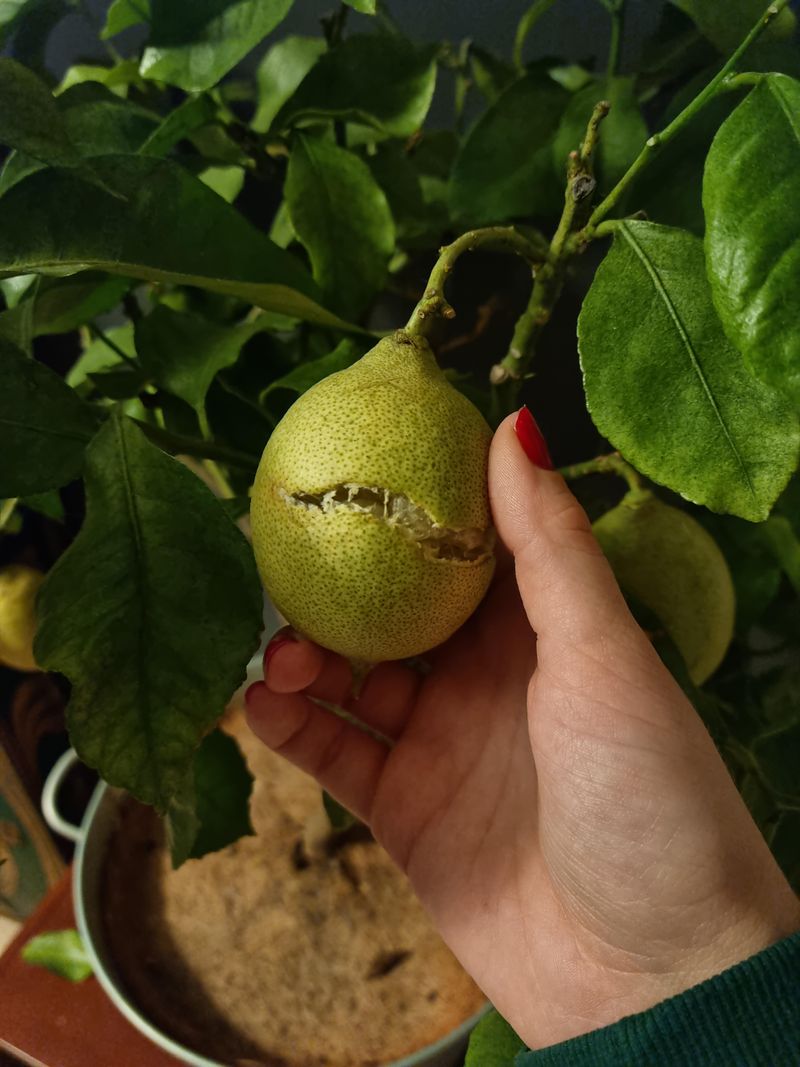
Picture a lemon as a balloon with a snug skin. During a dry stretch, the fruit grows slowly and the rind sets to fit that pace.
When water suddenly becomes plentiful, the inside can swell faster than the rind can stretch.
According to UF/IFAS, an abrupt increase in available water can trigger splitting, and UC IPM lists lemons among susceptible citrus. That water might come from rain or from a big irrigation after the soil has dried out.
Still, this is one possible contributor, not a full explanation. Moisture interacts with soil type, rootstock, weather, heat, hot winds, and sometimes nutrient status.
Two trees in the same yard can react differently to the same rain.
So if your lemons split, a dry spell followed by a soaking is worth considering, but keep an open mind about the rest.
Winter harvest does not mean winter-only splitting
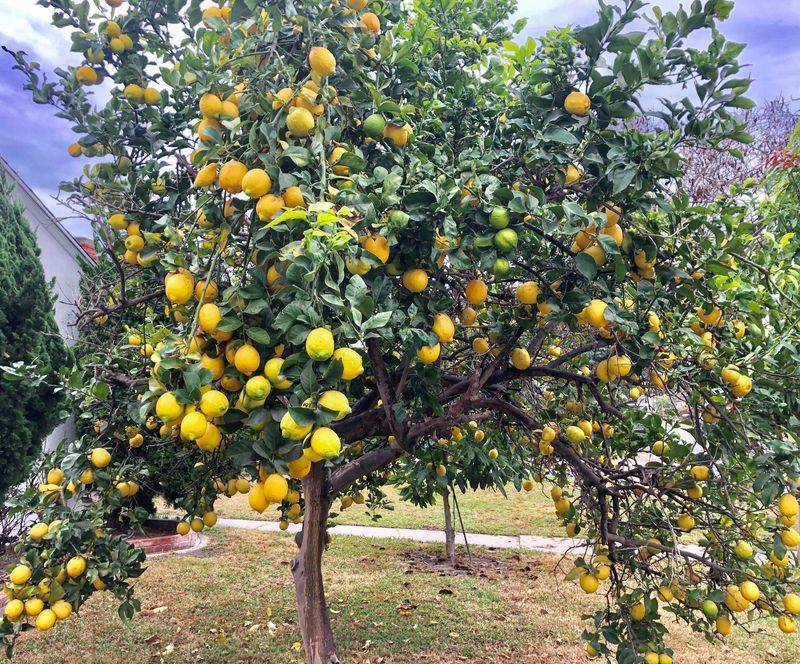
Lemons often ripen in cooler months, so a cracked fruit in January feels like a winter problem. The calendar is more complicated than that.
Harvest windows depend on the lemon type and where you live.
In Florida, UF/IFAS Okaloosa County lists Meyer lemon harvest as November through March and Bearss lemon as July through December. A Bearss tree could be carrying fruit through a hot, wet late summer, while a Meyer is still ripening in winter.
Home-landscape guidance from UF/IFAS also links splitting to hot, humid, rainy late summer and fall. That is well before winter rain shows up.
When you spot a split, note the date, the recent weather, and the lemon variety. Those three details will tell you more than the season alone.
Aim for even soil moisture, not a fixed watering schedule
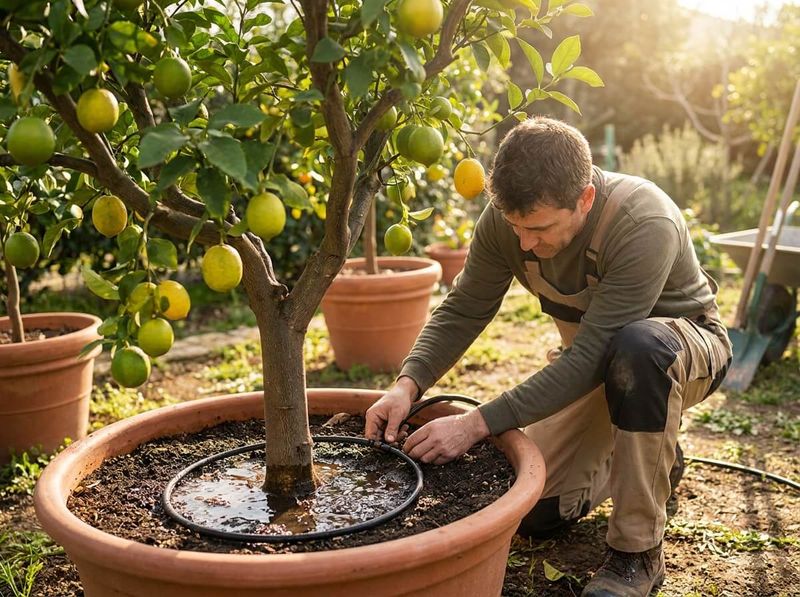
Your best move is steadiness. Try to keep the soil reasonably evenly moist, so the tree never swings from bone dry to soaked.
Constantly wet soil is not the goal, since soggy roots bring their own trouble.
Before you water, push a finger or trowel several inches into the soil beneath the canopy and think about the last week of rain. If the ground is still damp, wait.
UF/IFAS recommends uniform moisture as a way to lessen splitting once it starts.
After a long dry spell, avoid a sudden, heavy irrigation, especially if substantial rain is in the forecast. Smaller, more regular watering eases the tree back toward normal.
No single schedule fits every yard, because sandy soil, clay, shade, and heat all change how fast the ground dries. Even careful watering may reduce risk, but it cannot guarantee uncracked lemons.
Adapt watering to Texas or Florida conditions
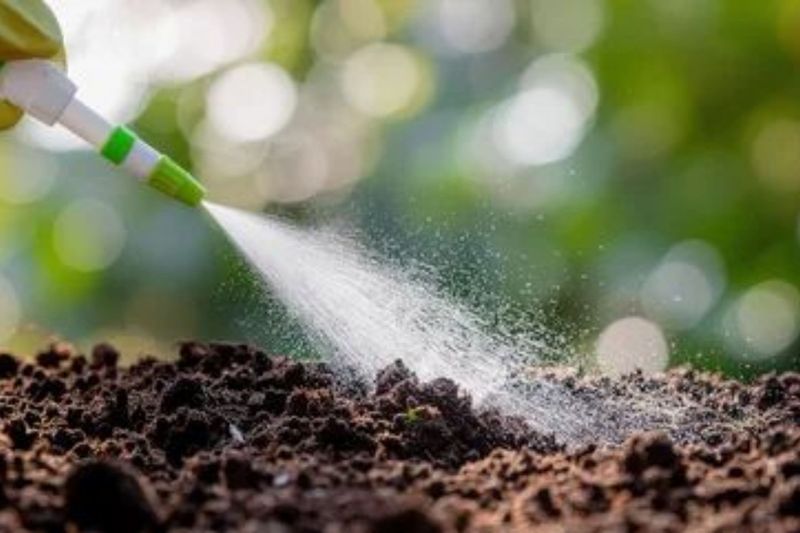
Texas and Florida share citrus, but not soil, rainfall, or weather patterns. Florida yards often have fast-draining sand, while parts of Texas have heavy clay that soaks up water slowly.
Texas A&M AgriLife describes a seasonal approach for established citrus in southern Texas, using rainfall and evaporation as guides. It also advises adjusting how water is applied to prevent runoff, particularly in slowly absorbing clay soil.
Those details are regional guidance, not a rule for every Texas yard or for Florida.
In clay, a slower, split application can soak in better than one fast blast that runs off the surface. In sandy ground, water drains quickly, so the soil may need attention more often.
Let your own soil, recent weather, and the tree’s age and size guide you. A rain gauge and a quick soil check will serve you better than copying a neighbor’s calendar.
Already split fruit needs cleanup, not a cure
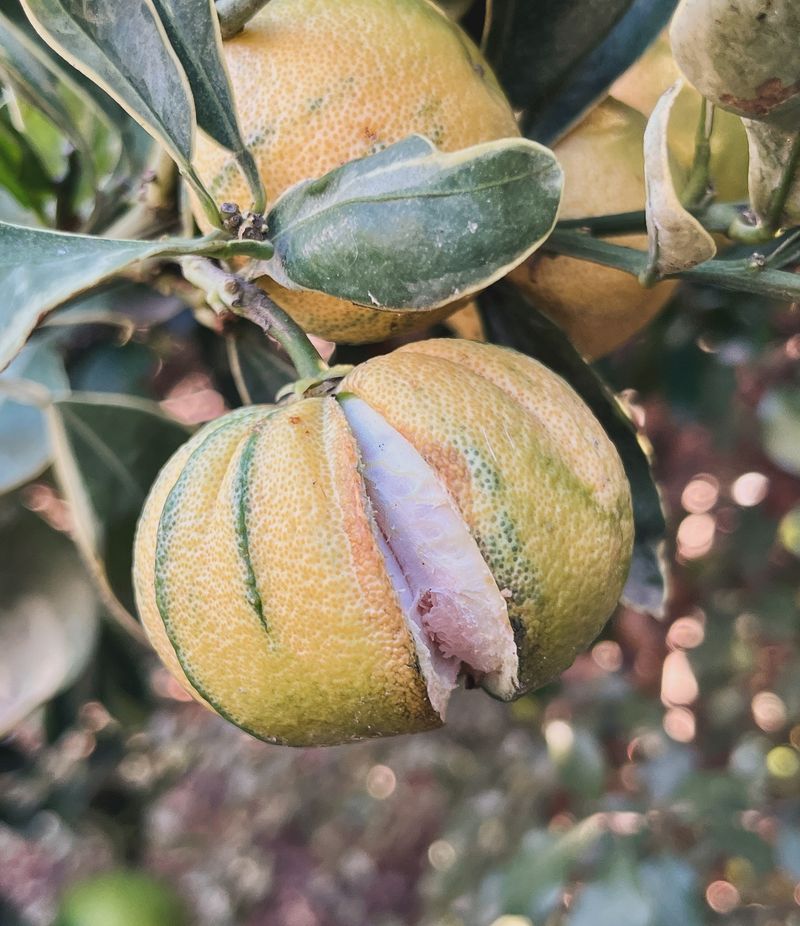
Once a lemon has cracked, there is very little you can do to repair it. Both UF/IFAS and UC IPM point out that damaged fruit can be taken over by decay fungi and insects.
If a split lemon is still firm and clean, you may be able to pick and use it soon. If it is going soft, molding, or attracting insects, remove it from the tree and from the ground below.
Getting rid of rotting fruit helps because damaged tissue can decay and contribute to problems in other fruit. Bag it or toss it in the trash rather than leaving it under the canopy.
Cleanup tidies up the tree’s surroundings, but it does not heal the tree or stop every future split. Think of it as damage control, with steadier watering as the longer-term effort.
When splitting repeats, investigate before fertilizing

If the same tree splits again next season, look wider than water. Heat, hot winds, soil type, rootstock, and sometimes nutrient status can all play a part.
It is tempting to reach for potassium or another nutrient right away, but that is not an automatic fix. Texas A&M notes that nutrient needs differ with soil, and UF/IFAS explains that nutrition management begins earlier in fruit development.
Guessing at the wrong time may do little.
A soil test, a look at leaf condition, and a call to your county Extension office will tell you more. Local advice can account for your soil and timing.
Skip commercial-orchard growth regulators and foliar nutrient sprays unless Extension guidance and the product label say they fit your situation, since timing and dose matter. Even steadier moisture only lowers the odds of splits.
A cracked lemon is the tree’s way of reporting a bumpy season, and a few notes each year can help you spot the pattern.