
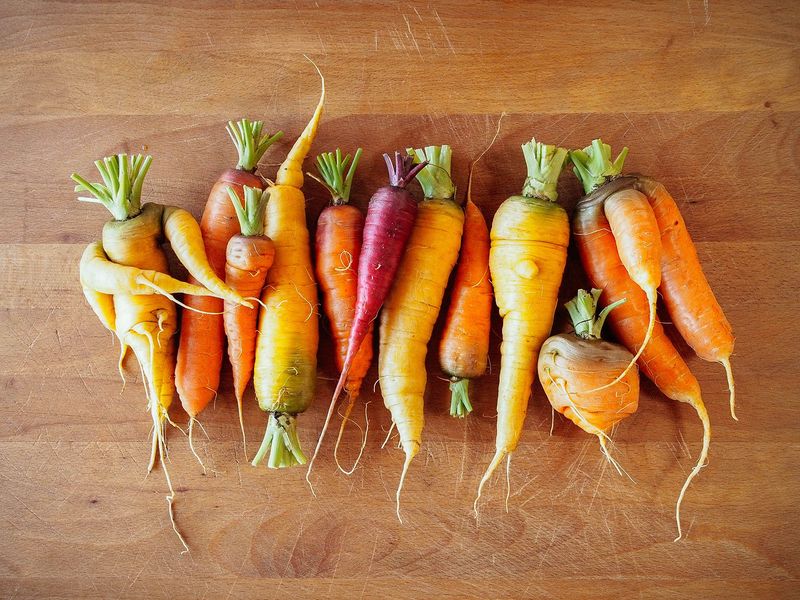
You pull a carrot from your fall bed and it splits into two legs or ends in a short, blunt tip. It is a common sight in Texas and Florida gardens, and it can feel like a failed crop.
Hard soil and fresh manure are two possible contributors, but they are not the only ones. Here is how to look at what you harvested and set up a better bed for the next sowing.
Forked roots can point to resistance, but they do not name the cause
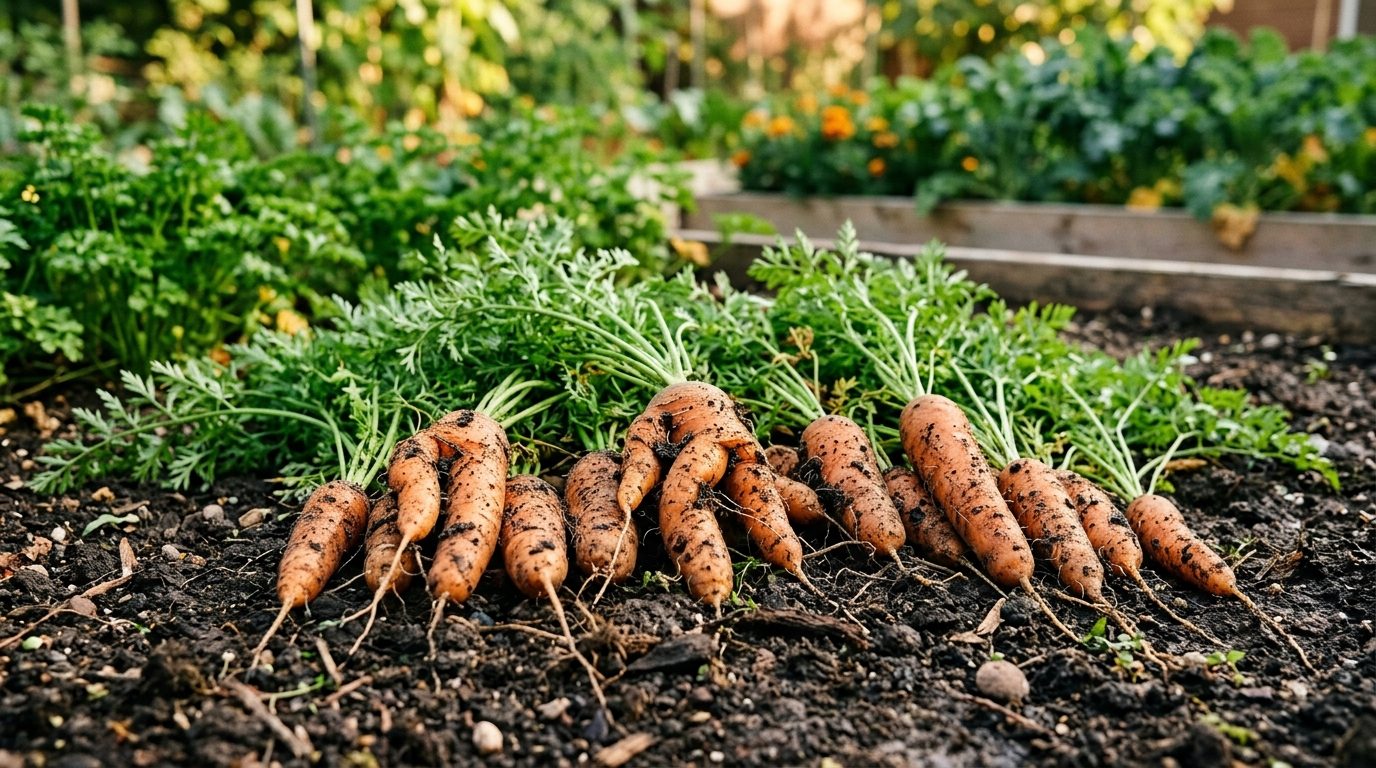
A carrot grows straight when its tip meets little resistance. When the tip runs into something hard, it may split, bend, or stop short.
Hard or compacted layers, rocks, and clods are all possible obstructions, and Texas A&M AgriLife Extension guidance recommends loosening carrot beds and removing rocks and large debris.
Poorly prepared soil can also make it harder for seedlings to get started. Illinois Extension advises breaking up clods before planting for the same reason.
Still, a forked root does not tell you for certain what went wrong. UC IPM lists several possible causes of forking and stubbing, so treat your harvest as a clue, not a verdict.
Look for clues that point beyond the soil
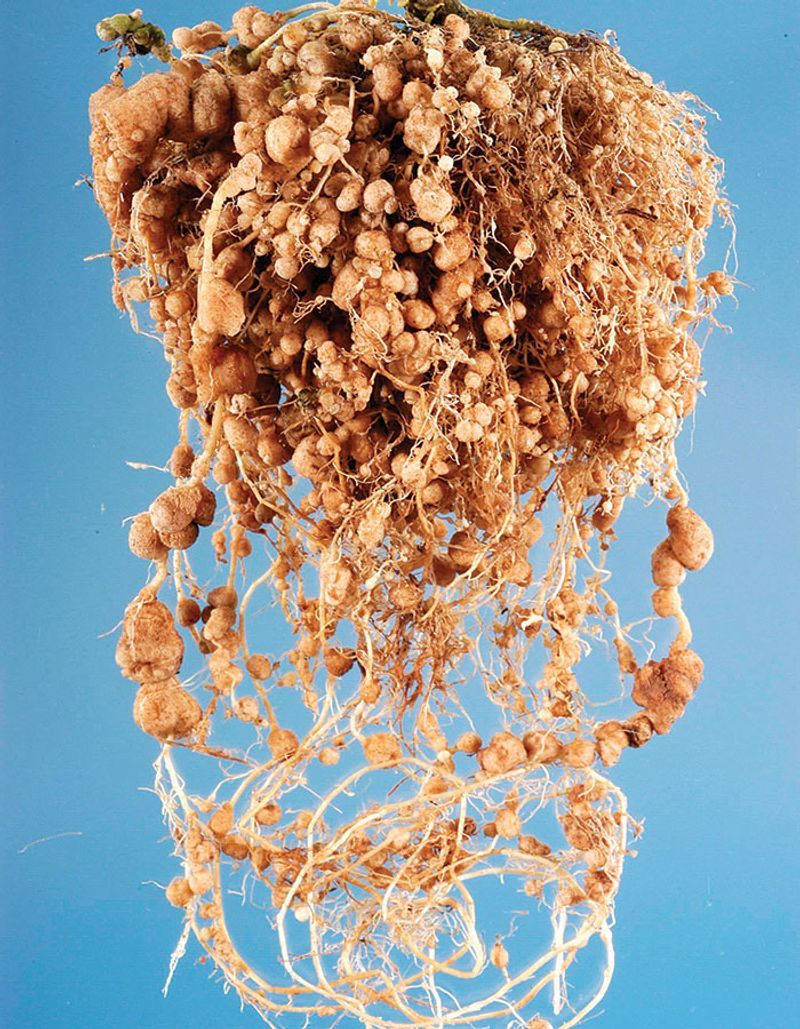
Soil is only one suspect. Nematodes, root diseases, too much water, and other root injury can all produce similar shapes, and the roots alone cannot sort them out.
Check for galls or swellings on the roots, a thick mat of fine roots, patchy stunting across the bed, and yellowing or wilting tops. These are clues worth investigating, not proof.
UC IPM notes that other causes can look much like soil problems, and its forking and stubbing page says only root-knot nematode galls are diagnostic among the symptoms it describes.
For background on how nematodes affect vegetables, see University of Maryland Extension.
If the trouble returns even after you improve soil preparation, contact your local Extension office about a diagnostic service or soil testing.
Build a loose, even seedbed before the next sowing
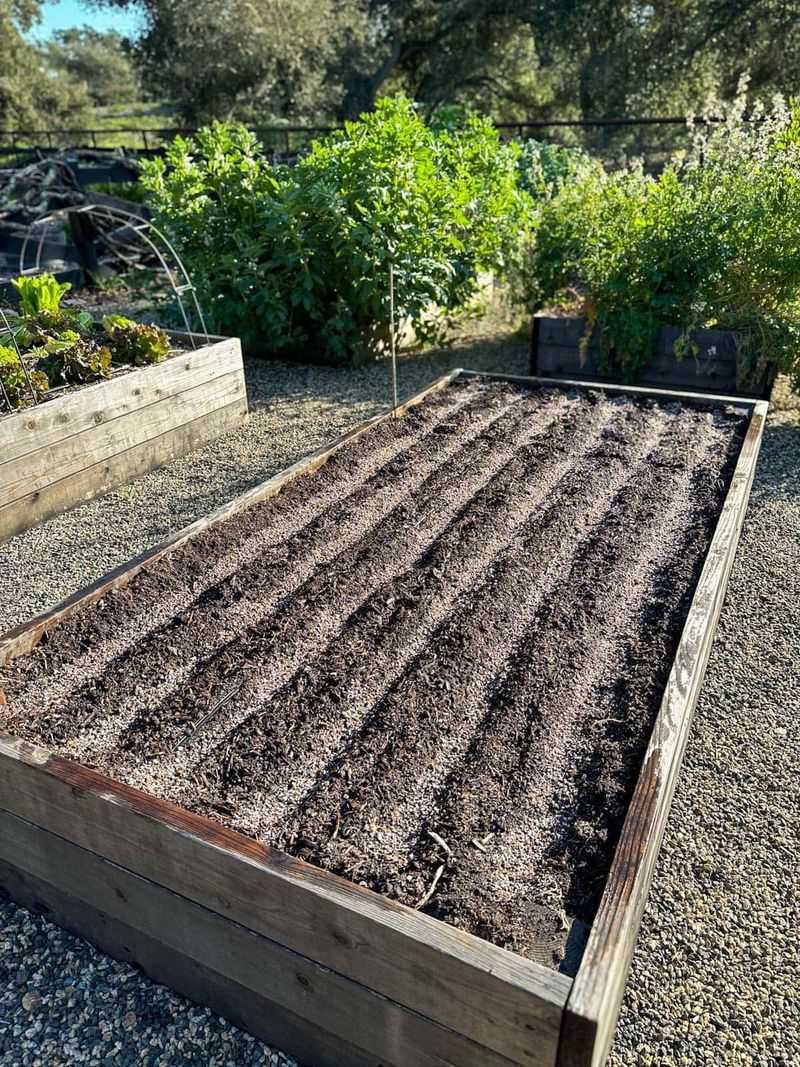
Timing the work matters. Wait until the soil is workable, crumbly in your hand, and not thoroughly wet, since digging soggy ground can create new clods.
Loosen the bed about 8 to 12 inches deep, a general guide that suits some sites better than others. Texas A&M suggests this depth, while Illinois Extension mentions 8 to 9 inches.
Break up clods, and pull out rocks, sticks, and other coarse debris as you go.
Finish by raking the top into a fine, even surface. UC IPM cultural tips point to a well-prepared bed for carrot growth.
A fine seedbed gives tiny seeds good contact with soil and gives roots an easier path. It improves your odds, but it cannot rule out pests or disease.
Keep fresh manure out of the just-sown carrot bed
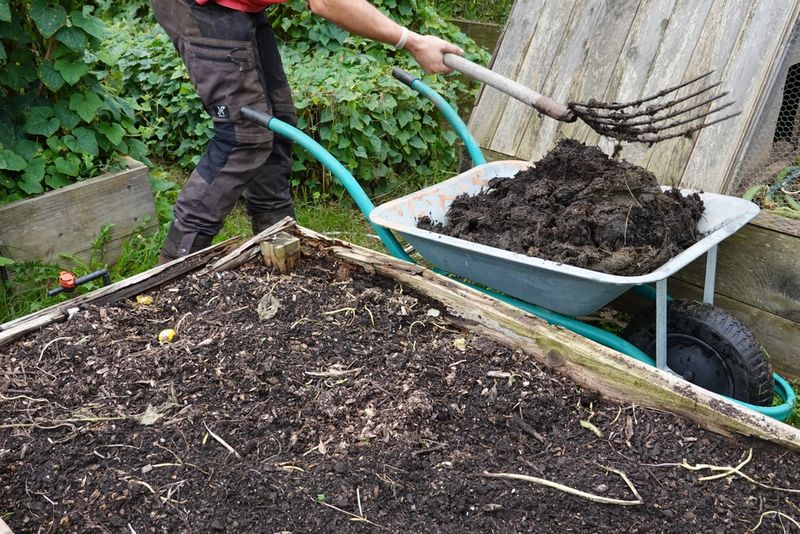
Extension sources caution that fresh manure may stunt root development or contribute to branching, partly because of its high nitrogen, as noted by Iowa State Extension. That makes it a possible risk, not a diagnosis for any one harvest.
Not all manure or compost is a problem. Finished compost and well-composted manure are different from raw material, and UF/IFAS says Florida soils often benefit from organic matter, with composted materials applied at planting.
Base fertilizer choices on your soil, not on heavy nitrogen by default.
Food safety is a separate issue from root shape. Raw manure can carry harmful microorganisms, and Virginia Tech Extension covers the concern for crops that touch soil.
The USDA 120-day interval is part of USDA organic standards, not a universal home-gardening rule.
Keep the seedbed moist without saturating the root zone
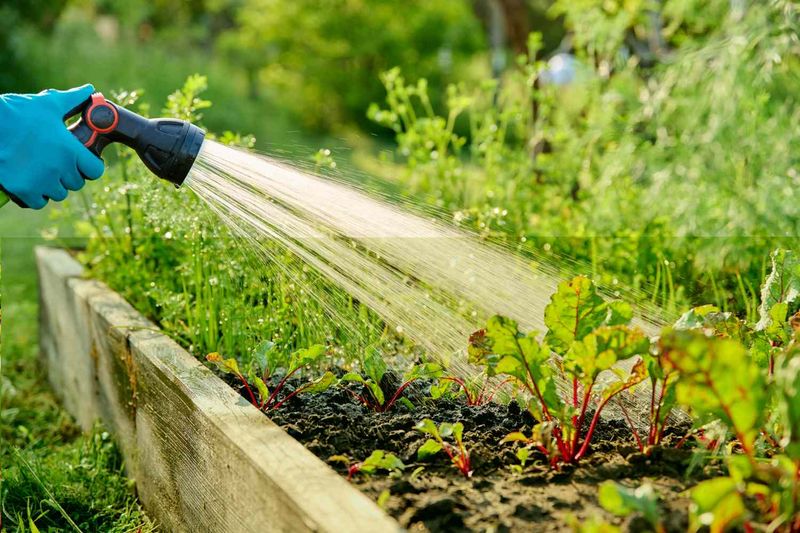
Carrot seeds are small and slow, so the top layer of soil should not dry out while they sprout. UC IPM explains that carrots need moisture through the root zone and that dry soil or a hard crust can impair growth.
Short, frequent light watering after sowing is a common way to keep the surface from crusting. Check with a finger rather than a schedule, especially in Florida sand, which drains fast, and in Texas heat.
Too much water is its own problem. UC IPM also lists excessive water among possible causes of forked or stubby roots.
Aim for even moisture, damp like a wrung-out sponge, and avoid a constantly soggy bed. Swings between bone dry and waterlogged are worth avoiding.
Match the carrot to heavy or shallow soil
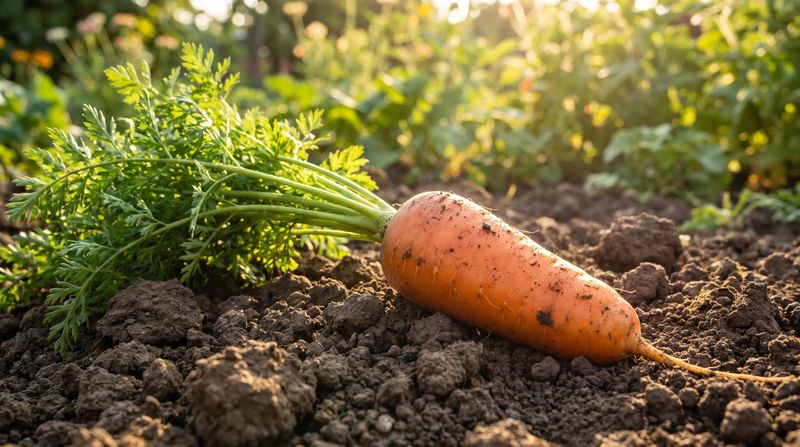
Some ground simply is not a good fit for long carrots. Heavy clay or shallow soil over rock or hardpan can keep resisting roots even after careful digging.
Two options can help match crop to site. A raised bed filled with suitable, loose soil gives roots room to grow, and UC IPM cultural tips discuss options for growing carrots in difficult soil.
Shorter-rooted varieties are the other choice. Look for types described as short, round, or half-long on the seed packet, and save the long ones for deep, loose soil.
Neither option is a cure. They simply put the carrot in a better position, and results can still vary with pests, disease, and watering.
Check local fall planting dates in Texas and Florida
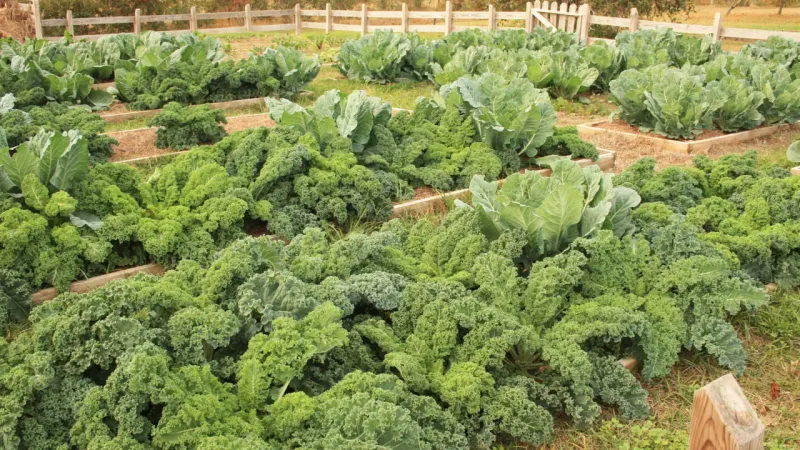
Texas and Florida do not share one fall calendar, and neither does each state within itself. Planting at the wrong time can add heat or cold stress to a crop already facing soil challenges.
For Florida, UF/IFAS lists carrot planting windows of August through March in North and Central Florida and September through March in South Florida.
Texas is large, with very different regions, so recommended dates vary. Check a local calendar such as the Texas A&M fall vegetable gardening guide or call your county Extension office.
Once you have your window, work backward. Prepare the bed a little ahead of sowing so the soil is loose, settled, and ready.
Save sound roots and reassess if the problem returns
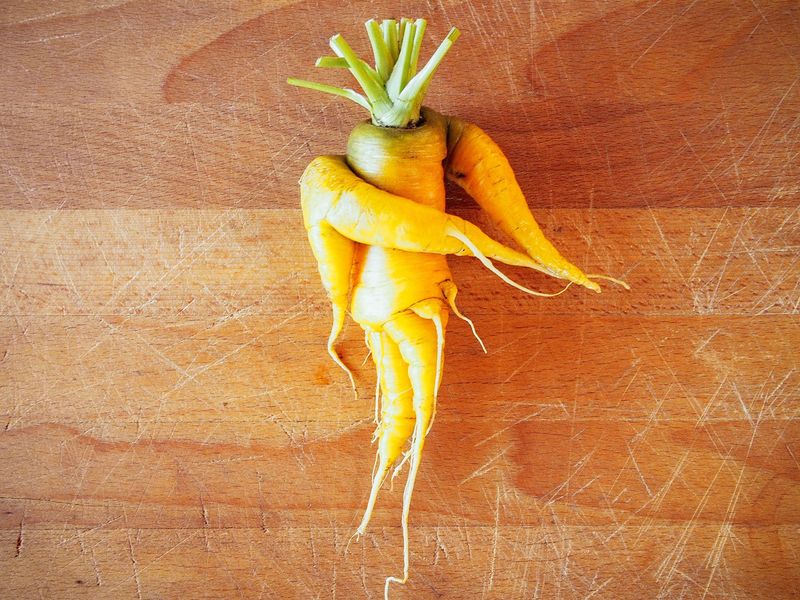
Before you toss that harvest, know that oddly shaped carrots are usually still good food. UF/IFAS Gardening Solutions says they are edible, though they may be harder to peel.
Discard roots that are spoiled, not ones that are merely forked.
At the next sowing, put the preparation and moisture steps to work. If forking returns, or you notice galls, heavy fine roots, patchy stunting, or yellowing and wilting, ask a local Extension office for help.
Root-knot nematode information can help you know what to look for.
A crooked carrot still tastes like a carrot, and it is also a message from the soil.