
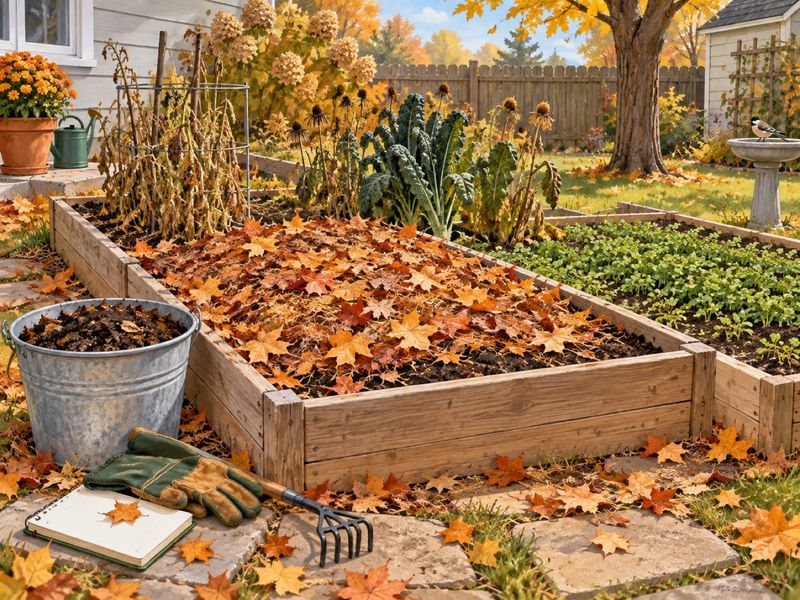
Right after the last tomatoes and collards come out, a vegetable bed can look tired and bare. At the same time, your yard is filling up with a free material that most people send to the curb.
Fallen leaves can add organic matter and help prepare a bed for spring, but only if you use them the right way. Here is how to match the leaves in your yard to the job.
Use November to prepare a harvested bed when leaves are available
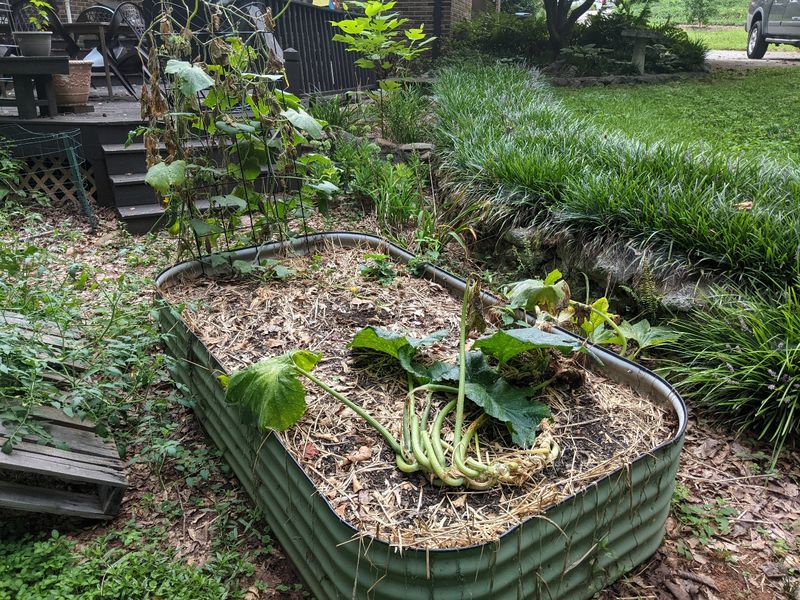
Between the final fall harvest and the first spring planting, a vegetable bed sits quiet for a few months. That pause is a handy time for soil work, and November is often when leaves are falling and the garden has been cleared.
NC State Extension recommends adding a layer of well-rotted leaves or compost in fall or before spring planting. Notice the wording: well-rotted.
Fresh leaves from the tree need different handling, which the next sections cover.
Timing depends on where you live. Mountain yards often lose their leaves earlier, while many coastal plain and southern Piedmont trees hold theirs into late November or December.
Weather matters too, since a wet week can leave leaves soggy and hard to gather. Use whatever suitable leaves you actually have, when you have them.
Think of this as soil preparation, not a harvest guarantee. Organic matter helps build better soil over time, but next spring’s results also depend on the crop, sunlight, water, and nutrients.
A simple goal for this month is to get your bed covered or amended, and to know which leaves are headed where.
Choose between decomposed leaves, surface mulch, and fresh leaves for compost
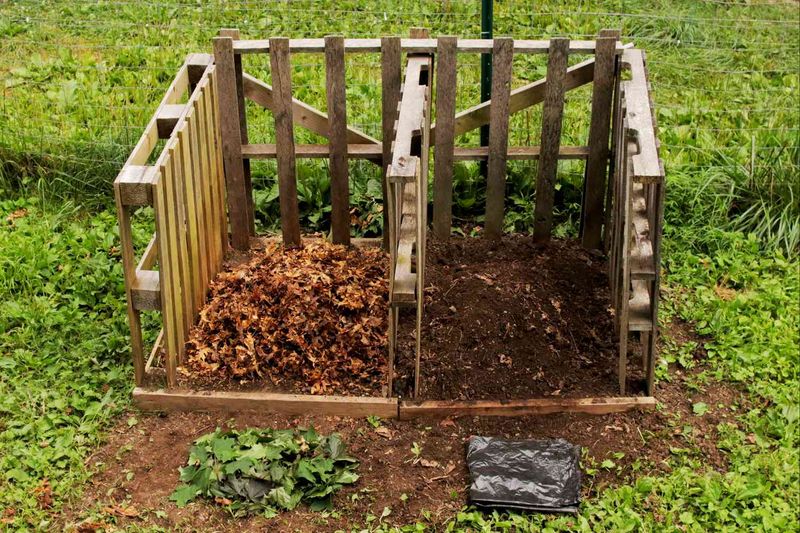
A few terms keep this simple. Leaf mold is leaves that have already broken down into dark, crumbly material.
Mulch is any layer that rests on top of the soil to protect it. An amendment is something mixed into the bed itself.
Fresh shredded leaves and well-rotted leaves are not the same thing, even though both started on a tree. Fresh leaves are high in carbon, and NC State notes that mixing high-carbon materials like leaves into soil can temporarily tie up nitrogen while microbes break them down.
That is why condition decides the method.
Here is a quick way to sort what you have. If the leaves are dark, crumbly, and earthy-smelling, they are ready to work into the bed.
If they are fresh and crisp, shred them and lay them on top as mulch. If you have a lot, or want finished material later, build them into a compost pile.
Mulch has its own practical rules too. NC State’s community gardening handbook points to shredding leaves so they stay put and do not pack into a dense mat.
Each of the next sections walks through one of these three paths.
Shred suitable leaves or add them to a managed compost pile
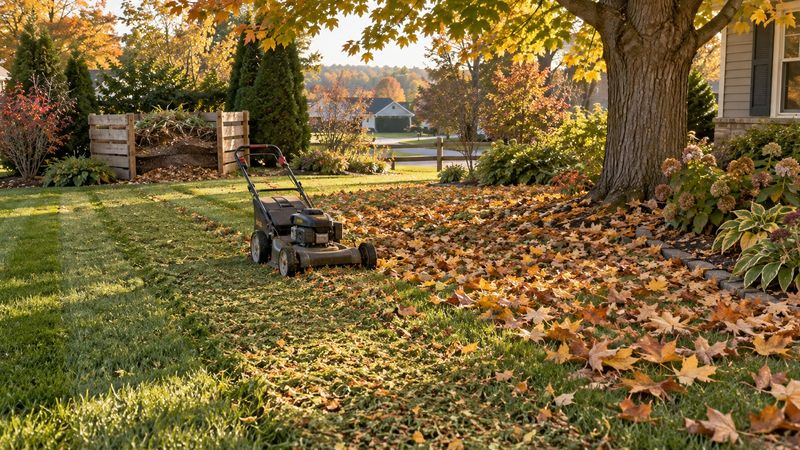
You do not need to buy anything to get started. Rake suitable leaves into a pile and run a mower over them a few times.
The chopped pieces are smaller, so they blow around less and break down faster than whole leaves.
From there you have two choices. You can spread the shredded leaves as mulch, using the approach in the next section, or you can add them to compost.
Shredded leaves are a handy way to get a pile going.
For composting, Penn State Extension suggests layering leaves with nitrogen-rich materials such as grass clippings or kitchen vegetable scraps. Turning the pile now and then gives the microbes oxygen.
Leaves alone are slow because they are so carbon-heavy, and the green layers help balance them.
Penn State says compost can be ready by spring if the pile is turned three or four times. Treat that as a possibility, not a promise.
Cold snaps, dry piles, and big whole leaves can all slow things down. If the pile is not finished by planting time, keep using it as a source for next fall.
Collect from lawns and beds you know are free of treatments and problem plants. The last section covers what to leave out.
Incorporate well-rotted leaves into the harvested bed
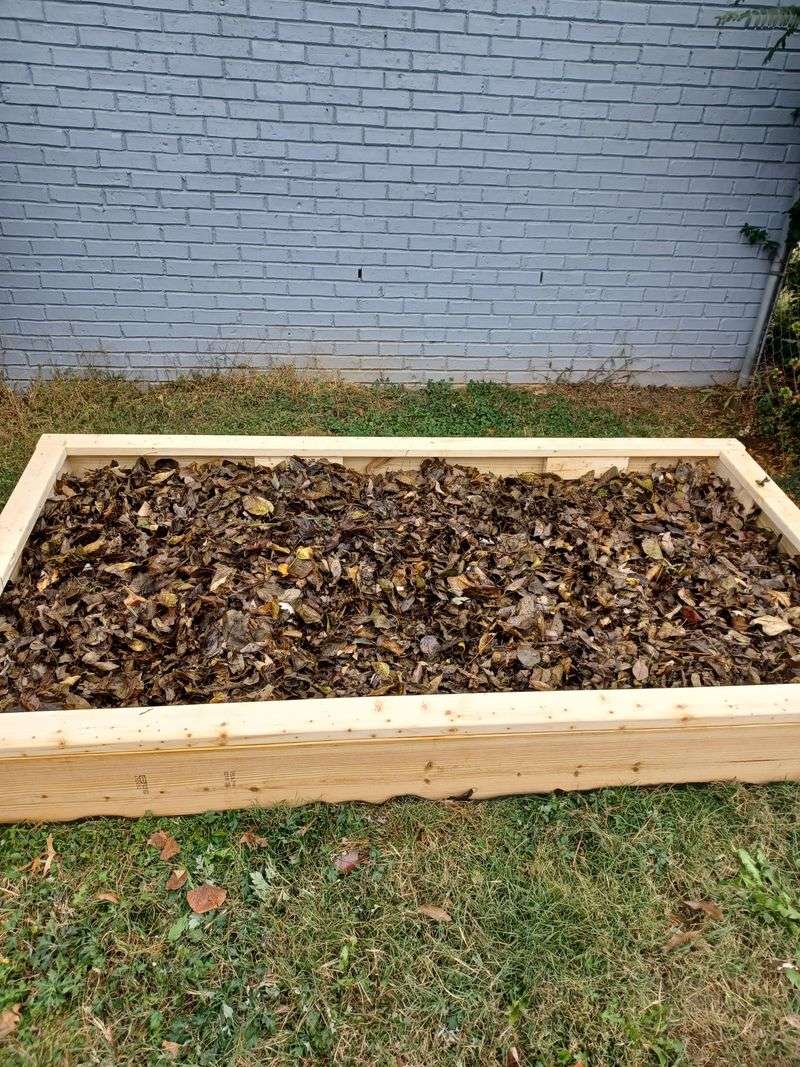
Here is the bed-prep step in plain terms. Clear spent plants from the bed, spread a 2 to 3 inch layer of well-rotted leaves or compost over the surface, and work it into the soil.
NC State recommends this in fall or before spring planting, so you have some flexibility if November gets busy.
A garden fork or tiller can mix it in. Aim to blend the material into the top several inches rather than leaving a thick band buried in one spot.
If the soil is very wet, wait a few days so you do not compact it.
One round will not change a bed overnight. Adding organic matter again each year can help loosen heavy clay and help sandy soil hold more water and nutrients.
That slow build is the real payoff.
Now the warning. Fresh leaves are a different story.
Fresh, high-carbon material mixed into soil can temporarily tie up nitrogen as it decomposes. Young plants in that bed may then have less nitrogen available.
So skip digging fresh leaves into a bed you plan to plant soon. If your leaves are still crisp, use them as mulch or put them in the compost pile.
Save the digging for material that has already broken down.
Keep fresh shredded leaves loose as surface mulch
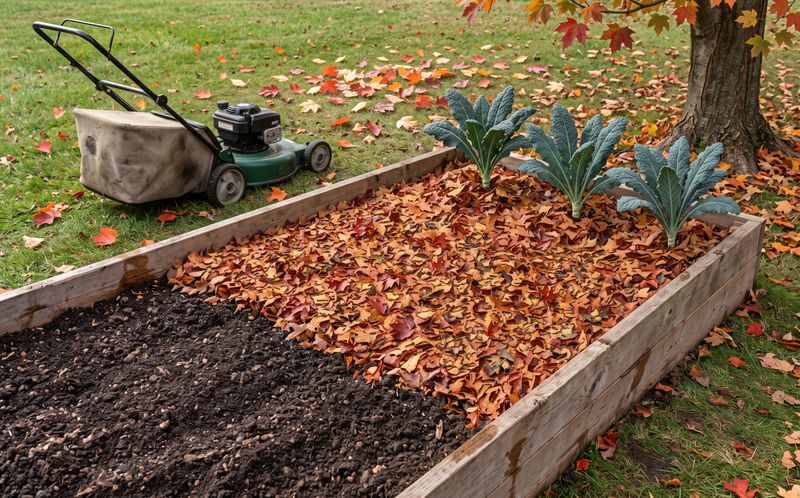
When the leaves are fresh, let them stay on top. A shredded layer over bare soil protects it through winter rain, and you avoid the nitrogen problem altogether because nothing is being mixed in.
Shredding matters here. Whole leaves, especially broad ones like maple or sycamore, can lie flat and pack down.
NC State’s handbook notes that shredded leaves are less likely to blow away or form a dense mat, and they break down faster.
As for depth, NC State’s vegetable gardening guide says 1 to 2 inches of loose mulch helps keep weeds down and soil moist. Organic mulch generally does not need to go deeper than about 4 inches.
More is not better.
Keep the layer fluffy. A thick, soggy, compacted blanket can shed water instead of letting it soak in.
Fluff it with a rake after heavy rain if it starts to mat.
Come spring, you can pull the mulch aside where seeds or transplants will go. Whatever has softened can be left to keep breaking down, or raked into a compost pile.
Use soil-test results to guide lime and fertilizer decisions
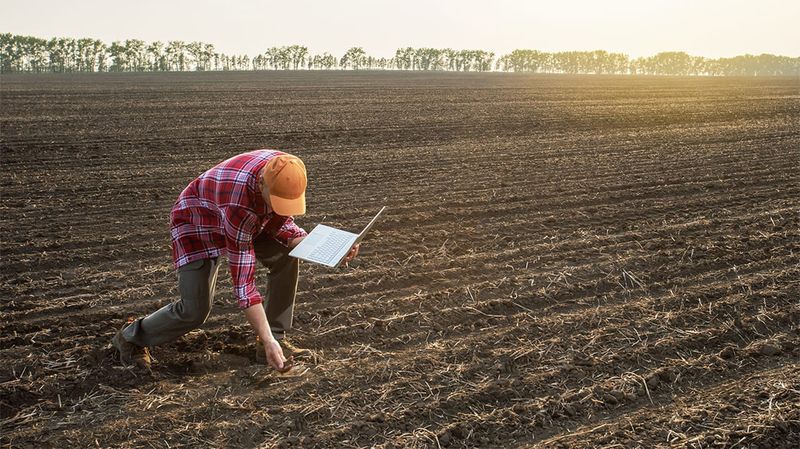
Leaves build organic matter, but they cannot tell you what your soil is missing. A bed can have plenty of compost and still be too acidic or low in phosphorus.
Leaves are also not a balanced fertilizer.
That is where a soil test comes in. NC State recommends testing and amending based on the report.
The test shows your soil’s pH and nutrient levels, so you apply only what is needed rather than guessing. Many North Carolina soils are acidic, so lime is often part of the answer, but only the report can say for your bed.
Late fall is a good time to sample, since lime takes time to work. Take small scoops from several spots in the bed, mix them, and send in a sample following the state lab’s instructions.
It also helps to know what the soil does with nutrients. NC State’s soils chapter explains that soil tests guide pH and nutrient corrections, and that lime should go on when the test calls for it.
As for next spring’s harvest, many things shape it: the crop, sunlight, water, and nutrients. Leaves can help the soil, but they are one piece of the picture.
Screen yard waste before putting it in garden compost
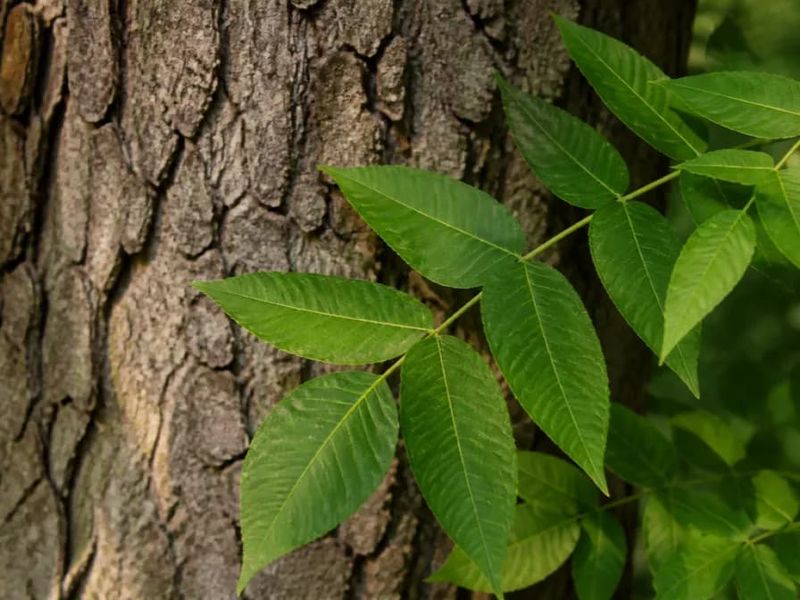
A quick check before anything goes in the pile saves trouble later. NC State’s composting guidance says to leave out diseased or insect-infested plants and pesticide-treated yard trimmings.
It also flags black walnut leaves and twigs, seeded weeds, and weeds with invasive roots.
For compost headed to the vegetable bed, keep out:
Known diseased or insect-infested plant material. Clippings from lawns or shrubs that were sprayed.
Black walnut leaves and twigs. Weeds that have gone to seed.
Weeds that spread by invasive roots.
If you are not sure about a leaf pile, such as a neighbor’s bag with no label, it is safer to leave it out of garden compost.
After screening, your choices are simple. Work well-rotted leaves or compost into the bed at 2 to 3 inches, as NC State advises.
Mulch with fresh shredded leaves kept loose. Or compost suitable leaves for later.
None of these promises a bigger spring harvest.
A free pile of leaves is a head start on better soil, and the soil is the part you get to keep.