
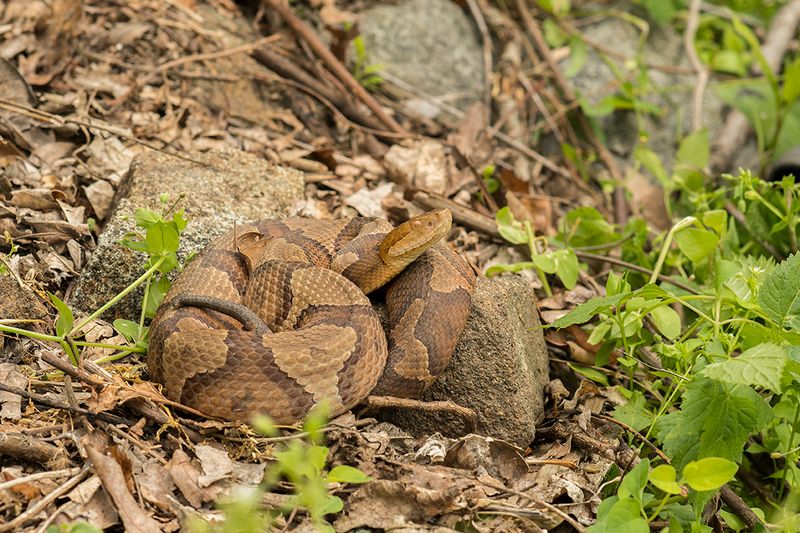
Copperheads blend in so well with fallen leaves that a person working in the right spot could get close without seeing one. In Florida, that spot is mostly the western Panhandle, not the whole state.
If a bite ever happens, the first few minutes matter, and a simple plan is easy to learn now. Here is what to do, what to skip, and how to stay careful during fall yard work.
Copperheads are a localized Panhandle concern
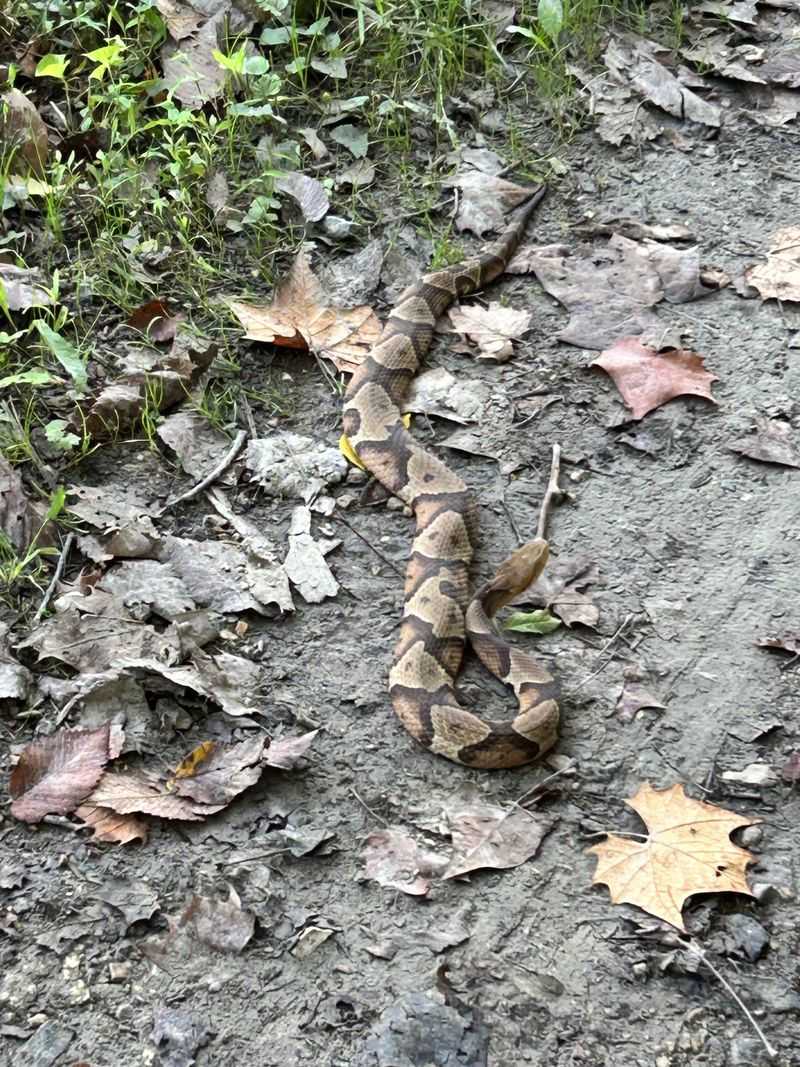
Florida is not one big copperhead zone. The Florida Museum of Natural History lists verified records in Calhoun, Escambia, Gadsden, Jackson, Liberty, Okaloosa, and Santa Rosa counties, and notes the range may reach nearby areas.
Records cluster in the western Panhandle and around the Apalachicola River.
UF/IFAS also places copperheads in a small part of the western Panhandle. If you garden in Miami, Tampa, Orlando, or Jacksonville, copperheads are not a normal part of your yard.
Where copperheads do live, their patterned bodies blend in with leaf litter, logs, and other debris. Those materials can give them shelter, which is why a thick pile of leaves in that region deserves some respect.
Fall encounters are possible. UF/IFAS Extension in Franklin County describes fall breeding and more chances to cross paths with Panhandle snakes, copperheads included.
That is different from proof of a statewide fall spike in bites. The sources also do not show that raking commonly causes copperhead bites.
Think of this guide as a plan for people who work in copperhead habitat, or who find themselves helping after a suspected bite.
Call 911 as soon as a venomous bite is suspected
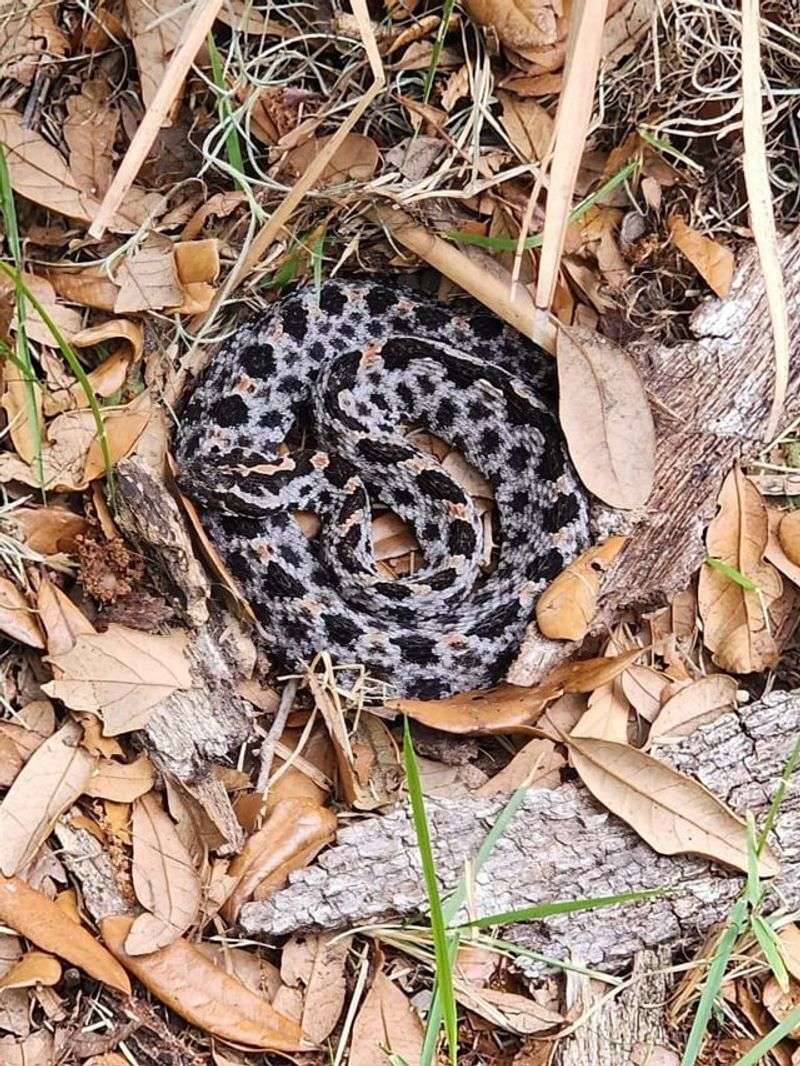
Dial 911 first. The American Heart Association and American Red Cross first aid guidelines say to activate emergency services for a bite from a venomous or possibly venomous snake.
Paramedics can start care on the way to the hospital.
Do not wait to see swelling, pain, or fang marks. Nobody can tell at home whether venom was injected, so a bite that looks mild still needs medical attention.
Skip the idea of driving to the hospital yourself. CDC/NIOSH guidance says not to drive yourself, because symptoms can build and make driving unsafe.
You also do not need to figure out what kind of snake it was. If it might be venomous, treat it as venomous and make the call.
Florida also has a Poison Information Center at 1-800-222-1222. Florida Poison Control can advise and coordinate with hospital staff.
Treat it as an extra resource, and never let that call delay emergency care.
Keep the person still while help is coming
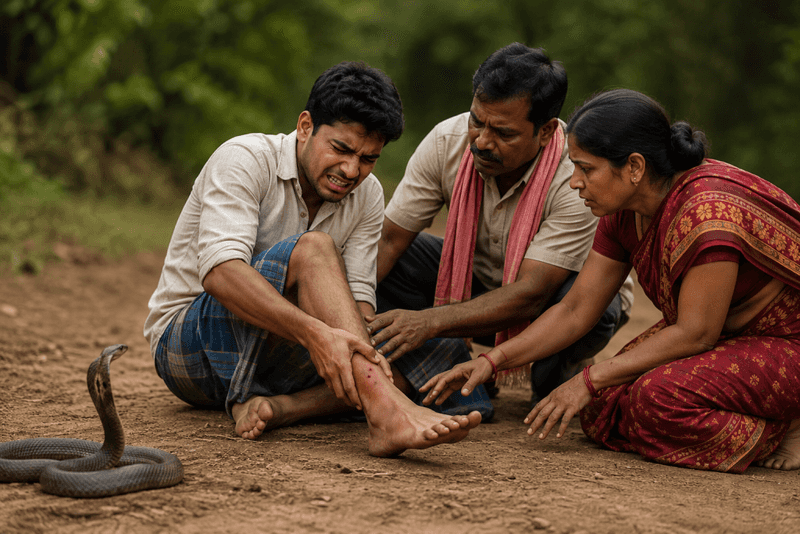
Once 911 is called, back away from the snake. Do not walk toward it to look closer or to move it.
A few steps of distance is enough.
Help the person sit or lie down and stay calm. Less movement and less exertion are the goals while you wait, so have them avoid walking around.
Loosely immobilize the bitten arm or leg, as American Heart Association and Red Cross guidance advises. Loose means supported and resting, not wrapped tight.
Take off rings, watches, bracelets, and tight clothing near the bite right away. Swelling can make them very hard to remove later, and CDC/NIOSH also lists removing constricting items.
Advice on limb position is not fully settled. A 2026 Wilderness Medical Society guideline suggests heart level during evacuation, while Florida Poison Control says below the heart.
Because of that, follow the 911 dispatcher or the poison-center clinician. They can tell you what to do in your exact situation, and stillness matters more than perfect positioning.
Avoid harmful bite treatments
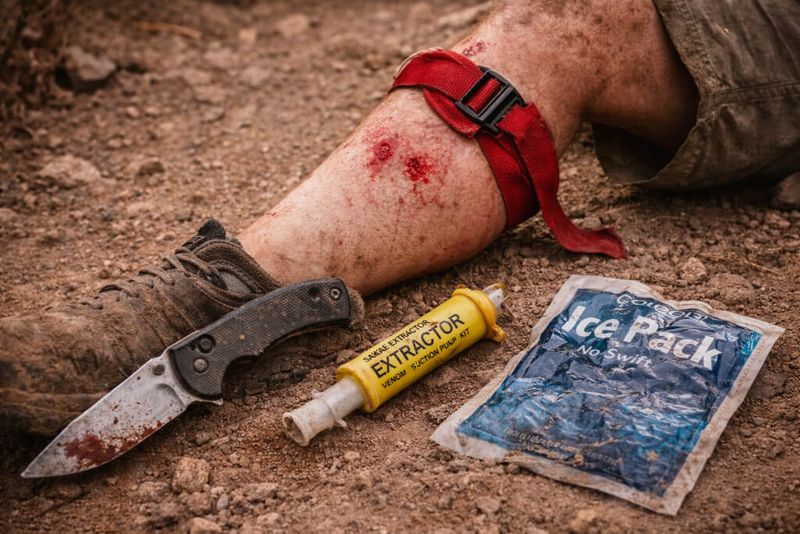
Movie-style snakebite fixes can do real harm. For a North American pit-viper bite, which includes copperheads, several popular methods should stay out of the picture entirely.
Do not cut the wound and do not try to suck out venom. American Heart Association and Red Cross guidelines list these as ineffective or potentially harmful.
Cutting can add injury, infection risk, and delay.
Do not apply a tourniquet. Cutting off blood flow can trap the effects in the limb and cause more damage.
Do not put ice on the bite. It is not recommended and does not help.
Do not use electric shock. This old idea has no place in snakebite care.
Do not apply a pressure-immobilization bandage. That wrap is used for some other kinds of snakebites elsewhere in the world, but it is not recommended for North American pit-vipers.
If you are tempted to do something extra, remember that waiting calmly for paramedics, with the person still and rings removed, is the better choice.
A snake photo is optional; medical care is not
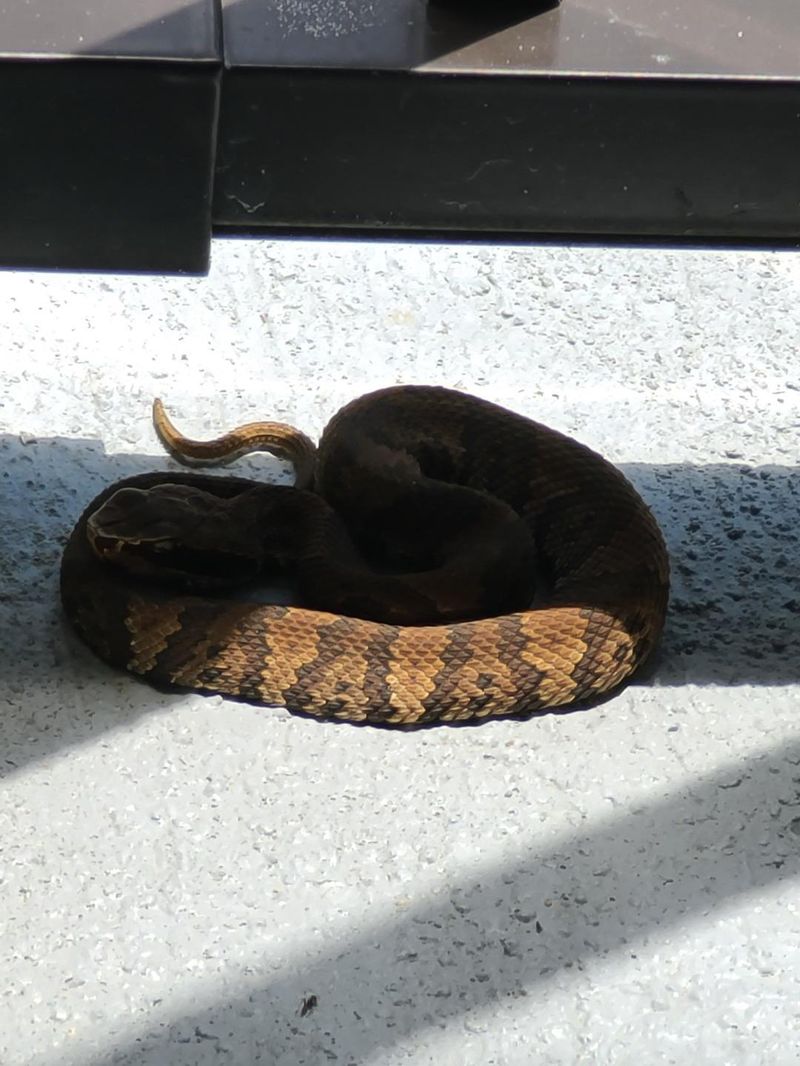
Leave the snake alone. Never try to pick it up, trap it, or kill it.
That is how second bites happen, and CDC/NIOSH guidance says not to handle or kill the snake.
A picture can sometimes help identification, but only if someone can take it from a safe distance. UF/IFAS points to photos as a safer way to identify snakes.
If the snake has slipped away, forget the photo and focus on the patient.
Do not bring the snake to the ER, and do not get close to study its head or pupils.
Copperhead bites vary. The Florida Museum notes they may cause substantial local pain and swelling, while serious effects throughout the body are less common.
Even so, medical evaluation is still warranted.
A bite that feels mild, or one with no clear fang marks, does not rule out venom. American Heart Association and Red Cross guidance says to seek emergency care for suspected venomous bites without waiting.
Care is not optional, even when the photo is.
Take practical precautions in snake habitat
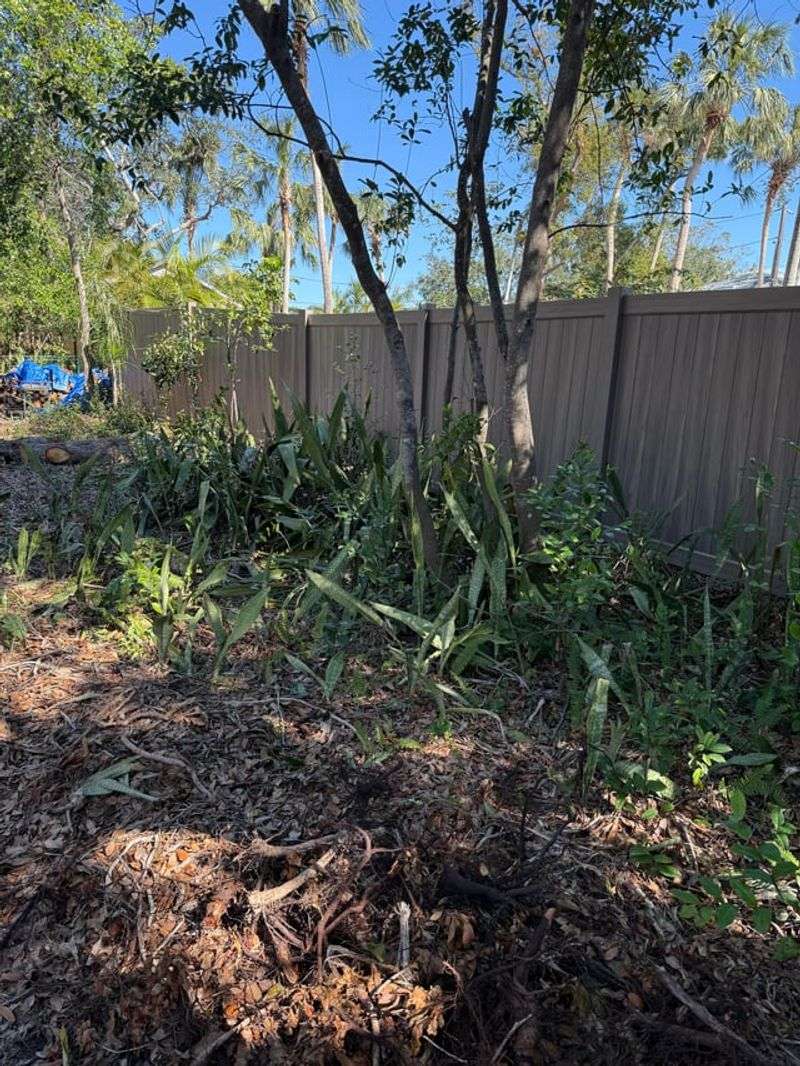
If you work where copperheads occur, a few habits make sense. None of them is a guarantee, and they do not mean every Florida yard is dangerous.
Start with your feet. UF/IFAS advises wearing boots when working in tall grass, deep leaf litter, and near rock piles.
Use a long-handled rake or tool to move leaf piles and debris, so your hands are not the first thing to touch them. Avoid reaching blindly into piles of leaves, brush, wood, or other concealed material.
Give any snake you see plenty of room. Stop work, step back, and let it move off on its own.
Keep kids and pets away from the area.
Leaf litter and debris can serve as shelter for copperheads in parts of the Panhandle, according to the Florida Museum. Their camouflage means you may not notice one until you are close.
Keep your phone in a pocket while you work so you can call 911 quickly. Working with a partner within earshot is another easy step.
Remember the first-minute plan
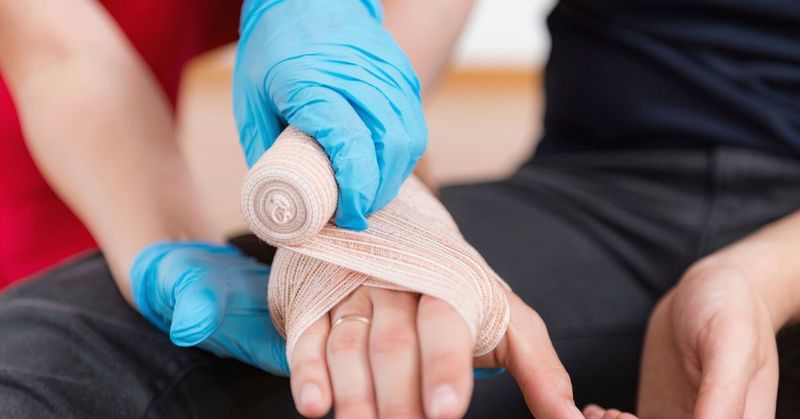
Move away from the snake. Call 911.
Keep the person calm and still. Loosely immobilize the limb and remove rings, watches, and tight clothing.
Skip home remedies. These steps follow current first aid guidelines.
Copperheads are a western Panhandle concern, not a statewide yard threat. A snake you never meet is the easiest bite to handle.