
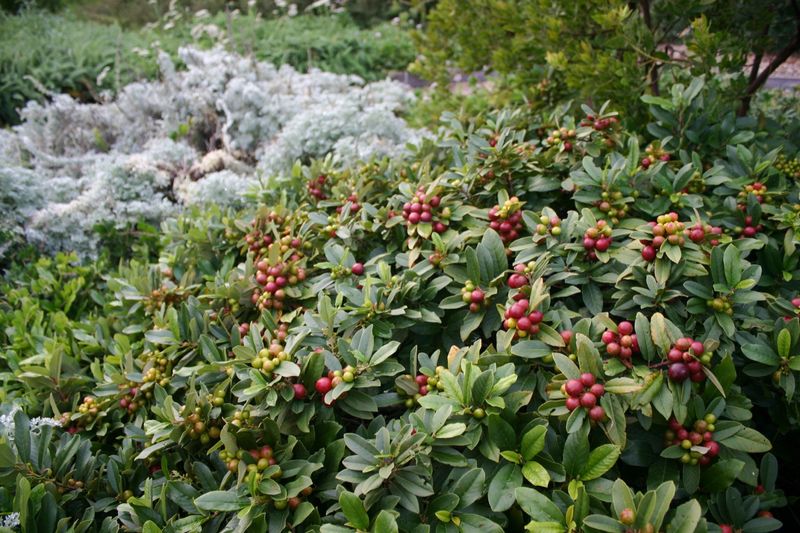
One winter morning your pyracantha is loaded with orange berries, and by lunch it looks like someone picked it clean. The culprits are usually cedar waxwings, sleek little birds that travel in hungry flocks across California from fall through spring.
Pyracantha feeds them fast, but it is not the best meal for them, and it can spread into wild places. The good news is that a handful of California native shrubs can feed waxwings better while saving water in your yard.
1. The Flock Behind the Vanishing Act
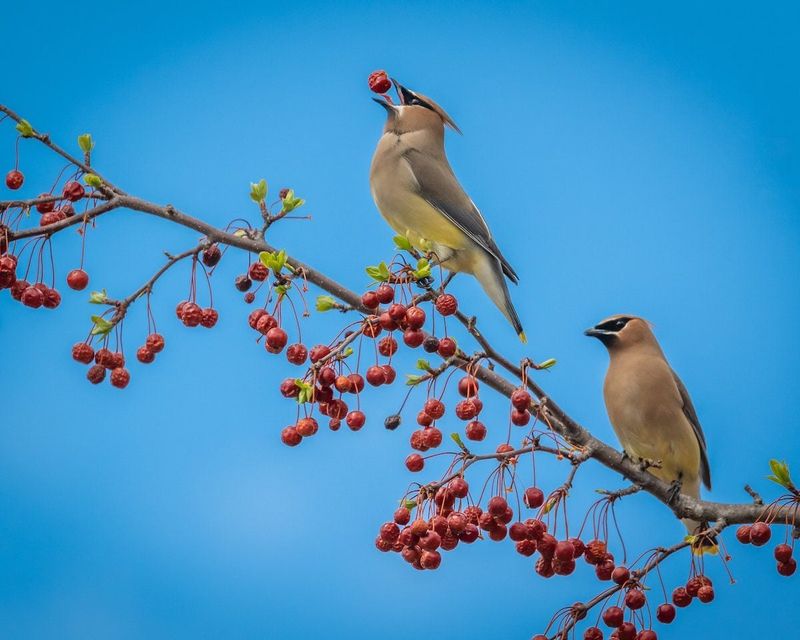
Picture forty birds landing at once, each swallowing berries whole, then lifting off together like a single cloud. Cedar waxwings rarely travel alone.
They move as a group, and a group that size can clear a shrub in an hour or two.
Waxwings are among the few North American birds that live mostly on fruit for much of the year. In California, many arrive in fall and winter, wandering wherever berries are ripe.
They have no fixed territory to defend, so they simply follow the food.
A fun detail: waxwings sometimes pass a single berry down a row of birds on a branch, beak to beak. Scientists think it may be a social or courtship behavior.
2. Why Pyracantha Berries Draw Them In
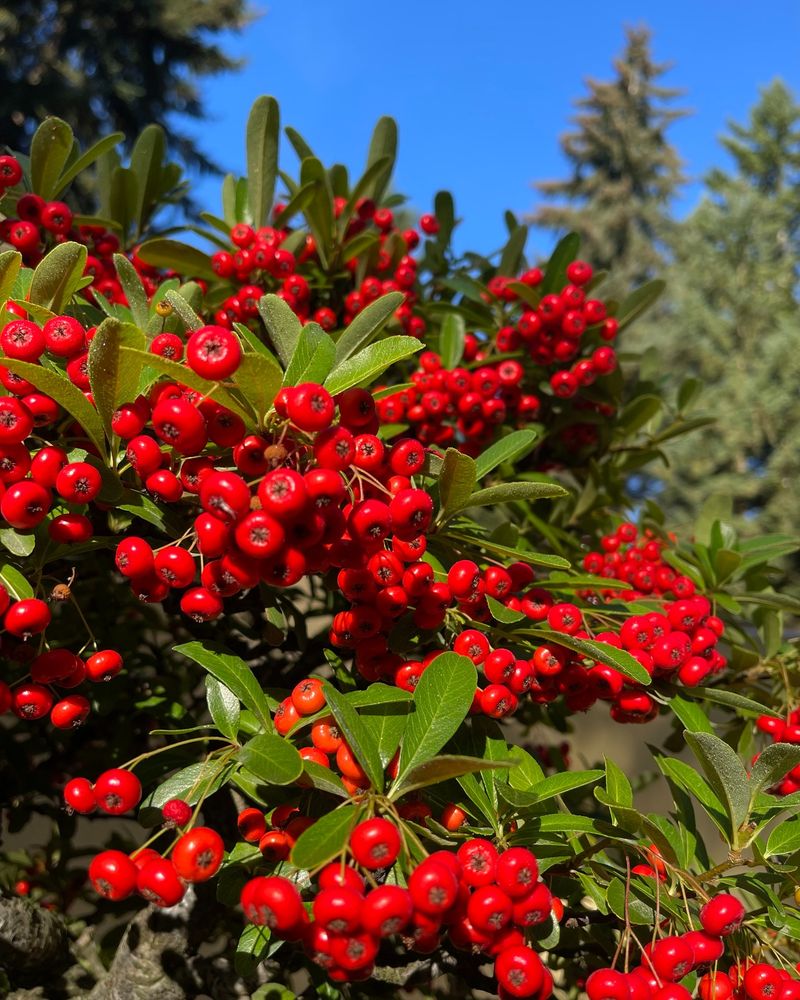
Bright color is basically a billboard for a fruit-eating bird. Pyracantha, also called firethorn, produces huge clusters of red or orange pomes that ripen right when waxwings show up in California.
The berries also hang on the shrub for weeks, which makes them a reliable stop. When other food runs thin in mid-winter, a fully loaded firethorn hedge stands out from a block away.
So when your shrub gets stripped, nothing is wrong with your yard. You simply planted the biggest buffet on the street.
3. The Tipsy Bird Problem
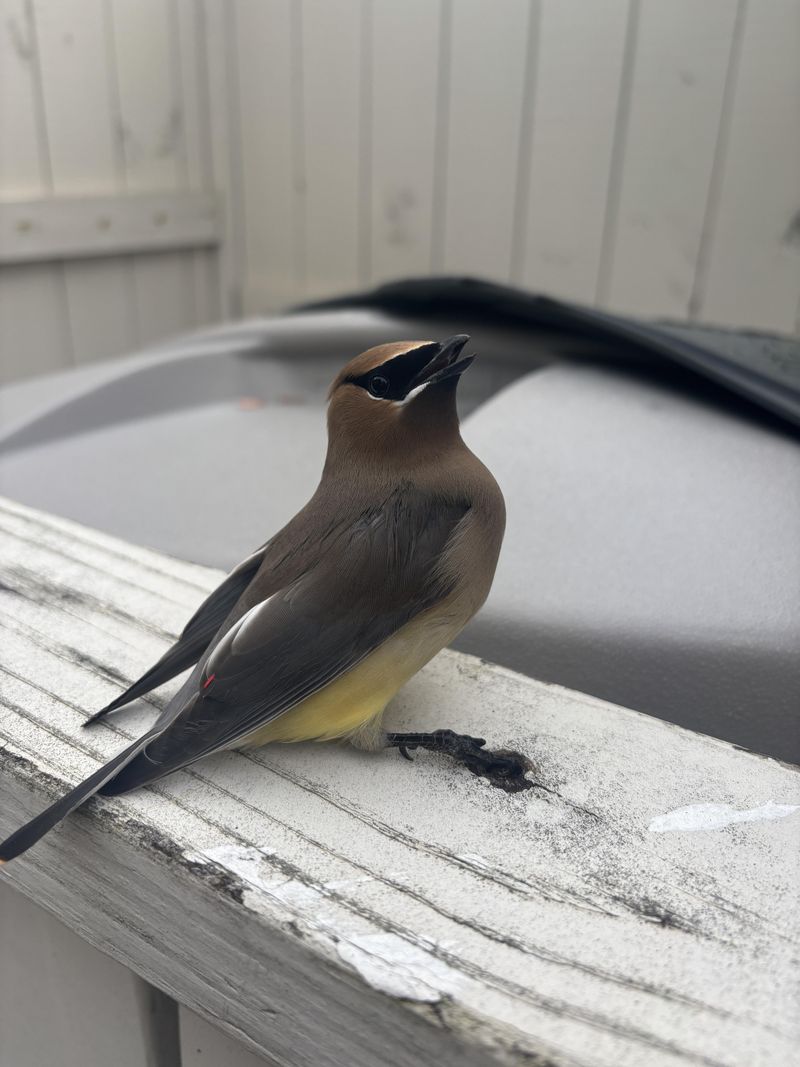
Ever found a waxwing sitting stunned under a window? Overripe or fermented berries may be part of the story.
As fruit sits through warm spells and cold snaps, sugars can ferment, and birds eating huge amounts quickly may become uncoordinated.
Reports from California wildlife rehabbers have linked some waxwing window strikes and road deaths to heavy feeding on fermented fruit, including pyracantha. Not every bird is affected, and the details are still studied.
Simple steps can help. Place window decals or screens near berry shrubs, and avoid planting fruiting hedges right beside big glass doors or busy driveways.
4. How Firethorn Escapes Into the Wild

Here is the twist many gardeners never hear about. Every berry a waxwing swallows becomes a seed it drops somewhere else, often miles away.
Pyracantha is listed by the California Invasive Plant Council as an invasive plant in parts of the state. Seedlings pop up along creeks, in oak woodlands, and on hillsides, crowding out native shrubs that local insects and birds rely on.
You do not need to feel guilty about the shrub you inherited. You can, however, cut back fruiting branches after bloom or slowly replace it with natives that do the same job without the spread.
5. Toyon, the Hollywood Berry
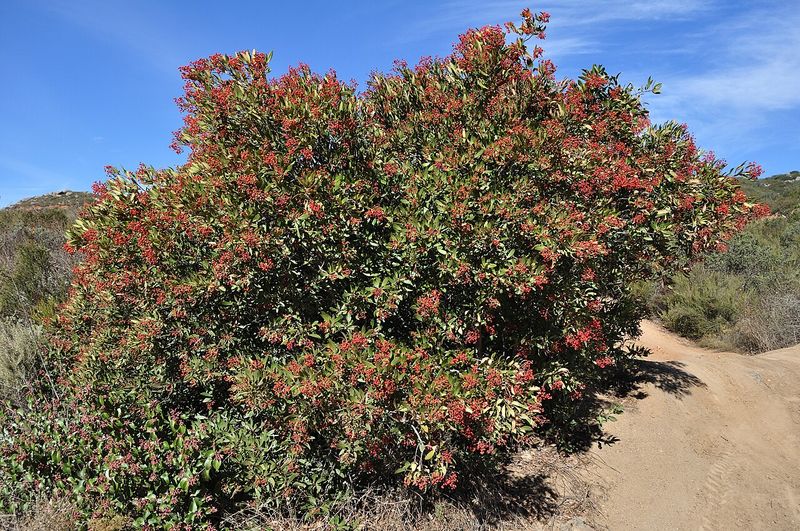
Long before the movie studios, Hollywood took its name from the toyon growing on its hills. This native shrub, Heteromeles arbutifolia, offers the same holiday-red berries waxwings crave, ripening from late fall into winter.
Toyon is extremely drought tolerant once established, often needing little summer water in most California regions. It grows 8 to 15 feet tall, making a fine screen or informal hedge where pyracantha once stood.
The flowers feed native bees in early summer too. That means one plant can support pollinators and birds in two different seasons.
6. Coffeeberry for Long-Lasting Fruit
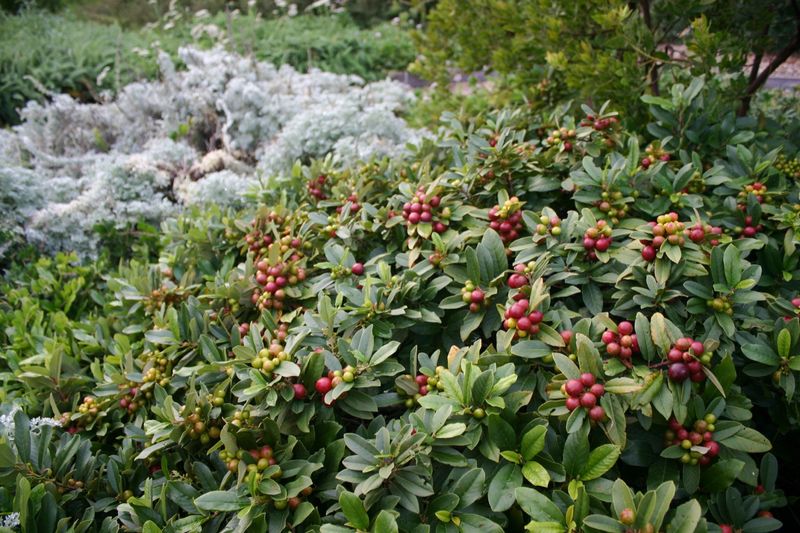
Glossy leaves, tidy shape, berries that shift from green to red to nearly black. California coffeeberry, Frangula californica, looks good all year and feeds birds over a long stretch.
Because its fruit ripens unevenly, waxwings, robins, and thrushes can return again and again instead of finishing it in one raid. Cultivars like Mound San Bruno and Eve Case stay compact for smaller suburban yards.
It handles sun on the coast and part shade inland, with occasional deep summer water. It is also a host plant for the pale swallowtail butterfly.
7. Elderberry, the Summer Feast
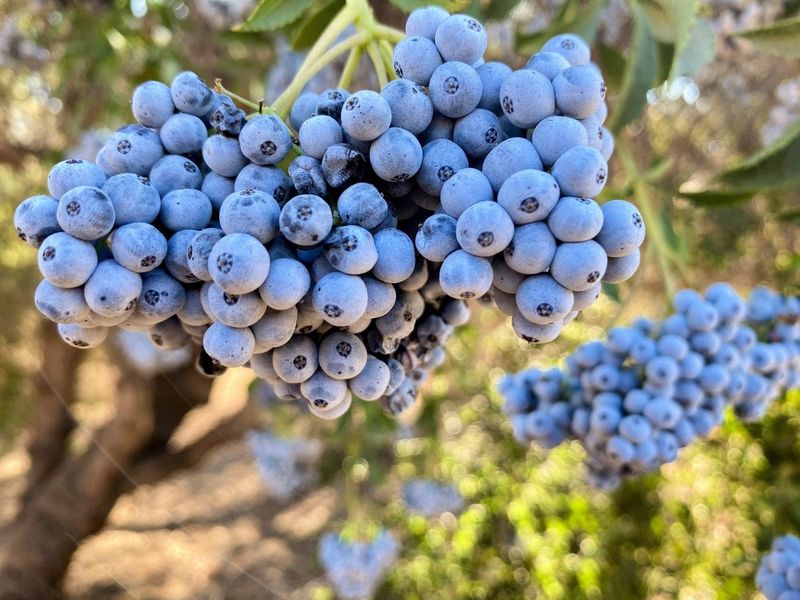
Waxwings do not only visit in winter. Some stay into summer in northern and mountain areas, and blue elderberry, Sambucus cerulea, is one of their favorite warm-season foods.
Huge flat clusters of creamy flowers turn into dusty blue berries from summer into fall. That timing fills a gap when most other shrubs offer nothing, helping a wider range of birds through the dry months.
Elderberry grows fast and large, so give it room near a back fence. Raw berries, stems, and leaves are not safe for people to eat, so leave the fruit to the birds.
8. Madrone and Manzanita for Bigger Spaces

If you have a larger lot or hillside, think bigger. Pacific madrone, Arbutus menziesii, is a classic waxwing magnet, with orange-red berries and peeling cinnamon bark.
Madrone can be fussy about drainage and summer water, so it suits well-drained slopes better than lawns. Manzanita is easier for many yards, and its small apple-like fruits feed birds while its winter flowers feed hummingbirds.
For fire-prone areas, keep any woody shrubs well spaced and pruned within defensible-space zones. Check your local fire district guidance before planting near the house.
9. Planting a Year-Round Berry Plan

A smart berry yard works like a relay race. Elderberry carries summer, coffeeberry takes over in late summer and fall, and toyon and manzanita finish the winter.
Plant in fall, when California rains help roots settle with less irrigation. Water deeply for the first one or two summers, then taper off for most of these natives.
Add a shallow bird bath, since waxwings drink often after eating fruit. Skip pesticides on these shrubs, and you may find birds visiting for months instead of vanishing after one overnight feast.