
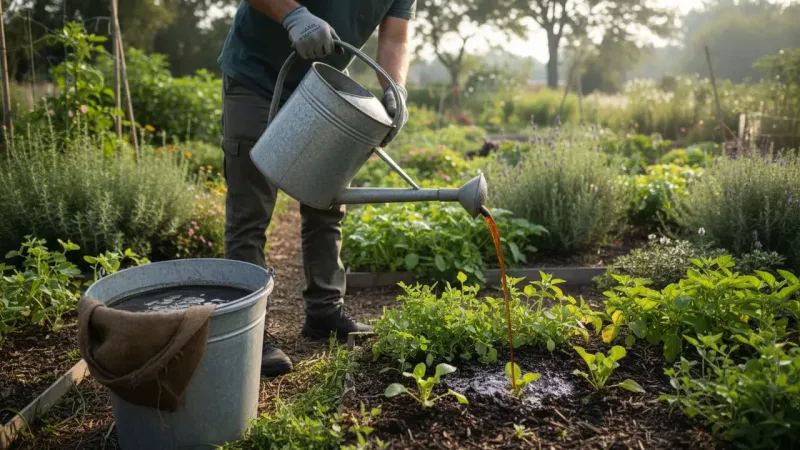
Yellow leaves, tiny fruit, and vines that just sit there are usually signs of a hungry plant. Tomatoes and cucumbers eat a lot, and the right food can turn a so-so bed into a basket-filling one.
The trick is knowing which fertilizer fixes which problem and when to use it. Here are 15 options that home gardeners across the country lean on for bigger, healthier summer crops.
1. Aged Compost
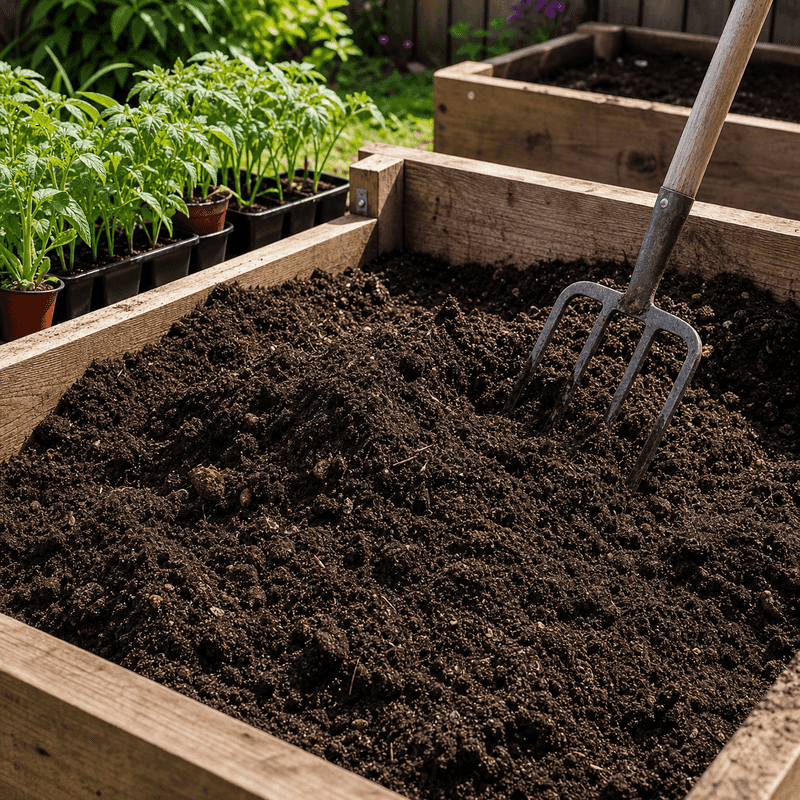
Ask any old-timer with a monster tomato patch about their secret, and compost usually comes up first. It is not flashy, but it builds the kind of soil that makes every other fertilizer work better.
Aged compost feeds plants slowly while improving how soil holds water and air. That matters a lot for cucumbers, which can turn bitter or drop flowers when the soil swings from soggy to bone dry.
Compost acts like a sponge that evens out those swings and may help reduce stress during hot July spells.
Work two to three inches into beds a few weeks before planting, then add a thin layer around stems as a mulch once the soil warms. Homemade works great, and bagged versions from a garden center are fine too.
Just make sure it smells earthy, not sour or like ammonia.
Compost alone rarely supplies everything heavy feeders need for a full season. Think of it as the foundation under the house rather than the whole building.
Pair it with one of the targeted feeds below, and your plants start the summer with a real head start instead of playing catch-up when the first fruits begin to swell on the vine.
2. Bone Meal
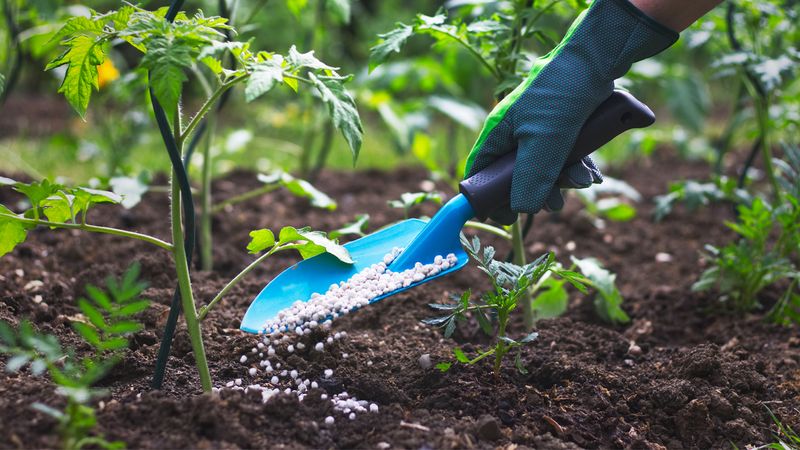
Blossom end rot has ruined more first tomatoes than any hungry squirrel. While that problem mostly comes from uneven watering, steady phosphorus and calcium in the planting hole can help your plants get off on the right foot.
Bone meal is a slow, natural source of phosphorus, the nutrient tied to strong roots and good flowering. It also carries some calcium.
Toss a tablespoon or two into each planting hole for tomatoes and mix it into the soil before setting the transplant in place.
A quick word of caution keeps this one honest. Many US garden soils already hold plenty of phosphorus, especially beds that have been fed for years.
A simple soil test from your county extension office tells you whether adding more will actually help or just sit there unused.
Bone meal also works best in soil that is not too alkaline, since plants struggle to pull phosphorus from high-pH ground. Keep the bag sealed and stored away from dogs, who often find it irresistible and will happily dig up freshly planted seedlings to get at it.
Used wisely, it is a cheap, simple boost that supports the root systems behind heavy summer cropping.
3. Fish Emulsion
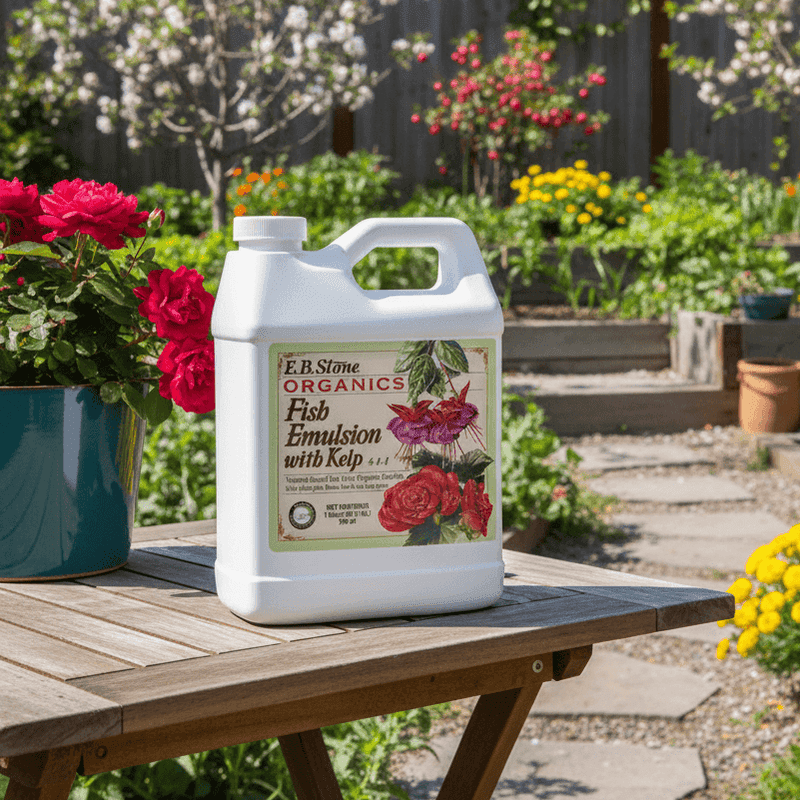
Fair warning: your yard is going to smell like a bait shop for an afternoon. Gardeners keep using fish emulsion anyway, because pale, sluggish seedlings often perk up within days of a feeding.
Fish emulsion is a liquid fertilizer rich in quick-acting nitrogen, with smaller amounts of other nutrients. That makes it handy early in the season, when young tomato and cucumber plants need to build leaves and stems.
Mix it with water according to the label and pour it around the base of plants every two to three weeks.
Here is where people go wrong. Too much nitrogen after plants start flowering can push lush leaves at the expense of fruit, leaving you with a jungle and very few tomatoes.
Ease off once blossoms appear and switch to a more balanced or higher-potassium feed.
The odor fades quickly, especially once it soaks into the soil. Some gardeners notice raccoons or neighborhood cats sniffing around afterward, so watering it in well can help.
Deodorized versions exist if your beds sit close to the patio. For a fast pick-me-up on yellowing young transplants, few organic options act as quickly or cost so little per gallon of mix.
4. Liquid Seaweed (Kelp)

Kelp grows in some of the toughest conditions on Earth, pounded by waves and salt all day. Maybe that is why gardeners have long turned to it when their plants look worn out from summer heat.
Liquid seaweed is not a big source of nitrogen, phosphorus, or potassium. Its value comes from trace minerals and natural plant compounds that may help plants handle stress like heat, transplant shock, and dry spells.
Many growers use it as a foliar spray, misting leaves early in the morning before the sun gets strong.
Try it right after transplanting tomatoes and cucumbers, then every couple of weeks through the hottest stretch of summer. Gardeners often report greener leaves and steadier flowering, though results vary with soil and weather.
It works best as a supplement, not a main meal.
Fun fact: farmers along the coasts of Ireland and Scotland have hauled seaweed onto their fields for centuries, long before anyone bottled it. You can also find dried kelp meal for mixing into soil if you prefer a slower route.
Either way, it pairs nicely with fish emulsion, and many blended products combine the two into one bottle for easy feeding.
5. Tomato-Specific Granular Fertilizer
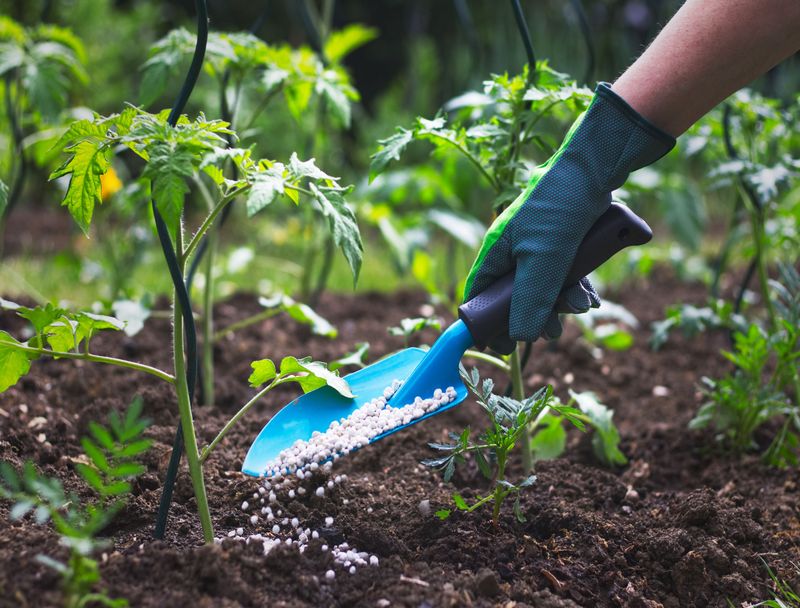
Sometimes the easiest answer is the one with a tomato printed right on the bag. Formulas built for tomatoes take a lot of guesswork off your plate.
Most tomato-specific granular fertilizers lean a little lower on nitrogen and higher on phosphorus and potassium, often with added calcium. That balance is designed to support flowers and fruit rather than endless leaves.
Many organic brands also include beneficial microbes meant to help roots take up nutrients.
Mix a measured amount into the soil at planting, then side-dress every few weeks by sprinkling it in a ring several inches from the stem. Scratch it lightly into the top layer and water well.
Keep it off the leaves and away from direct stem contact to avoid burning.
Peppers and eggplants often respond well to the same product, so one bag can cover most of a summer vegetable bed. Cucumbers will accept it too, though they appreciate a touch more nitrogen early on.
If your past tomato plants grew tall and leafy but set little fruit, swapping a general lawn-style fertilizer for one of these may be the simple fix you have been missing. Read the label rates closely, since more is not better here.
6. Balanced 10-10-10 Fertilizer
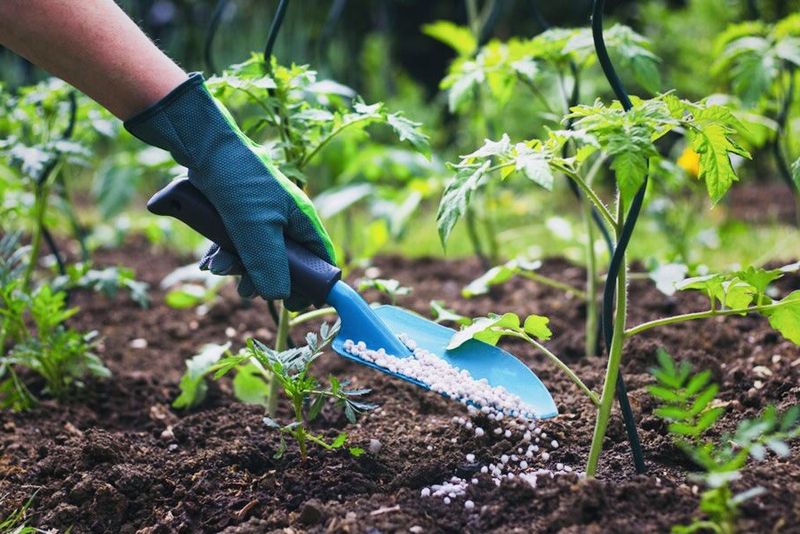
Walk into almost any farm store in Ohio, Georgia, or Missouri, and you will find stacks of 10-10-10 near the door. Generations of vegetable growers have relied on it, and for good reason.
The three numbers mean equal parts nitrogen, phosphorus, and potassium. That even split gives tomatoes and cucumbers a little of everything, which suits beds where you are not sure what the soil lacks.
It is affordable, easy to find, and simple to measure.
Broadcast it over the bed before planting and work it into the top few inches. Later, a light side-dressing when the first fruits form can keep plants going.
Synthetic versions dissolve fast, so water them in and avoid piling granules against stems, which can scorch tender tissue.
The downside is that balanced does not always mean best. Once fruiting starts, plants often benefit from a bit less nitrogen, so some growers switch formulas midseason.
A soil test helps you decide if this all-rounder fits your ground. Still, for a beginner staring at a bare vegetable bed with no idea where to start, a bag of 10-10-10 is a dependable, low-risk first step.
7. Worm Castings
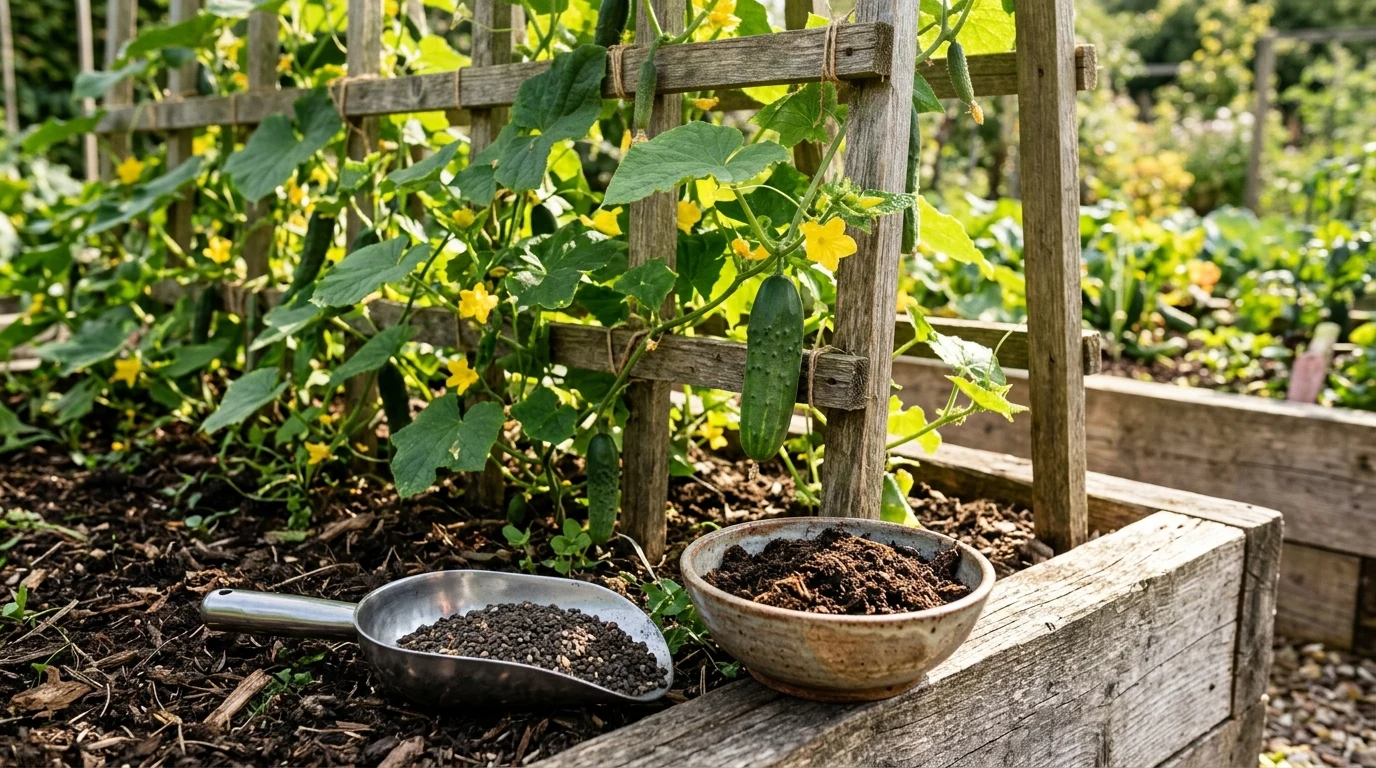
Earthworms are the quiet workers of every healthy garden, and what they leave behind is pure gold for vegetables. Gardeners sometimes call worm castings black gold, and once you see a bed fed with them, the nickname makes sense.
Castings are gentle, so they will not burn tender roots even if you use a generous scoop. That makes them ideal for cucumber and tomato seedlings that are still getting established.
They carry modest nutrients plus a rich mix of soil life that may help plants grow stronger roots.
Add a handful to each planting hole, or top-dress around established plants and water it in. You can also steep castings in water overnight to make a mild tea for weekly feeding during summer.
Because nutrient levels are fairly low, castings shine as a soil booster rather than a heavy feed. Pair them with a stronger fertilizer once plants start fruiting.
A small worm bin under the kitchen sink or in the garage can supply your own castings from food scraps, turning banana peels and coffee grounds into a free, steady supply for next spring’s transplants and beyond.
8. Well-Rotted Manure
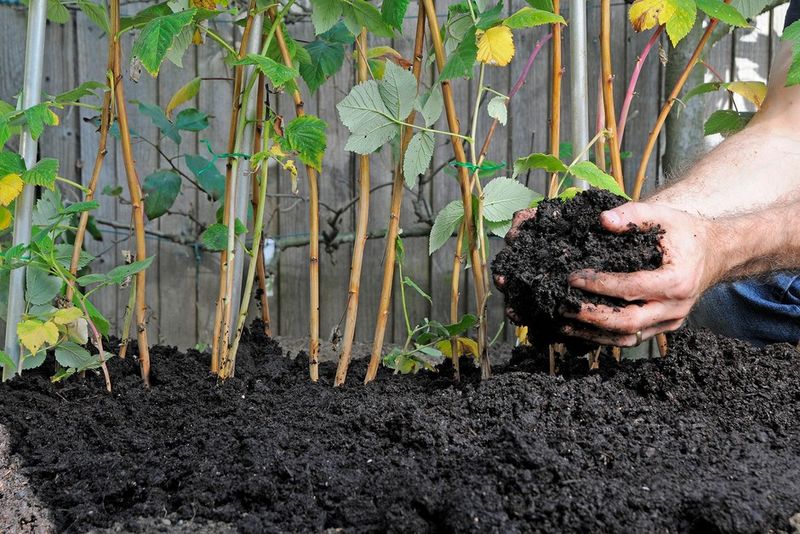
Grandpa’s tomatoes were always huge, and chances are he had a pile of aged manure behind the shed. That old-school approach still holds up beautifully.
Well-rotted cow, horse, or chicken manure adds nitrogen and organic matter that heavy feeders crave. Cucumbers especially love rich, loose soil, and a bed amended with manure in early spring can keep vines growing hard through the heat of summer.
The key word is rotted. Fresh manure can burn roots and may carry pathogens, so it should age for several months or be fully composted before it touches a vegetable bed.
Chicken manure is the strongest of the bunch, so use it more sparingly than cow or horse.
Spread an inch or two in late winter or early spring and mix it into the soil a few weeks before planting. Bagged composted manure is a convenient option for small yards.
Ask local farms or stables, too, since many are happy to share aged piles for free. Just keep in mind that too much nitrogen can lead to leafy tomato plants with few fruits, so balance manure with a fruit-focused feed later in the season.
9. Blood Meal
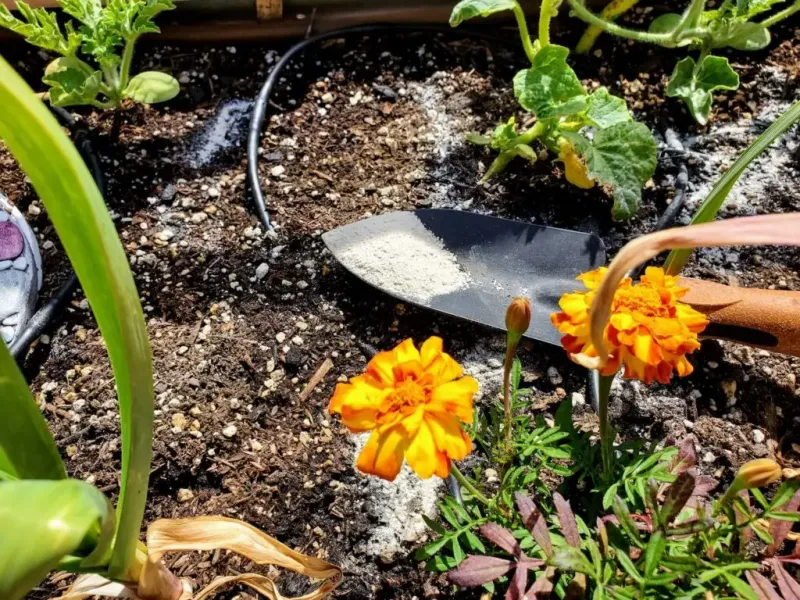
Pale, yellowing cucumber leaves in early June often point to one thing: the plants are starving for nitrogen. Blood meal is one of the fastest organic ways to answer that call.
Made from dried animal blood, it is very high in nitrogen and gets to work quickly compared to most organic options. A light sprinkle around struggling plants, scratched into the soil and watered in, can help green them back up within a week or two.
That speed is also its danger. Too much can burn roots or push leaves so hard that flowers and fruit get delayed.
Use small amounts, follow label rates, and stop applying once tomatoes begin setting fruit.
Some gardeners believe the scent may help deter rabbits and deer for a short time, though results are hit or miss and it washes away with rain. On the flip side, the smell can attract dogs, raccoons, and other curious diggers.
Store the bag securely in the garage. Used as a targeted rescue for nitrogen-hungry plants rather than a regular feed, blood meal earns a solid spot on any vegetable gardener’s shelf.
10. Calcium Nitrate
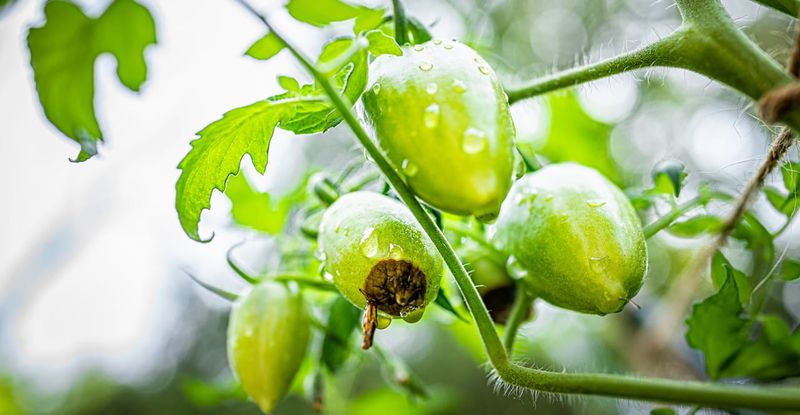
Nothing stings quite like flipping over your first ripe tomato and finding a leathery black patch on the bottom. Blossom end rot is linked to calcium not reaching the fruit, and calcium nitrate is a tool many growers reach for.
It supplies both calcium and nitrogen in a form plants can use quickly. Commercial greenhouse growers rely on it heavily for tomatoes and cucumbers.
Home gardeners usually dissolve it in water and apply it around the base of plants every couple of weeks once fruit begins forming.
Honesty matters here. Most blossom end rot comes from uneven watering, which stops calcium from moving into fruit even when soil has plenty.
Calcium nitrate can help, but deep, consistent watering and a good layer of mulch are usually the bigger fixes.
Because it also adds nitrogen, avoid overdoing it, especially on tomatoes already loaded with foliage. Rotted fruit will not recover, so pick affected ones and focus on protecting the next round.
Peppers and zucchini that show similar rot can benefit from the same approach, so one bag goes a long way across a busy summer vegetable patch.
11. Epsom Salt
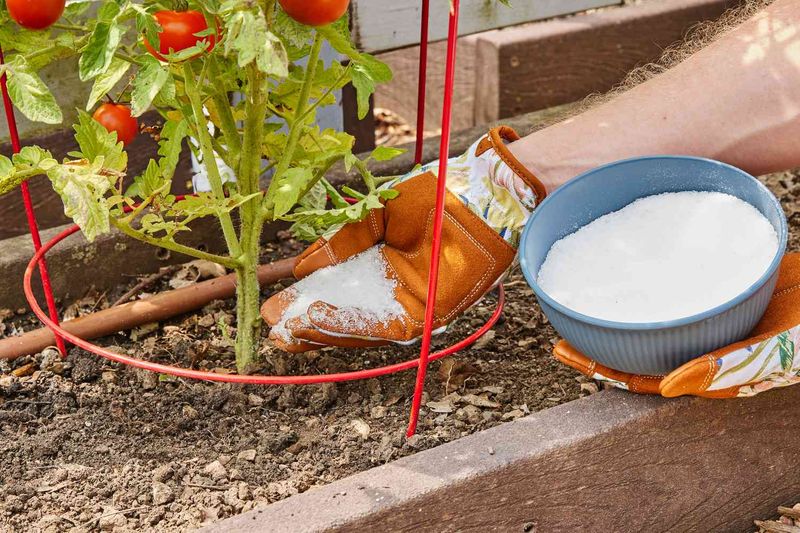
Few garden tips get passed around backyard fences more than Epsom salt for tomatoes. Some swear by it, others shrug, and the truth sits somewhere in the middle.
Epsom salt is magnesium sulfate. Magnesium helps plants make chlorophyll, so a real shortage can cause older tomato leaves to yellow between green veins.
If you see that specific pattern, a foliar spray of about one tablespoon per gallon of water may help leaves green up again.
Here is the catch. Many soils already have plenty of magnesium, and adding more will not boost harvests in those beds.
Too much can even compete with calcium uptake, which could make blossom end rot worse. A soil test is the smart move before treating it as a regular feed.
So keep a bag on hand for targeted use rather than tossing a handful into every planting hole out of habit. It is cheap, easy to find at any pharmacy, and handy when your symptoms actually match.
Used that way, Epsom salt becomes a precise rescue tool instead of a garden myth, and your tomatoes and cucumbers get exactly what they need without guesswork.
12. Water-Soluble All-Purpose Plant Food
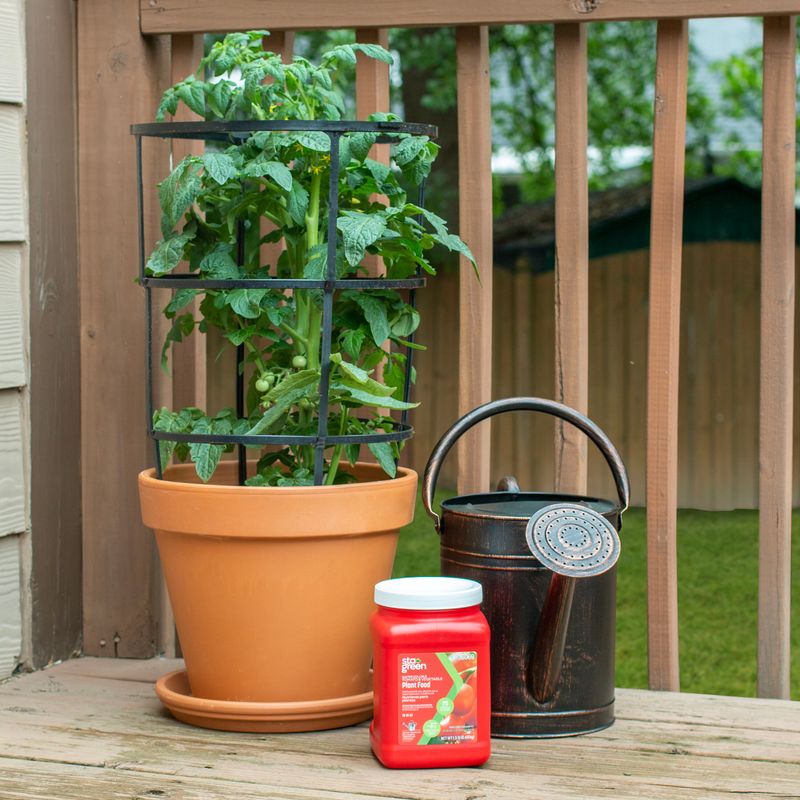
Container tomatoes on a sunny patio live a hard life. Every watering flushes nutrients out the bottom of the pot, and plants can run hungry fast.
Water-soluble plant food solves that with quick, measurable doses. You dissolve the crystals in a watering can and feed while you water, so nutrients reach roots right away.
It is especially handy for pots, grow bags, and raised beds that drain quickly in summer.
Most brands recommend feeding every one to two weeks. Look for versions labeled for tomatoes and vegetables, which usually shift toward phosphorus and potassium.
Always mix at the label rate or slightly weaker, since overfeeding can cause salt buildup and crispy leaf edges.
The convenience is hard to beat for busy households. A single scoop, a quick stir, and you are done in minutes.
The tradeoff is that synthetic feeds do little for long-term soil health, so in-ground beds still benefit from compost or manure alongside them. For patio growers and anyone trying to rescue a struggling plant fast, a reliable soluble feed often makes the difference between a few tomatoes and a steady stream through August.
13. Slow-Release Coated Fertilizer
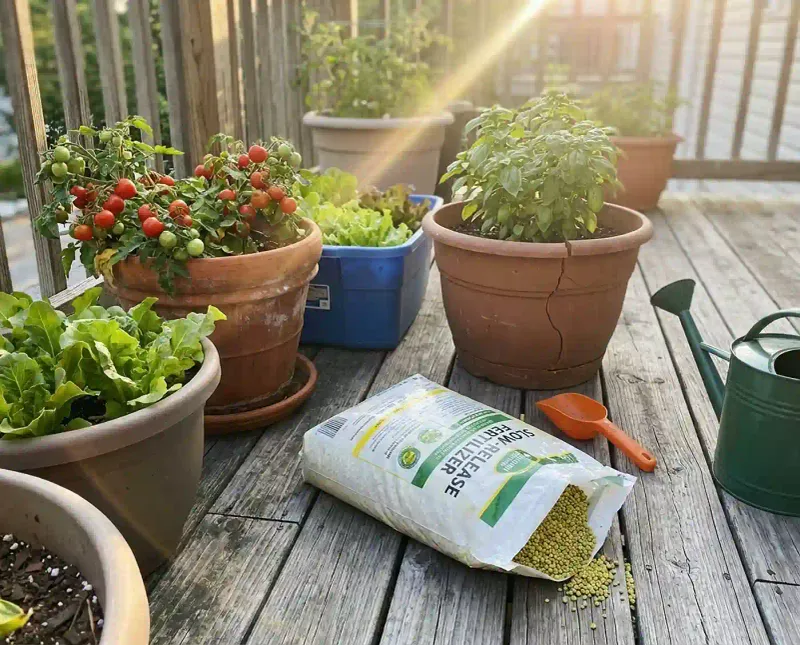
Forgetful gardeners, this one is for you. Slow-release fertilizer feeds plants for months with a single application, which is a lifesaver during busy summer weeks or vacations.
The little round pellets have a coating that lets nutrients seep out gradually as soil warms and moisture moves through. That steady trickle may help prevent the boom-and-bust feeding that leaves cucumbers stressed.
Many formulas last three to six months, covering most of a typical growing season.
Mix pellets into the soil at planting time, especially in containers and raised beds. Because release speeds up in hot weather, the fertilizer often runs out sooner in southern states like Texas or Georgia than in cooler northern gardens.
Watch for pale leaves in late summer, which can signal it is time for a light top-up.
One limitation worth knowing: these products deliver a fixed recipe, so you cannot easily shift toward fruit-friendly nutrients later. Some gardeners combine them with a soluble bloom feed once flowering begins.
Still, for anyone who struggles to stick to a feeding schedule, slow-release pellets bring a welcome sense of peace, keeping plants fed even when life gets in the way.
14. Sulfate of Potash
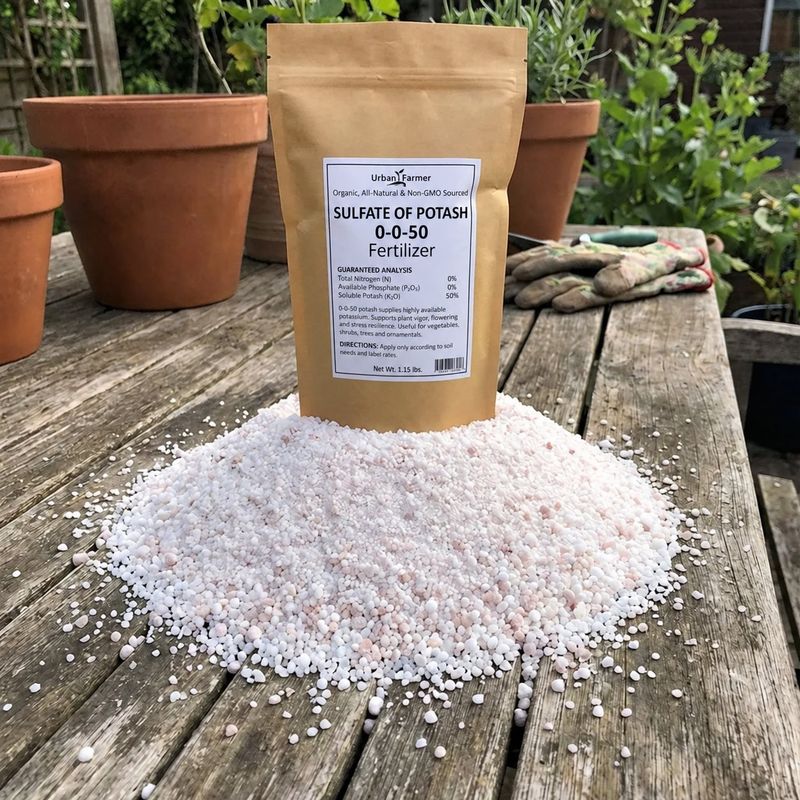
Here is a nutrient most beginners overlook. Potassium helps plants move sugars and water, and it plays a big part in fruit size, flavor, and overall toughness.
Sulfate of potash delivers a concentrated dose of potassium without adding much nitrogen. That makes it a smart choice once tomatoes and cucumbers start setting fruit, when you want energy going into the harvest instead of more leaves.
Some gardeners notice sweeter tomatoes and more evenly shaped cucumbers after adding it, although flavor depends on many factors.
Sprinkle a small amount around plants in midsummer, following label rates, and water it in. It is approved for organic gardening in many forms, and it is a gentler choice than muriate of potash, which contains chloride that some crops dislike.
Signs of a potassium shortage include browning or scorched leaf edges and fruit that ripens unevenly with blotchy color. Those symptoms can also come from heat or disease, so look at the whole picture before reaching for the bag.
When paired with steady watering and mulch, this simple mineral can quietly help turn a decent harvest into one that fills the kitchen counter every week.
15. Compost Tea
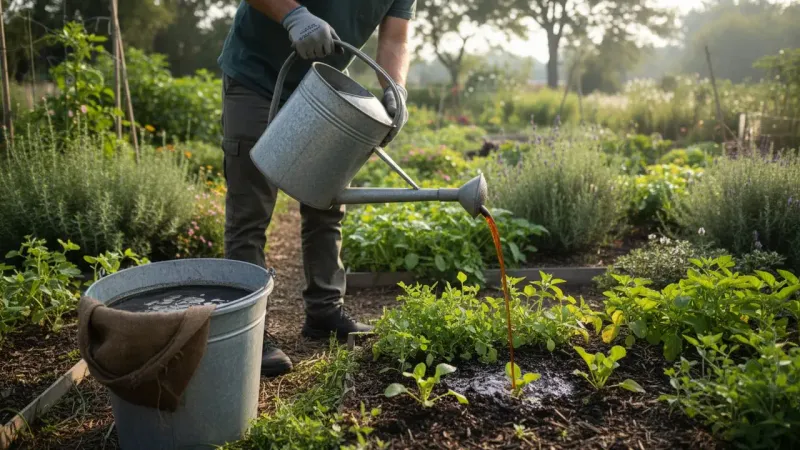
Picture a five-gallon bucket bubbling away by the garden shed like a backyard science experiment. Compost tea brings that fun, hands-on feel to feeding vegetables.
You make it by steeping finished compost or worm castings in water, sometimes with an aquarium pump for air and a spoonful of molasses. After a day or two, strain it and pour the liquid around the base of tomatoes and cucumbers.
It offers a mild nutrient boost plus living microbes that may support healthy soil.
Many growers use it every week or two from transplanting through midsummer. Apply it soon after brewing, since the beneficial life in it fades quickly.
Use clean equipment to avoid growing anything unpleasant.
Claims about compost tea curing plant diseases go further than the research supports, so think of it as a soil and growth helper rather than a medicine. It is also gentle enough to use often without worrying about burning roots.
For gardeners who already keep a compost pile, it is a nearly free way to stretch that resource across more plants, and kids usually love helping stir the bucket and watering the rows.