
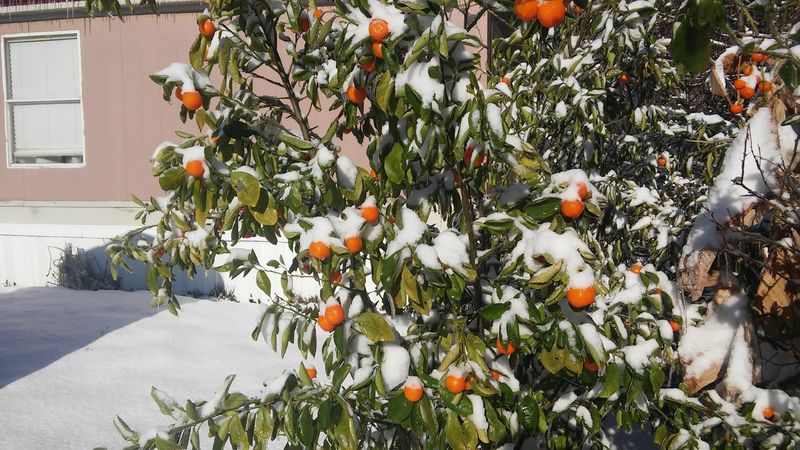
A satsuma loaded with sweet mandarins can look tough, but one bad norther can undo years of growth. Central Texas freezes come fast, and the steps you take in the days before the cold arrives matter.
Some of those steps are simple and cheap, while a few popular tricks can do more harm than good. Here is what actually helps, and what no routine can promise.
A satsuma’s cold tolerance depends on timing
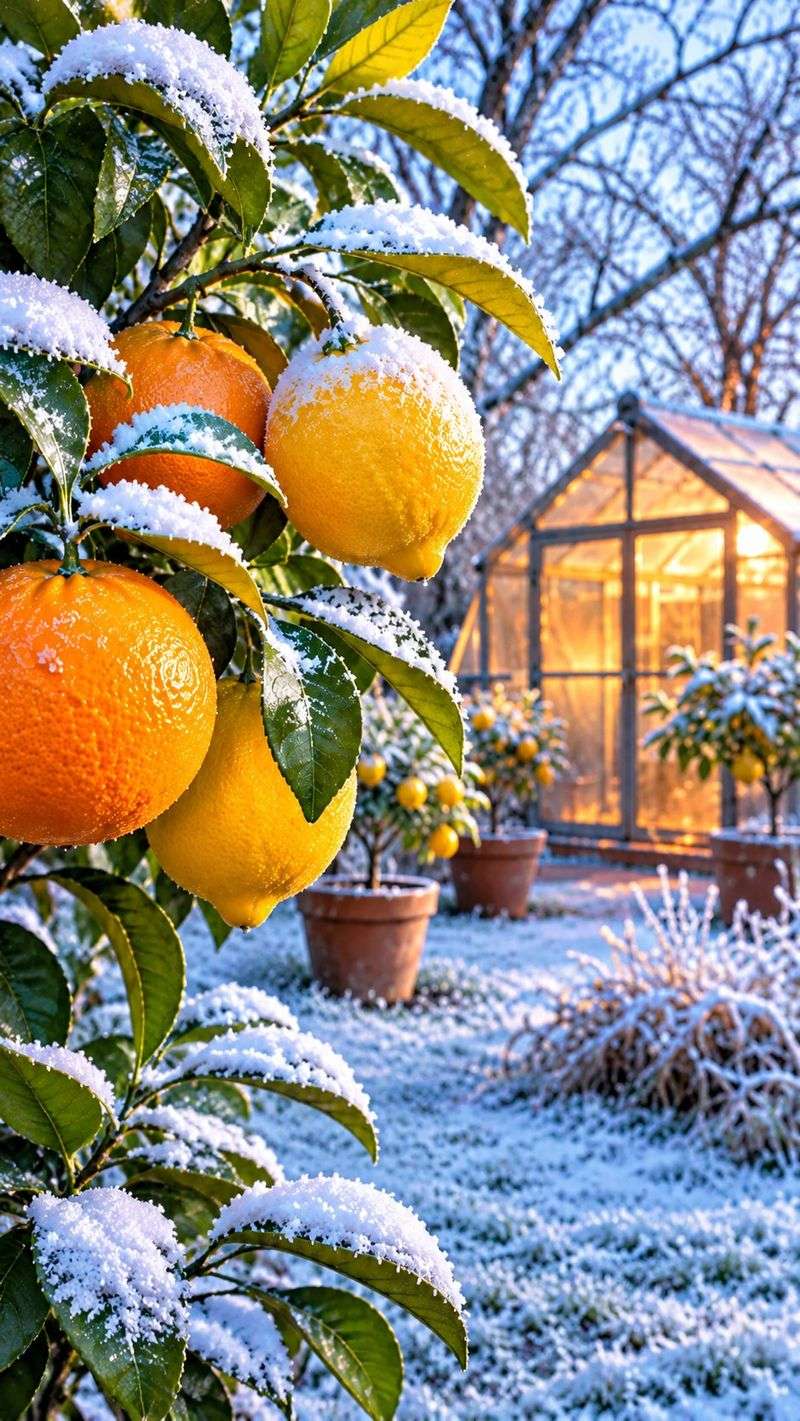
Satsumas rank among the more cold-tolerant citrus, yet that does not make them freeze-proof. Texas A&M citrus guidance says a fully dormant satsuma may handle about 18°F in early February, yet the same tree could be seriously damaged at 24°F in early December.
The difference is timing. A tree that has had weeks of cool weather to harden off handles cold far better than one hit by a sudden drop after a warm spell.
Other numbers float around, and they come with fine print too. University of Georgia information on satsumas notes they can sometimes tolerate 15°F, but they may be injured at 23 to 25°F if they are not acclimated.
So a claim like “satsumas survive 15 degrees” is not a promise for your tree.
Several things shift the outcome: tree age, rootstock, how long the temperature stays low, wind, and what the weather did in the weeks before. A young tree with thin bark is more vulnerable than an established one.
A freeze that lasts many hours does more harm than a brief dip to the same low.
Fruit is touchier than wood. Fruit can be damaged at warmer temperatures than the ones that threaten the tree itself, so you may lose some of the crop even when the tree pulls through.
The Central Texas Gardener citrus list is a handy reference for local varieties. Treat any single forecast low as one clue, not a verdict.
Water dry soil several days before the freeze
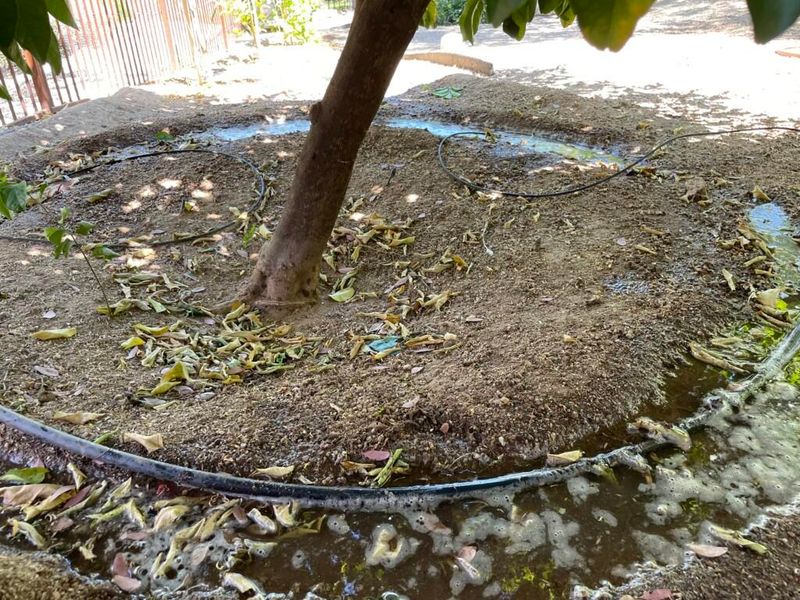
Your first job comes a few days before the norther arrives. If the soil around your satsuma is dry, water it thoroughly.
Texas A&M freeze protection guidance recommends deep irrigation several days ahead, because moist soil absorbs and releases more heat than dry soil.
That stored warmth rises overnight and helps slow the chill around the trunk and lower branches. Dry, loose ground holds far less heat, so it gives up its warmth quickly once the sun goes down.
Aim for a slow, deep soaking across the root zone, not a quick sprinkle on the surface. Let the hose trickle at the drip line and beyond.
Give it time to soak in, and do it early enough that the ground is damp but not soggy when the cold shows up.
Notice what this step is not. It is not a reason to keep citrus wet all winter, which can invite root problems in heavy Central Texas clay.
It is also not a signal to spray the tree itself during the freeze. If the soil is already moist from recent rain, you can skip the extra watering.
A quick check with a trowel or finger a few inches down tells you what you need to know.
A soil bank protects young trees without a mulch pile
On a grafted satsuma, the graft union is the weak link. If the top of the tree freezes but the graft survives, the variety you want can regrow.
If the graft dies, shoots from the rootstock may take over instead, and those usually do not bear the fruit you planted the tree for.
For young trees, Texas A&M recommends a soil bank around the trunk and lower scaffold limbs during the first two to four winters. Then remove it carefully around the beginning of March.
The goal is to protect the lower wood the tree can regrow from.
Keep the wording straight, because this is a mound of soil, not a heap of straw, bark, or leaves against the trunk. Piling organic mulch against the bark can hold moisture there and may contribute to foot rot.
A University of Georgia citrus guide also cautions that mounding organic matter around the graft and scion can raise disease risk.
So build the bank from plain soil, and pull it away gently in spring so you do not scrape the bark. Removal matters as much as building it.
Watching for regrowth afterward is useful, and Clemson Extension explains how graft survival shapes what comes back. An older, established tree generally does not need the bank.
A ground-reaching cover holds warmth around the tree
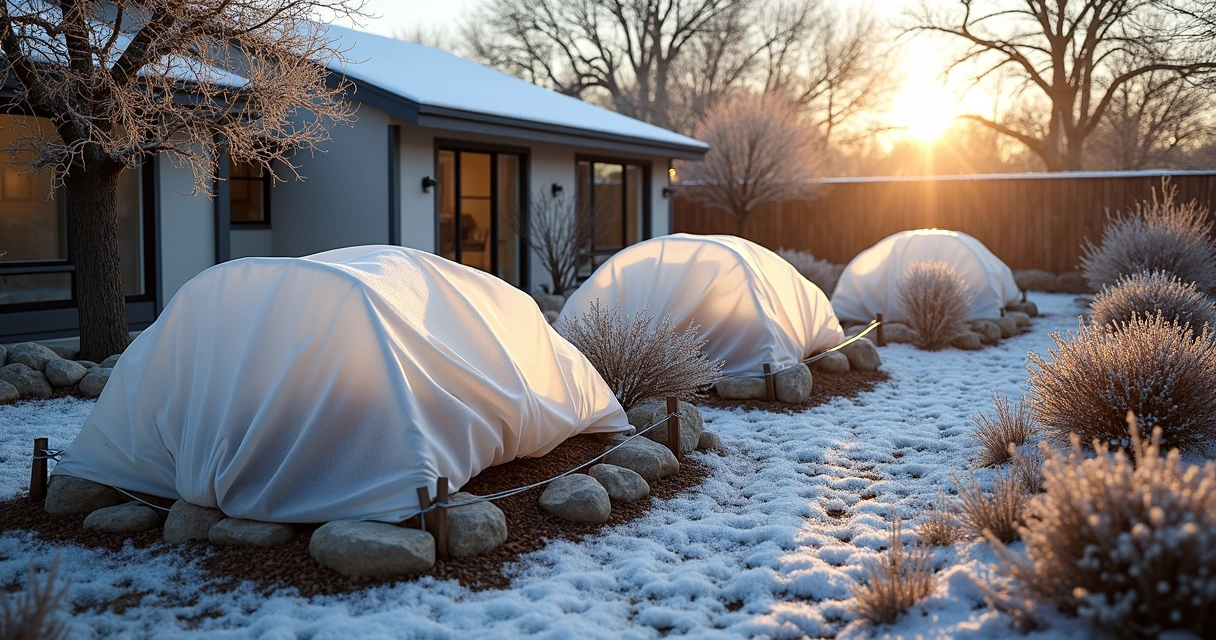
Put the cover on the afternoon before the freeze, while you can still see what you are doing. Texas A&M freeze guidance advises anchoring covers and letting them reach the ground, so they can trap warmth rising from the soil.
A cover that stops at the branch tips lets that heat escape out the bottom.
Drape it over a frame or stakes if you can, so the fabric does not rest on the leaves. Frost cloth, old sheets, or blankets work for the layer closest to the tree.
Use bricks, stakes, or soil to hold the edges down against wind.
If you use plastic, keep it off the foliage, since plastic touching leaves can cause damage. Plastic also needs attention in sunshine.
Texas A&M citrus guidance notes that a cover left on in sun can overheat the tree, so open or remove it once temperatures climb the next morning.
Be realistic about what fabric can do. A cover reduces heat loss, but it does not remove exposure.
An uncovered trunk, a gap at the bottom, a stiff wind, or a freeze that drags on for days can still hurt the tree. Think of the cover as one layer of defense, not the whole plan.
When does supplemental heat make sense?
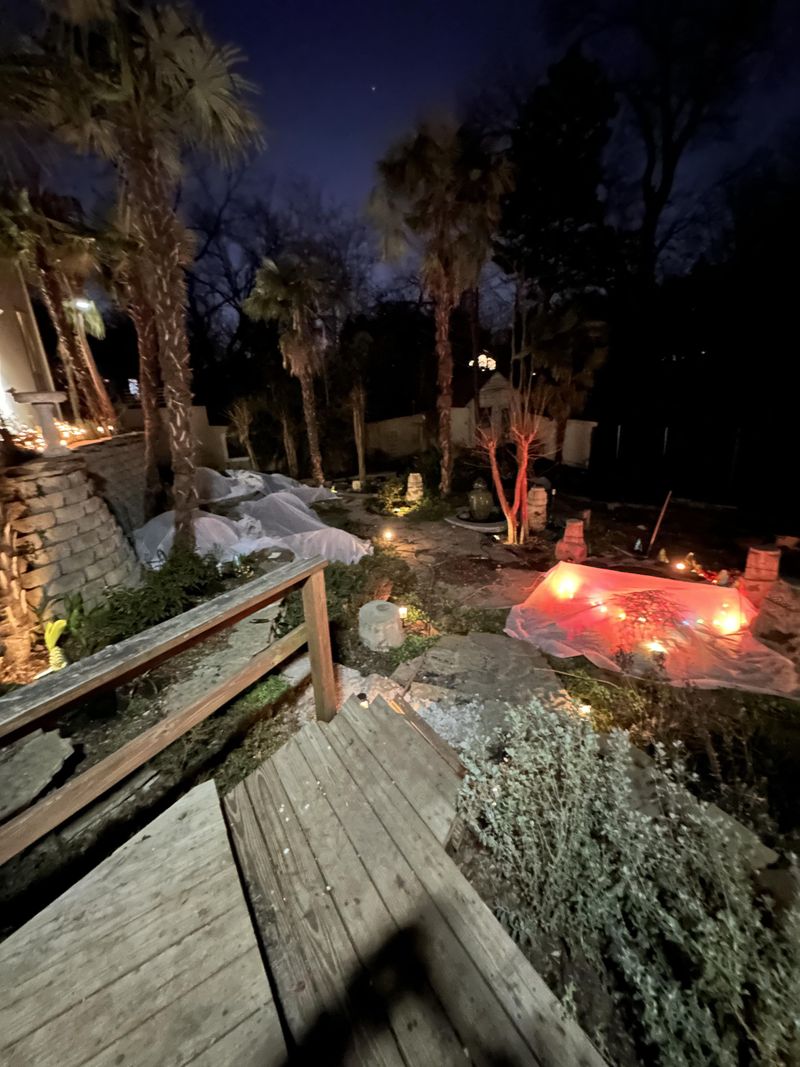
A hard freeze is when extra warmth under the cover can earn its place. Texas A&M says supplemental heat can be effective beneath a cover, and it mentions incandescent lights rated for outdoor use as one source.
Heat only helps when the cover holds it in, so the cover comes first.
Safety comes before everything else here. Freezes often bring wind and precipitation, and wet outdoor wiring is dangerous.
UC IPM warns about shock and fire hazards, and it also says covering alone does little during freezing unless a heat source is provided.
Do not run ordinary indoor lights or household heaters under the cover. They are not built for damp conditions, and plastic or fabric touching a hot bulb can ignite.
Use only equipment made for outdoor use, keep connections off wet ground, and keep bulbs from touching the cover. If you are not confident about the setup, skip the heat and rely on the cover.
Jugs or buckets of water under the cover give off a little heat as they cool. Texas A&M describes this as a modest extra aid, not a stand-in for a well-fitted cover or real protection.
It is a nice add-on for a tree that is already wrapped.
Some freeze fixes create new risks
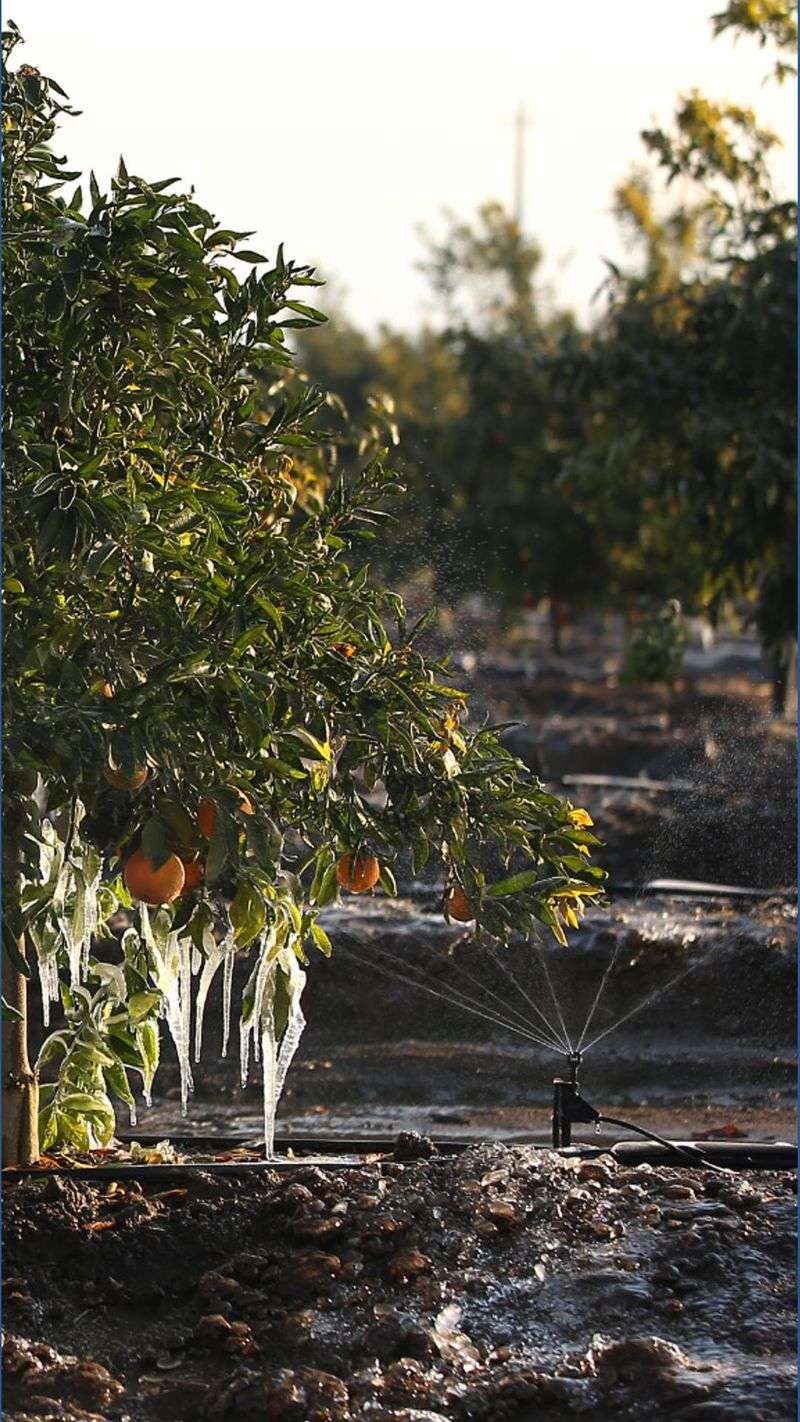
Watering ahead of a freeze and spraying water during one sound alike, but they are very different jobs. Soaking dry soil days beforehand is a simple homeowner step.
Running sprinklers while temperatures fall is a demanding method that most backyard setups are not ready for.
Texas A&M explains that sprinkler protection must start before critical temperatures arrive and run continuously until the ice is melting. If it stops partway, the tree can end up worse off than if you had done nothing.
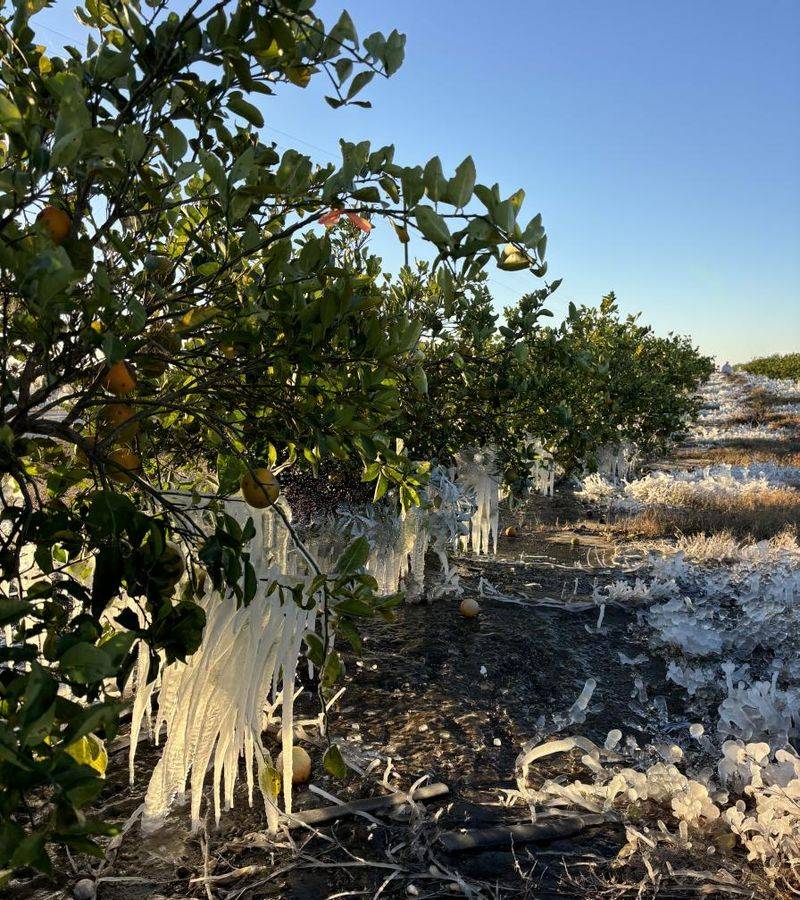
The risks are real, too. A steady spray builds heavy ice that can snap limbs, and the constant water can leave the soil waterlogged.
A young satsuma has thin branches that bend and break easily under that weight.
So skip the one-time spray, and do not deliberately coat the tree in ice thinking it will insulate it. That idea sounds clever, but it oversimplifies a method that depends on exact timing, steady coverage, and plenty of water.
For most Central Texas yards, a snug cover, a soil bank for young trees, and well-watered soil beforehand are safer bets.
Protection improves the odds, not the guarantee
Before the norther, water dry soil several days ahead, bank soil around a young tree, wrap it to the ground, and add safe outdoor-rated heat if the cold looks severe. Each step lowers your risk, and none can guarantee the result.
Georgia citrus researchers note that severe freezes can still damage or kill plants.
A satsuma that loses its leaves may still wake up in spring, so wait before you prune. Do what you can, then let the tree show you what it has left.