
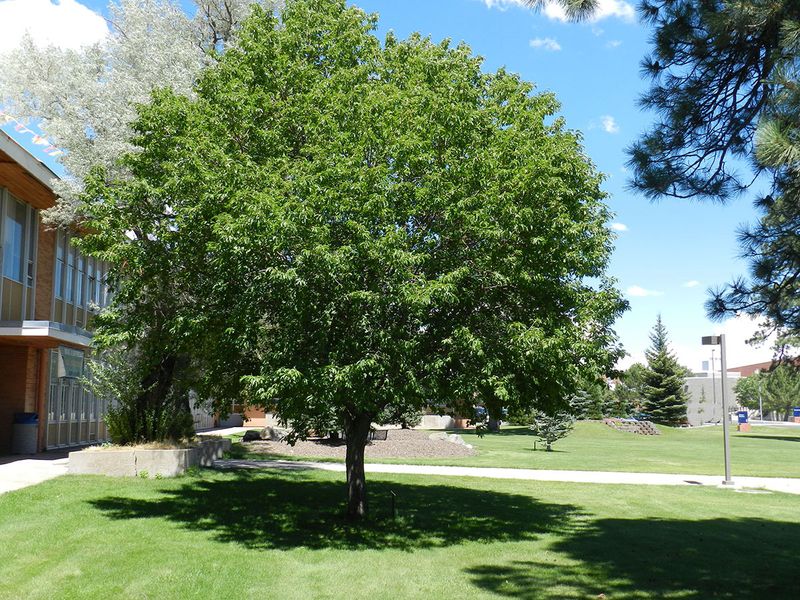
Some trees do quiet, heavy lifting for wildlife, and black cherry is one of them. In North Carolina it offers spring blossoms for bees, leaves for caterpillars, and fruit for birds.
It also gets big, and it comes with a safety catch for people who keep livestock. Here is what to know before you decide whether it belongs on your land.
Black cherry is one native tree worth considering
Plenty of garden headlines promise that a single tree beats an entire flower bed, and that almost nobody in North Carolina has one. Neither claim holds up.
No source compares a tree with a flower bed, and no statewide survey counts which yards have which trees. The headline never names its tree either, so there is nothing to confirm.
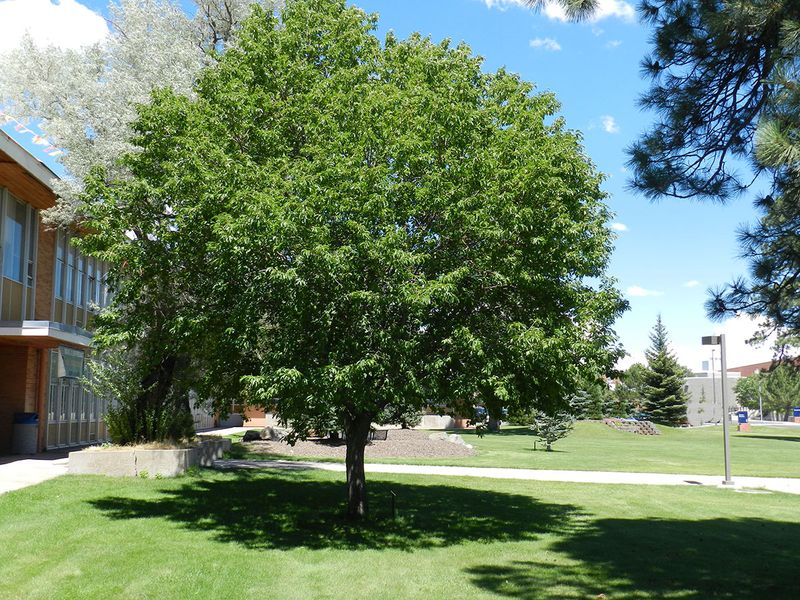
What can be said is more useful. Black cherry (Prunus serotina) is a good example of a native tree with documented wildlife value.
The North Carolina Wildlife Federation lists it as a native pollinator tree that grows across the state, offering flowers, host-plant habitat, and food for wildlife.
You have probably seen it without noticing. NC State Extension notes it occurs statewide and often shows up in old fields and fencerows.
That makes it a familiar roadside neighbor from the mountains to the coastal plain.
The rest of this article covers what it offers wildlife, how big it gets, and what to watch for before planting one.
Its spring flowers provide a seasonal resource
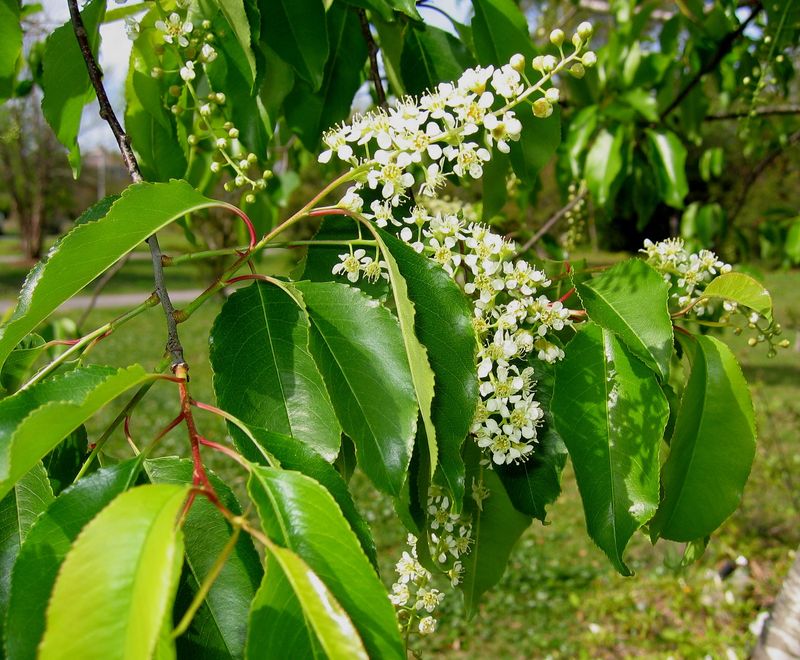
Spring is when black cherry puts on its flower show. Long clusters of small white blooms open along the branches, and the North Carolina Wildlife Federation reports April to May bloom that attracts native bees and butterflies.
Those visitors are adult insects sipping nectar and moving pollen. That is a separate job from what caterpillars do on the leaves, which comes up in the next section.
Treat this bloom as a seasonal resource, not a full-year buffet. Timing shifts with location and weather, so a tree in the mountains may flower later than one on the coastal plain.
Bloom can also be short.
USDA National Agroforestry Center guidance notes that flowering periods vary with species, latitude, elevation, and year, and may be brief. Once the petals drop, bees and butterflies still need food.
A practical way to use this: mark the week your tree blooms in a garden notebook and note which insects visit. Then look at what else in your yard is flowering before and after that window.
Any gap you find is a planting opportunity.
Foliage and fruit support other wildlife
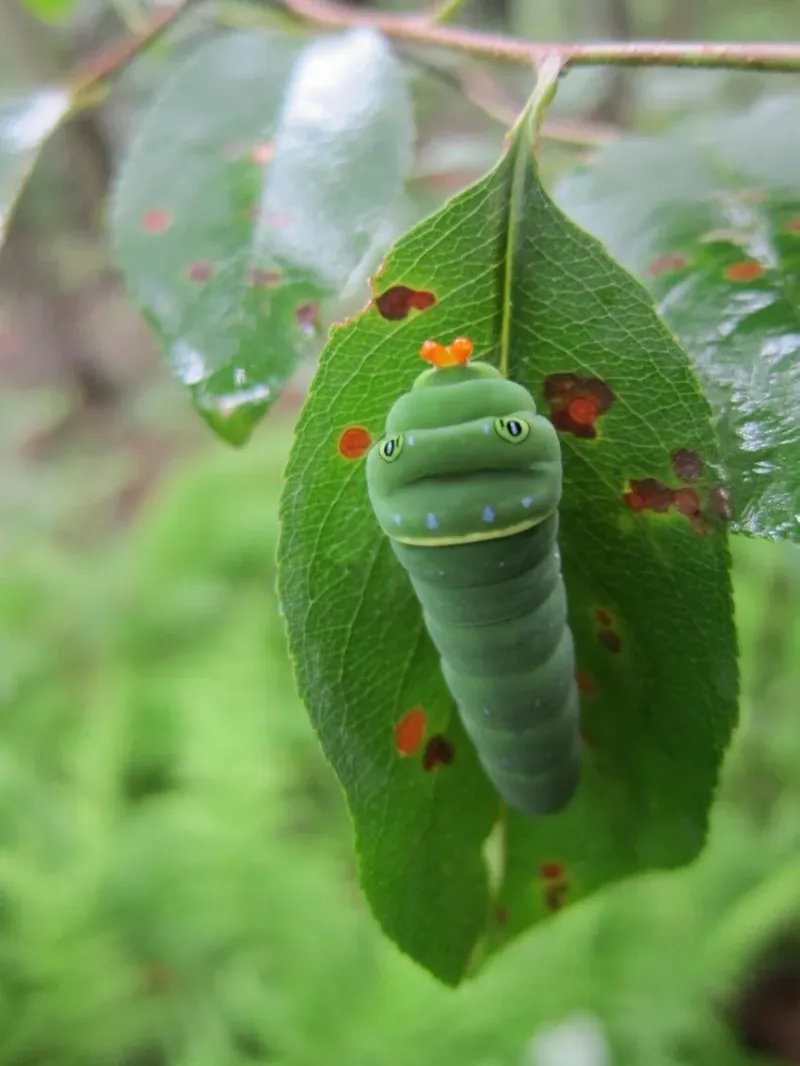
Flowers are only part of the story. Black cherry leaves serve as food for butterfly and moth larvae, which means caterpillars feed on the foliage.
Both the North Carolina Wildlife Federation and NC State Extension describe it as a host plant.
Gardeners often mix up two different roles here. A nectar plant feeds adult insects through its flowers.
A larval host plant feeds young insects through its leaves. NC State Extension’s wildlife guide lists these values separately, and black cherry shows up as both.
Chewed leaves are a sign the tree is doing its job. Those caterpillars become food for nesting birds, and many become adult butterflies and moths later on.
Late summer brings the third benefit. Small dark fruits ripen, and birds and other wildlife eat them.
Expect some mess under the tree when fruit drops, so think twice about placing it over a patio, driveway, or parked car.
Caterpillars on the leaves and bees on the blooms are different groups doing different things. Counting them together would blur what each one needs from your yard.
Plan for the tree’s mature size and site needs
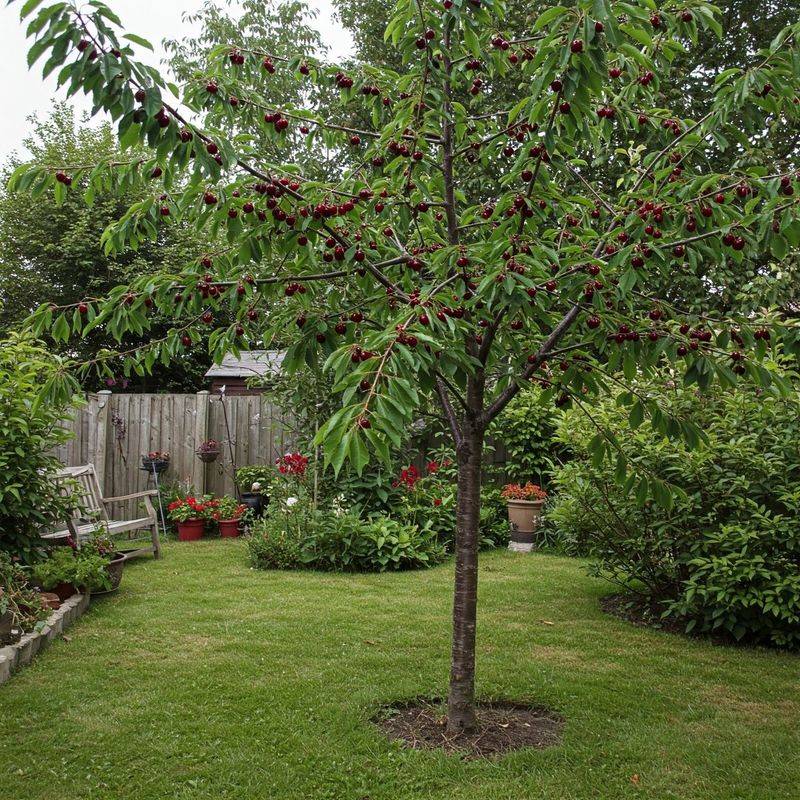
Size decides whether black cherry works on your property. The North Carolina Wildlife Federation reports it may reach 60 to 80 feet tall, and NC State Extension gives a mature width of 30 to 60 feet.
That is a big canopy, far larger than a typical suburban lot tree.
For light and soil, reported guidance says it does best in full sun and moist, well-drained soil. It also tolerates partial shade and drier conditions, so it is not fussy, though results can vary from site to site.
Before you buy, walk the spot and picture the full-grown tree. Look up for overhead utility lines.
Measure the distance to your house, garage, septic area, fences, and your neighbor’s property.
A simple test: stand where the trunk would go and estimate 30 feet in every direction. If that circle hits a roof, wire, or driveway, pick another location or another tree.
Large acreage, a field edge, or a back corner of a big lot are the settings where black cherry makes the most sense. Small yards may do better with a smaller native tree.
Use fall as a planting window, after choosing the site
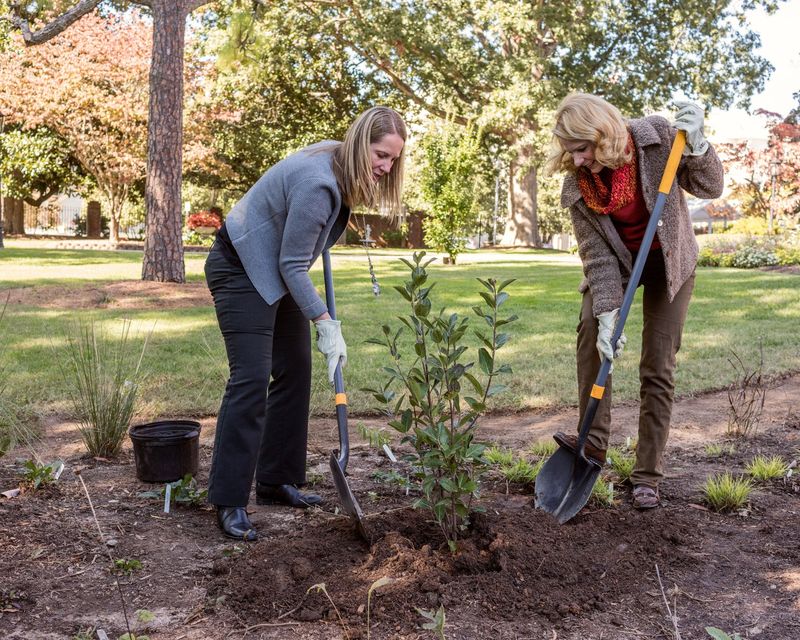
Autumn is a friendly time to get native plants into the ground. NC State Extension says fall planting generally works well for native plants in North Carolina.
Cooler air and typically more reliable rainfall are part of the reason, though conditions vary by year and region.
Site comes first, though. Before you pick up a shovel, confirm the tree has room to mature.
NC State Extension’s black cherry profile is a good place to check size and conditions against your spot.
A short fall checklist can help:
Mark the planting spot with a stake or flag. Check for buried lines before digging.
Confirm sun exposure through the day. Note how water drains after a heavy rain.
Timing varies across the state. Mountain gardeners face an earlier first freeze than folks on the coastal plain, so plan accordingly.
Any planting still needs watering until it settles in, and no timing guarantees how a tree will perform.
Keep damaged branches away from livestock
Black cherry has a serious downside, and it is worth knowing before you plant. The USDA NRCS plant guide explains that the leaves, twigs, bark, and seeds contain cyanogenic compounds.
That means they can release cyanide-related toxins.
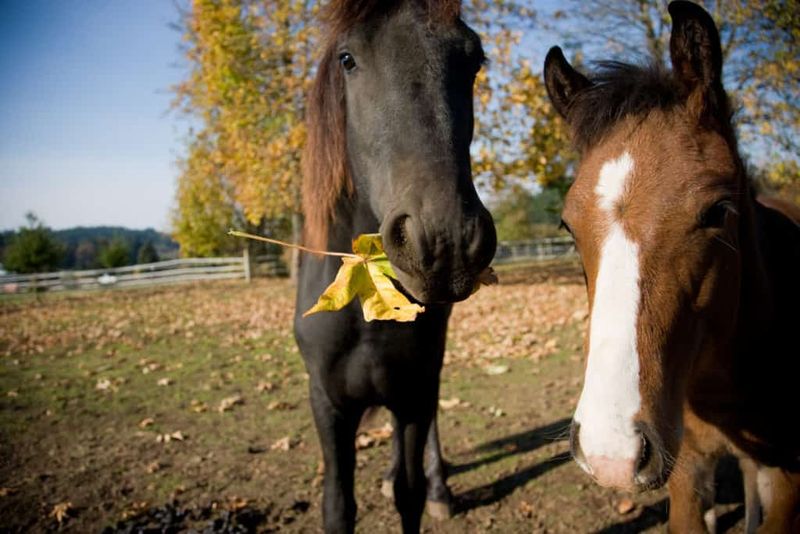
Wilted leaves are the biggest livestock concern. A branch snapped by a storm or dropped during pruning can wilt quickly, and animals may nibble it.
NC State Extension also flags the toxicity of the plant.
If you keep horses, goats, cattle, or other animals, treat any fallen or pruned black cherry as off limits. Haul branches well away from pastures and fences.
Check fencerows after storms, since black cherry often grows there on its own.
None of this means every part of the plant is edible. The USDA guide separates the ripe, pitted fruit from the toxic plant parts.
Do not nibble leaves, twigs, bark, or seeds, and keep children and pets away from them too.
Pair the tree with plants that extend the bloom sequence
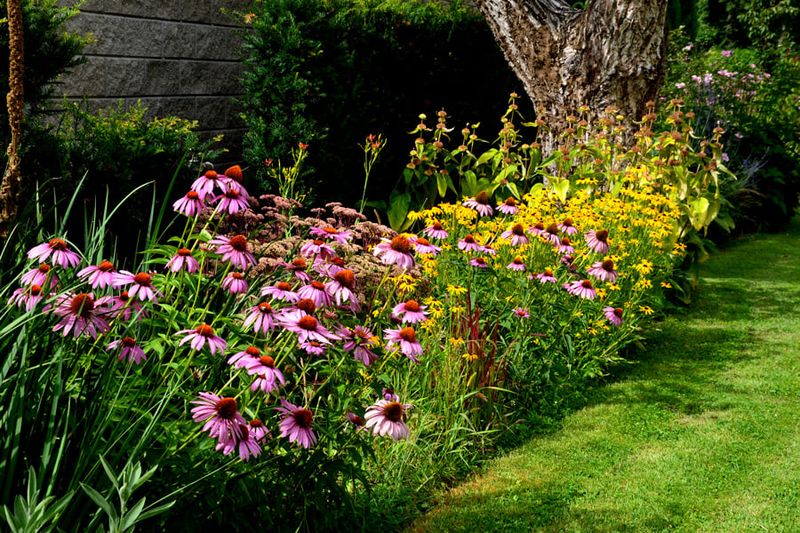
Think of black cherry as the opening act. Its bloom comes in April and May, and pollinators still need food after that.
USDA guidance recommends diverse plants with overlapping bloom periods and a mix of flower forms for a wider, more continuous supply of forage.
In practice, that means filling in the calendar. Add native plants that open in early summer, midsummer, and fall, such as purple coneflower, black-eyed Susan, and goldenrod.
Mix flat clusters, tubes, and daisy-like blooms so different insects can feed.
NC State Extension’s native plant guide is a good starting point for choosing species suited to your part of the state.
This is a planting strategy. It does not prove a tree beats a flower bed, and it does not replace planning for season-long bloom.
Each layer does a different job: the tree gives spring flowers, leaves, and fruit, and the beds fill the gaps.
Plant one tree for the long haul, then add a few perennials each fall.