
In much of Texas, late November is not the end of the gardening year. It is the start of the best flower season you can have.
Cool nights and warm soil help young plants grow strong roots all winter, so they burst into color the moment spring arrives. Here are ten flowers smart Texas gardeners tuck into their beds right now for months of blooms later.
1. Bluebonnets
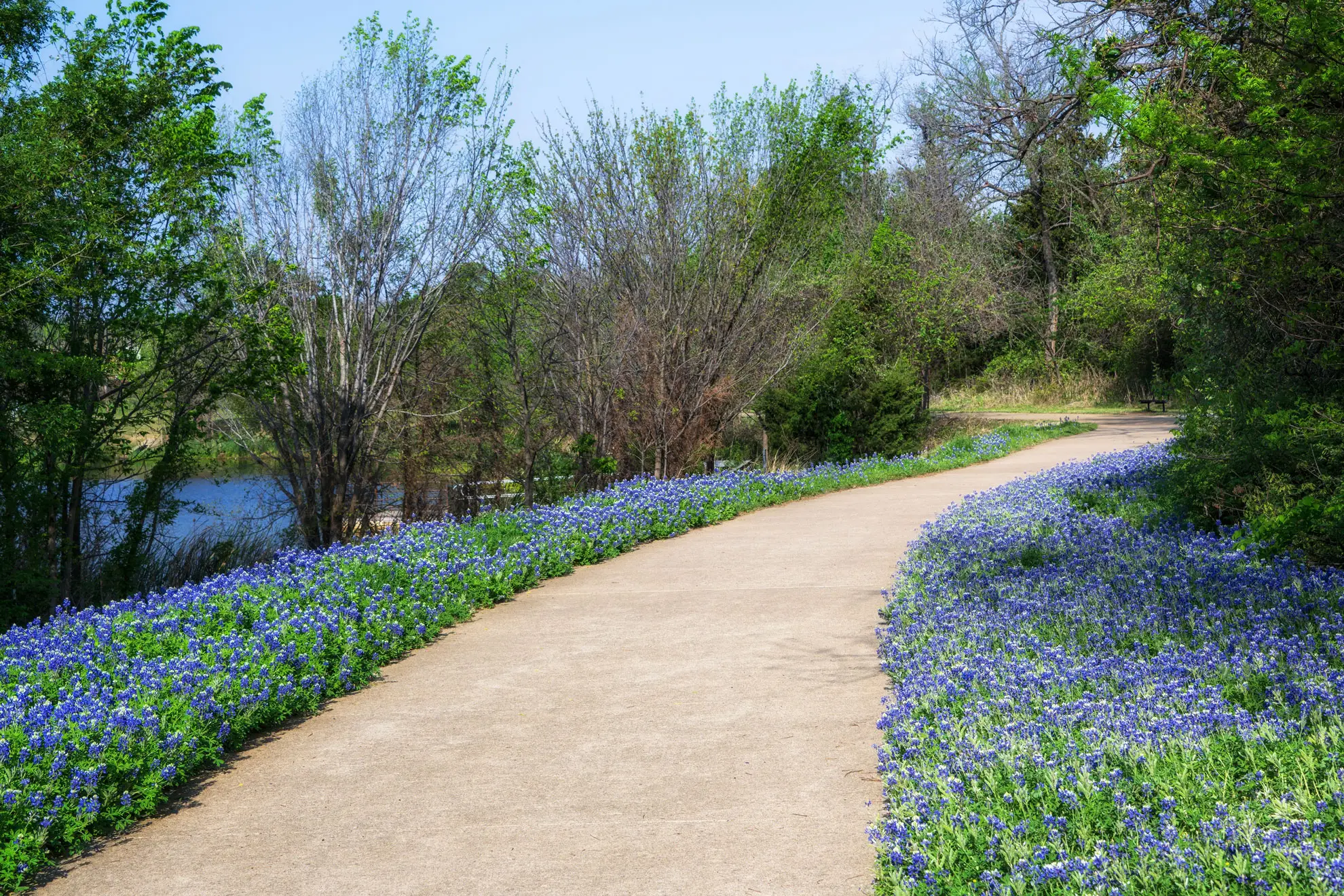
Ask any Texan to name one flower and you already know the answer. Bluebonnets are the state flower, and they are the reason so many fall planting plans begin in the first place.
Seeds ideally go down by October, but transplants set out in late November still have time to settle in. Pick a sunny, well-drained spot, because soggy clay can rot them.
They usually bloom in March and April.
Fun fact: the Texas legislature named the bluebonnet the state flower in 1901. Skip the fertilizer, since these natives grow best on lean soil.
2. Pansies
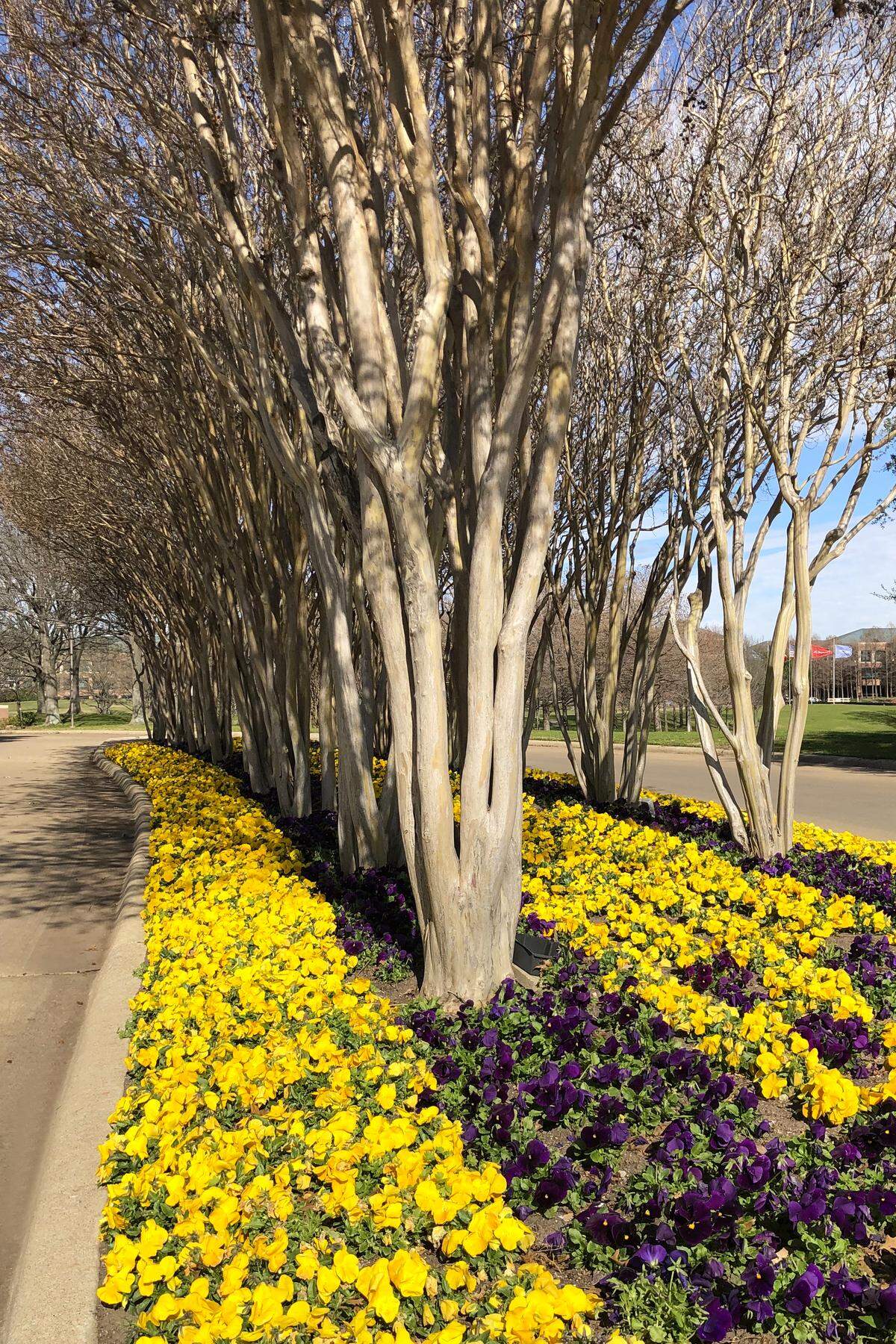
Few flowers shrug off a Texas norther quite like pansies. A freeze can flatten them overnight, and by lunchtime they are standing back up with cheerful faces.
Plant them in late November along walkways, porch pots, and the front edge of beds where people will see them. They bloom on and off through winter and put on their biggest show from February into April.
Feed them lightly every few weeks and pinch off spent flowers. Once May heat hits, they will fade, and that is your cue to swap in summer plants.
3. Snapdragons
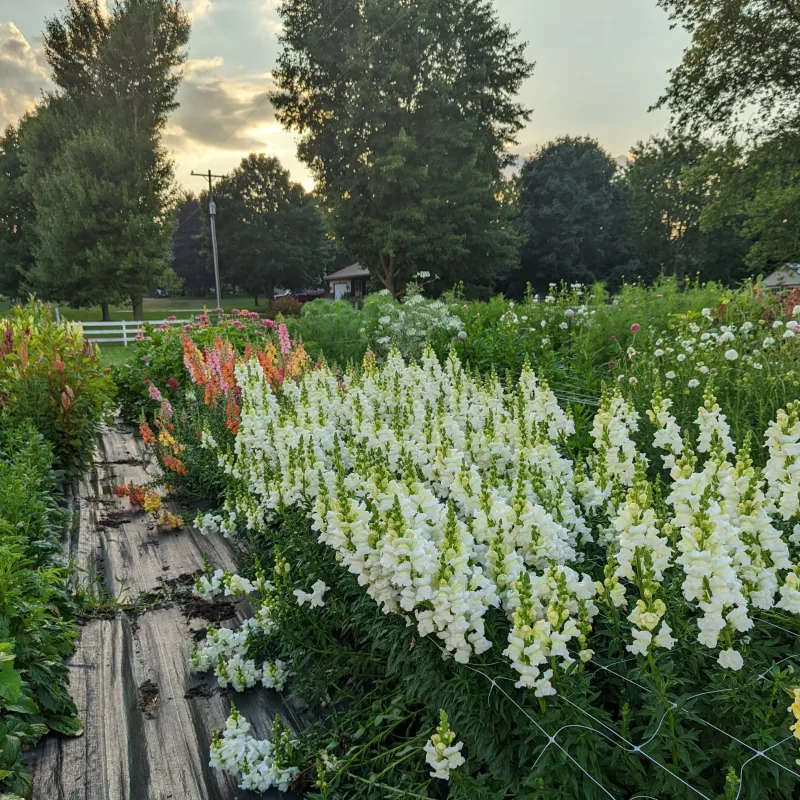
Squeeze the side of a snapdragon bloom and the little dragon mouth opens and shuts. Kids love it, and grown-ups secretly do too.
In Texas, snapdragons are a cool-season plant, not a summer one. Late November planting gives them all winter to build sturdy stems, so they shoot up tall spikes in March and April.
Use them in the middle or back of a bed for height. Taller types may need a little stake on windy Panhandle or Hill Country sites.
Bees work the blooms steadily on warm spring days.
4. Dianthus
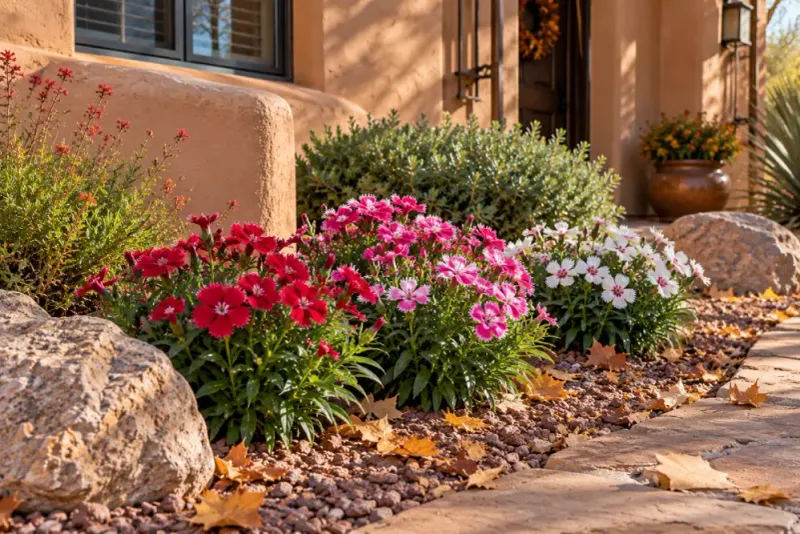
Lean close to a dianthus and you will catch a spicy, clove-like scent. That perfume is the quiet bonus of a tough little edging plant.
Dianthus handles cold snaps well and tolerates the alkaline soils common across Central and North Texas. Set plants about 8 to 10 inches apart along borders in late November.
Expect blooms in winter warm spells and a full flush in spring. Some varieties may even hang on through early summer if they get afternoon shade and good drainage.
5. Larkspur
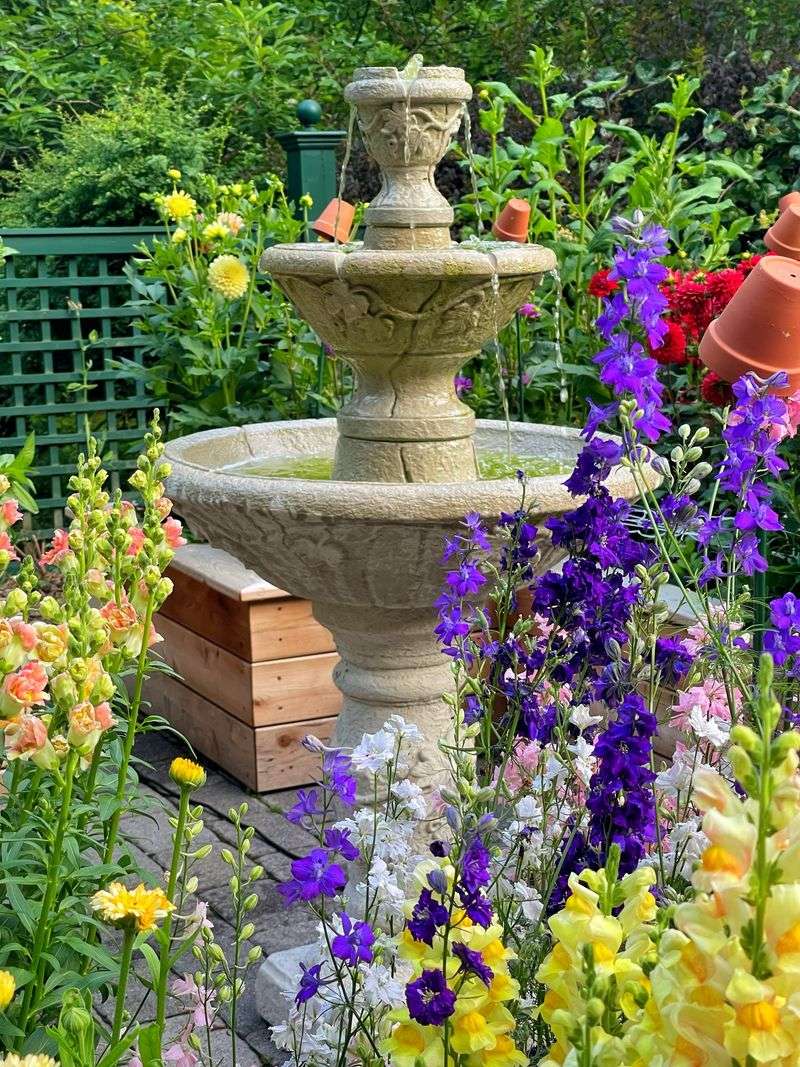
Grandmothers across Texas grew larkspur in fence-line beds, and many of those patches still reseed today. It is an old-fashioned flower with real staying power.
Scatter seed in late November on bare, raked soil and press it in lightly. Seedlings sit low through winter, then rocket up into blue, purple, and pink spires by April.
Let some flowers go to seed and you may never plant it again. One caution: all parts are toxic if eaten, so keep it away from curious pets.
6. Calendula
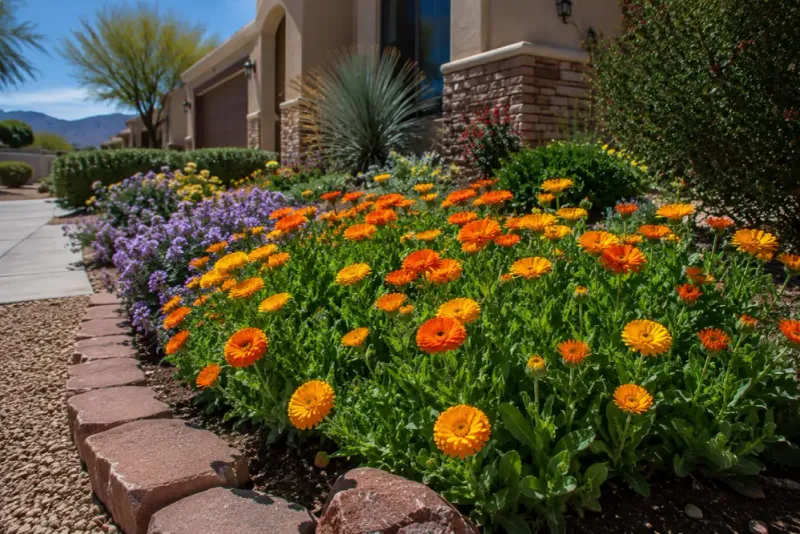
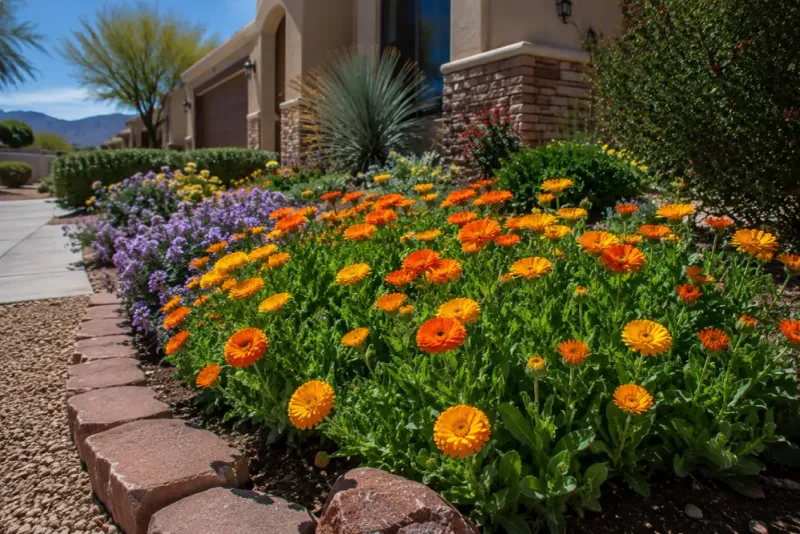
Sunshine-orange and tough as boots, calendula brightens beds when the rest of the yard looks brown. It is an easy pick for beginners.
Plant transplants or seed in late November. In South and Central Texas it may bloom through mild winters, and it peaks in early spring.
Tuck it into vegetable beds, where its flowers can draw in helpful insects like hoverflies. The petals are edible, too, so it pulls double duty in kitchen gardens.
7. Indian Paintbrush
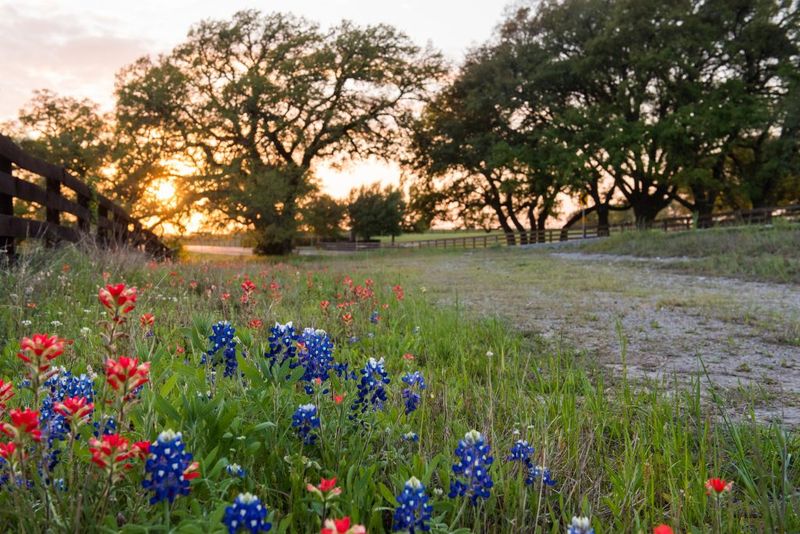
Picture a Texas roadside in April, blue and red flowers side by side. That red is usually Indian paintbrush, the classic partner to bluebonnets.
Paintbrush is partly parasitic and often grows best near grasses or other plants whose roots it can tap. Sow seed in fall alongside bluebonnets in a sunny, unmulched area.
It can be a little fussy to establish, so sow generously. When it works, you get a front-yard wildflower patch that looks straight off a Hill Country drive.
8. Alyssum
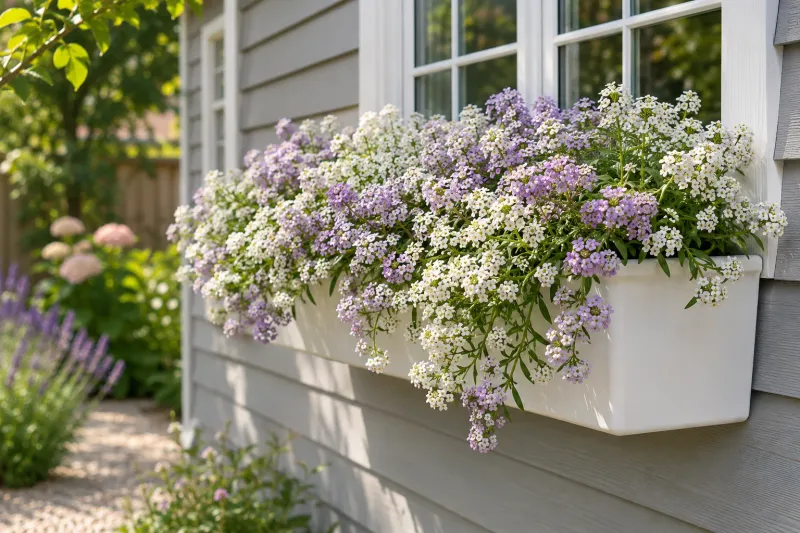
Sweet alyssum is the plant that fills the gaps. Its tiny white or purple flowers form a soft carpet that spills over edges and pot rims.
Late November planting suits it perfectly, since it struggles in Texas summer heat. It smells like honey on warm afternoons and draws small pollinators.
Use it under taller snapdragons or around pansies to tie a bed together. Trim it back by half if it gets leggy, and it will bounce back with fresh bloom.
9. Daffodils
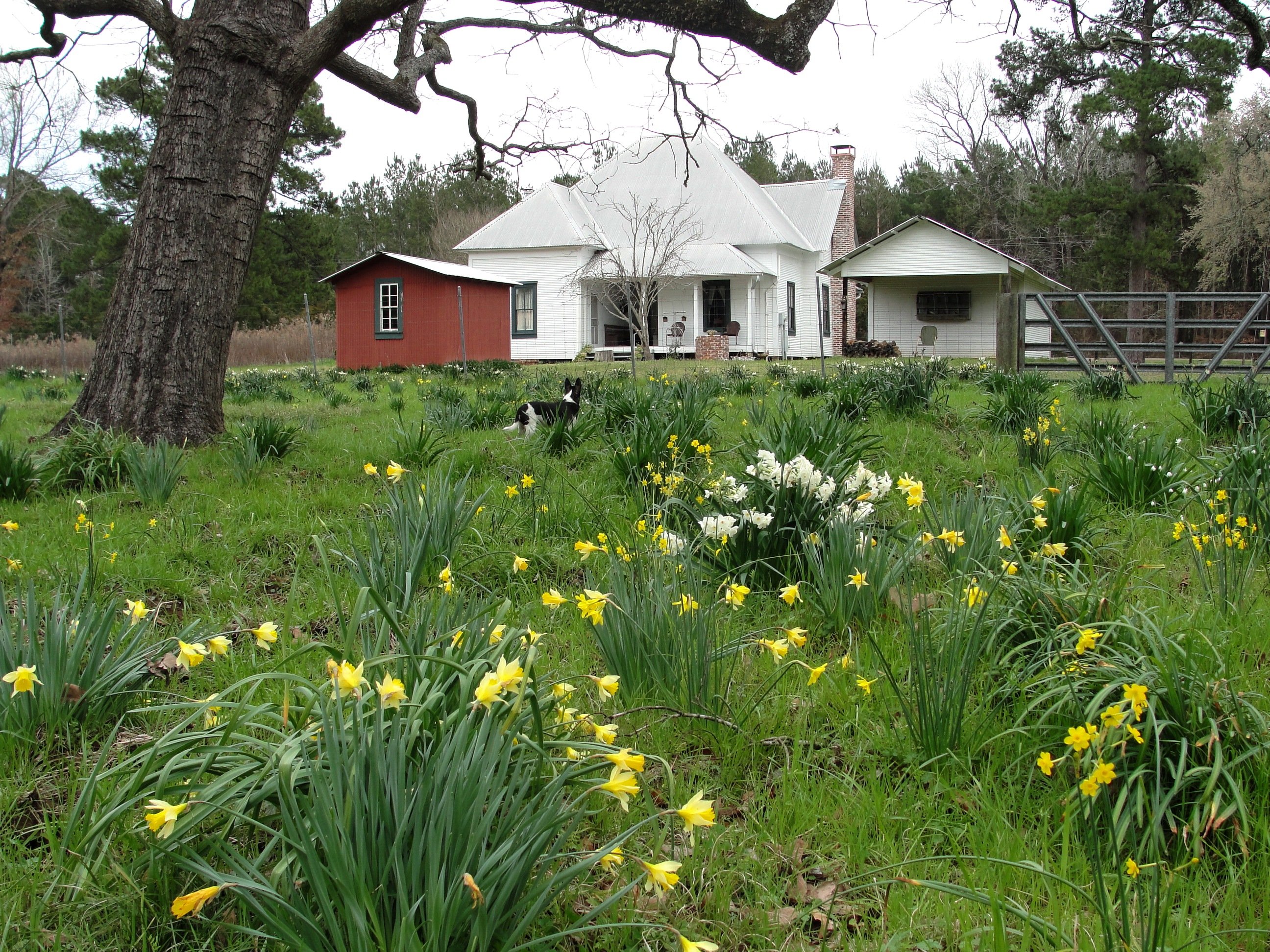
Not every daffodil will come back in Texas, and that trips up a lot of gardeners. The secret is choosing the right types.
Small-cupped jonquils and tazettas like Grand Primo and Carlton tend to return year after year here, even with short winters. Plant bulbs in late November about 6 inches deep in sunny or lightly shaded spots.
They are often the first color of the year, popping up in February. Deer and rodents usually leave them alone, a big plus for rural yards.
10. Texas Bluebell Companions: Coreopsis

Here is the plant that carries your bed from spring into early summer. Lanceleaf coreopsis is a native that keeps blooming after bluebonnets fade.
Sow seed or set out small plants in late November. Rosettes stay low all winter, then send up golden daisy-like flowers from April into June.
It handles heat and dry spells better than most spring flowers, which matters under water restrictions. Deadhead regularly and you can stretch the show for weeks, and finches may snack on the seeds you leave.