
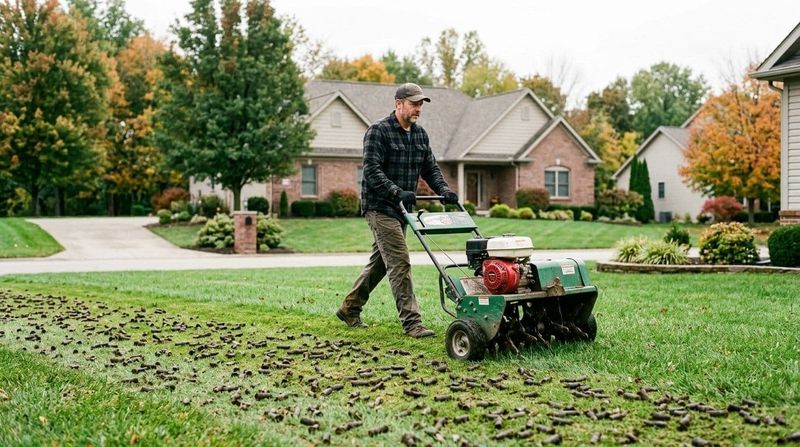
Fall came and went, and the lawn aerator never left the rental shop. Now you may be wondering if spring is your second chance.
The answer depends on what grass is growing in your yard and whether the soil is actually packed down. Here is how to sort out the right move for your North Carolina lawn.
Identify the grass before choosing a window
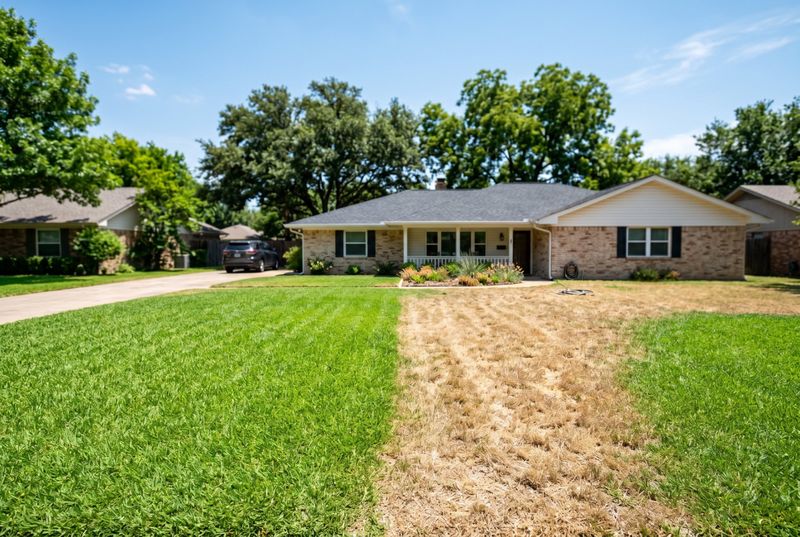
Walk out to the yard and figure out what you are growing. Most North Carolina lawns fall into two camps.
Tall fescue is a cool-season grass that stays green through much of the winter. Bermudagrass, zoysiagrass, and centipedegrass are warm-season grasses that turn tan after frost and green up again in spring.
The split matters because North Carolina uses different care schedules for each group. NC State’s lawn guidance separates cool-season tall fescue from warm-season grasses and gives each its own maintenance calendar.
It also notes that warm-season grasses tend to suit the Piedmont and Coastal Plain better than the mountains.
So the missed fall job does not set your next window. Your grass type does.
A quick clue: if the lawn is still green in January, you likely have fescue. If it goes straw-colored after the first hard frosts, you likely have a warm-season grass.
Not sure which one you have? Take a small plug of turf to your county Cooperative Extension office.
Staff can usually identify it for you, and that answer will guide every timing decision that follows.
Aerate when compaction gives you a reason
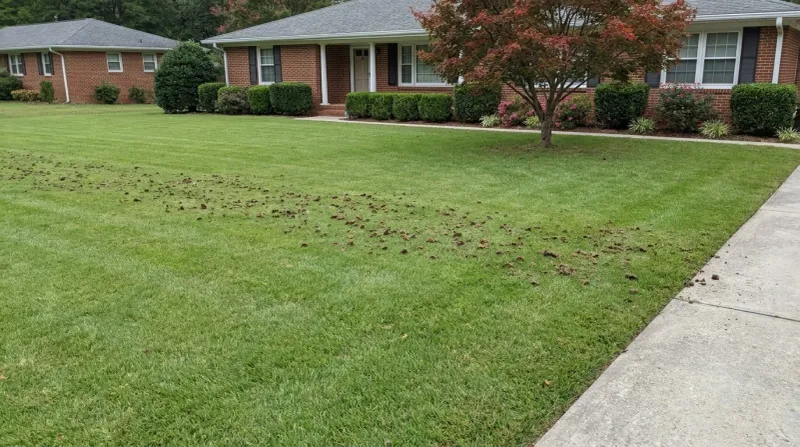
A reminder on the calendar is not a reason to punch holes in your yard. Aeration makes sense when the soil is packed down.
Think of the path the kids wear into the grass, the spot where the mower turns, or a yard graded by builders years ago.
NC State Extension points to heavy traffic and heavy clay soils as situations where annual aeration may be useful. Compaction can also follow construction, mowing, or plain foot traffic.
Much of the Piedmont sits on clay, so many homeowners there have good reason to check.
Core aeration pulls small plugs of soil out of the ground. According to NC State’s soils chapter, that helps relieve compaction and improves conditions for turf roots.
Try a simple test. If a screwdriver sinks in easily after a rain, the soil is probably fine.
If you struggle to push it in, or water puddles and runs off, compaction may be part of the story.
Keep expectations realistic. Aeration is not a guaranteed makeover, and it will not fix every drainage problem.
A lawn with loose soil and light use can skip it.
Wait for active growth on warm-season lawns
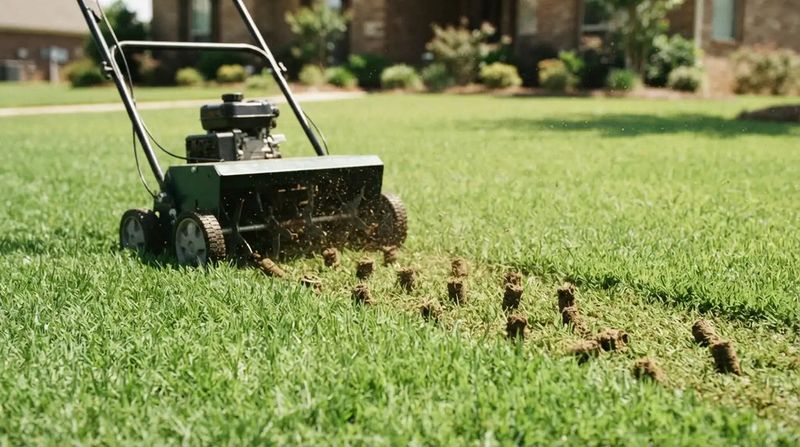
Bermudagrass and zoysiagrass owners have the more flexible answer. If your lawn is compacted, consider aerating in late spring or early summer, once the grass is actively growing.
Growing turf can fill in the holes faster than grass that is still waking up.
NC State’s guidance places warm-season aeration in that late spring to early summer period. NC State’s maintenance calendars for bermudagrass and zoysiagrass are good places to check the timing for your species.
Treat this as a season, not a date. A lawn near Wilmington often greens up well before one in the foothills.
Spring weather, shade, and soil all shift the moment.
A better cue than the calendar is the grass itself. Look for full green color, steady new growth, and a lawn that needs regular mowing.
If it is still patchy and tan, give it more time.
Soil moisture matters too. Aim for soil that is moist but not wet.
Bone-dry ground resists the tines, and soggy ground turns messy and compacts more. The step-by-step prep comes in a later section.
Keep routine tall-fescue aeration on a fall schedule
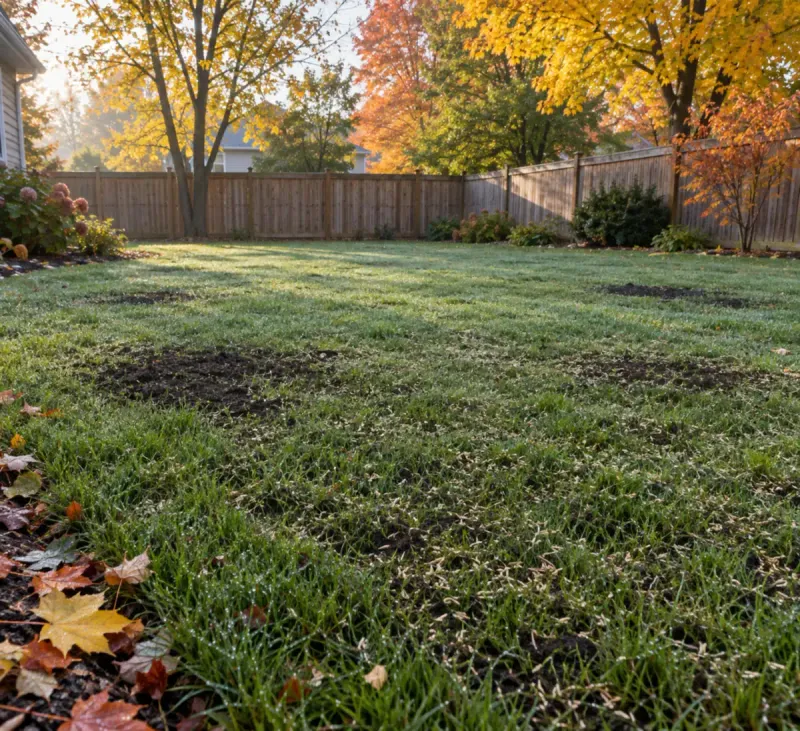
Plenty of advice says that if you missed fall, just do it in spring. For tall fescue in North Carolina, that is not the usual path.
NC State’s tall fescue calendar says to delay aeration until fall.
One reason is weeds. NC State’s organic lawn care guide cautions that coring in spring may encourage unwanted weeds.
Fresh bare soil gives weed seeds a place to sprout.
You may see different advice elsewhere. Clemson Extension describes early spring or fall as suitable for cool-season grasses.
Since you are gardening in North Carolina, the NC State recommendation is the one to follow here.
In practice, that means a missed fall job turns into a fall plan for next year. Use the months in between to watch for trouble spots, like where water runs off or where foot traffic is heaviest, so you know where to focus.
That wait is not neglect. A fescue lawn that is not showing signs of heavy compaction can simply keep its normal mowing, feeding, and watering routine.
Plan around preemergence weed control
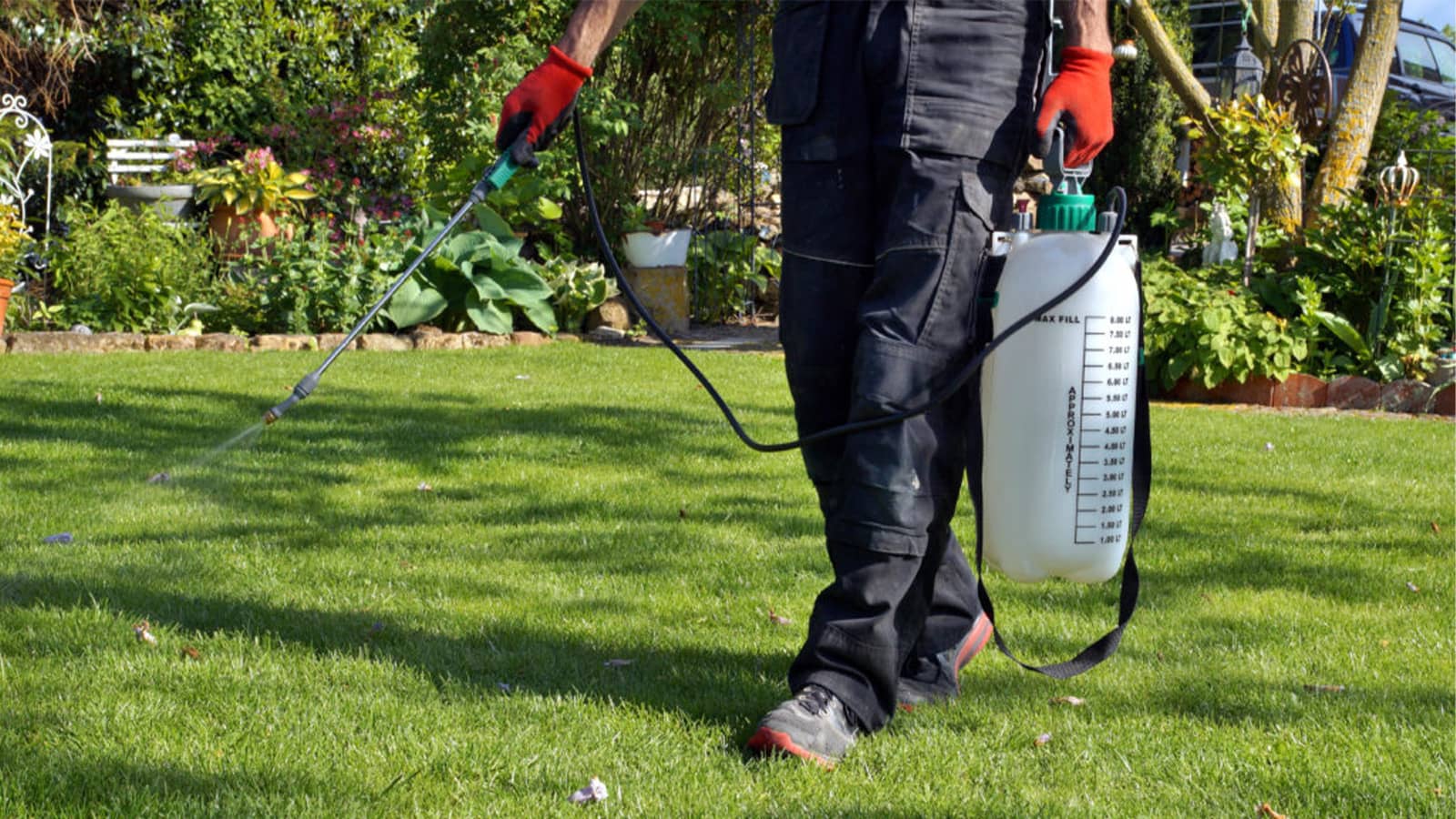
If you put down preemergence herbicide each spring, sort out the order of jobs before you rent a machine. These products form a layer in the top of the soil that stops weed seeds from sprouting.
Aeration opens that same soil, so people worry about breaking the layer.
Experts do not agree on the best sequence. Clemson Extension recommends aerating before applying preemergence herbicide.
On the other hand, Colorado State Extension says conventional core cultivation does not reduce the effectiveness of preemergence products already applied.
So there is no single rule that fits every product. Read the label on yours, and check with your local Extension office about your lawn and timing.
Decide the order first, write it down, and then book the aeration. That way you avoid doing the work twice or leaving open soil with no plan for weeds.
Use a core aerator when the soil is ready
Once you know your lawn is due, choose the right tool. Rent a core aerator, which removes plugs of soil, rather than a spike tool.
NC State warns that spiking can compact the soil even more.
Check the soil a day or two ahead. It should be moist but not wet.
If a handful smears like mud or sticks to your boots, wait for it to dry a bit.
Before the machine starts, mark every sprinkler head and any underground lines, such as irrigation or pet-fence wire. Small flags work well.
Tines can damage what they hit, and a quick walk with a bundle of flags can save a repair bill.
Make your passes in straight, overlapping rows, and go over very hard areas a second time. Mow at your normal height beforehand so the machine rides evenly.
Then leave the soil cores where they land. They should break down and work back into the soil within two to four weeks.
Rain, mowing, and a little raking of the clumps will speed that up.
Keep the lawn watered as usual afterward, and keep heavy traffic off it for a while if you can.
Let grass type and lawn condition set the next step
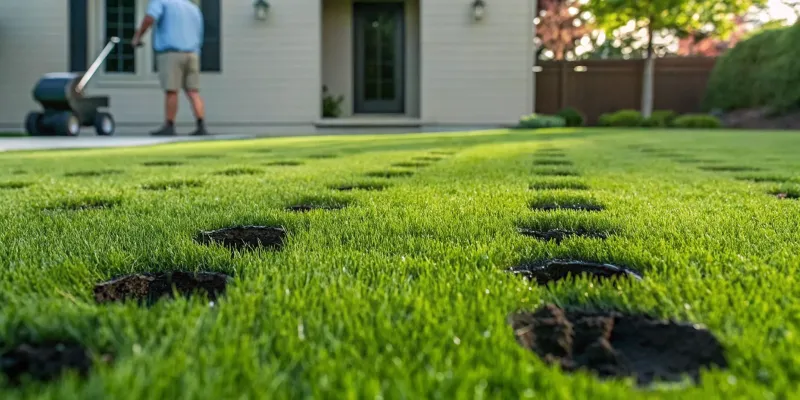
Run through three quick checks. First, test for compaction.
Second, name your grass. Third, match the season to the grass.
If you have a compacted warm-season lawn, consider core aeration in late spring or early summer after active growth begins, as NC State advises. If you have tall fescue, routine aeration waits until fall, following NC State’s fescue calendar.
Your own yard, from mountains to coast, decides the exact timing, not a date printed on a flyer. The lawn tells you when it is ready.