
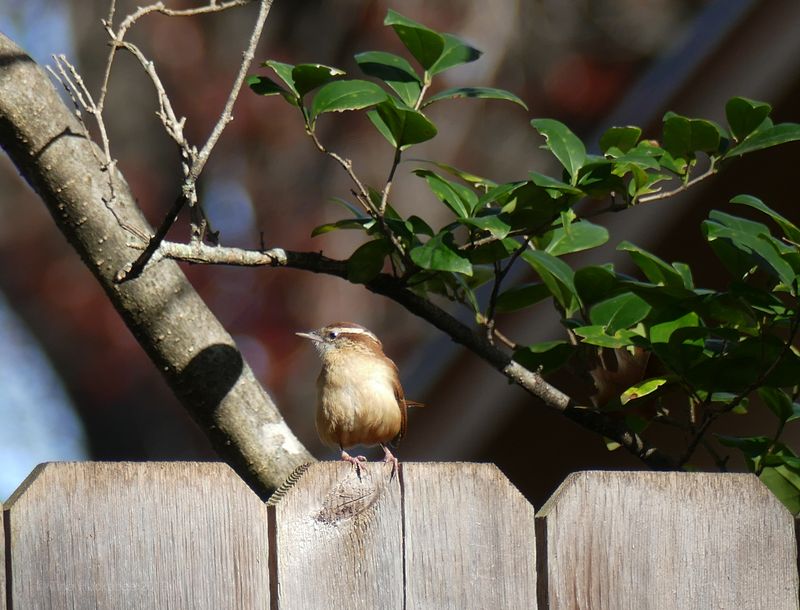
A small brown bird with a bold white eyebrow pops out of a tangle of shrubs, bobs its tail, and belts out a song far bigger than its body. Spotting a Carolina Wren is a bright moment in any Central Texas yard.
These birds live here all year, so a winter sighting says something different than many people expect. Here is what a wren can tell you about your yard, and what it cannot.
Carolina Wrens Are Year-Round Texas Residents
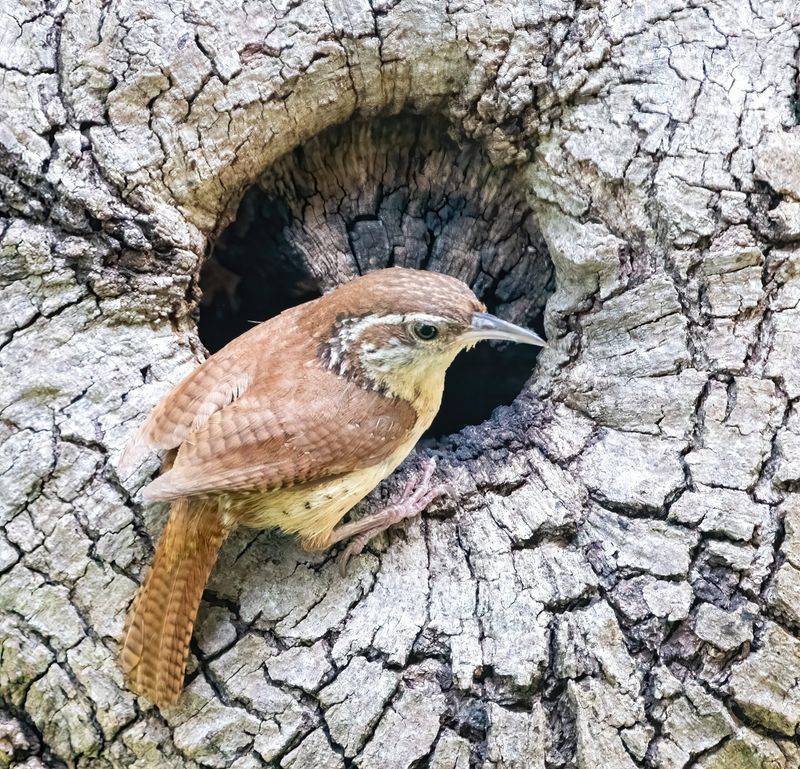
Many people assume a bird showing up in winter must have just arrived from somewhere colder. Carolina Wrens do not work that way.
The Texas Breeding Bird Atlas identifies the species as a resident in Texas, meaning it stays put through the seasons rather than flying in for the cold months.
That fits what local bird guides say, too. A City of Waco bird guide lists Carolina and Bewick’s Wrens as common year-round birds in that part of Central Texas.
So a wren in your January yard is not a surprise visitor. It may well have been nearby in July, too, just hidden in the greenery or less noticeable when leaves were thick.
Location still matters. Texas records show the species turns up less consistently as you move farther west than in eastern Texas, so a yard near Waco or Austin may see wrens more regularly than one out toward the edge of the Hill Country or beyond.
Central Texas is a big, varied place, and wrens are not evenly spread across it.
Keep that seasonal picture in mind before reading anything into a winter sighting. The bird is a local, not a newcomer, and that sets the stage for understanding what its visit really tells you.
Brush and Leaf Litter Offer Foraging Places
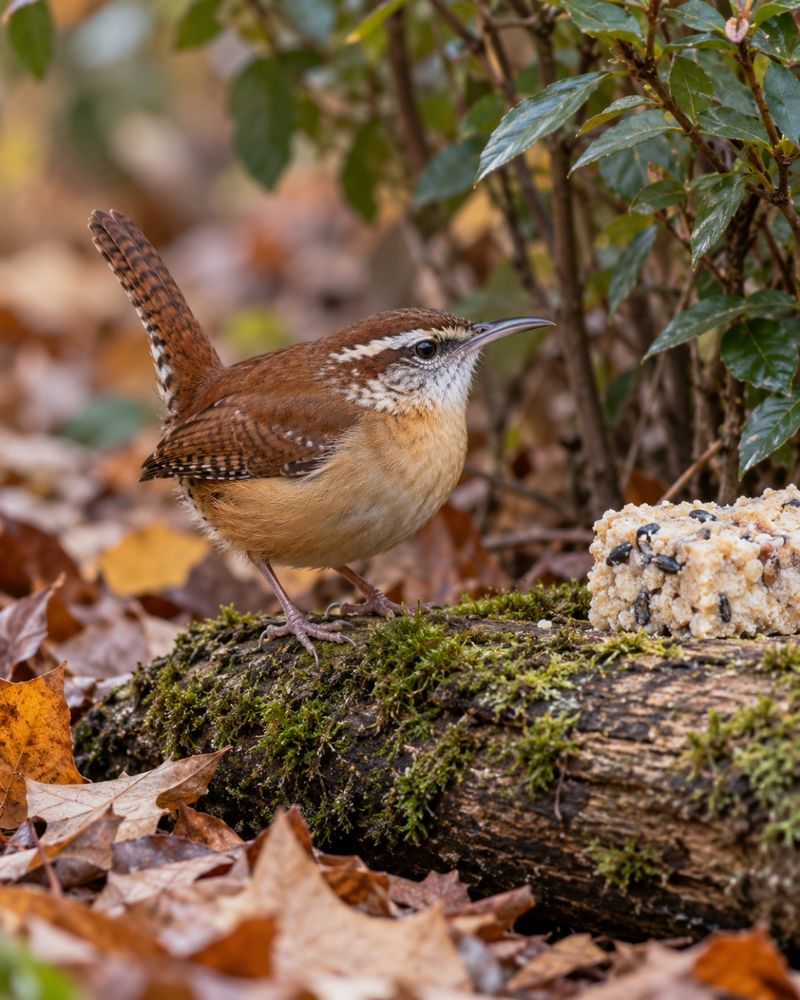
Watch a wren for a few minutes and you will see it working the lower levels of your yard like a tiny detective. According to Cornell Lab life history notes, Carolina Wrens forage low in shrubs and vines, on or near the ground, and around logs, leaf litter, and other tangled cover.
Insects are an important part of the menu.
Peeking under leaves, poking into crevices, and flicking through debris all make sense for a bird hunting small prey. A tidy, bare lawn offers few hiding spots for insects.
A corner with fallen leaves, a few layered shrubs, and some vines gives both bugs and birds more to work with.
The Cornell Lab overview adds that wrens may also eat some fruit, so they are not strictly bug-only diners.
All of this makes a brushy, layered yard a good match for what wrens do. Match is the key word.
Without knowing your particular yard, nobody can say that a certain shrub, leaf pile, or bug population is the reason a wren stopped by. Wrens also live in parks, woodlands, and other settings, so your yard is one option among many.
What a Winter Sighting Can—and Cannot—Tell You
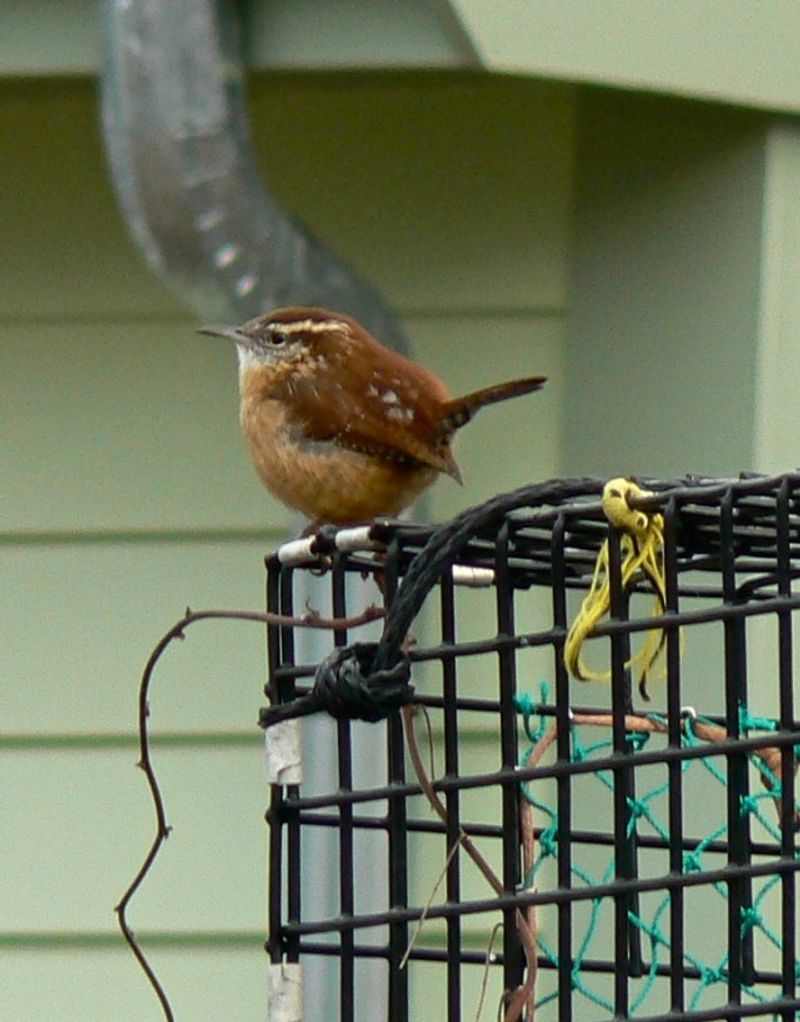
Spotting a wren is a good moment, and it is fair to feel encouraged. It tells you a bird that likes low, tangled cover found something worth visiting.
What it cannot tell you is that your latest planting project worked or that more wrens now live around you.
One reason is territory. Cornell describes Carolina Wren pairs as holding territories year-round, so the bird in your yard may be one pair covering a stretch of the neighborhood.
Seeing it five times might mean the same bird made five stops.
Other things could be at play, though none are proven here. You may simply be home more, looking out the window more, or noticing birds more easily when winter leaves thin out.
Wrens are also loud, and the Cornell identification page points to their habitat and behavior around brushy, shrubby places, which can make them easy to hear even when hard to see.
No source shows a winter increase in Carolina Wrens across Central Texas, and the Texas atlas notes wrens also use settings well beyond backyards. So enjoy the visit, jot down dates if you like, and skip the conclusion that you caused it.
Make Room for Layered Cover—Safely
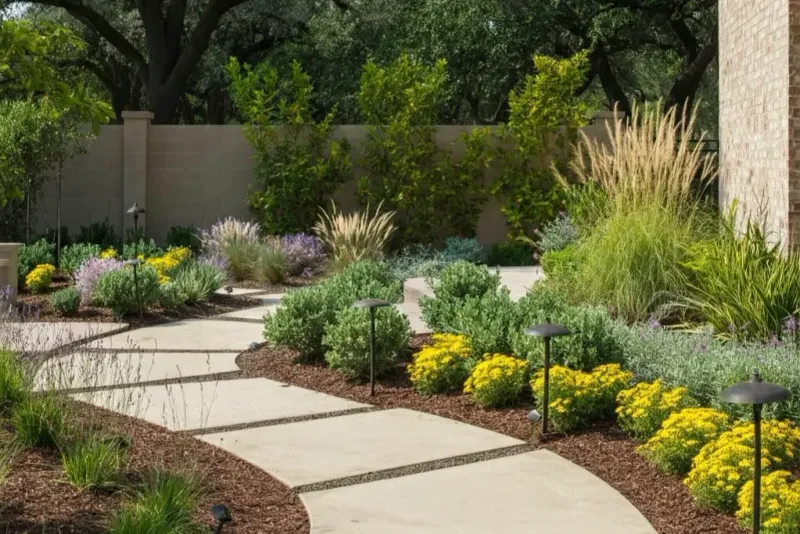
If you want to keep your yard friendly to wrens and other small birds, start with what you already have. Hold on to some dense shrubs, let a few layers of vegetation grow from groundcover to understory to taller plants, and leave some leaf litter in beds where it fits.
TPWD Wildscapes design tips recommend layered plantings that give wildlife cover and food.
Choose plants that suit your local Texas ecoregion. Natives tend to handle our heat, clay or limestone soils, and watering limits better, and the TPWD Wildscapes guidance points to year-round cover and food-producing plants as building blocks.
Safety comes first, especially in a state with wildfire and drought risk. The Texas A&M Forest Service advises moving flammable materials away from house walls and managing vegetation around structures.
In practice, that means putting your thick cover out toward the back or sides of the lot, not against the siding. Keep a clear zone beside the foundation, and skip piling brush or dry debris near the house.
Layered cover can be useful for birds, but it should never come at the cost of protecting your home.
Reducing Pesticide Use Protects Birds and Their Prey
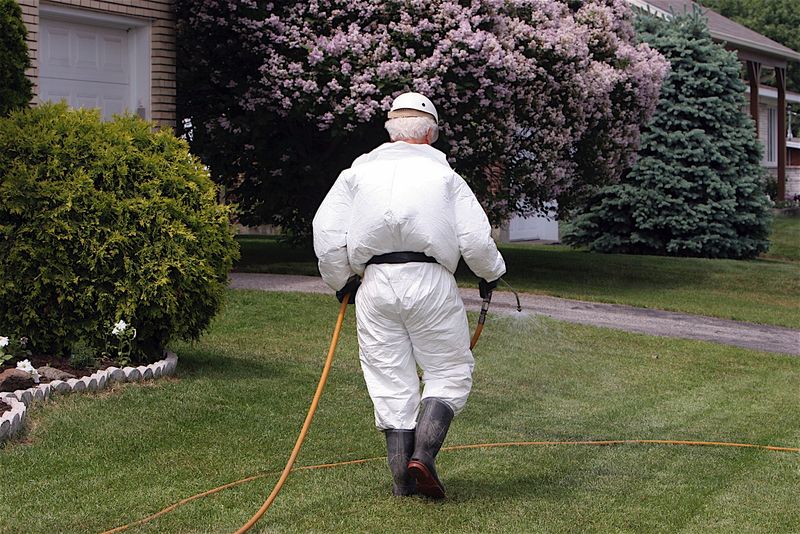
Insects are food for wrens, which makes yard chemicals worth a second thought. Texas Parks and Wildlife’s Partners in Flight guidance warns that birds can be harmed by chemicals directly, or by eating prey that has been poisoned.
It recommends reducing dependence on pesticides.
That is a sensible habit even if no wren ever visits. A bird that eats a poisoned insect can carry that harm with it, and sprays rarely stay only on the pest you meant to target.
Practical steps can be simple. Before reaching for a spray, figure out what the problem actually is and whether it needs treatment at all.
Spot-treat only where needed, read labels carefully, and avoid broad spraying across the whole yard. Many bugs are harmless, and some are part of the food web your local birds rely on.
Cutting back on pesticides is not a promise of more wrens. It simply removes one possible risk for the birds and prey already in your yard, which is a reasonable goal on its own.
Feeders Are Optional
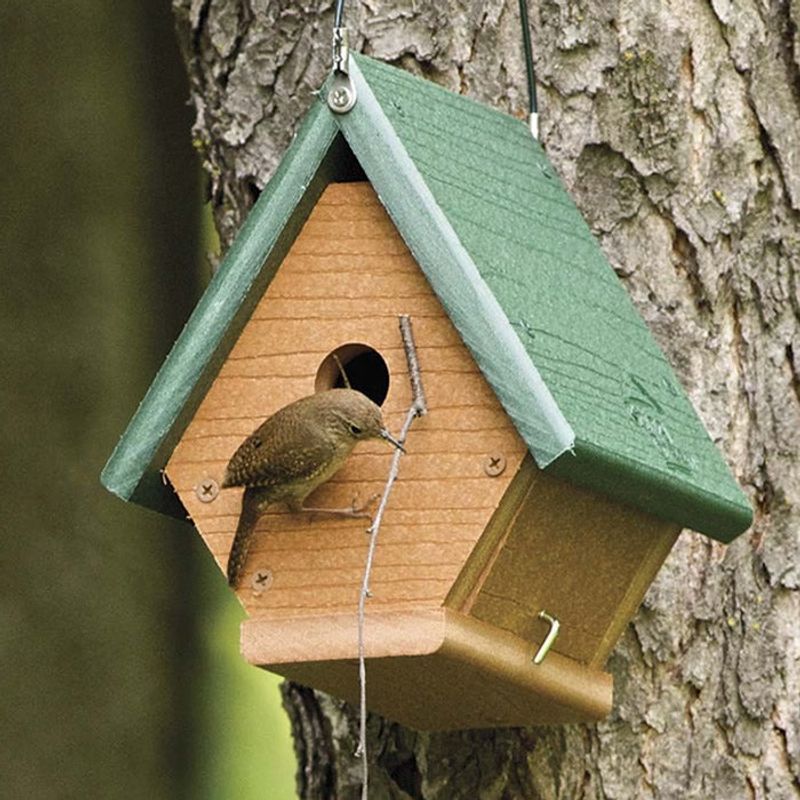
You do not need a feeder to have a wren-friendly yard. Cover and natural foraging spots do much of the work, and plenty of people enjoy these birds without ever hanging a thing.
If a feeder appeals to you, think of it as a bonus.
The Cornell Lab overview notes that Carolina Wrens may visit suet feeders, so a suet cage placed near shrubs is one option. Wrens like to stay close to cover, so a spot near a shrub or fence line may feel safer to them than an open lawn.
Hygiene matters once you start feeding. Audubon’s feeder guidance stresses regular cleaning to help keep feeders disease-free.
Wash feeders and birdbaths on a routine schedule, and toss any spoiled food and built-up debris.
Texas heat can spoil suet and seed faster than you might expect, so check often. If cleaning feels like a chore you will not keep up, skipping the feeder is a perfectly good choice.
Let the Wren Be Encouragement, Not a Verdict
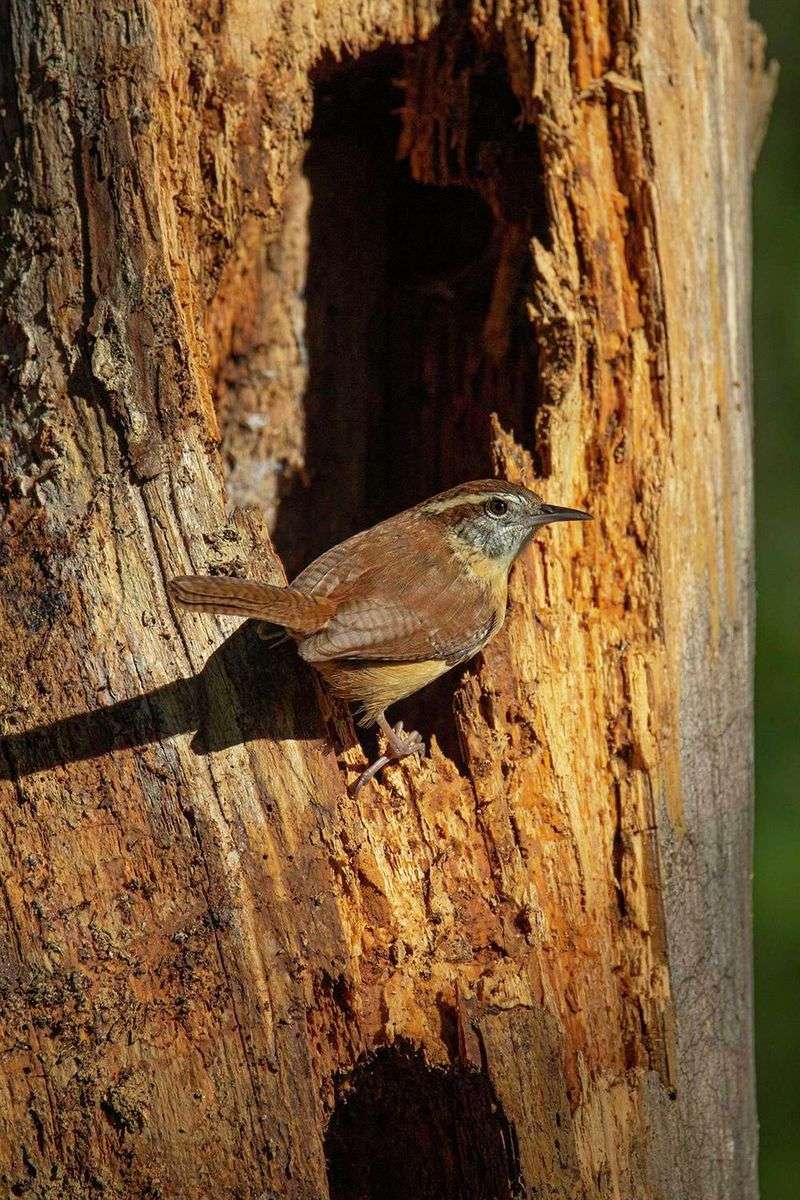
A Carolina Wren is a welcome sign that useful cover and foraging places may be around, not a grade on your gardening. The Texas atlas shows it lives here year-round, and Cornell says pairs hold territories all year.
Keep making safe, practical choices that fit your yard. The wren will keep singing either way.