
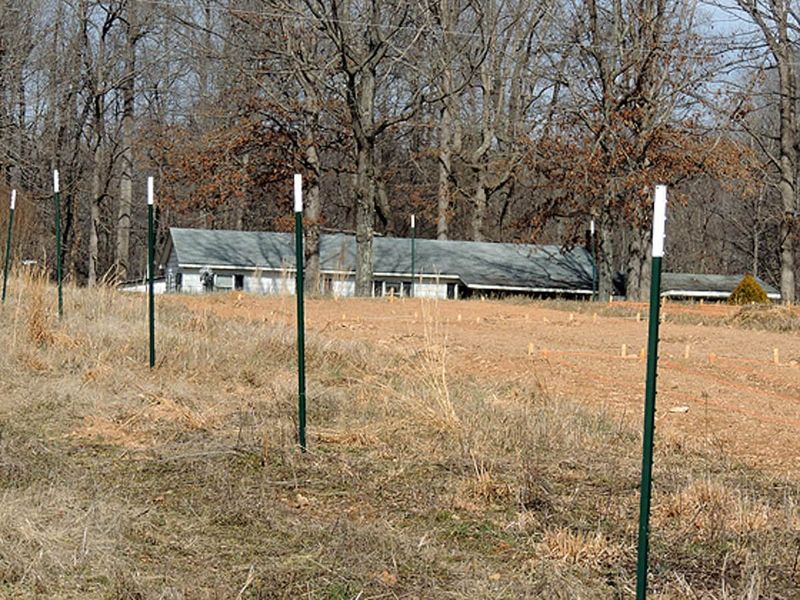
Walk out to your garden one morning and find your roses chewed and your beds trampled, and you will want a fast fix. Fishing line is a cheap, nearly invisible option that some extension experts describe for small beds.
It can help in the right situation, but it has real limits and some wildlife risks. Here is how to figure out what is eating your plants, whether line fits your yard, and what to do if it does not.
Why browsing can increase when food is scarce
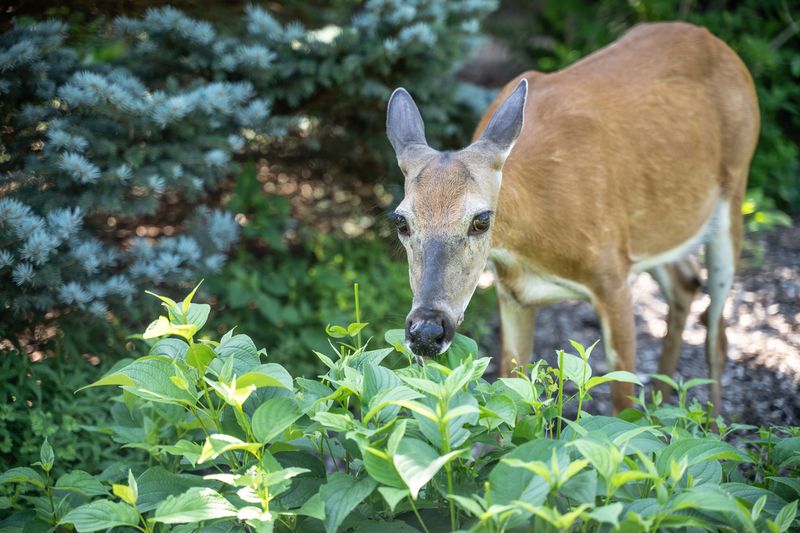
Deer eat what is available, and that changes with the season, the weather, and where you live. Missouri Extension’s deer nutrition guide explains that winter can be a stressful time for deer, and that fall and winter foods such as acorns, clovers, and certain native plants may still be around depending on the region and conditions.
So winter food is not gone everywhere, and yard damage does not peak in late fall in every place. Browsing is more likely to climb when local food runs short, when snow covers low forage, or when many deer share a small area.
Iowa State Extension’s deer protection advice also points to local conditions as a key factor in how hard plants get hit.
Your best guide is what you actually see. Look for fresh damage, hoofprints, and droppings near the bed, and note when the damage shows up.
Then protect the specific bed that is at risk instead of trying to defend the whole yard at once.
Hostas and roses face different seasonal risks
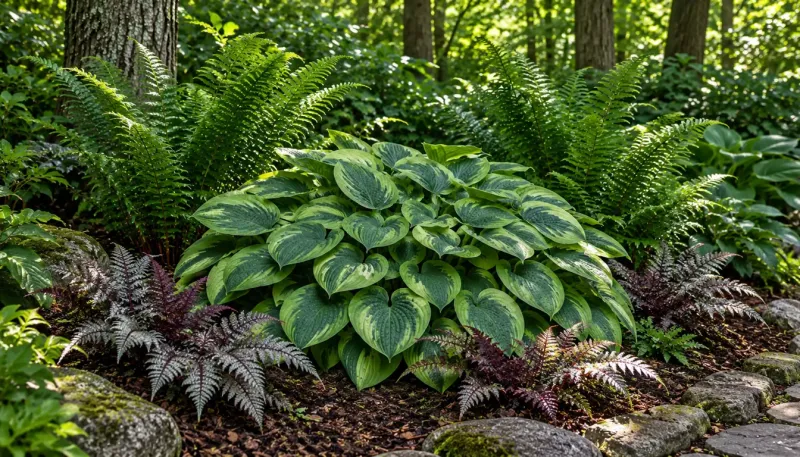
Hostas and roses are not the same kind of plant, so they are at risk at different times. Hostas are herbaceous perennials, and as cold weather arrives their leaves fade and die back, as described by University of Minnesota Extension and the NC State Plant Toolbox.
In most temperate gardens, there is little hosta foliage left for deer to eat through winter.
If you see hosta stubs now, ask when the damage happened. It may have occurred before the leaves died back, and a chewed look alone does not tell you the cause or the timing.
Roses are woody plants, and deer can browse woody growth in winter, especially when food is scarce. Iowa State Extension lists a range of plants deer may eat.
Check rose canes for ragged, torn tips, since deer lack upper front teeth and tend to tear rather than cut cleanly.
When a fishing-line trial may fit
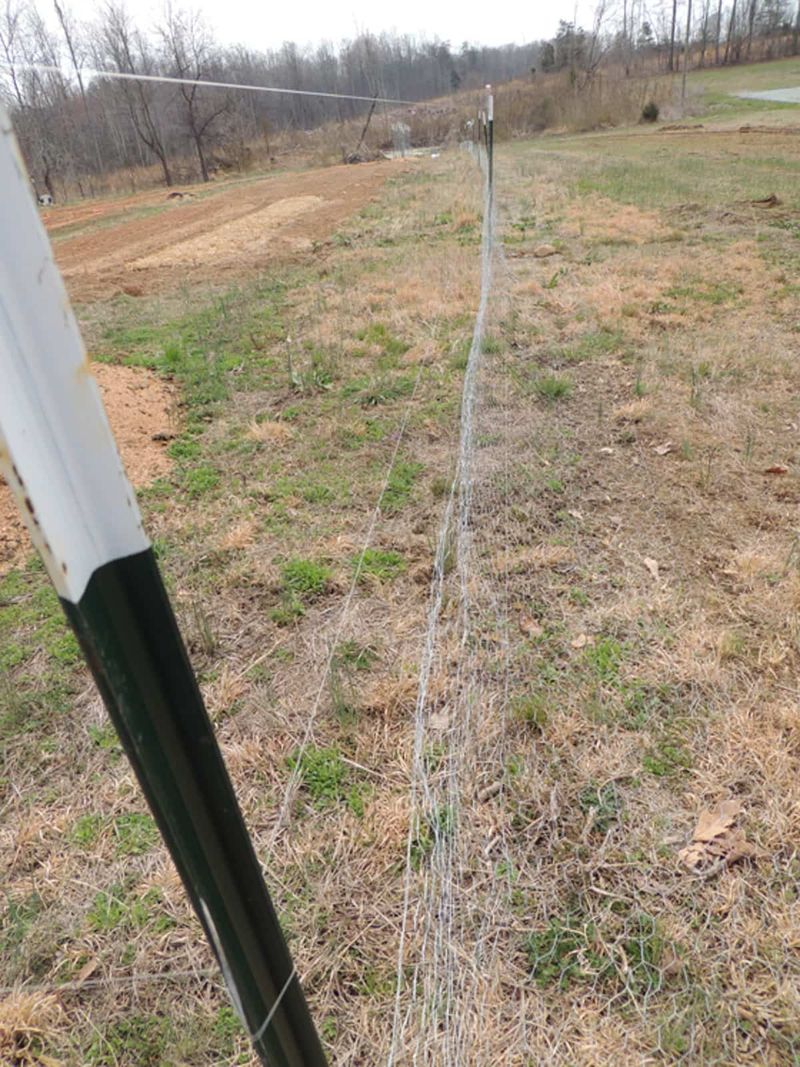
Iowa State Extension describes fishing line as a low-visibility, short-term deterrent, not a dependable fence. Its guidance on winter deer browsing says the approach suits low deer density and animals that feed mostly at night.
The idea is that deer bump into a line they cannot easily see in the dark and get spooked. In daylight, deer may see the line and simply ignore it.
That makes your own observations the deciding factor. A trial may fit if you have a small bed, only a few deer pass through, and damage appears overnight.
If you spot deer feeding in the daytime, or a herd is working through the yard, skip ahead to sturdier options. Treat line as an experiment you watch closely, not a weekend fix that will save the bed.
Set the line taut and at the recommended height
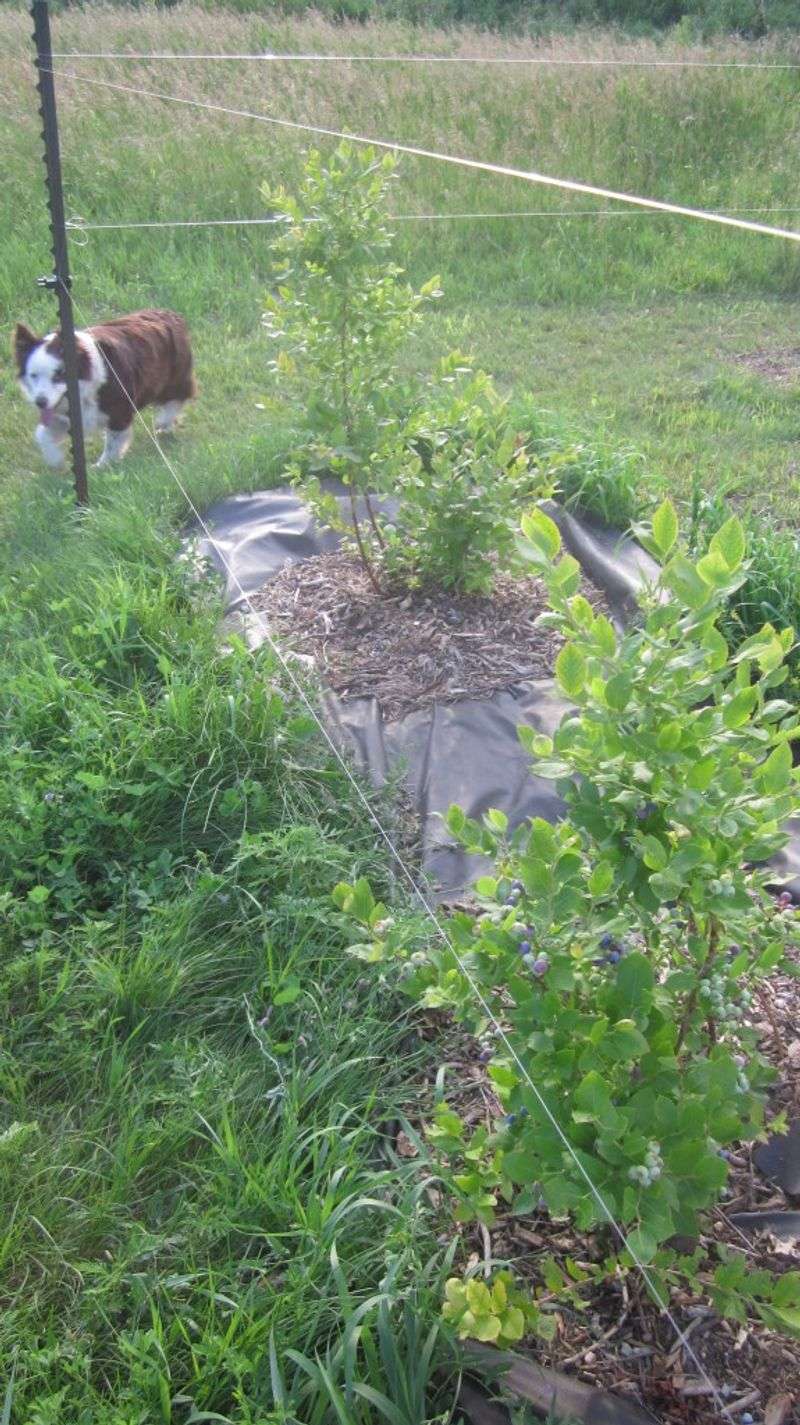
Details matter if you try this. Iowa State Extension recommends monofilament rated at 30-pound test or stronger, strung tightly around the bed.
Place the line at least 2 feet beyond the edge of the bed, so a deer meets it before it can reach the plants. Set it 36 inches above the ground.
Use sturdy stakes or posts, and pull the line snug so it does not sag.
A tape measure and a few firm stakes make this easy to get right. Keep in mind that these numbers describe a limited method.
Following them does not guarantee deer will stay out, and a determined or daytime-feeding deer may walk right through.
Inspect the line and reduce wildlife risks
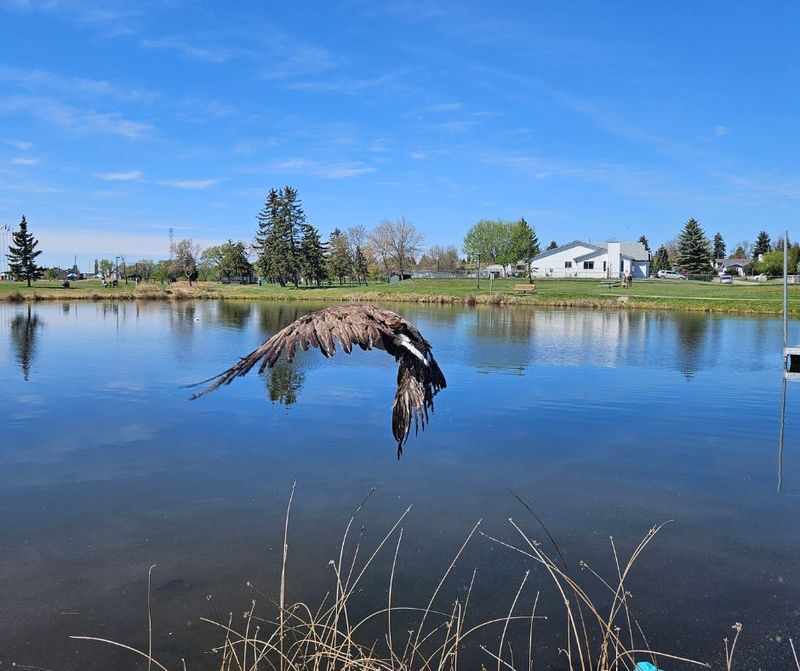
Check the line often. Iowa State Extension says to inspect it frequently for breakage, since a snapped or sagging line stops doing its job.
The bigger concern is safety. Thin line is hard for animals to see, and state wildlife agencies such as Washington Department of Fish and Wildlife warn that loose or discarded monofilament can entangle and injure wildlife.
As precautions, keep the line away from paths where people or pets walk, and take it down when you no longer need it. Collect every piece and dispose of it properly.
These steps are common-sense safeguards, not an extension-tested installation protocol.
Choose stronger exclusion if browsing continues
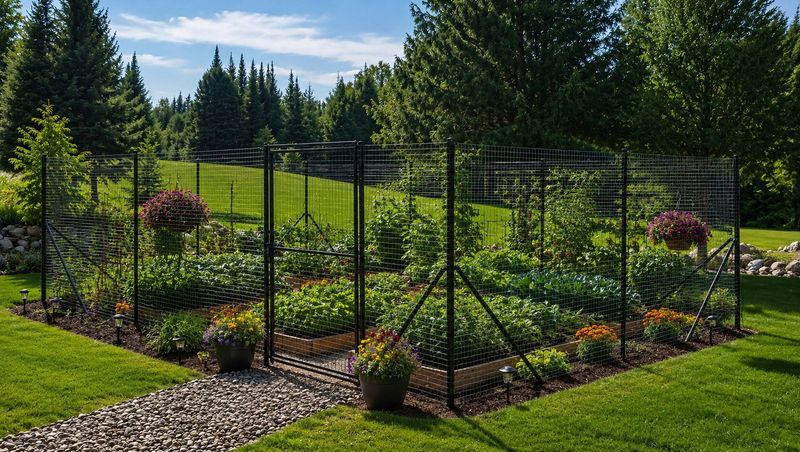
If deer keep browsing after a fair trial, move to a real barrier. Iowa State Extension says a full garden generally needs an 8-foot fence.
A shorter 50-inch fence may work around a compact enclosure smaller than 8 by 16 feet, because deer are less likely to jump into a small enclosed space.
For a few valued plants, such as a prized rose, individual cages are another choice.
Repellents may help for a short time, but they need reapplication and deer may ignore them, as noted by Iowa State and University of Minnesota Extension. Hair or soap should not replace a barrier.
When planning fencing, protect only the area that needs it, and think about gates or escape routes so an animal that gets inside can get out, as USDA NRCS guidance recommends.
Match the protection to the local problem
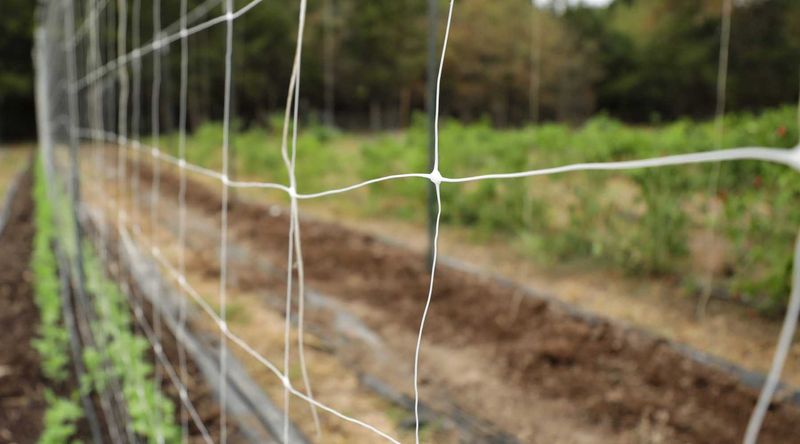
Start by finding out what is being browsed and when. Try Iowa State’s fishing-line method only if your bed is small and the feeding is light and nocturnal.
If damage continues, step up to fencing or cages.
Let local food conditions, as Missouri Extension describes them, and your own observations lead the way. Deer follow the food, not the calendar.