

Picture a sunny slope in your North Carolina yard covered in a low mat of pink, lavender, or white flowers each spring. One native perennial can deliver that look, and fall is a smart time to think about planting it.
Whether it works for you depends on where you live and what your yard offers. Here is how to decide before you buy.
Moss phlox offers a low mat of spring color
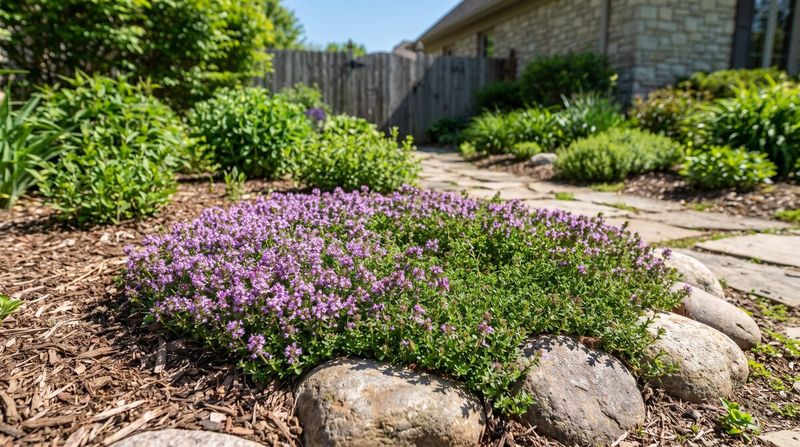
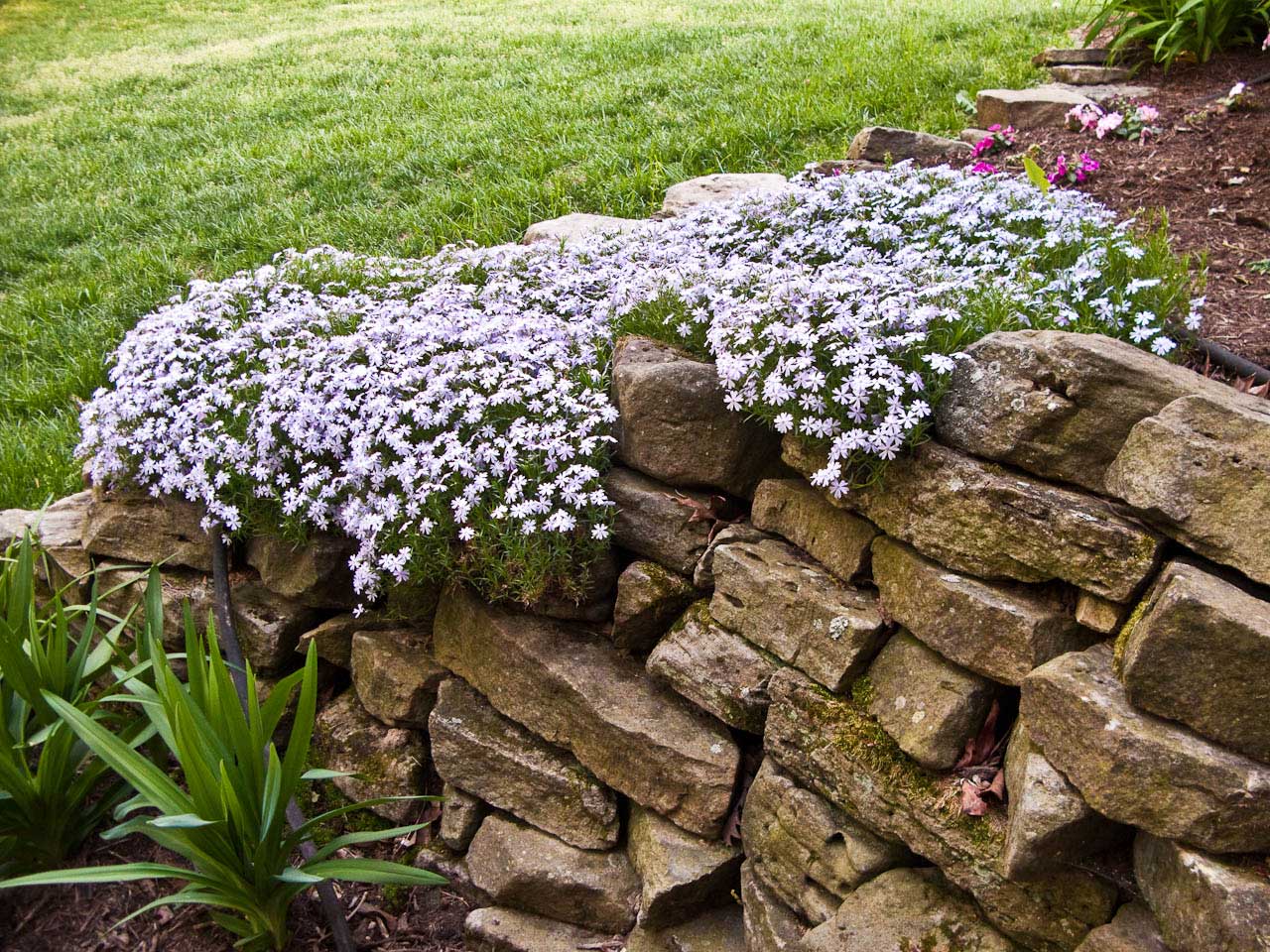
Tiny star-shaped flowers can hide nearly every leaf on a healthy moss phlox in spring. The plant is Phlox subulata, also called creeping phlox or moss pink, and it is a perennial that returns year after year.
NC State Extension’s Plant Toolbox describes it as a native, spring-blooming plant with showy pink, lavender, reddish-purple, or white flowers, usually in April and May. Think of it as a spring window of color, not a show that runs from March to June.
The plant grows as a low, spreading mat, typically 4 to 6 inches tall and 2 to 3 feet wide. That makes it a handy groundcover for edges, slopes, and the front of a border, where the flowers sit right at eye level for anyone walking by.
Wildlife gets a share of the payoff. The flowers attract bees, butterflies, skippers, and hummingbirds, so a patch can add movement to your yard when little else is blooming.
Keep expectations realistic. One new plant will not turn into a yard-wide carpet right away.
It spreads over time, and a young plant may bloom lightly at first. If you want a larger sweep of color, plan on several plants spaced across the area and give them a few seasons to knit together.
Choose a sunny, well-drained place
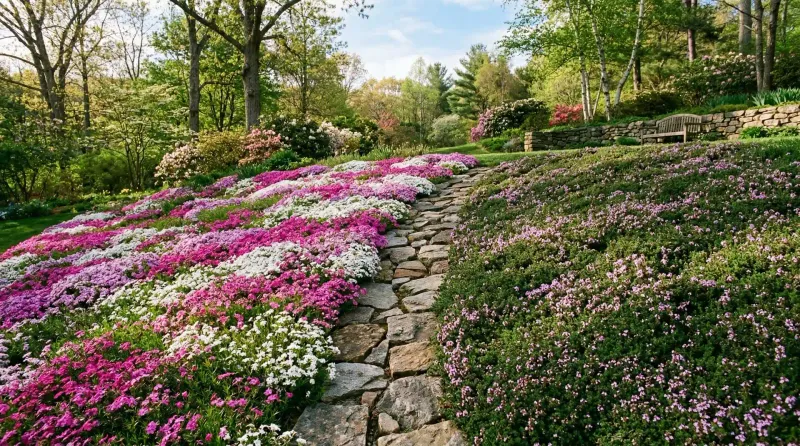
Walk your yard on a sunny afternoon and look for the spot that dries out fastest after rain. That is often where moss phlox is happiest.
For the best flowering, NC State Extension recommends full sun and well-drained soil. The plant handles dry, rocky, or sandy conditions better than some other phloxes, which is good news if your soil drains quickly or your slope never stays soggy.
Some dappled shade can help during hot, humid summers. In a Piedmont or coastal yard where July afternoons are brutal, a spot that gets a little relief from late sun may keep the mat looking better.
Those needs line up with the ways the plant is commonly used: rock gardens, sunny slopes, borders, and groundcover plantings. A rock wall edge, a driveway-side bank, or the front of a sunny bed are all good candidates.
Site fit matters, and moss phlox will not suit every yard. Heavy clay that stays wet, a deeply shaded corner, or a low spot where water pools are poor matches.
A simple test: dig a small hole, fill it with water, and see how long it takes to drain. If water lingers for hours, pick another plant or another place.
Native to North Carolina does not mean native everywhere in the state
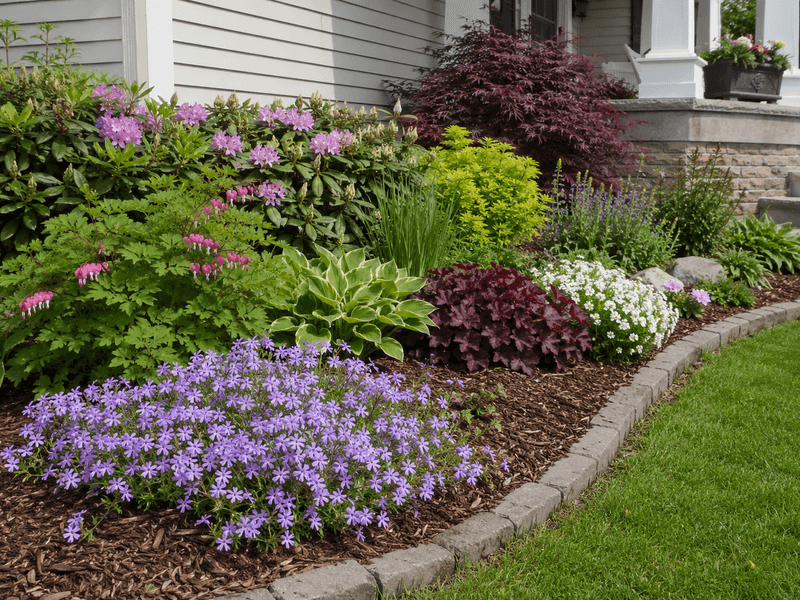
Here is a detail that is easy to miss. Moss phlox is native to North Carolina, but NC State Extension says its natural occurrence in the state is in the Appalachian Mountains.
The same Plant Toolbox entry lists it as suitable for gardens in the Mountains, Piedmont, and Coastal region. That is a statement about where it can be grown, not proof that it grows wild in all three regions.
So a Raleigh or Wilmington gardener can plant it, but is working with a mountain native in a different setting. That is a reason to pay closer attention to your own yard.
As NC State Extension’s native plants guidance points out, local ecoregion, light, drainage, and soil all affect how well a native does. Before you buy, ask yourself three questions: how many hours of direct sun does the spot get, how fast does it drain, and what is the soil like?
Finally, buy nursery-propagated plants. Extension recommends purchasing them rather than removing plants from natural areas, so leave the wild patches on mountain roadsides and rock outcrops where they are.
Late-fall planting may help roots, but it cannot promise spring flowers
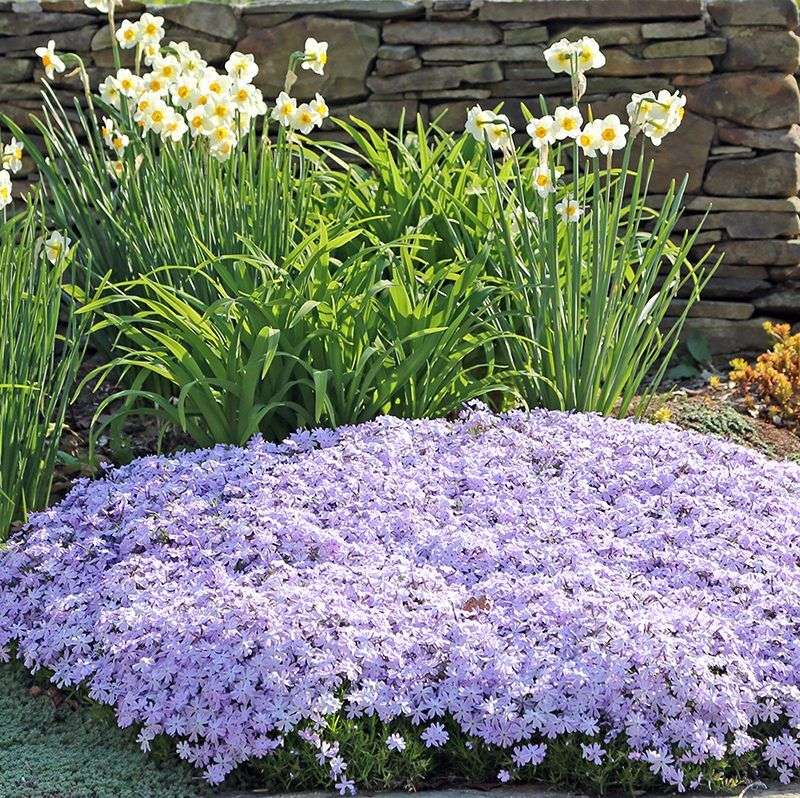
Fall has a real advantage for perennials. North Carolina Cooperative Extension says October and November can be good months to plant hardy perennials, because roots can keep growing while the top of the plant is dormant.
That is general guidance for settling a plant in. It does not mean a moss phlox planted in late November will bloom the next April.
First-spring flowers are possible, but not guaranteed.
Timing also varies across the state. National Weather Service freeze maps show that freeze dates differ by location and region.
Plant only when your soil and weather allow, and if you garden in a colder mountain location, waiting until spring may serve you better.
Planting a nursery-grown container plant is different from sowing seed. For seed, the advice depends on where you live.
Lee County Extension suggests waiting until late January through late February to sow native perennial seed, and it warns that some commercial wildflower mixes contain nonnative species.
A Sandhills article gives a fall sowing window for that region. Treat both as local examples, not statewide rules.
For late-fall color plans, an established container plant is the safer bet.
Help a new planting establish

Native does not mean no care, at least not at first. A new plant has a small root system and needs help getting started.
NC State Extension advises watering newly planted natives for the first few weeks, or until the roots establish. Check the soil with a finger rather than following a calendar, and water when the top inch or so feels dry.
Mulch is the other helper. The Extension Gardener Handbook recommends a 2 to 3 inch layer around plants to conserve moisture and moderate soil temperatures.
That steadiness can matter in late fall, when warm days and cold nights swing the soil around.
Keep the mulch off the crown, the spot where the stems meet the roots. Piling it over the center of the plant can hold in moisture where you do not want it.
Pull the mulch back a little so the plant sits in a small ring of open space.
On a low, spreading plant, that means mulching the bare ground around it and letting the mat grow outward over time. Aftercare is simple, but doing these two things well gives a late planting its best shot at settling in before spring.
Plan for a possible display, not a guaranteed one
If you have a sunny, well-drained spot, moss phlox may be a good fit, and late fall can be a fine time to set out a nursery-grown plant when local conditions allow. Fall planting may support root growth, but the sources do not guarantee flowers the following spring.
Match your choice to your part of North Carolina, check local freeze timing, and expect color in the April to May window. A patch that fills in over a few seasons is worth the wait.