
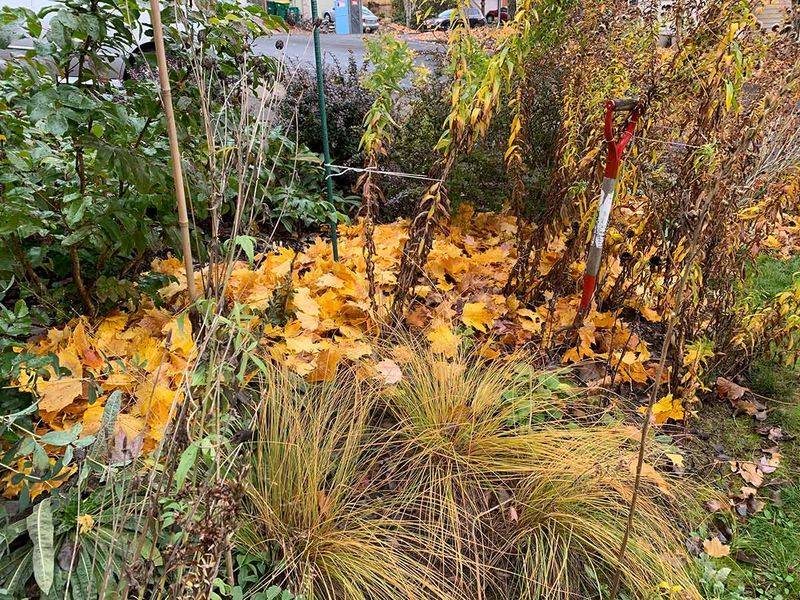
The leaves dropping under your shrubs are free soil care, and raking them all away means hauling off a useful layer. Left in a loose, thin layer, they shade the ground, slow water loss, and slowly turn into organic matter.
That matters in a dry-summer yard where soil bakes and water costs add up. Here is how to use leaves well, and when to rake them out anyway.
A loose leaf layer can protect shrub-bed soil
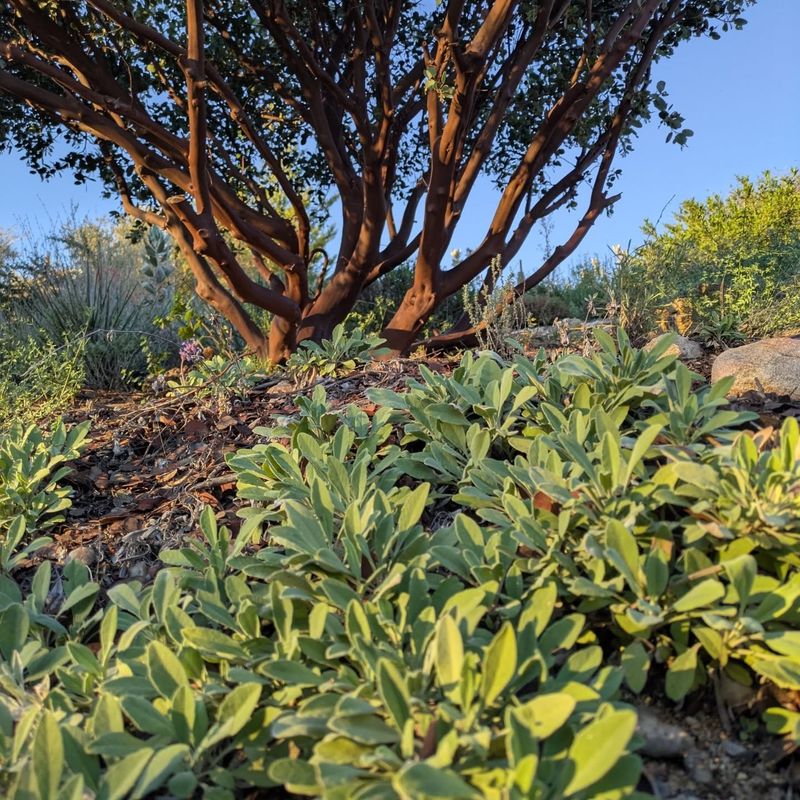
Bare soil in a California summer loses water fast. A loose layer of leaves on the surface works like a light blanket, and UC Master Gardener mulch guidance lists less evaporation, fewer weeds, and steadier soil temperature among the benefits of organic mulch.
Weeds struggle when sunlight cannot easily reach the soil, so a leaf layer means less pulling in spring. The ground also stays a little cooler on hot afternoons and a little warmer on cold nights, which is easier on shallow roots.
Nature already does this in the wild. UC guidance on native plant summer care notes that many California natives create their own light leaf-litter mulch beneath them, so a bit of fallen foliage under a shrub is often exactly where it belongs.
There are limits, though. These benefits do not mean every bed should keep every leaf, and a mulch layer does not replace irrigation.
Think of leaves as a helpful cover for suitable spots, not a rule for the whole yard. The next sections cover what to keep, how thick to go, and what to clear.
Leaves add organic matter as they break down
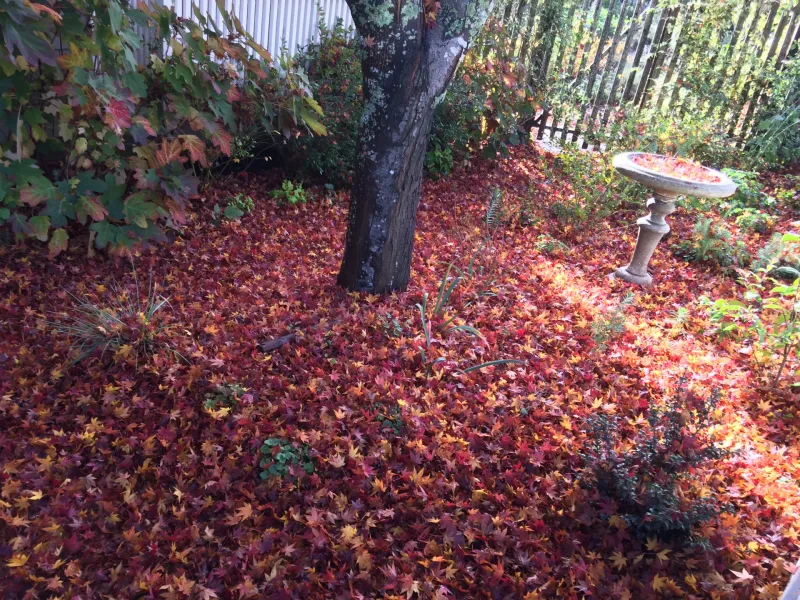
Over months, soil microbes and insects chew through fallen leaves and turn them into crumbly organic matter. That material helps soil hold moisture and gives it a looser, healthier texture.
Leaves also carry some nutrients that return to the soil as they decompose.
Here is the catch. A bag of fertilizer lists what is inside, but leaves do not come with a label.
Their nutrient content varies by plant, and how fast it is released depends on weather, moisture, and soil life. As UC mulch guidance explains, mulch and fertilizer do different jobs.
That means you cannot count on leaves to fix a specific deficiency, such as yellowing from low iron or nitrogen. Mulch is a steady background helper, not a measured dose of plant food.
Also, many healthy shrubs never needed fertilizer in the first place. UC IPM advice on fertilizing and watering landscape plants points out that many established woody ornamentals need none.
For those plants, leaves add soil cover and organic matter over time, and that is a real, practical gain without any bagged product.
Shred leaves and keep the layer loose
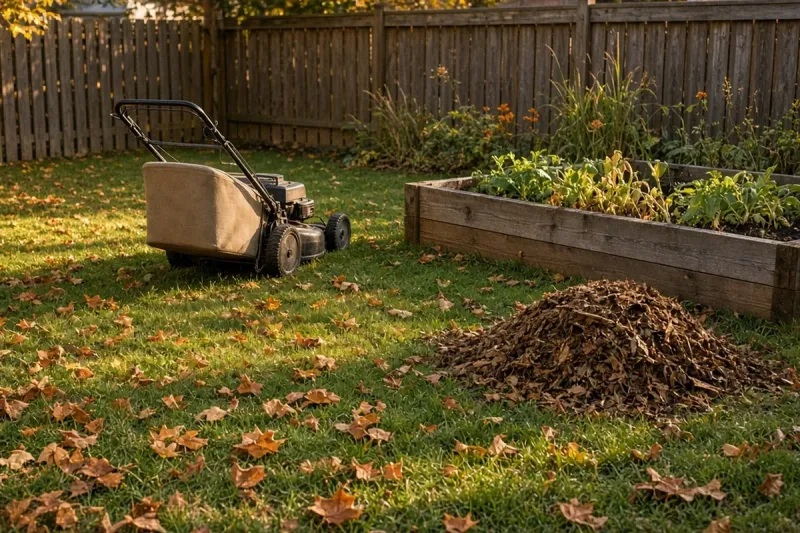
Whole leaves, especially broad ones, can stack up like wet paper and form a mat. Shredding them first, with a mower or a mulching blade, helps the pieces settle into a looser layer that lets air and water through.
Depth matters. UC Marin Master Gardeners guidance suggests keeping shredded leaves to about 2 inches deep because they can mat.
Other UC advice for some mulch applications runs roughly 2 to 3 inches, so treat these as starting points and adjust for your plant and site.
Placement counts as much as thickness. Pull mulch back from stems and crowns instead of piling it against woody plants.
The Marin guide recommends keeping 6 to 12 inches clear of woody stems or trunks, and UC native plant care guidance also advises leaving several inches of space.
A mulch volcano keeps the crown damp, and that invites rot. A shallow ring with a clear gap around the base is safer.
If you spot a crust or slimy mat after rain, fluff it with a rake or thin it out.
Water for the shrub, not for the mulch
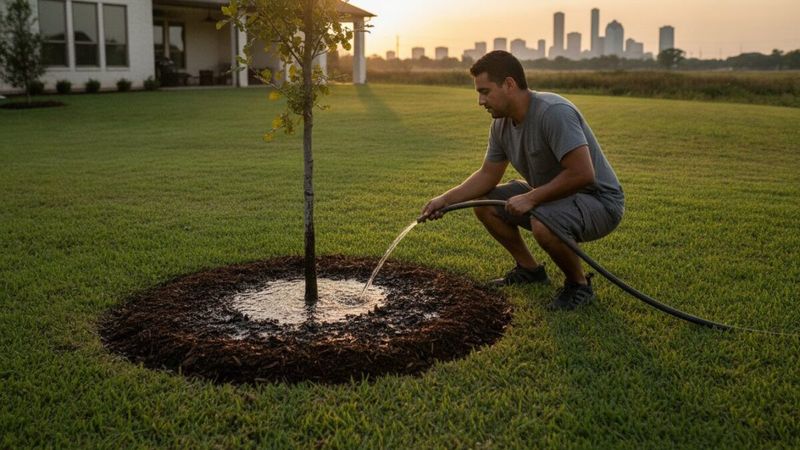
Mulch cuts down on water lost from the soil surface, but it does not set your watering schedule. Each shrub’s needs depend on its species, how long it has been in the ground, your soil, and the weather.
UC IPM irrigation guidance stresses matching water to those factors.
The best check is simple. Push a trowel or soil probe down into the root zone and feel the soil.
If it is damp a few inches under the mulch, hold off. Also confirm that your drip or hose water actually soaks through the leaf layer and reaches the roots.
New shrubs usually need regular water while they settle in, and UC IPM guidance on watering landscape plants also notes that overwatering can harm plants.
California natives are not all alike. Many handle dry summers well, and some are prone to root or crown rot when summer soil stays wet, a point made in UC Master Gardener native plant care advice.
For those species, a thicker mulch or extra water can do damage, so look up your specific plant first.
Check the cause of poor growth before fertilizing
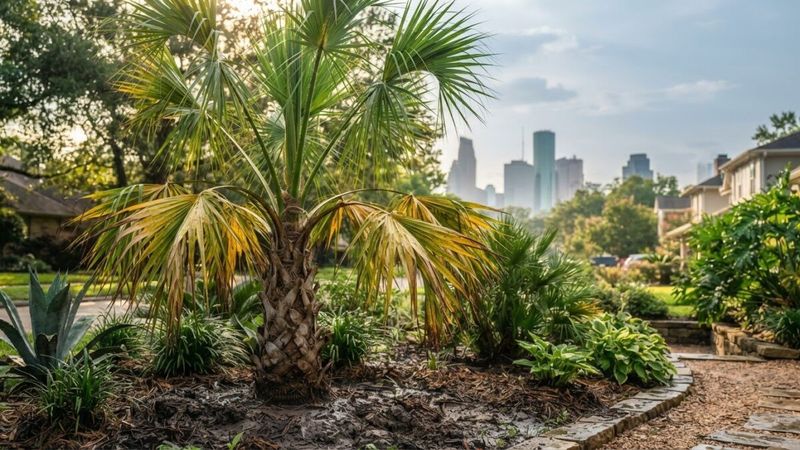
A shrub that looks tired makes many of us reach for a bag of plant food. Hold off for a moment.
Pale leaves or slow growth often come from something else, such as soggy soil, damaged roots, compacted ground, too little water, or planting too deep.
Many healthy, established shrubs need no fertilizer at all. UC IPM guidance on landscape fertilizing and watering says poor growth can result from root, soil, or care problems rather than a lack of nutrients, so adding fertilizer may not help and can sometimes make things worse.
Start with simple clues. Check how wet the soil is at root depth, look at the base for rot or damage, and think about recent changes like new irrigation, construction, or heat waves.
A local nursery or extension office can help if the cause is unclear.
Leaf mulch fits in here as a supporting player. It can protect soil and add organic matter, but it is not a promised cure for a diagnosed deficiency.
Find the cause first, then choose the fix.
Clear leaves where they create problems
Some spots call for a rake. Thick, compacted leaf layers can block water and air from reaching roots, a problem noted in UC Marin mulch guidance.
If water beads up and runs off, thin the layer.
Disease is another reason. Do not spread fresh leaves from a sick plant under the same kind of shrub, especially in the rainy season.
UC IPM advice on mulch and plant pathogens explains that handling and composting needs vary by disease, so check the specific problem before reusing the material.
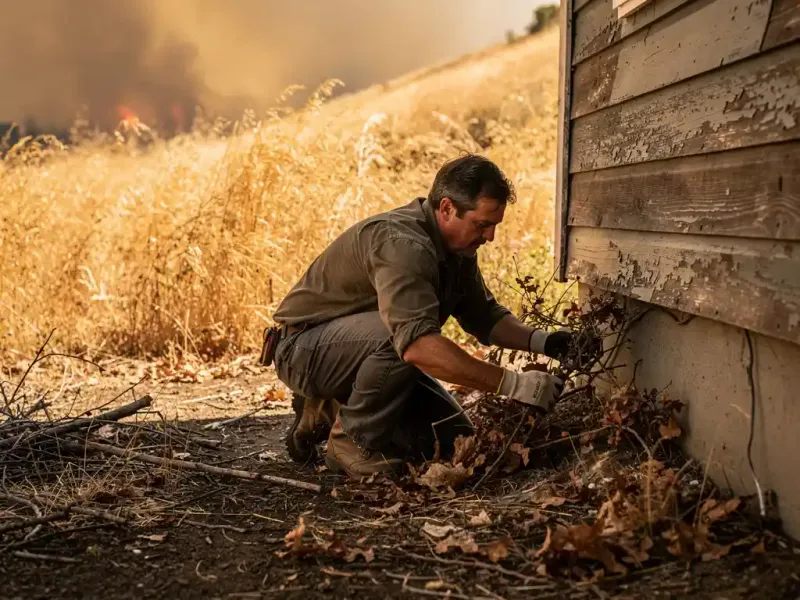
Fire safety can outweigh every other benefit. CAL FIRE defensible space advice says to clear dead leaves and debris from roofs, gutters, decks, and other areas near the home.
You may have heard about Zone 0, the area right next to a building. According to the California Board of Forestry page on defensible space zones, the statewide Zone 0 rule package was still under final review at its last update, so it should not be treated as final.
Local fire rules may apply, so check with your fire department or city.
Make leaf cleanup selective
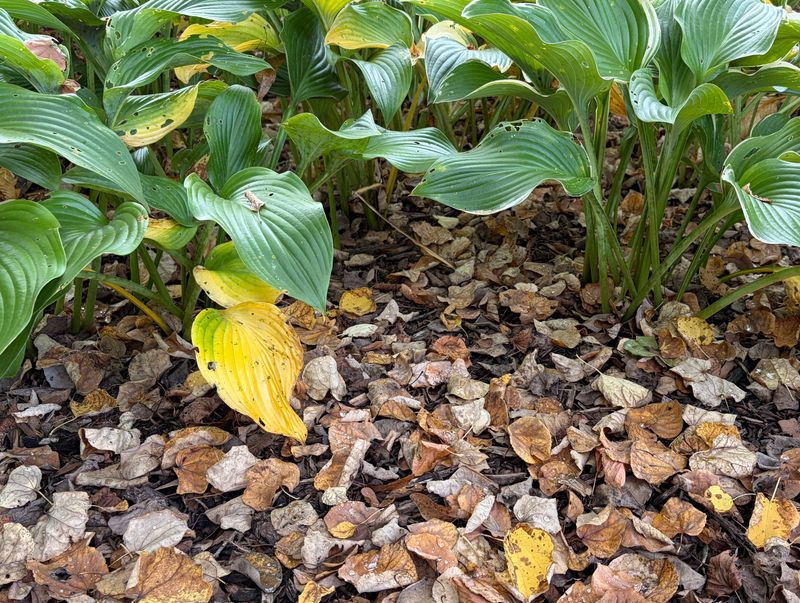
Here is the simple rule: keep suitable leaves under shrubs as a loose layer, as in UC mulch guidance, and keep them clear of stems and crowns per UC Marin advice. Keep checking the soil at the roots, as UC IPM irrigation guidance recommends.
Rake out leaves when they mat, when plant disease is a concern, or when fire safety near the house matters more.
Leaves give your soil useful cover, but they never replace a diagnosis or good watering. Rake with a plan, and let the right leaves stay on the job.