
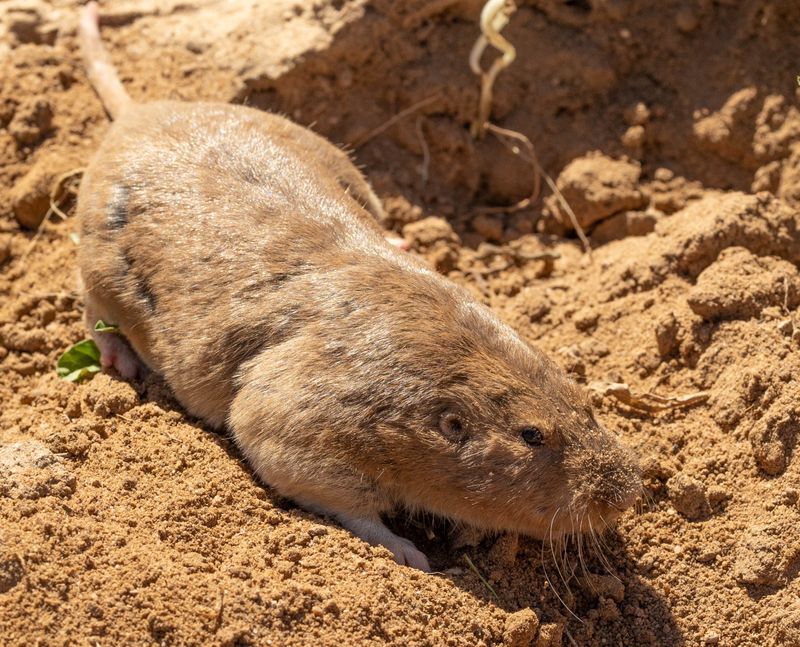
You glance out the window at dusk and see a coyote trot across the lawn. It is a startling sight, and many gardeners wonder if the visitor is doing them a favor by hunting the critters that wreck their beds.
The truth is more limited than that, because one sighting tells you very little about what the animal ate. Here is what a coyote visit can and cannot tell you, and how to protect your plants and pets either way.
A dusk crossing is normal, not a report on your garden
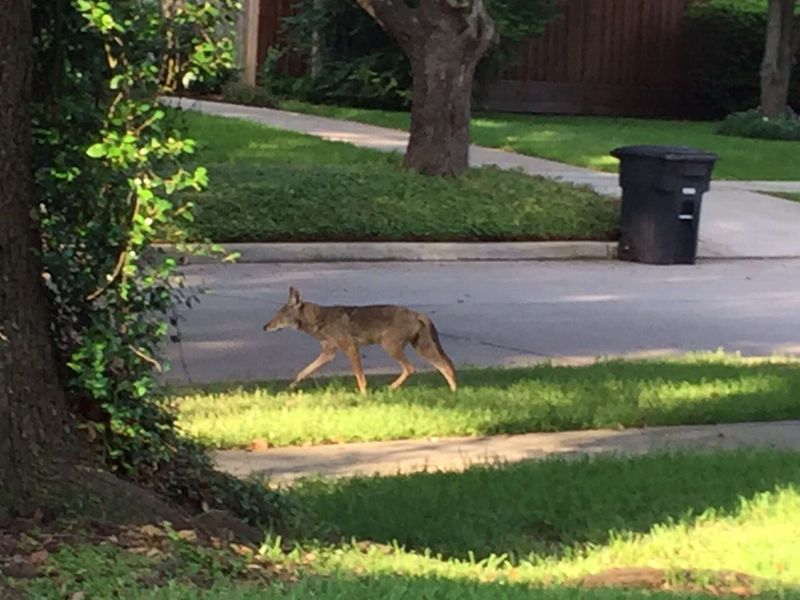
Seeing a coyote at dusk feels dramatic, but it is ordinary. Austin Animal Services says coyotes in Central Texas are most active at dawn and dusk, though people may also spot them during the day.
So the timing of your sighting mostly reflects the animal’s normal daily rhythm.
Austin’s guidance also notes that local coyotes hunt rodents. That makes it tempting to connect the dots between the coyote at the fence and the mounds in your flower bed.
But a sighting is just a snapshot. You saw an animal walking through, and you did not see what it caught, what it ate last night, or what it will do tomorrow.
A passing coyote cannot tell you whether pocket gophers live under your yard. It cannot tell you whether their numbers are going up or down.
It also cannot tell you whether your garden damage is shrinking. Coyotes cross yards for many reasons, including simply using them as a shortcut between greenspaces.
The same goes for the season. Dusk visits fit the usual coyote schedule, and nothing about a cool evening turns a sighting into a forecast for your garden.
If you want to know what is happening in your beds, the answer is in the soil and the plants, not in the animal on the lawn.
In this article, the word gopher means pocket gopher, a small burrowing rodent. The next sections look at what coyotes eat, how to check for real gopher activity, and what to do about it.
Coyotes eat rodents, but the gopher link is uncertain
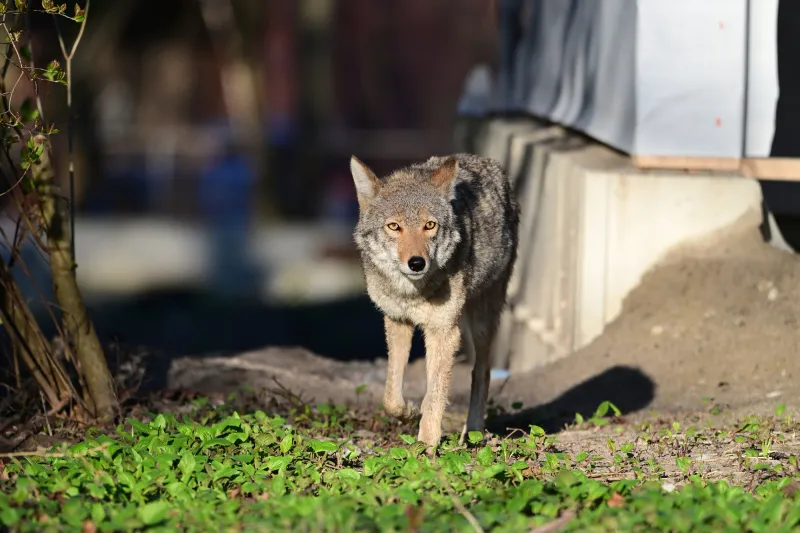
Coyotes are opportunistic feeders, which means they eat what is available. Texas Parks and Wildlife lists rabbits, rodents, and insects among their primary foods.
The menu also includes carrion, reptiles, fruit, vegetables, and fish. Rodents are on the list, but they are one item among many.
That is why a coyote in your yard is a weak clue about gophers. Eating rodents in general is not the same as hunting the particular pocket gophers under your tomato bed.
A coyote might be after a rabbit, a rat, a beetle, or fallen fruit, and you would never know from the sidewalk.
The best diet data found for pocket gophers does not come from Texas. A study of coyote scat in Saskatchewan, Canada, found pocket-gopher remains in about 3% of scats on an annual average.
That suggests gophers are possible prey, but it is a small share, and it comes from a different landscape than a Central Texas yard.
The researchers also caution that scat frequency does not directly measure how much prey coyotes actually consume. A small animal can show up often without adding up to much food, and a large one can show up rarely.
So the number is a hint, not a promise of pest control.
The practical takeaway is simple. Treat a coyote as a wild animal with a varied diet, not as a gopher patrol you can count on.
Confirm pocket-gopher damage before choosing a fix
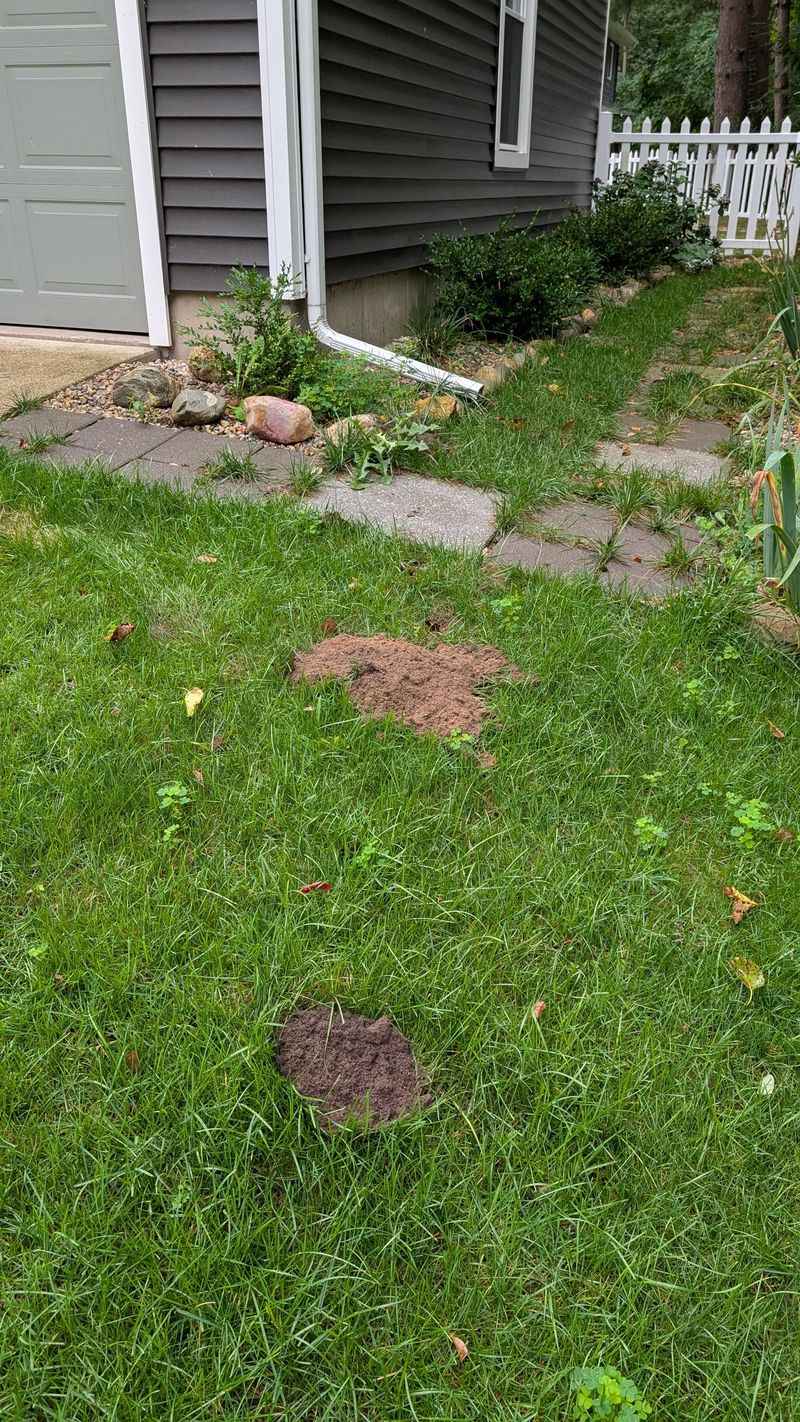
Before you blame or thank any animal, look closely at your beds. Texas A&M AgriLife Extension says pocket gophers may destroy plants and leave mounds in lawns, gardens, and flower beds.
Finding the right clues helps you choose the right response.
One classic clue is the shape of the mound. A pocket gopher mound is often horseshoe-shaped, with a soil plug and a depression on one side.
The plug marks where the animal sealed its tunnel entrance from below.
Keep in mind that these are clues, not proof. A mound, a tunnel, or a wilted plant by itself may not mean a pocket gopher is at work.
Other burrowing animals, insects, drainage problems, and plain old plant stress can leave similar-looking trouble.
Try a quick routine. Walk your beds in the morning and note any fresh mounds, then see whether they match the horseshoe shape.
Take photos so you can compare from day to day. Fresh soil that keeps appearing is a better sign of current activity than old, crusted piles.
If the shape matches and plants are disappearing from below, you have a stronger case for pocket gophers. If the signs are mixed, hold off on any control work until you are more certain.
A coyote sighting adds nothing to this checklist, since the evidence you need is in the ground.
Protect beds directly instead of relying on a predator
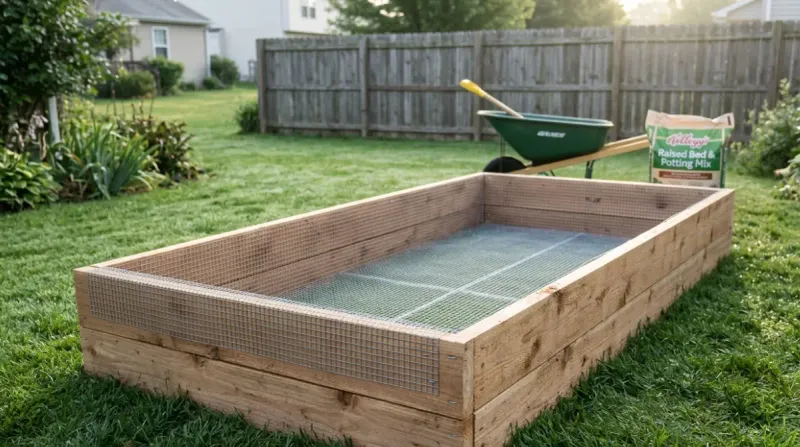
Once you have confirmed pocket-gopher activity, direct protection beats waiting for a predator. For a small yard or garden, Texas A&M AgriLife guidance says trapping can be satisfactory.
It begins by locating fresh mounds and the main runway, the tunnel the animal uses most.
That first step matters because traps placed in the wrong spot will not catch anything. Fresh soil points to current activity, and the main runway is where a trap has the best chance.
Follow the full instructions in the guide and check local rules and safety advice before you start.
Raised beds call for a different approach. UC IPM recommends underground mesh to keep gophers out.
The idea is to line the bottom of the bed so the animals cannot tunnel up into the roots.
Mesh is easiest to add when you build or rebuild a bed, so it is worth planning ahead if you are expanding your garden this season. Think of it as a barrier you install once rather than a repeated chore.
Neither method is a guaranteed fix. Trapping depends on finding active tunnels, and mesh depends on careful installation.
Even so, both act on the pest itself, which is something a coyote passing through at dusk cannot promise.
Remove food attractants that can bring coyotes close
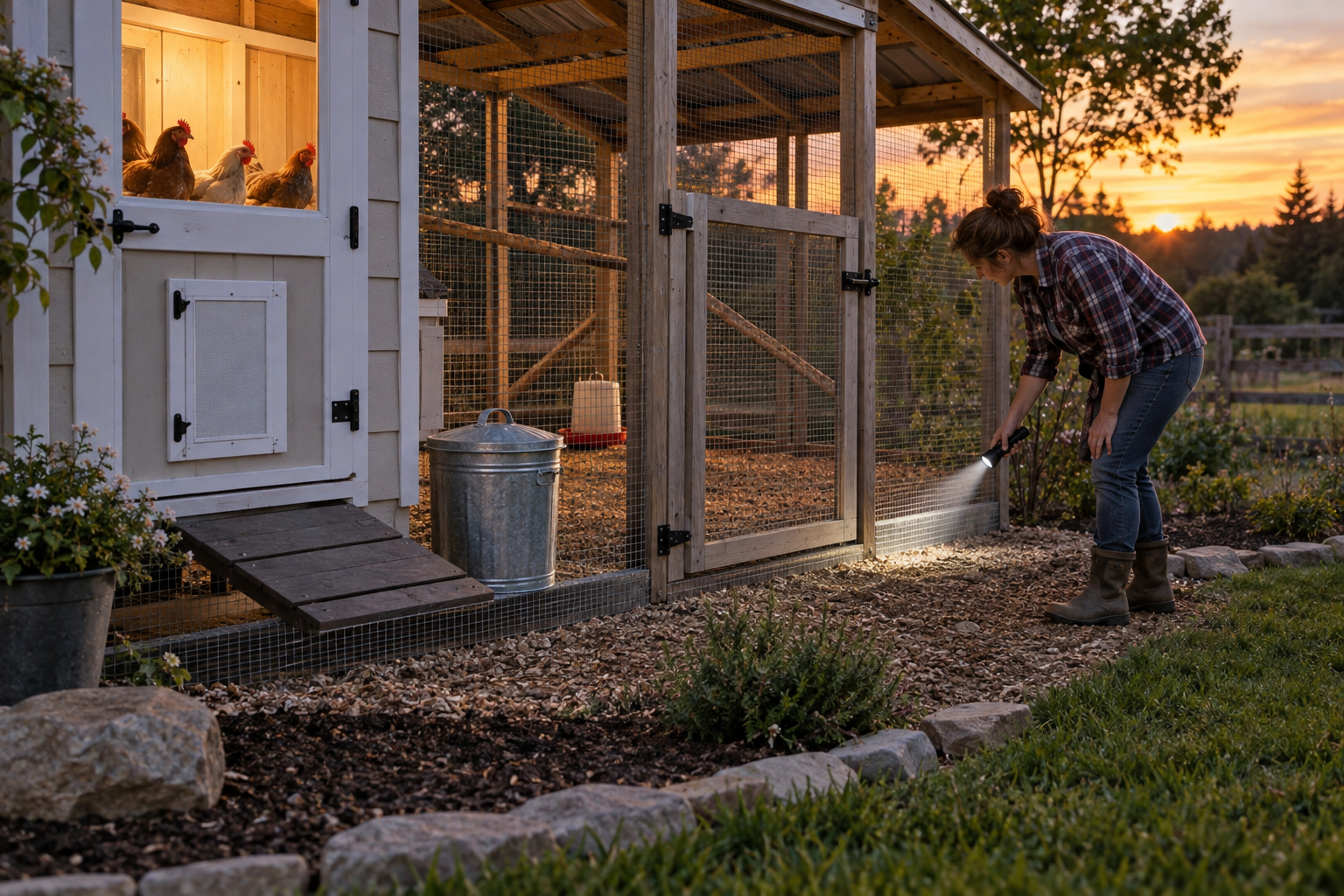
Coyotes are opportunistic, and they can learn to use food that people leave out. Texas Parks and Wildlife recommends never feeding coyotes and cleaning up the things that draw them in.
Austin’s advice lines up with it, so the steps are easy to follow.
Start with pet food. Feed pets indoors, or pick up bowls as soon as meals are done.
Food left on a patio overnight is an open invitation to any wildlife passing through.
Next, look at the trees. Fallen fruit from pecan, fig, persimmon, or other fruit trees should be gathered up regularly.
Rotting fruit on the ground is an easy meal for coyotes and other animals.
Garbage needs a secure lid. Use a bin that closes tightly and keep it somewhere that is hard to tip over.
Bring it out on collection morning rather than the night before, if your schedule allows.
Finally, sweep up spilled birdseed. Seed that scatters beneath a feeder attracts rodents, and rodents can draw coyotes in turn.
Cleaning the ground below the feeder removes one easy snack.
Austin Animal Services echoes these habits for coyotes in the city. The goal is to give coyotes fewer reasons to linger, not to invite them in for garden help.
Keep pets close when a coyote is nearby
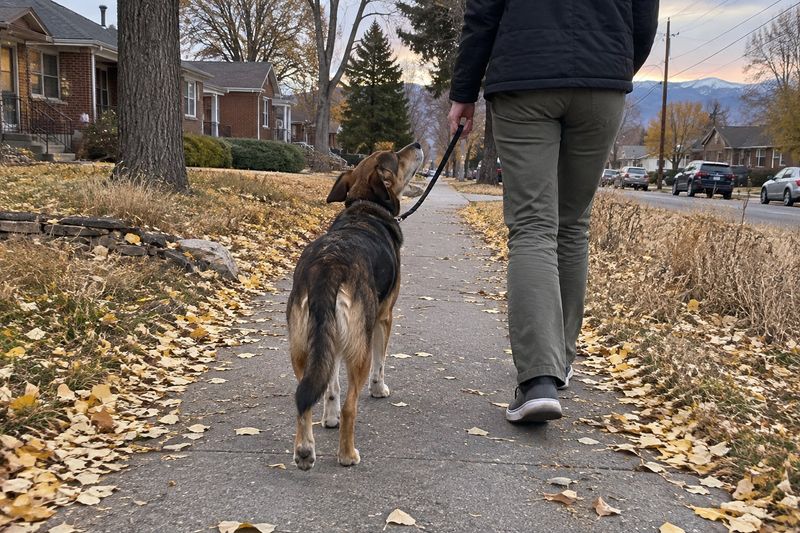
Your pets matter most once a coyote is in the picture. Austin Animal Services advises keeping small pets indoors where possible and supervising them whenever they are outside.
It also identifies unsupervised small dogs and outdoor cats as potential prey. Walk dogs on a leash, especially around dawn and dusk.
Do not let a pet approach or chase a coyote. Pull your dog back, and pick up a small one if you can do so safely.
A chase can pull a pet away from you and into trouble.
If a coyote lingers or walks toward you, Austin suggests hazing. Make eye contact, yell, and wave your arms until it moves away.
Stay calm, keep pets close, and back off toward the house if needed.
Hazing is meant to remind coyotes that people are not friends or food. It works best when you do it consistently, and it fits with the food cleanup from the last section.
As for the garden, keep the two jobs separate. If you have confirmed pocket-gopher activity, handle it directly, with methods such as the trapping steps in AgriLife’s guide for small yards and gardens.
A coyote at dusk is a reason to watch your pets, not a reason to relax about your beds.